National treasures: America's old vines and their dynamic and delicious wines
In the regimented and results-driven world of agribusiness there's not much space for old vines, but a cadre of US winemakers clings on to this precious and vanishing resource, cherishing the unique wines they create.
Humans have a strange predilection for new, young, unblemished things.
In viticulture, economics tends to reward a focus on productivity and efficiency. Visually, this is easy to recognise: uniform rows, immaculate canopies and vines farmed for quick returns.
‘A young vineyard reminds me of an army, where everyone looks the same, trained for a mission,’ says Tegan Passalacqua, director of winemaking at Turley Wine Cellars and the winemaker behind his own label, Sandlands, in California, two brands with an explicit focus on historic vineyards.
In a recent conversation with Passalacqua, he reached for a copy of Scottish-American naturalist and writer John Muir’s My First Summer in the Sierra, where Muir writes about his observations on pines and how, while young trees are ‘very straight and regular in form,’ by 50 to 100 years they ‘begin to acquire individuality, so that no two are alike in their prime or old age.’
Old vines, Passalacqua says, do the same. Each grows to express something different from where it is planted, which, among other reasons, is what makes old vines matter and the very thing modern winegrowing was built to erase.
‘That’s the difference between agriculture and agribusiness,’ he says.
Not just the romance
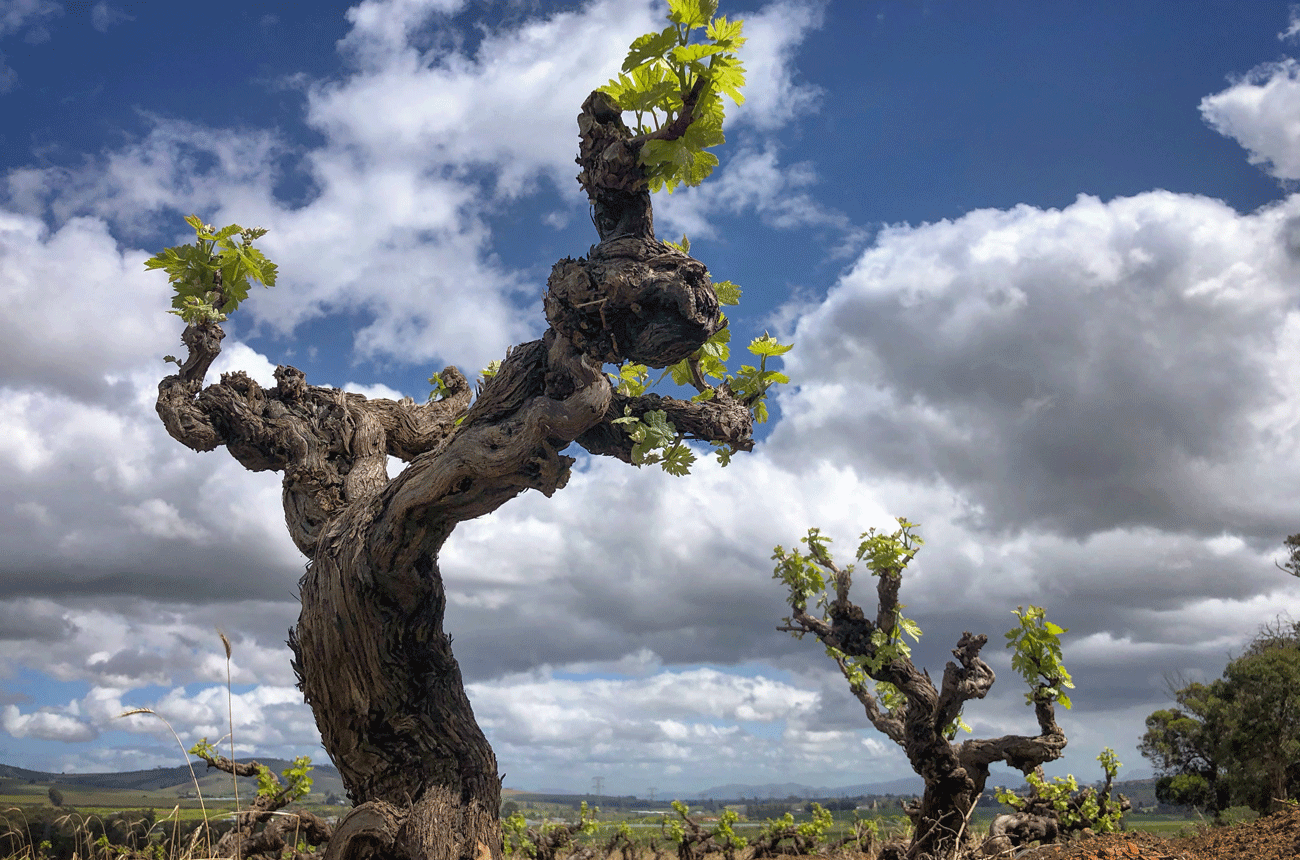
Old Zinfandel vines in Sonoma County
The case for old vines isn't only about romance. Science is slowly supporting the claim that they can produce higher-quality wines with greater aromatic complexity and phenolic structure.
Get our daily fine wine reviews, latest wine ratings, news and travel guides delivered straight to your inbox.
In the United States, old vines are also a living record of American wine history: the field blends planted by immigrants; the vines that survived phylloxera and Prohibition; the foundational plantings that helped establish whole regions.
Still, there’s no legal definition of ‘old vine’ in the US. The Historic Vineyard Society draws its line at 50 years for currently producing California vineyards, with at least one-third of productive vines traceable to the original planting.
The International Organisation of Vine and Wine defines an old grapevine as at least 35 years old. Either way, there isn't much left – America has only a thin and shrinking stock of truly old vineyards, and almost nothing protecting them beyond the goodwill, stubbornness and love of their growers.
Passalacqua sees old vines as a kind of measuring stick. ‘One of the important factors of old vines is they're very educational,’ he says.
‘There's something the farmers and winemakers can learn from them that you might not learn as easily from young vines.’
He also argues that much of the winemaking that exploded in the 1990s in America was built to meet a specific market demand rather than to explore terroir, and that mindset still lingers in much of the industry.
‘Modern winemakers and modern wine drinkers know what they want it to taste like,’ he says.
‘They're not embracing the character of the site. But with old vines, it's really hard not to.’
Not automatically better, but...
An old spur-pruned Cabernet Sauvignon vine in Northern California (Dry Creek Valley of Sonoma County)
In a different conversation, Shauna Rosenblum, winemaker at Ridge Vineyards' Lytton Springs estate, where vines are over a century old, says old vines have ‘soul.’
It isn't only poetry. If you take Ridge’s old Zinfandel vines, interplanted with Petite Sirah, Carignane, Mataro and other varieties, the wines have a character that comes not from a single grape or uniform ripeness but from the tension of a historic field blend.
Rosenblum also notes the resilience older vines can develop. At Ridge, Rosenblum has watched century-old vines test positive for a disease like red blotch and simply carry on – ripening, producing – while the same virus forces young vines out of the ground.
'When you taste younger vines planted in the '90s next to old vines from 1901, there's more to it,' she says.
The vines that have come through something, in her opinion, are the more interesting ones, like people shaped by hardship and 'in it for the long run.'
Old vines are not automatically better, but time can offer something you can't manufacture: identity. And that happens to be what a lot of younger drinkers now say they want – specificity, unusual grapes, a wine with a story rather than a target flavour.
‘When you first begin your wine journey, do you care that you're drinking old vines?’ asks Rosenblum. ‘Maybe not, but then you taste the difference.’
A growing number of American winemakers are betting their reputations on old vineyards.
Labels like Bedrock, Desire Lines and Sandlands have built devoted followings, producing serious wines from grapes most drinkers couldn't name a decade ago.
They're not only preserving old vines but also perhaps teaching a generation to look beyond famous varieties and taste what old vines offer.
The eight wines below offer an entry point into dynamic and delicious bottles from old-vine vineyards in California, where most of America's old-vine acreage is planted.
Eight US wines from old vines
Related articles
Desire Lines, Compagni Portis Riesling, Sonoma Valley, Sonoma County, California, USA 2024
Compagni Portis is a rare white field blend planted in 1954 in Sonoma Valley, part of the original historic Buena Vista vineyard, and home to...
2024
CaliforniaUSA
Desire LinesSonoma County
Hanzell Vineyards, The Ambassador's 1953 Vineyard Pinot Noir, Moon Mountain District, Sonoma County, California, USA 2023

This is a special wine from the oldest continuously producing Pinot Noir vineyard in North America, planted in 1953 in the volcanic soils of the...
2023
CaliforniaUSA
Hanzell VineyardsSonoma County
Bedrock Wine Co, Evangelho Vineyard Heritage Zinfandel, Contra Costa County, San Francisco Bay, California, USA 2024

The Evangelho vineyard is one of California's most unassuming sites, yet one with a powerful identity. Own-rooted and planted in the 1890s on deep sandy...
2024
CaliforniaUSA
Bedrock Wine CoSan Francisco Bay
La Rue, Charlie's Monte Rosso Vineyard Cabernet Sauvignon, Moon Mountain District, Sonoma County, California, USA 2023

La Rue is Katy Wilson's label; the same winemaker behind Anaba. This Charlie's Cabernet comes from Monte Rosso, the historic old-vine site high in the...
2023
CaliforniaUSA
La RueSonoma County
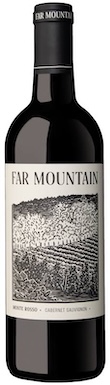
Far Mountain, Montecillo Cabernet Sauvignon, Moon Mountain District, Sonoma County, California, USA 2024

First planted in 1860, Montecillo is among the oldest and most storied vineyards in the Moon Mountain District. Its rugged, terraced plantings of old Cabernet...
2024
CaliforniaUSA
Far MountainSonoma County
Sandlands, Mataro, Contra Costa County San Francisco Bay, California, USA 2023

Though winemaker Tegan Passalacqua doesn't vineyard-designate his wines, this Sandlands Mataro comes entirely from the Oakley Road vineyard, unofficially named by Joel Peterson. The dry-farmed...
2023
CaliforniaUSA
SandlandsSan Francisco Bay
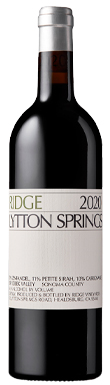
Ridge Vineyards, Lytton Springs Zinfandel, Dry Creek Valley, Sonoma County, California, USA 2024

A classic old field blend from Ridge's Lytton Springs vineyard in Dry Creek Valley, initially planted between 1901 and 1910. Winemaker Shauna Rosenblum ferments each...
2024
CaliforniaUSA
Ridge VineyardsSonoma County
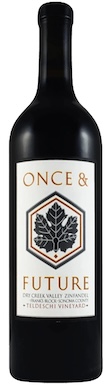
Once and Future, Teldeschi Vineyard Frank's Block Zinfandel, Dry Creek Valley, Sonoma County, California, USA 2024
From the oldest block of the Teldeschi vineyard in Dry Creek Valley, planted in 1904, this is a field blend led by Zinfandel (around 78%,...
2024
CaliforniaUSA
Once and FutureSonoma County
Brazilian-born Bay Area local Ana Carolina has a degree in journalism and got her start as a daily business reporter for the largest daily newspaper in Northeastern Brazil, the Diário do Nordeste. Upon moving to the San Francisco Bay Area, she worked as a journalist for the bilingual San Francisco newspaper El Tecolote. She is a certified sommelier, having worked in both wine and fine dining in San Francisco. She pursued a career in wine publishing before returning to her roots as a writer.