
Anson: Bordeaux’s single-variety wines under the spotlight
Jane Anson lifts the lid on single-variety wines in Bordeaux, from Malbec, Merlot and Cabernet to some surprise offerings, and finds many represent good value.


Ornellaia in Tuscany, Sloan Estate in Napa, Pask Winery in Gimblett Gravels… is there a major winemaking region worldwide that doesn’t produce at least one icon ‘Bordeaux blend’?
Although the exact meaning can change, it’s a generally agreed shortcut for any red wine that is made from a mix of Cabernet Sauvignon and/or Merlot, Cabernet Franc and other grapes that are typically planted in the Bordeaux region.
Scroll down to see Jane Anson’s tasting notes and scores for a selection of Bordeaux’s single-variety wines
The name has weight because Bordeaux has been making blended wines for centuries – even if for much of that time local winemakers had little choice but to give themselves a range of possible ingredients for their wine.
The oceanic climate of Bordeaux, its size, and its wide range of soil types still mean that a single grape variety has a tough time successfully delivering great wine year on year.
At the same time, you have always been able to find single variety wines if you look (or if you can afford it, in the case of the Merlot-focused Petrus and Le Pin). One option is also to seek out unusual vintages, such as Château Haut-Bailly 1996 with its 100% Cabernet Sauvignon.
But the last few years have seen the category multiply across all varieties – and the vast majority are extremely affordable.
I’m pretty sure the reason for this is that we have seen Bordeaux embracing the complex realities of its terroirs, isolating and identifying different plots and treating them differently in terms of viticulture and cellar work.
It makes sense that it’s a short step from this identification to wanting to experiment with bottling the results individually.
The trend is also helped, inevitably, by more reliable ripening windows. Cabernet Sauvignon, for example, is increasingly used at 90%+ levels for the very top Médoc estates (such as Lafite Rothschild 2019 at 94% Cabernet Sauvignon).
You can also find 100% Cabernet Sauvignons helped by a warming climate that means the green pyrazine character is less common. Look out for Cuvée Marguerite Déjean from Château Moutte Blanc in Haut-Médoc, or Cuvée Eléonore from Château Vieille Dynastie in Lalande de Pomerol, or Hubert de Boüard Cabernet Sauvignon.
Easier ripening is also why you are starting to see 100% Malbecs, or even 100% Chardonnays bottled as Vin de France but grown on Bordeaux soils.
You’ll find excellent examples all over, but I have chosen to highlight three here from different branches of the Lurton family. The first has already created a number of headlines as the first dry white from Château Climens in Barsac.
Inevitably, as it is the only grape planted in the Climens soils, it’s 100% Sémillon, created by owner Bérénice Lurton and given the name Asphodèle – a flower that grows on limestone soils and symbolises rebirth.
Farmed biodynamically, as is all Climens wine, Asphodèle is unusual for a Bordeaux dry white in that it uses only natural yeasts, and is aged on the lees but unoaked, with grapes picked from young vines on the earliest ripening soils.
Its first vintage was in 2018, after a meeting between Bérénice Lurton and Loire legend Pascal Jolivet at a New York wine tasting.
Jolivet consulted on the conception and realisation of the first vintage, but going forward it is the Climens team who are entirely overseeing Asphodèle– and for me it already stands as one of the very best examples of this style of wine in Bordeaux.
Bérénice’s cousin, Jacques Lurton, introduced his own range of single variety wines a year later with the 2019 vintage, under the name Diane.
The idea, Lurton tells me, came to him when he was walking the vineyards after returning to Bordeaux full-time following his father Andre’s death aged 94, in May 2019. He came across a number of extremely old vines at the family estate of Château Bonnet.
‘The first one I really identified was a plot of old Sémillon vines – a grape that I loved in Australia also,’ says Lurton.
‘The plot was facing full south, and the vines were old, knarled, ugly… and made magnificent grapes. The older Sémillon is, the more it expresses its character.’
He has applied New World techniques to the winemaking – precision, low temperature fermentation, looking for an expression of the variety above all. I have tasted here the Sémillon and the Cabernet Sauvignon, but you can also find Muscadelle and Sauvignon Blanc.
A few miles from Château Bonnet is another Lurton property that is showcasing the potential of single variety Bordeaux. This is (another cousin) Pierre Lurton’s home estate of Château Marjosse, located on largely clay limestone soils of the Dordogne Valley.
Lurton grew up at the nearby Chateau Reynier with his father Dominique Lurton, and began renting a few plots from former owner General Georges Deleuze in 1990.
Lurton vinified his first year entirely by hand, and although the following year he was hired to run Château Cheval Blanc and Château d’Yquem, he kept slowly buying plots of vines at Château Marjosse as he was able to afford. He built a cellar in 2000, but only was able to buy the entire estate and château in 2013.
Since then, his focus on the potential of Marjosse has steadily increased. In 2018, he hired technical director Jean-Marc Domme, who had worked as trainee at Yquem in 2004, before working at Figeac, then in Banyuls, and then at Clos l’Eglise in Pomerol – before rejoining Lurton at Marjosse.
Together they have created a range of wines under the name Anthologie de Marjosse with a focus on the estate’s oldest vines, including Malbec, Sauvignon Gris and Muscadelle.
Today Marjosse is run by Pierre Lurton’s wife, Alexandra Forbes, who tells me, ‘When Pierre redid the winery, bringing in smaller vats, he was able to vinify these grapes separately for the first time in Marjosse’s history. We have now carried out a massal selection of our old Malbecs and plant a second plot.’
They also spoke with Aubert de Villaine [of Domaine de la Romanée-Conti fame] in Vosne-Romanée, and enlisted his help in sourcing Burgundian Chardonnay clones that were grafted onto rootstock that was previously Sauvignon Blanc.
And, in a perk of Lurton’s day job in terms of purchasing, the whites are fermented or aged in former Y d’Yquem barrels.
Tasting Bordeaux’s single-variety wines
I have tasted a few non-Lurton wines here, including Mathieu Chardonnier’s Château Marsau, a 100% Merlot from Francs Côtes de Bordeaux and a range from Invindia wines, with some excellent examples such as Full Metal Malbec (sadly not widely available). There are many other Bordeaux single-variety wines that are worth looking out for, including:
100% Merlot
Château La Gomerie, St-Emilion Grand Cru
Château La Voûte, St-Emilion Grand Cru
La Fleur de Gay, Pomerol
Le Plus de La Fleur de Boüard, Lalande de Pomerol
Château Marsau, Francs
Château Moutte Blanc, Margaux
Château Les Vimières, Margaux
100% Petit-Verdot
Château des Léotins, Cuvée Petit Verdot, Vignobles Lumeau
Petit Verdot de Château Belle-Vue, Haut-Médoc
Château Ségonzac Petit Verdot, Blaye
Château Haut Barade « 100% Petit Verdot » – Sichel- bordeaux
100% Malbec
Château Civrac, Super Malbec, Côtes de Bourg
Château Le Geai, Bordeaux
Château Magdeleine-Bouhou, cuvée ‘La Petite Magdeleine’, Blaye
Château Tire Pé, Les Malbecs, Bordeaux
Château Bonnange, Blaye
100% Cabernet Sauvignon
Château Moulin de La Gache, Cuvée Saint Pierre, Blaye
Château Moutte Blanc, Cuvée Marguerite Déjean, Haut Médoc
Hubert de Boüard Cabernet Sauvignon
100% Cabernet Franc
Château Trottevieille ‘Les Vieilles Vignes’, St-Emilion Grand Cru
Hubert de Boüard Cabernet Franc
Château Fleur Haut Gaussens, La Bergeronnette, Bordeaux
100% Carménère
Château Le Geai, AOC Bordeaux
100% Syrah
Château Thieuley, Les Truffières Syrah
100% Chardonnay
Clos Dubreuil Chardonnay
Château Thieuley Chardonnay
Hubert de Boüard Chardonnay
Château la Grâce Dieu des Prieurs Chardonnay
See Jane Anson’s tasting notes and scores on Bordeaux’s single-variety wines
You may also like
Bordeaux 2020 wines: Our en primeur verdict
Bordeaux vineyard prices in 2020: Trends to watch
How the Bordeaux 2008 first growths taste now
Château Climens, Asphodele, Bordeaux Blanc, Bordeaux, France, 2018
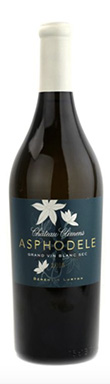

Clear sense of enjoyment, with lime blossom, citrus, kiwi and some sweet fruit without sacrificing the sense of lift. Promising start for the new dry...
2018
Château ClimensBordeaux Blanc

Invindia, L'Instant H, Bordeaux, Bordeaux, France, 2019
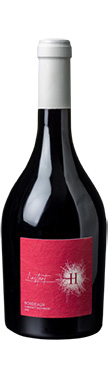
Appetising and easy to approach with rose petal, tobacco leaf and redcurrant notes. Drink young and enjoy, this is supple and open. 100% aged in...
2019
InvindiaBordeaux
Invindia, Full Metal Malbec, Bordeaux, Bordeaux, France, 2019
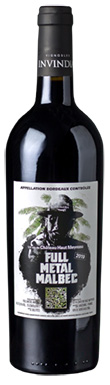
Takes a moment to shake off a rustic start, but it absolutely grows on you, delivering deep spice with raspberry and blackberry fruits without being...
2019
InvindiaBordeaux
Château Haut-Meyreau, Ambroisie, Bordeaux, Bordeaux, France, 2016
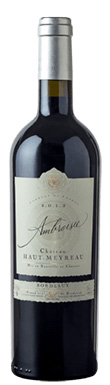
Smoked, grilled oak notes dominate on the opening but then are shaken off to show approachable raspberry and red cherry notes. 20% new oak aging...
2016
Château Haut-MeyreauBordeaux
Château Le Conte, St-Émilion, Grand Cru, Bordeaux, France, 2018
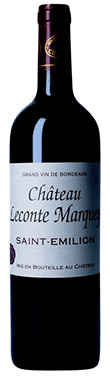
Silky tannins, elegant but with plenty of confident, red fruit typicity of the Merlot grape and the St-Emilion Grand Cru appellation. As it opens a...
2018
Château Le ConteSt-Émilion
Château Marjosse, Anthologie de Marjosse, Cuvée Ortolan, Bordeaux, Bordeaux, France, 2018
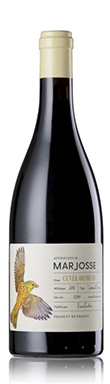
A ton of character, liquorice, redcurrant, a touch of gooseberry and tobacco leaf, plenty of lift, and it should soften over the next year. Very...
2018
Château MarjosseBordeaux
Château Marjosse, Cuvée la Charmille, Bordeaux, Bordeaux, France, 2018
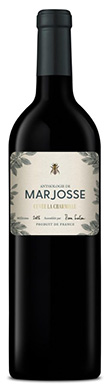
Vines for this cuvée are grown on a seam of limestone that passes through the Marjosse vineyard, and it stands out next to the 100%...
2018
Château MarjosseBordeaux
Château Marjosse, Cuvée les Truffes, Bordeaux, Bordeaux, France, 2018
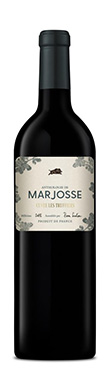
A 100% Merlot from the limestone-dominant plateau of Margaux. A clear floral edge on the initial aromatics, leading to redcurrant and tomato leaf, crunchy red...
2018
Château MarjosseBordeaux
Château Marjosse, Anthologie de Marjose, Cuvée Gros Bec, Vin de France, Bordeaux, France, 2018
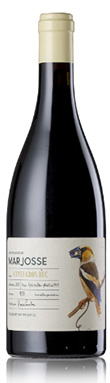
Darkest in both colour and style of aromatics in this single variety range from Château Marjosse, this opens with smoke and tar notes, a gourmet...
2018
Château MarjosseVin de France
Château Marjosse, Antologie de Marjosse, Cuvée Chardonneret, Vin de France, Bordeaux, France, 2018
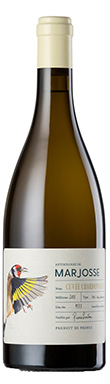
A honeysuckle edge on the attack, there is a touch of bitterness on the finish, giving a yin-yang balance to the gorgeous citrus and oyster...
2018
Château MarjosseVin de France
Château Marjosse, Antologie de Marjosse, Cuvée Hirondelle, Bordeaux Blanc, Bordeaux, France, 2018
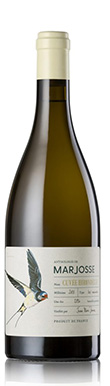
Unusual in Bordeaux, where Muscadelle is almost always used as a blending grape in tiny quantities. This has dried rose petal notes, is delicate and...
2018
Château MarjosseBordeaux Blanc
Château Marsau, Francs Côtes de Bordeaux, Bordeaux, France, 2018
Owned by Mathieu and Anne-Laurence Chardronnier in a corner of Francs Côtes de Bordeaux that has more clay than is typical in the appellation, this...
2018
Château MarsauFrancs Côtes de Bordeaux
Famille Andre Lurton, Diane L'Audacieuse Cabernet Sauvignon, Bordeaux, Bordeaux, France, 2020
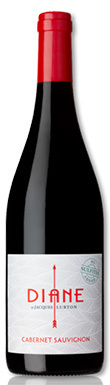
First impression is of the softly caressing tannins on this wine, far more so than you might expect for a pure Cabernet Sauvignon. Upfront blackberry...
2020
Famille Andre LurtonBordeaux
Famille Andre Lurton, Diane La Déesse Sémillon, Entre-Deux-Mers, Bordeaux, France, 2020
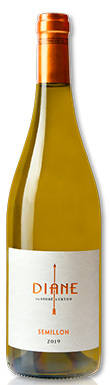
Clear varietal character in the round citrus flavours, with firm structure overall and gentle honeysuckle and lemongrass notes. Spice comes in on the finish, and...
2020
Famille Andre LurtonEntre-Deux-Mers
