
Best Campania wines: 30 to try
Aldo Fiordelli recommends 30 of the latest releases from Campania, primarily from the 2020 and 2019 vintages.


While the world of wine wonders how to resist climate change, Campania is re-emerging into the limelight thanks to its rustic history, its autochthonous varietals and the inclusion of hybrids (varietals originating from other areas).
If Italy is the home of biodiversity, Campania is its cradle.
Scroll down to see tasting notes and scores for Aldo Fiordelli’s top 30 Campania wines
Of course, every region of the Italian peninsula has one or two representative indigenous grape varieties, for example Sangiovese and Vermentino in Tuscany; Corvina and Garganega in Veneto; Nebbiolo and Cortese in Piedmont.
This is obviously a simplified snapshot, omitting many ampelographic gems, but in Campania there are almost too many native grapes to name: Greco, Fiano, Falanghina, Biancolella, Ginestra, Caprettone, Pepella, Aglianico, Piedirosso, Pellagrello, Sciascinoso, Tintore, Fenile, Ripoli…
The truly remarkable thing is that all of these varietals are crucial here. Fenile, for instance, is early ripening, while Ripoli is late maturing; Ginestra is aromatic, while Pepella is spicy. This is perfectly demonstrated in some of Campania’s best wines, such as the extraordinary red blend from the Amalfi Coast – Marisa Cuomo’s Furore Rosso Riserva, Costa d’Amalfi 2017.
It’s an area better known for whites but its mineral-rich soils and dramatic day-to-night temperature variations allow for extraordinary phenolic ripeness, producing Aglianico and Piedirosso of rare complexity.
Biodiversity
Campania’s biodiversity takes on a concrete role as vintage conditions vary year by year: Greco, for example, soars in the hot years, while Fiano stands out in the cooler years. The region’s abundance of autochthonous varietals was the dominant theme that surfaced at the latest edition of Campania Stories, an annual appointment to showcase the region’s new vintages, held in September 2021 at the Campus Principe di Napoli Gastronomic University on the Amalfi Coast in Agerola, a striking location at 600 metres above sea level.
With its 26,000 hectares of vines, Campania represents 4% of total Italian vineyard cultivation.
The estimated value of wine produced in 2018 across the region was roughly €72 million – about 2.4% of the national total. While it’s opportune to note the charm of this artisanal dimension, we must also consider the difficulties of obtaining consistent data.
Annual hectolitre estimations differ considerably depending on whether you consult Istat, the national statistical institute, or Assoenologi, the association of Italian winemakers.
According to Istat, in 2018 (the most recent data available) Campania produced 1.37 millionhl, or 2.53% of the national total: an increase of 6% compared to the dry 2017 vintage, but still about 13% lower than the ten-year average. According to Assoenologi, 730,000hl of wine were produced in 2018, almost half the amount estimated by Istat. This variation could depend on the calculation of musts (as opposed to finished wine), suggests a source.
Also, according to Assoenologi, in 2019 and 2020 production rose to 778,000 hL while in 2017 it was 618,000hl. ‘The 2017 harvest certainly marked a change in the historical average of the harvests,’ explains a note from the association presided by Roberto Di Meo.
Campania’s scope
The distance from Campania’s northern border with Lazio – in the area of Galluccio and Roccamonfina – to the extreme south bordering Basilicata is about 300 kilometres; the same as the distance between Beaune and Châteauneuf du Pape. It is a varied landscape; the hilly and mountainous inland and lofty cliffs overlooking the Tyrrhenian coast are scattered with volcanoes and remnants of ancient calderas.
Vines in Campania benefit not only from coastal breezes but also the coolness that altitude brings. At the end of August, one might leave for the Amalfi Coast with a summer suitcase, only to find yourself shivering in the evenings at 600 metres above sea level. This is the most tangible sign of the extreme fragmentation of the region, challenging to understand yet beguiling nonetheless.
The Amalfi Coast, along with Campi Flegrei are two of Campania’s most underrated areas, but we shouldn’t forget the Sannio area to the northeast of the region, which makes up 40% of the vineyards of Campania.
Campi Flegrei on the coast west of Naples is one of Campania’s volcanic terroirs, along with Vesuvio on the other side of Naples and Irpinia further inland to the east. Campi Flegrei has a vast wooded area of 260 hectares, the former royal hunting reserve of the Spanish Bourbon dynasty, which today provides a welcome breath of fresh air and whose respiration proves fundamental to the surrounding viticultural activity, particularly – though not exclusively – in hot years.
The temperature range between night and day is increased by this green lung, as well as the proximity of the sea. Both factors are able to enhance the phenolic maturity of the grapes and their complexity.
Campania 2020 & 2019
After the dryness and heat of a vintage such as 2017, much of the volcanic soils of Campania returned to their natural state, lending complexity to the slighted 2018 vintage.
The 2019 and 2020 vintages in Campania are more regular and should be considered as ‘twins’: both experienced excellent climatic trends and produced almost identical quantities of grapes.
2020 registered moderate rainfalls, with temperatures slightly higher than usual up until the autumn and just a few windows between June and September when a sub-Saharan anticyclone has alternated with the Azzorre anticyclone.
30 of the best Campania wines to try:
Related content
Investing in Italian wine: market on the moveLazio wines: five bottles worth seeking outWines from Umbria: five bottles worth seeking out
Luigi Maffini, Pietraincatenata Fiano, Cilento, Campania, Italy, 2019
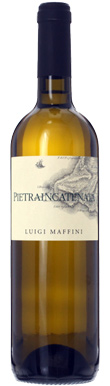

The greater balance of the 2019 vintage returns a wine on the edge of warmth but full of layers. This Fiano comes from Giungano vineyard...
2019
Luigi MaffiniCilento

Pietracupa, Cupo Fiano, Campania, Italy, 2018
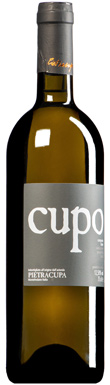
Talented Sabino Loffredo's wines are identified by a sleek mineral tanginess. This 2018 vintage of his selection 'Cupo' from Montefredane is intense and smoky with...
2018
Pietracupa
Marisa Cuomo, Fiorduva, Costa d'Amalfi, Campania, Italy, 2019
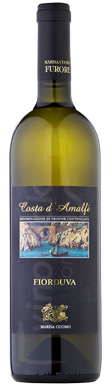
If the quality of the estate's Costa d'Amalfi Furore red wine is quite surprising, we must admit that its white Fiorduva is always a consistent...
2019
Marisa CuomoCosta d'Amalfi
Ettore Sammarco, Selva delle Monache, Costa d'Amalfi, Campania, Italy, 2020
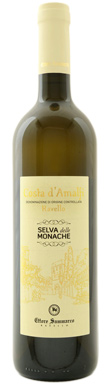
Selva delle Monache is astonishing in the great 2020 vintage. The blend of Biancolella, almost unique Biancazita (Ginestra) and Falanghina is able to reach remarkable...
2020
Ettore SammarcoCosta d'Amalfi
Feudi di San Gregorio, Pietracalda, Fiano di Avellino, Campania, Italy, 2020
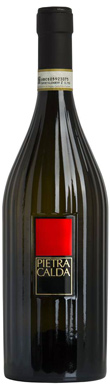
This Fiano is harvested in Sorbo Serpico from 15-year-old vines planted at 450 metres above sea level on a mainly clay soil. Smoky and chalky,...
2020
Feudi di San GregorioFiano di Avellino
Benito Ferrara, Vigna Cicogna, Greco di Tufo, Campania, Italy, 2020
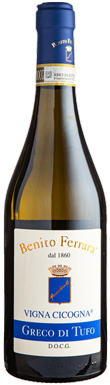
From vineyards up to 400 metres above sea level on the clay calcareous soil of Tufo village, this Greco is harvested from vines of 30...
2020
Benito FerraraGreco di Tufo
I Favati, Pietramara, Fiano di Avellino, Campania, Italy, 2020
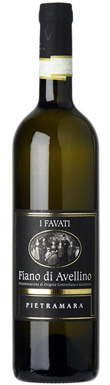
Lapio is considered one of the finest villages for Fiano di Avellino. I Favati harvested grapes also from Atripalda for this selection. It's a wine...
2020
I FavatiFiano di Avellino
Cantine del Mare, Falanghina, Campi Flegrei, Campania, Italy, 2019
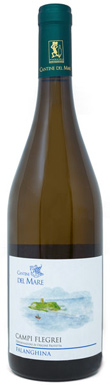
Despite Gennaro Schiano distinguishing himself for outstanding Piedirosso, his Falanghina 2019 is also delicious. Sourced from mostly old vines in Bacoli, Monte di Procida and...
2019
Cantine del MareCampi Flegrei
Feudi di San Gregorio, Feudi Studi Morandi, Fiano di Avellino, Campania, Italy, 2019

Morandi is the highest Fiano di Avellino of Feudi within the appellation. Intense on the nose, it displays wild fennel, saffron, candied lemon and smoky...
2019
Feudi di San GregorioFiano di Avellino
Agnanum, Falanghina, Campi Flegrei, Campania, Italy, 2019
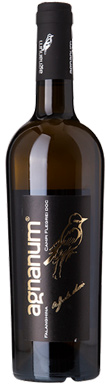
From the volcanic soil of Campi Flegrei arrives this lean yet perfumed Falanghina. Elderberry and whiffs of coriander and camomile are enriched by an apricot...
2019
AgnanumCampi Flegrei
Mustilli, Vigna Segreta, Falanghina del Sannio, Campania, Italy, 2019
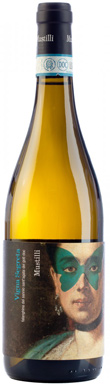
Focused this year on Falanghina-based wines, the Mustilli estate shines with this Vigna Segreta. The most representative winery of Sannio produced this wine with a...
2019
MustilliFalanghina del Sannio
Astroni, Vigna Astroni Falanghina, Campi Flegrei, Campania, Italy, 2019
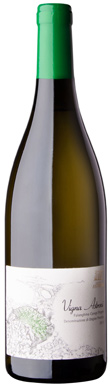
The Varchetta family manages 25 hectares in Campi Flegrei (13 owned and 12 rented). Vigna Astroni is the estate's greatest selection in stainless steel (there...
2019
AstroniCampi Flegrei
Sclavia, Calù, Terre del Volturno, Campania, Italy, 2020
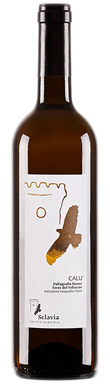
Sclavia winery lies in Marianello, at Liberi in the province of Caserta. Here, Pallagrello is planted at 500 metres above sea level, blended in this...
2020
SclaviaTerre del Volturno
Luigi Maffini, Kratos Fiano, Cilento, Campania, Italy, 2020
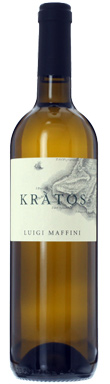
There is no volcanic soil in the vineyards of Luigi Maffini in Cilento but there is a great proportion of limestone. The grapes are harvested...
2020
Luigi MaffiniCilento
Casa Setaro, Aryete Caprettone, Vesuvio, Campania, Italy, 2019
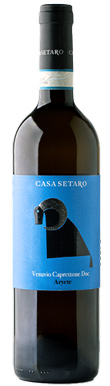
Caprettone is the flagship grape variety of Vesuvio, on a fully volcanic soil. The Aryete selection comes from 60-year-old vines and is vinified in amphora....
2019
Casa SetaroVesuvio
Montevetrano, Colli di Salerno, Campania, Italy, 2018
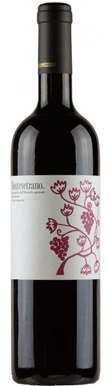
A well established brand using international grape varieties blended with Aglianico for a more approachable style. Crimson in the glass, it is subtle if not...
2018
MontevetranoColli di Salerno
Marisa Cuomo, Furore Rosso Riserva, Costa d'Amalfi, Campania, Italy, 2017
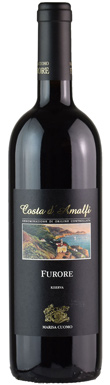
Andrea Ferraioli and Marisa Cuomo are passionate producers on the Amalfi Coast, growing ancient indigenous grape varieties on steep, rocky vineyards overlooking the sea. Celebrated...
2017
Marisa CuomoCosta d'Amalfi
Galardi, Terra di Lavoro, Campania, Italy, 2018
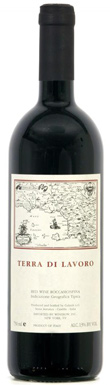
The northern pick of Campania, from a leading producer in Casertano and one of the most consistent red wines of the region. Based on 80%...
2018
Galardi
Feudi di San Gregorio, Taurasi, Campania, Italy, 2016
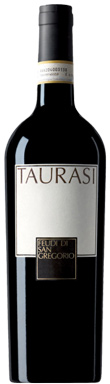
A very classic wine for Aglianico, Irpinia and Taurasi. Dense garnet in the glass with a restrained bouquet of geranium and dark rose, it develops...
2016
Feudi di San GregorioTaurasi
Villa Raiano, Taurasi, Campania, Italy, 2016
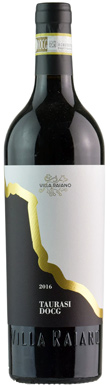
Castelfranci, one of the cooler areas of the Taurasi appellation, is emerging as a village to watch, especially in good vintages such as 2016. This...
2016
Villa RaianoTaurasi
Villa Matilde Avallone, Fusonero, Campania, Italy, 2016
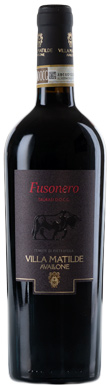
A very good Taurasi from the villages of Montemarano and Paternopoli within Irpinia. Aglianico here is sourced from old vines of between 36 and 53...
2016
Villa Matilde Avallone
Feudi di San Gregorio, Piano di Montevergine Riserva, Taurasi, Campania, Italy, 2015
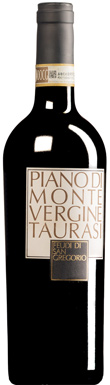
From Piano di Montevergine and Taurasi villages, this Riserva is harvested from relatively young vines of 15 to 20 years. Aged for 18 months in...
2015
Feudi di San GregorioTaurasi
Luigi Maffini, Cenito Aglianico, Cilento, Campania, Italy, 2018
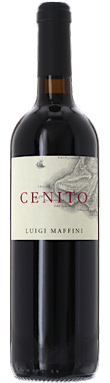
The iconic elegant style of Maffini doesn't disappoint here: the Aglianico is sourced from 25-year-old vines from Castellabate on clay and limestone soil with sand....
2018
Luigi MaffiniCilento
Sertura, Aglianico, Irpinia, Campania, Italy, 2019
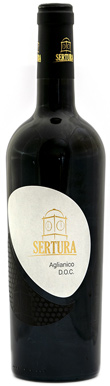
The production of Giancarlo Barbieri is so tiny but his wines are imported to the UK. He manages just 0.9 hectares in Montefalcione within the...
2019
SerturaIrpinia
Salvatore Molettieri, Renonno, Taurasi, Campania, Italy, 2015
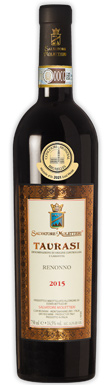
Salvatore Molettieri and his sons embody the genuine Irpinian style. Viticulturists first, they have also been winemakers since 1983. Today, despite the replanting of their...
2015
Salvatore MolettieriTaurasi
Agnanum, Piedirosso, Campi Flegrei, Campania, Italy, 2019
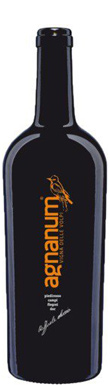
This is a good example of how easily Campi Flegrei can produce complexity. In the balanced 2019 vintage, Piedirosso from century-old vines on volcanic soils...
2019
AgnanumCampi Flegrei
Tenuta del Meriggio, Aglianico, Irpinia, Campania, Italy, 2016
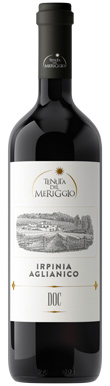
The quality of the 2016 vintage continues to shine. Here, Aglianico is fermented in a stainless steel tank then aged in big oak vessels. Ruby...
2016
Tenuta del MeriggioIrpinia
Cantine del Mare, Terra del Padre Piedirosso Riserva, Campi Flegrei, Campania, Italy, 2017
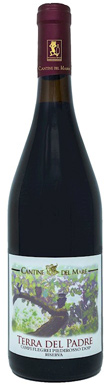
The must of Piedirosso from volcanically grown vines over a hundred years old is fermented in a stainless steel tank under controlled temperature then aged...
2017
Cantine del MareCampi Flegrei
Delite, Pentamerone, Taurasi, Campania, Italy, 2015
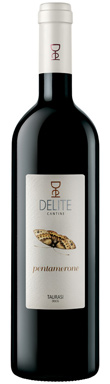
A boutique winery run with passion by Emanuele Coscia over six hectares, where he produces 10,000 bottles, 2,000 of which are this delicious Taurasi. Thyme...
2015
DeliteTaurasi
Marisa Cuomo, Ravello Rosso Riserva, Costa d'Amalfi, Campania, Italy, 2017
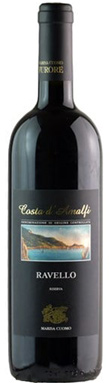
The main difference between Furore and Ravello red wines from Andrea Ferraioli is the blend, which leaves the 30% of Aglianico in favour of 70%...
2017
Marisa CuomoCosta d'Amalfi
