
Full-bodied rosés: proud to be pink
Darker-coloured, fuller-bodied rosé styles may have slipped out of the spotlight, but they offer a useful combination of summery style and versatility in pairing with foods. Here are 25 top seasonal pink (some almost red) choices to explore.


Pale pink Provence rosés seem to be everywhere, but 20 years ago the majority of rosés on sale were relatively dark and full-bodied, and many of them lacked freshness and finesse. The evolution of rosé led to the rise of lighter, more elegant wines, along with the idea that the paler the rosé, the better the wine. True or not, this has had the effect of reducing the popularity of darker rosés.
Scroll down to see tasting notes and scores for 25 full-bodied rosés
Producers of these styles often have a long history of fuller-bodied rosés, and are today often fighting against the tide of international trends. The fightback has resulted in renewed pride in these historic styles and brought fresher, more modern interpretations of these wines, which are worth looking out for, despite the pressure for ‘paler is better’.
Most darker rosés were originally made from juice ‘bled off’ (by the saignée method) from red wines as a by-product, which would result in wines that often lacked acidity and were slightly tannic. Typical regions where you’ll still find this approach today include northern Spain and its Garnacha-based rosados and, in central-eastern Italy, Cerasuolo d’Abruzzo rosato wines made with the Montepulciano variety.
However, producers are now choosing to make these wines separately from the red wines, harvesting earlier to maintain freshness and reducing the temperature during skin contact and maceration, so that their saignée method wines now have both full-bodied freshness and darker colour, but without the heavy, clumsy structure of old. In the New World, darker rosés are often produced in this fruitier style, but often lack the structure found in European wines.
Some varieties lend themselves to the fuller-bodied structure, often with darker fruit flavours, and these typically include Mourvèdre, Syrah, Cabernet Sauvignon, Sangiovese and Petit Verdot.
Time well spent
Another traditional style of winemaking which can result in full-bodied rosés in both pale and darker hues is the use of black and white grape varieties blended together. Depending on the vintage, the depth of colour in such styles can be determined by the relative proportions of black or white grapes used.
Today, a tendency for higher percentages of white grapes, such as Rolle or Macabeu, allows for greater extraction of fruit without leading to such a deep colour in the final wine.
Examples include the claretes of Cigales in northern Spain, the clairets of Bordeaux and German Schillerwein, as well as the rosés of Tavel and Provence.
These styles’ extended skin maceration, ranging from 12 hours to a week, means the wines can fall between full-bodied rosé and light red, accompanied by great ageing potential. Rosés made with paler grapes or with more white grapes in the blend can be deceptive, their pale colour hiding the fuller body coming from the extended maceration. Time spent in oak is another invisible factor that can contribute to weighty, paler rosés, although this is still more of an Old World style.
While some producers have abandoned traditional styles, and seen sales increase with modern paler wines, others have introduced the pale rosé style alongside their traditional darker wines. For some, the traditional dark wines are perceived as the wines drunk by the grandparents; for others they are seen as an act of defiance to the increasing dominance of pale rosé. Among natural wines, rosés are often darker, too, with many producers rejecting the ‘rosé’ term altogether and declaring their wines to be ‘pale reds’.
These fuller-bodied rosés are both more suited to being matched with a range of foods and less restricted to the summer season – and they usually find favour with a broader range of consumers’ wine preferences.
See tasting notes and scores for 25 full-bodied rosés
Related articles
- Best English rosés for the Queen’s Platinum Jubilee
- Walls: Tavel and its unexpected revolution
- Top rosé Champagne to try
Domaine d'Ansignan, Les Grenadines, Côtes Catalanes, Languedoc-Roussillon, France, 2021
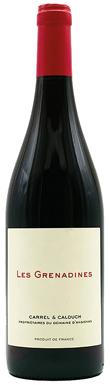

Roussillon négociant Jeff Carrel makes this wine at his own estate with a blend of local varieties – Carignan, Grenache, the white Macabeu, Syrah and...
2021
Domaine d'AnsignanCôtes Catalanes

Johannes Zillinger, Numen Rosé, Weinviertel, Weinviertel, Austria, 2020
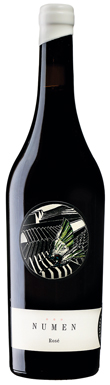
From old St Laurent vines planted in 1982, which produce good fruit even in poor vintages. Zillinger likes to stretch the potential of his rosé...
2020
Johannes ZillingerWeinviertel
Pierre Amadieu, Romane Machotte Rosé, Gigondas, Rhône, France, 2021
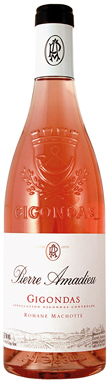
A combination of maceration and direct press are used to achieve a fresh wine with enough fruit to carry the oak, used for both fermentation...
2021
Pierre AmadieuGigondas
Domaine Maby, Libiamo, Tavel, Rhône, France, 2019
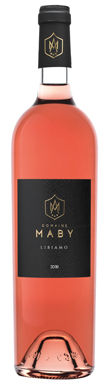
93
From grapes grown on the hotter galet roulé soils, the use of Cinsault and white Grenache keeps this wine at the paler end of the Tavel spectrum, while fermentation and ageing in barrel gives added weight – Maby aims for flavour rather than colour. A deep golden amber colour with delicate smoky chestnut aromas, the wine opens up to rich white chocolate, bitter orange and honeyed red fruits. It is powerful, complex, atypical, and rather gorgeous. The tannins are delicately integrated and sweet.
2019
Domaine MabyTavel
Rozès, Terras do Grifo Rosé, Douro, Douro Valley, Portugal, 2020
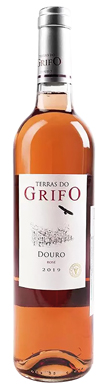
I hate to say this, Port lovers, but the Douro makes some stunning rosé! Medium-dark copper-pink with buttery, leesy, slightly oxidative aromas, results in a...
2020
RozèsDouro
Cume do Avia, Ni Rosado Ni Clarete Rosete, Ribeiro, Ribeiro, Spain, 2019
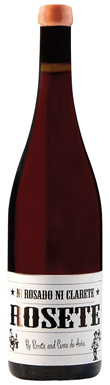
This Galician rosé from Spain’s northwest Atlantic coast is made with a blend of six local varieties Caiño Longo, Mencía, Carabuñeira, Merenzao, Brancellao and Treixadura....
2019
Cume do AviaRibeiro
Domaine de la Bégude, L’Irréductible, Bandol, Provence, France, 2020
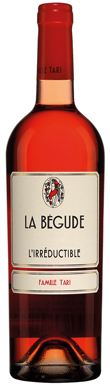
Guillaume Tari aims to give his two rosés maximum Mourvèdre expression, and while his estate wine has fresh youthful floral, fruity charm, L’Irréductible takes the...
2020
Domaine de la BégudeBandol
Mas Foulaquier, Pierre de Rosette, Gard, Languedoc-Roussillon, France, 2021
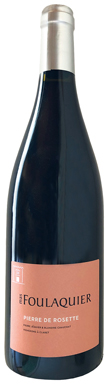
Always a brave move to make a rosé with Alicante Bouschet: a defiant move against the sea of pale. The colour is a pale red,...
2021
Mas FoulaquierGard
Cathar(tic) Wines, Fingers Crossed, Côtes Catalanes, Languedoc-Roussillon, France, 2020
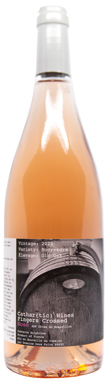
This wine, normally known as By Any Other Name, was given the name Fingers Crossed due to the strangeness of the year and the extra-long...
2020
Cathar(tic) WinesCôtes Catalanes
Contesa, Caparrone, Cerasuolo d'Abruzzo, Abruzzo, Italy, 2021
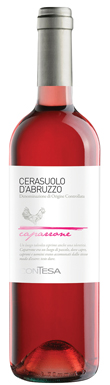
With a name like Cerasuolo, meaning cherry, it comes as no surprise that this wine is a bright cherry-pink colour and that cherries are a...
2021
ContesaCerasuolo d'Abruzzo
Domaine de la Rectorie, Côté Mer Rosé, Collioure, Languedoc-Roussillon, France, 2021
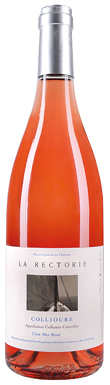
This wine is distinctly non-Provençal with its wonderfully bold Roussillon character. Copper pink. Delicately peach floral notes on the nose, the palate continues with an...
2021
Domaine de la RectorieCollioure
Bird In Hand, Rosé, South Australia, Australia, 2020
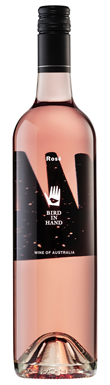
Proof, if needed, that colour does not always determine whether a rosé is fuller-bodied. This delicately pale Pinot Noir rosé has the fuller fruit you'd...
2020
Bird In Hand
Celler Alimara, Llumí Rosat, Terra Alta, Catalonia, Spain, 2020
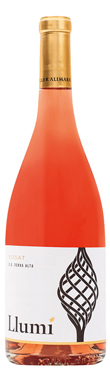
A prime example of how some of these more full-bodied rosés shine if served at 12°C rather than straight from the fridge, and are even...
2020
Celler AlimaraTerra Alta
Château Penin, Natur, Bordeaux Clairet, Bordeaux, France, 2020
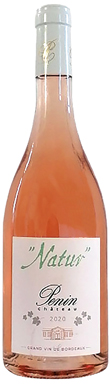
Harking back to the days when luncheon claret was the perfect wine for lunch, this clairet comes from deep-rooted traditional winemaking. A dark pink, it...
2020
Château PeninBordeaux Clairet
Cramele Recas, Solo Quinta Roze, Romania, Romania, 2021
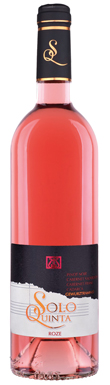
Despite a rather eccentric blend of Romanian variety Feteasca Neagra with classic varieties Merlot, Cabernet Sauvignon and Pinot Noir plus Alicante Bouschet, this wine works...
2021
Cramele Recas
Señorío de Sarría, Viñedo No5 Rosado, Navarra, Navarra, Spain, 2021
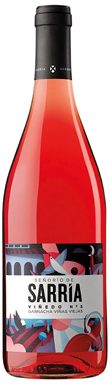
While most modern rosé producers chase the pale pink wines made by direct press, those of Navarra (like Tavel) rely on maceration to extract weighty...
2021
Señorío de SarríaNavarra
Trimboli, Pink Duck, New South Wales, Australia, 2021
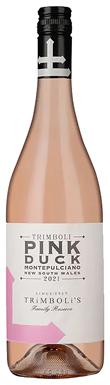
This could be a rosé that divides opinions, but love it or hate it, it has some intriguing character which I loved. Not as full-bodied...
2021
Trimboli
Vignerons Catalans, Trémoine de Rasiguères, Côtes du Roussillon, Languedoc-Roussillon, France, 2020
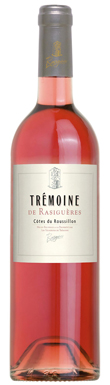
Copper red-pink. This rosé is all about juicy dark cherries and silky-smooth velvet acidity. Soft and supple with almost jammy weightiness, the acidity, while not...
2020
Vignerons CatalansCôtes du Roussillon
Villa Calicantus, Chiar'otto Chiaretto, Bardolino, Classico, Veneto, Italy, 2019
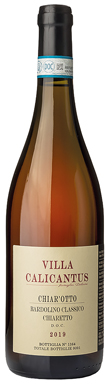
Made with the classic Bardolino grapes, this is one of the rare Chiarettos that has not followed the very pale pink path. A pure expression...
2019
Villa CalicantusBardolino
Domaine des Trinités, Le Pioch Rosé, Faugères, Languedoc-Roussillon, France, 2019
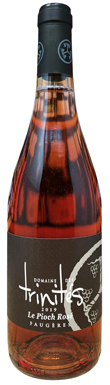
Made by Englishman Simon Coulshaw, this wine is either old fashioned or avant garde. Made using the thoroughly unfashionable saignée method, bleeding the juice off...
2019
Domaine des TrinitésFaugères
Charles Melton, Rose of Virginia, Barossa Valley, Barossa Valley, South Australia, Australia, 2021
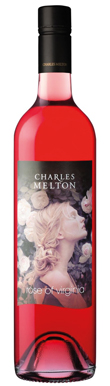
Charles Melton is well known for his flamboyant wine styles, and this is no exception. Confidently dark pink, almost a red, this wine is opulently...
2021
Charles MeltonBarossa Valley
Nelson Family Vineyards, Rosé, Paarl, South Africa, 2021
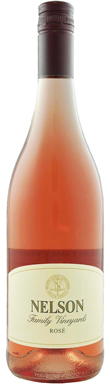
There are not many rosés made from Petit Verdot (85%, with Syrah), which unfashionably gives more colour than is fashionable, but it is a variety...
2021
Nelson Family Vineyards
Viña Nava, Garnacha Rosé, Navarra, Navarra, Spain, 2020
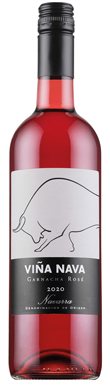
One of the joys of this style of wine is that it is exactly that – joyous. What it may lack in sophisticated elegance, this...
2020
Viña NavaNavarra
Domaine la Soumade, Hors d'Age Rasteau Vin Doux Naturel, Rasteau, Rhône, France, 2014
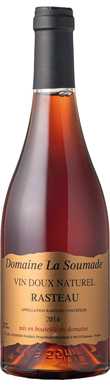
It is easy to forget that many of the vin doux naturel wines of Rasteau are actually at their base made as a rosé wine...
2014
Domaine la SoumadeRasteau
