
Galician red wines: 20 top picks worth seeking out
Best known for its crisply fruity white wines, Galicia is also the source of fresh Atlantic reds that are ideal for fans of lighter styles. Here we introduce the sub-regions and producers you need to know, and recommendations for top bottles to try.


Galicia is famous for its white wines: pure, elegant, lees-aged, unoaked or only lightly so. The leader of the charge has been the Rías Baixas DO – and its Albariño grape in particular – followed by Ribeiro, and the Godellos of Valdeorras. Producers from Rioja and Ribera del Duero looking for a white companion to their reds find Galicia a happy hunting ground.
Scroll down to see tasting notes and scores for 20 top Galician red wines
Albariño still accounts for 96% of Rías Baixas’ output. In Valdeorras, red Mencía is now almost neck and neck with Godello in production terms. It’s in Ribeira Sacra that red dominates. Galicia always had red vines.
However, they had been widely ignored in the recent stampede to feed the world’s appetite for the region’s whites. Fortunately, things are changing.
There’s a glorious portfolio of reds to discover. What unites them is a very distinct Atlantic acidity.
It won’t be to everyone’s taste. But if you enjoy the wines of the Loire, or crunchy northern Italian reds, or fine Greek Xinomavro, then take a look. Expertise in managing the vineyards is developing rapidly. As we learn to live with increasingly hot summers, these crisply refreshing reds with their lower alcohols are a treat.
Above all, they are originals. Here’s a chance to try Espadeiro, Caíño Tinto, Caíño Longo and Merenzao. The latter, also known in the Iberian peninsula as María Ordoña and Bastardo, is one variety that has travelled – as Jura’s Trousseau.
Many of the wines are pale in colour, but that does not mean they are lacking in flavour. Far from it, in fact. What’s more, the joy of these reds is that they are not masked by new oak. Clearly, that’s partly for financial reasons [time spent in oak barrels increases production costs]. But it’s also explained by producers not wanting to interfere with the subtlety of the wines.
Simply reds
With this top 20 selection of wines, I looked to represent every DO, producers who prefer not to belong to a DO, and a range of key people. Where to begin the tasting journey? Roberto Durán, twice voted Spain’s top sommelier – and senior sommelier at London’s 67 Pall Mall wine club – is in no doubt: Monterrei.
This is Galicia’s most southerly DO, the least known and least highly rated. Red wines count for less than half of production, but the best are exceptional. Mencía dominates (more than 80%). Other red varieties recognised include Merenzao, Araúxa (Tempranillo), Caíño Tinto and Sousón (the Vinhão of Portugal, just over the border).
To start, let’s consider José Luis Mateo at Quinta da Muradella. Here, as elsewhere among Galicia’s reds, the wines are as much about the people who make them as about the grape or the soil. Mateo’s wines are an ideal introduction.
Moving north, the precipitous vineyards of Ribeira Sacra, the essence of heroic viticulture, shelter a wide range of varieties, including Brancellao, Caíños Longo and Bravo, Mouratón, Tempranillo, Gran Negro and Garnacha. ‘Garnacha’ in this region may also mean Garnacha Tintorera or Alicante Bouschet, traditionally prized as a ‘teinturier’ for the way it lends deep colour to wines.
Ribeira Sacra is the only DO in Galicia where red prevails (more than three-quarters of production). Viticulture has improved greatly in the last 20 years. So too has packaging – a sign that producers now have an eye to export.
A century of phylloxera, depression, civil war and dictatorship took its toll across Spain, and revival was slow. In Ribeira Sacra, Fernando Algueira was one of the pioneers recuperating the steep terraces and ancient varieties. His son Fabio has now joined the business, and their single varieties are a good place to start exploring the potential of the region.
The most continental of the Galician DOs is Valdeorras. Though renowned for its Godello, the proportion of reds (and particularly Mencía) is catching up. In Ribeiro, reds form about 15% of the output, which is why it’s so exciting to have a new red in this tasting from the master of whites: Emilio Rojo. In Rías Baixas, meanwhile, whites didn’t always prevail. Eulogio Pomares and Rodri Méndez are among those leading the revival.
Hovering over a number of these elegant wines in Galicia is the benign influence of Raúl Pérez (from Bierzo by birth), who has guided them in the search for individuality. Many of these are gastronomic wines – when matched with food, their crispness cuts through cheffy richness. However, the restaurant closures of the past 18 months due to Covid-19 have affected availability of these wines, and that’s why many of the suppliers listed are importers.
Some specialist restaurants are importing wine directly, notably Ultracomida and L’Oculto. I have my eye on the latter’s adorably named Enthusiasmus: ‘A blend of Sousón, Caíño, Garnacha, Brancellao, Pedralonga, Espadeiro. Fermented together in chestnut barrels, then aged in Galician oak barrels. Must serve chilled.’
Not for everyone, perhaps. But for an enthusiast like me? I can’t wait.
Discover Galician red wines: Sarah Jane Evans MW’s top 20
You may also like
Galicia: Beyond Albariño
High Street Spain: great choices under £20
Telmo Rodriguez, Falcoeira A Capilla, Gran Viñedo de Galicia, Valdeorras, Galicia, Spain, 2018
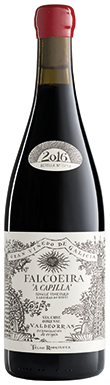

You would want to pick up the single-vineyard wines in Telmo Rodriguez’s series from Valdeorras just for their delightful labels. Of the three I tasted,...
2018
Telmo RodriguezValdeorras

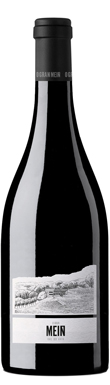
Viña Meín - Emilio Rojo, O Gran Meín, Ribeiro, Galicia, Spain, 2019
95
Emilio Rojo's Ribeiro white is outstanding, so it's a pleasure to discover there's now a red wine under the new ownership. It's planted on the decayed granite southwest-facing slope in the valley of the river Avia, and it's a delight, with aromas of dark plums, cranberry and mint. The wine flows elegantly across the palate with succulent damson fruit and a supple velvet texture. It finishes with a defining edge of tannin, and the keynote fine Ribeiro freshness. The wine is made in a mix of large vats and stainless steel, and aged for nine months.
2019
Viña Meín - Emilio RojoRibeiro
Zarate, Caiño Tinto, Rías Baixas, Galicia, Spain, 2019
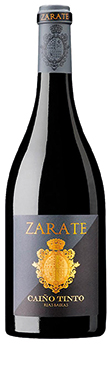
What there is of Caiño Tinto disappears into blends. Eulogio Pomares is doing a great service to Rías Baixas and its viticultural history with this...
2019
ZarateRías Baixas
Viticultores Galegos y Envīnate, Lousas, Viñas de Aldea, Galicia, Spain, 2019
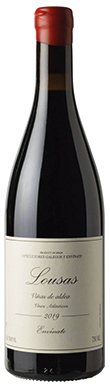
The quartet of friends who make up Envínate work across Spain. This is their Galician village wine, and shows a deep understanding of their soils....
2019
Viticultores Galegos y Envīnate
Bodegas Rectoral de Amandi, Matilda Nieves, Ribeira Sacra, Galicia, Spain, 2020
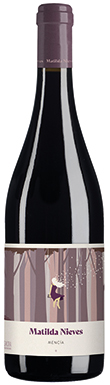
95
A deserving DWWA Best in Show winner in 2021 for its generous, joyous fruit and its excellent value. Unoaked, with bramble and damson fruits, and a savoury, stony edge; the bright acidity makes it intensely refreshing.
2020
Bodegas Rectoral de AmandiRibeira Sacra
Dominio do Bibei, Lalama, Ribeira Sacra, Galicia, Spain, 2017
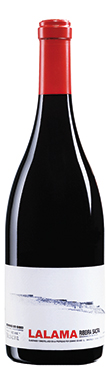
94
Which to choose? Dominio do Bibei’s Lacima with its sumptuous dark cherry preserve (93pts in my book) or Lalama? Lalama it is, grown on north-facing vineyards on schist and granite. It’s perfumed with an explosive palate, lovely freshness and refined oak. Javier Domínguez has been a leader in this region of heroic viticulture, aided by expert advice from Raúl Pérez, as well as Sarah Pérez (no relation) and René Barbier. Practising organically and biodynamically.
2017
Dominio do BibeiRibeira Sacra
Zarate, Espadeiro, Rías Baixas, Galicia, Spain, 2019
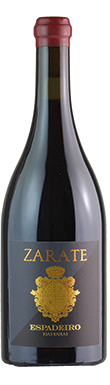
The lovely Zárate estate is in the heart of Rías Baixas in the Salnés Valley. Eulogio Pomares is the seventh generation in charge of the...
2019
ZarateRías Baixas
Vinos do Macizo Ourensan Peixes, Camándula, Galicia, Spain, 2018
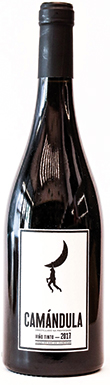
A young project (this is only the third vintage) from two members of the Fedellos do Couto. The vineyards are on either side of the...
2018
Vinos do Macizo Ourensan Peixes
Forjas del Salnes, Goliardo Tintos de Mar, Rías Baixas, Galicia, Spain, 2019
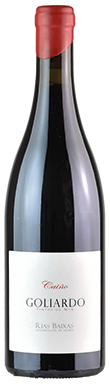
There's an almost Wagnerian air to the name of the winery. The Forjas were ironworks belonging to Rodrigo Méndez's grandfather. Méndez launched the project in...
2019
Forjas del SalnesRías Baixas
Algueira, Merenzao Risco, Ribeira Sacra, Galicia, Spain, 2017
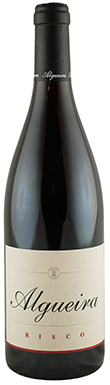
Algueira is a treasure trove of local varieties, well worth the detour. Wines of real delicacy, grown on Ribeira Sacra's heroic slopes, following biodynamic principles....
2017
AlgueiraRibeira Sacra
Raúl Pérez Castro Candaz, A Boca do Demo, Ribeira Sacra, Galicia, Spain, 2018
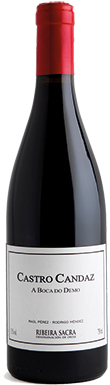
Raúl Pérez has been a generous adviser to quite a few producers behind the scenes. Here is a terrific chance to taste a wine to...
2018
Raúl Pérez Castro CandazRibeira Sacra
Fedellos do Couto, As Xaras, Galicia, Spain, 2019
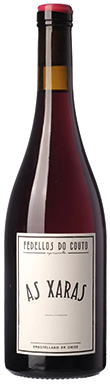
These Fedellos (‘fellows’) are working in the area of Ribeira Sacra. Like several others in Galicia, they don’t declare this: a mix of difficulties with...
2019
Fedellos do Couto
Finca Millara, Cuesta de los Olivos, Ribeira Sacra, Galicia, Spain, 2018
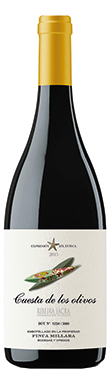
93
Grown on terraces overlooking the river Miño, the vines for this wine are part of a project launched in 2000 to recuperate abandoned parcels. The consultant is Raúl Pérez, which perhaps accounts for the clarity of the style. Offers the essence of youthful Mencía, with crunchy fruits and an earthy texture.
2018
Finca MillaraRibeira Sacra
Bodegas Fulcro, Aliaxe, Galicia, Spain, 2017
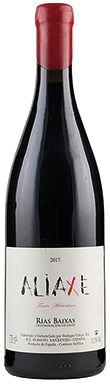
‘Chicho’ Mendes makes his wines in his garage, close to some of Rías Baixas' most expensive resorts. The sunseekers there ignore these wines at their...
2017
Bodegas Fulcro
Coto de Gomariz, The Flower and the Bee, Ribeiro, Galicia, Spain, 2019
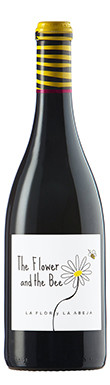
91
The youthful, inky colour promises a lively youngster in the glass. So it proves: arriving with punchy acidity, while fleshy mulberry fruit follows through. A fine stoney, mineral finish. Youthful, rustic energy. From one of Ribeiro’s larger producers, with the lively Xose Lois Sebio (see www.xlsebio.es) as winemaker. Good value.
2019
Coto de GomarizRibeiro
Quinta da Muradella, Candea, Monterrei, Galicia, Spain, 2016
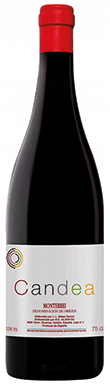
91
A fine opportunity to taste the wine of José Luis Mateo, one of Galicia’s top viticulturists. He’s not as famous as he should be – seek out the full range of his wines at Quinta da Muradella. Candea is great value and gives a real flavour of Galicia’s most southerly DO. It’s a juicy, flavoursome, likeable blend. Perhaps a little rough and ready, but nevertheless enjoyable for all that.
2016
Quinta da MuradellaMonterrei
Noelia Bebelia, Preguiceiro, Rías Baixas, Galicia, Spain, 2018
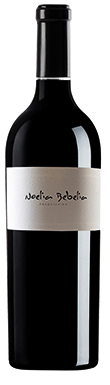
An Atlantic red, from the tiny Rías Baixas sub-zone of Soutomaior. Red wines hardly figure on the DO's production, so this is a rare opportunity...
2018
Noelia BebeliaRías Baixas
Virgen del Galir, Maruxa Mencía, Valdeorras, Galicia, Spain, 2019
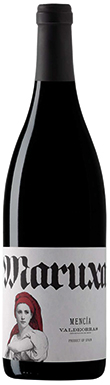
90
Named after the founder's mother. The bodegas is now owned by Riojan house CVNE. The Mencía vines are grown in terraces on clay and decomposed schist. Unoaked, the wine has a pure cherry character, with punchy freshness, and an edge of wild herbs. Clear notes of spice and pepper on the finish.
2019
Virgen del GalirValdeorras
Manuel Guerra Justo, Via Arxentea, Monterrei, Galicia, Spain, 2020
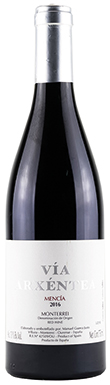
90
From a small bodega in Galicia's most southerly DO, this energetic Mencía displays bright, crunchy fruits, mild tannin and a fine grip on the finish. Long persistent flavours. The Via Arxentea, after which the wine is named, runs close to the bodega and was a Roman road – then, later, a pilgrim route up from the South.
2020
Manuel Guerra JustoMonterrei
Viña Costeira, XVIII, Valdeorras, Galicia, Spain, 2018
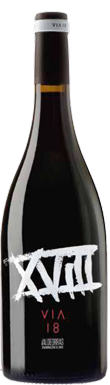
90
A good chance to taste Garnacha Tintorera (Alicante Bouchet). As expected for this popular blending variety, it offers plenty of dark colour, and full body with supple tannins. It's plump and juicy with a brambly crispness. The brand name refers to the Via XVIII that linked the outposts of Galicia to the Roman Empire, while the DO (Valdeorras) takes its name from Latin 'Valley of Gold'.
2018
Viña CosteiraValdeorras
