
La dolce vita Down Under: 10 Australian wines made with Italian varieties
Why a range of Italian grape varieties are flourishing in the soils of Australia, and what the future holds for them.


How long is a piece of string?’ quips Michael Dal Zotto of Dal Zotto Wines in Victoria’s King Valley wine region – a pithy yet fitting response to a big question: What’s the next big thing for Italian varieties in Australia? ‘I have a personal preference for Pinot Bianco,’ he adds, ‘but Fiano and Montepulciano are definitely appealing to the consumers we show them to.’
These are just a few of the Italian varieties flourishing in Australian vineyards – and ultimately in Australian wine glasses. To many outside the country, however, this evolution might come as a surprise.
Scroll down to see notes and scores of 10 Italian varietal wines shining in Australia
The global perception of Australian wine still often defaults to two extremes: inexpensive, fruity bulk wine and bold, premium Barossa Shiraz. And while these styles are undeniably significant within the context of Australian wine’s journey, they simply don’t reflect the full spectrum of the country’s ever-evolving wine landscape.
Today, Italian varieties flow through the veins of Australian wine, having found an eminently comfortable home while exemplifying the country’s growing diversity and adaptability.
But this shift didn’t happen overnight. Italian varieties have only gained serious traction in Australia over the last three decades – following more than 170 years of dominance by French grapes.
Over its rich vinous history, Australia has finely tuned iconic French varieties such as Pinot Noir, Cabernet Sauvignon, Syrah (Shiraz) and Chardonnay, often rivalling the best from their Old World counterparts (much to the chagrin of the French).
Yet, this historical focus on French grapes belies the significant cultural influence of Italian immigrants on Australian life.
La dolce vita

Italians were among Australia’s earliest European immigrants, arriving in waves during the 1850s gold rush era and again after World War II as part of government programmes such as the ‘Populate or Perish’ initiative.
Having introduced the hedonistic notion of la dolce vita into the Australian psyche, their culinary contributions – from espresso and pasta to pizza and prosciutto – are now deeply embedded in Australian daily life to the point of ubiquity.
Over the past 30 years, Italian grape varieties have joined this legacy, bringing a youthful, exploratory spirit to the Australian wine scene.
‘So far, the rise of Italian varieties has added to the allure of wine,’ says Kathleen Quealy of Quealy Wines (pictured, above), also in Victoria, and a pioneer of Pinot Grigio in Australia.
‘The fun and accessibility of Prosecco, the understated style and pleasure of a premium Pinot Grigio, a fresh Fiano, the power and natural acidity of Sangiovese.’ These wines offer consumers a break from the usual suspects, catering to a wider range of preferences.
Victoria’s King Valley region is considered the home of Italian wine styles in Australia. Italian immigrants initially farmed tobacco and hops in the area, before declining demand and the introduction of government regulations restricting the cultivation and sale of tobacco in the 1970s and ’80s forced them to pivot toward grape-growing.
Inspired by the success of regional leader Brown Brothers, these producers began to plant Italian varieties, in the process reconnecting with their heritage.
Now, pioneering families such as Dal Zotto, Pizzini, Politini, Sam Miranda and Cavedon have established the region as a hub for high-quality wines made with Italian grapes.
One of its key offerings is Prosecco (a synonym for northern Italy’s Glera grape, permitted as a grape name within Australia), with various brands experiencing considerable success, in keeping with the enormous global growth of Italy’s sparkling Prosecco category.
Home from home

Australia’s varied climate replicates the similarly wide-ranging climate of Italy, thus accommodating any and all Italian varieties. Fiano and Aglianico, for example, thrive in warm, coastal regions reminiscent of their southern Italian origins. McLaren Vale in South Australia is a prime example, now with more than two decades of experience cultivating Italian varieties.
‘I think it has, at the very least, brought us white varieties that fit our climate so much better,’ says Corrina Wright of Oliver’s Taranga in McLaren Vale (pictured, above). ‘Drought tolerant, high natural acidity, thick skins, disease tolerant, later ripening – especially Fiano. It has also widened our smorgasbord of red varieties – with Aglianico, Nero d’Avola and Montepulciano leading the way.’
In fact, according to a 2023 article published online by the McLaren Vale Grape Wine & Tourism Association, Fiano is McLaren Vale’s third-most planted white grape variety. ‘Not only do Fiano wines work climatically, holding their acid, but they suit our coastal foodie lifestyle so well,’ continues Wright. ‘Plus, stylistically they can go from super-tight sparkling wines all the way through to uber-textural expressions of deliciousness.’
And it’s more widespread than that. Other South Australian regions, such as the Adelaide Hills, Riverland, Clare Valley and Barossa Valley, have all taken up a multitude of Italian varieties.
Victoria’s Heathcote region has had considerable success with Sangiovese, and Beechworth is making a name for its high-quality Nebbiolo wines.
Make no mistake, however, this growth category is by no means limited to the iconic grapes. From Falanghina to Moscato Giallo, Refosco to Piedirosso – Australia doesn’t shy away from the obscure, and the varieties now considered ‘mainstream’ were foreign fruits not so long ago.
Sowing the seeds

The Chalmers family has played a pivotal role in this transformation. Over the past 30 years, they have not only refined their own warm-climate viticulture and winemaking in the Heathcote and Murray Darling regions, but have also led the charge in importing Italian clones into Australia.
Thanks to their efforts, varieties such as Fiano, Vermentino and Nero d’Avola have flourished, and for the right reasons.
‘At Chalmers, we try to not be a part of trends, and steer away from them where possible,’ says Tennille Chalmers (pictured, above), second generation and part-owner of the family business.
‘We keep our focus on the grape-growing, then making wines and wine styles that scream of who we are, what we believe in, and wine that speaks of that variety, personality and the flavour from the place in which it’s grown.’
A most admirable aspect of the Chalmers’ ambition is their consideration of the greater good rather than it being a solely self-serving pursuit. ‘We love seeing Italian varieties in Australia find their new homes where growers, winemakers and wine lovers embrace them because of their suitability to those newfound sites.’
The Chalmers family was also involved in founding one of Australia’s most important wine shows, the Australian Alternative Varieties Wine Show, which is held each year in the city of Mildura.
In 1999, Bruce Chalmers, well-known local chef Stefano de Pieri and viticulturist in the Chalmers’ nursery Dr Rod Bonfiglioli initiated the Sangiovese Awards, which morphed into the Australian Italian Wine Show in 2000, before landing on its current name the following year.
Along with providing important feedback to producers working with alternative varieties, the show has been critical in shining a light on alternative varieties as a category within Australian wine, with Italian varieties chief among them.
Italian ‘wow factor’

Mark Walpole of Beechworth-based Fighting Gully Road has been another huge proponent of Italian varieties in Australia. His work in developing Sangiovese has been critical to the grape’s local rise, having imported various clones far superior to those previously planted, ultimately resulting in much higher-quality expressions.
Today, he makes benchmark examples but also excels with other alternative grapes. Recently, his 2023 Verdicchio (see recommendations, below) won a slew of awards at the North East Victorian Wine Challenge, including Wine of Show.
‘It’s interesting to consider “alternatives” from France,’ says Walpole. ‘Picquepoul, Grenache Blanc and the like are getting a bit of an airing at the moment – but I’m yet to see a wine with a “wow” factor. Italian varieties seem to be able to deliver that.’
As for the future, Quealy sees a bright one: ‘The best of Italian varieties awaits Australia,’ she says. ‘The importation of the array of genetic material necessary to begin the time-consuming journey of matching variety to regions really only began 25 years ago.’
How long is a piece of string? Hard to say. But one thing is certain: Italian varieties have added a vibrant new one to Australian wine’s bow.
See notes and scores of 10 wines made with Italian grapes shining in Australia
Related articles
- Rhône inspiration: South Australia’s take on bold reds
- Australian Grenache: Panel tasting results
- Best of Oz: Top scoring Australian whites</h3
Fighting Gully Road, Verdicchio, Beechworth, Victoria, Australia, 2023
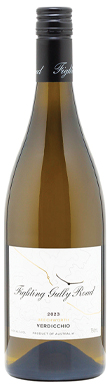

Delicate aromas of citrus blossom, sea spray, yellow apple and pastry dough set the scene before an unfurling of almond, further lees notes of sourdough,...
2023
Fighting Gully RoadBeechworth

Oliver's Taranga, Fiano, McLaren Vale, South Australia, Australia, 2024
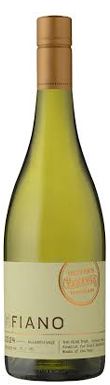
Locally referred to as ‘The Queen of Fiano’, Corrina Wright knows her way around this grape variety, and it shows here. Gentle aromas of pineapple...
2024
Oliver's TarangaMcLaren Vale
Pizzini, Verduzzo, King Valley, Victoria, Australia, 2024
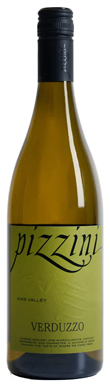
Spiced pear and white peach lead the aromas, followed by woody spice, subtle toast, quince jelly, lemon thyme and a flicker of green almond. The...
2024
PizziniKing Valley
Chalmers, Falanghina, Heathcote, Victoria, Australia, 2023

Lifted notes of powdery yellow apple, Nashi pear, quince, lemon peel and apple blossom with a glimmer of almond beneath. The palate follows suit in...
2023
ChalmersHeathcote
Brash Higgins, ZBO Zibibbo, Riverland, South Australia, Australia, 2022
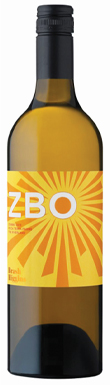
Produced in amphorae with 150 days of skin contact, resulting in its cloudy pale yellow colour with a copper hue. Manuka honey, Turkish delight, gingerbread...
2022
Brash HigginsRiverland
Quealy, Moscato Giallo, Mornington Peninsula, Victoria, Australia, 2022
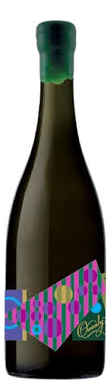
Medium-gold colour. Sweet and lifted aromas of Turkish delight, rosewater and yuzu citrus quickly descend into deeper notes of ground ginger and salted honey. The...
2022
QuealyMornington Peninsula
Luke Lambert, Nebbiolo, Yarra Valley, Victoria, Australia, 2022
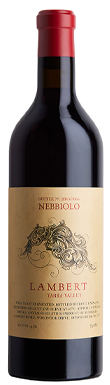
Benchmark Australian Nebbiolo. Dark cherry, raspberry and tangerine lead the aromas before an unfurling of red rose, gentle fennel seed, subtle dried cherry and, with...
2022
Luke LambertYarra Valley
Traviarti, Black Springs Nebbiolo, Beechworth, Victoria, Australia, 2023
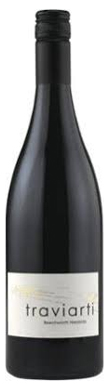
Ripe dark cherry, dark florals and raspberry lead an invitingly aromatic opening, with woodsmoke and earthy paperbark beneath. A swirl of the glass unlocks a...
2023
TraviartiBeechworth
Longview, Jupiter Barbera, Adelaide Hills, South Australia, Australia, 2021
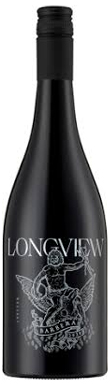
Oak-derived notes of vanilla bean and cedar meld with brooding dark plum, dried violet, ripe raspberry, black tea and liquorice in a heady and open-knit...
2021
LongviewAdelaide Hills
Pizzini, Nonna Gisella Sangiovese, King Valley, Victoria, Australia, 2023
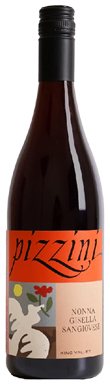
Dark cherry, nutmeg, subtle smoke and blood plum lift from the glass in a soft and attractive aromatic opening. A swirl of the glass unlocks...
2023
PizziniKing Valley
