
Long Island, New York: regional profile
New York's Long Island AVA is now approaching its 50th anniversary. Charles Curtis MW provides an overview of the region, picks out the producers to know and recommends 14 top wines to buy.

Many consider F Scott Fitzgerald’s The Great Gatsby a candidate for ‘The Great American Novel’. This Jazz Age story, set on New York state’s Long Island, is a cautionary tale of the hubris of wealth. Some have wondered if the wines here were yet another misadventure of the Long Island ruling elite.
Recent results, however, demonstrate that this region has been able to overcome obstacles to produce unique and delicious wines. The upcoming 50th anniversary of the region begs a re-examination.
Scroll down for tasting notes and scores of 14 Long Island wines worth seeking out
Forks in the road
The Long Island wine region became an American Viticultural Area (AVA) in 1985 but its origin dates back to the 1973 founding of Hargrave Vineyards. The first striking fact of the region is its maritime climate: it is entirely surrounded by water.
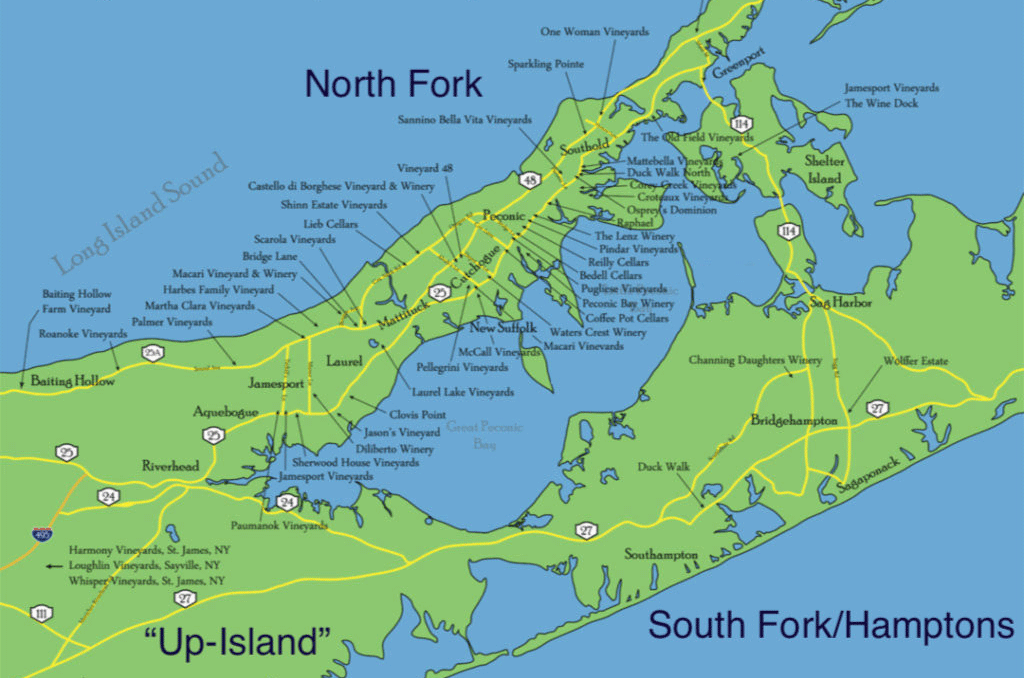
Long Island splits into two forks at the town of Riverhead. The Long Island Sound is along the northern edge of the North Fork, the Atlantic Ocean borders the South Fork, and between the two is the Great Peconic Bay.
Most of the grapes (and wineries) on Long Island are on the North Fork, although The Hamptons AVA on the South Fork was the first established. On either fork, the sea seems ever-present and exerts its moderating effect on the climate, which would otherwise be very cool for growing grapes. During a recent visit, half a metre of snow blanketed the vineyards – harsh winters and warm, sometimes humid summers can be a feature of the climate. The best vineyard sites are on well-drained, sandy soils.
Soils
These sandy soils and maritime climate led early winemakers to make comparisons with Bordeaux. There are, however, significant anomalies. New York is much colder in the winter, and the structure of the soils is very different. The Médoc has deep gravel beds interspersed with lenses of limestone and clay, while Long Island soils are much more recent, formed during the last glacial period, about 11,000 years ago.
Long Island is known in geological terms as a terminal moraine – a pile-up of silt, sand and gravel where the last glacier stopped. It lacks the elements of clay and limestone found in Bordeaux. Many of the soils right along the Long Island Sound may be too well drained for viticulture. Slightly further inland, the soils have more loam and are known as Haven Series soils. These hold more water, and grapevines and other crops thrive here. Soils are relatively homogeneous; the climate is cooler as one moves east from Riverhead. The soils on the South Fork (known as Bridgehampton loam) are more fertile, and parts here are perhaps too rich – better suited to the original crop that dominated Long Island: potatoes.
Early days
Pioneers of Long Island viticulture emulated several models, including Bordeaux, which they believed resembled their terroir. They were also taken with the wines of California, which dominated the market in the early years of the US wine industry’s development. The chief obstacle in Long Island is that, despite the tempering influence of the ocean, it is challenging to ripen Bordeaux grape varieties fully here, and there is virtually no way to make the robust, full-bodied styles of wine that come so easily to California.
Early attempts at emulation were doomed from the beginning. When I arrived in New York in the mid 1990s, there was still a fair amount of oaky Chardonnay and over-extracted Merlot being made. However, as with many fledgling wine regions, producers have since played to a captive audience and sales were made chiefly at the cellar door. Production remained small, and winemakers had little incentive to expand their horizons or rethink their assumptions.
To fill the demand at the cellar door, wineries on Long Island planted a wide variety of grapes in an effort to be all things to all people. Wölffer Estate winemaker and partner Roman Roth remarked that the diversity of Long Island is its greatest strength, but that it can also be both a blessing and a curse since the region lacks the strong identity that the Finger Lakes has established with Riesling. He also points out that the early plantings were sometimes made with less-than-optimal clonal material.

Long-term vision
Over time, however, the industry has continued to develop and evolve. In an encouraging cooperative effort, several winemakers and vineyard owners banded together in 2009 to create a sustainability certification. This was based upon the VineBalance programme developed by Cornell University and the New York Department of Agriculture. It is similar to the Oregon LIVE certification and is complete with third-party verification of the standard. The certification indicates that top Long Island growers are serious about quality and planning for the long term. They are not just interested in cellar door sales and hosting local weddings.
On the eve of its 50th anniversary as a wine region, a new generation of winemakers is coming to the fore and Long Island is now a hotbed of experimentation. Increasingly, producers are coming to terms with their heritage as a cool-climate wine-growing region and are increasingly confident in offering intriguing, subtle and characterful wines without feeling compelled to churn out oaky renditions of the classics of Bordeaux and Burgundy.
If these are any indication, the new generation of Long Island wines is definitely worth following.
Long Island at a glance
The Hamptons AVA Created 1985, covering the South Fork of Long Island
The North Fork of Long Island AVA Created 1986
Long Island AVA Created 2001 for grapes blended across both regions
Total wineries 82
Vineyard area about 1,000ha
Grape production more than 6,000 tons
Long Island: recent vintages
2021 A challenging year, with cooler-than-average temperatures that warmed up in June. Issues with humidity and rain from mid July resulted in dilute grapes and low sugar levels.
2020 Russell Hearn of Lieb Cellars says: ‘At the cooler end of normal. An above-average year for whites, but average for red.’ The season got off to a slow start but warmed up near the end.
2019 Top-quality year. A cool spring and moderate summer helped grapes retain freshness, while a spectacular September ripened fruit to perfection.
2018 A challenging year which began with a cool, wet spring. Summer was dry, but rain at the end of the growing season necessitated careful sorting.
2017 A good year. Warm, sunny conditions for most of summer followed a relatively slow start to the season, resulting in ripe grapes and little disease pressure.
2016 A good year. A cool spring led to hot, dry conditions later in the season, the fruit picked in October with near-optimal ripeness.
2015 The vintage ended well, with warmer August temperatures compensating for rain in June. Cool nights allowed the harvest to continue steadily through October.
Long Island: the names to know
Lieb Cellars (Cutchogue, North Fork)
Founded in 1992 by Mark Lieb, who had recently purchased a 5ha Pinot Blanc vineyard. With winemaker Russell Hearn, Lieb expanded the range and established the custom crush facility Premium Wine Group. Hearn and a group of investors bought Lieb Cellars in 2012 and diversified with the launch of Bridge Lane Wine. Lieb Cellars was certified sustainable in 2018.
Bedell Cellars & Corey Creek (Cutchogue, North Fork)
Bedell Cellars was founded by Kip Bedell, who planted his first vineyard in 1980. Although he sold to the Lynne family in 2000, his Cornell-trained winemaker Richard Olsen-Harbich has remained for more than 40 years. Olsen-Harbich authored the proposals for all three Long Island AVAs and was instrumental in creating the Long Island Sustainable Winegrowing certification. Initially known for its Merlot, his portfolio has diversified to a range of small-batch wines called Corey Creek, which includes an intriguing Melon B – the Muscadet grape.
Lenz Wine (Peconic, North Fork)
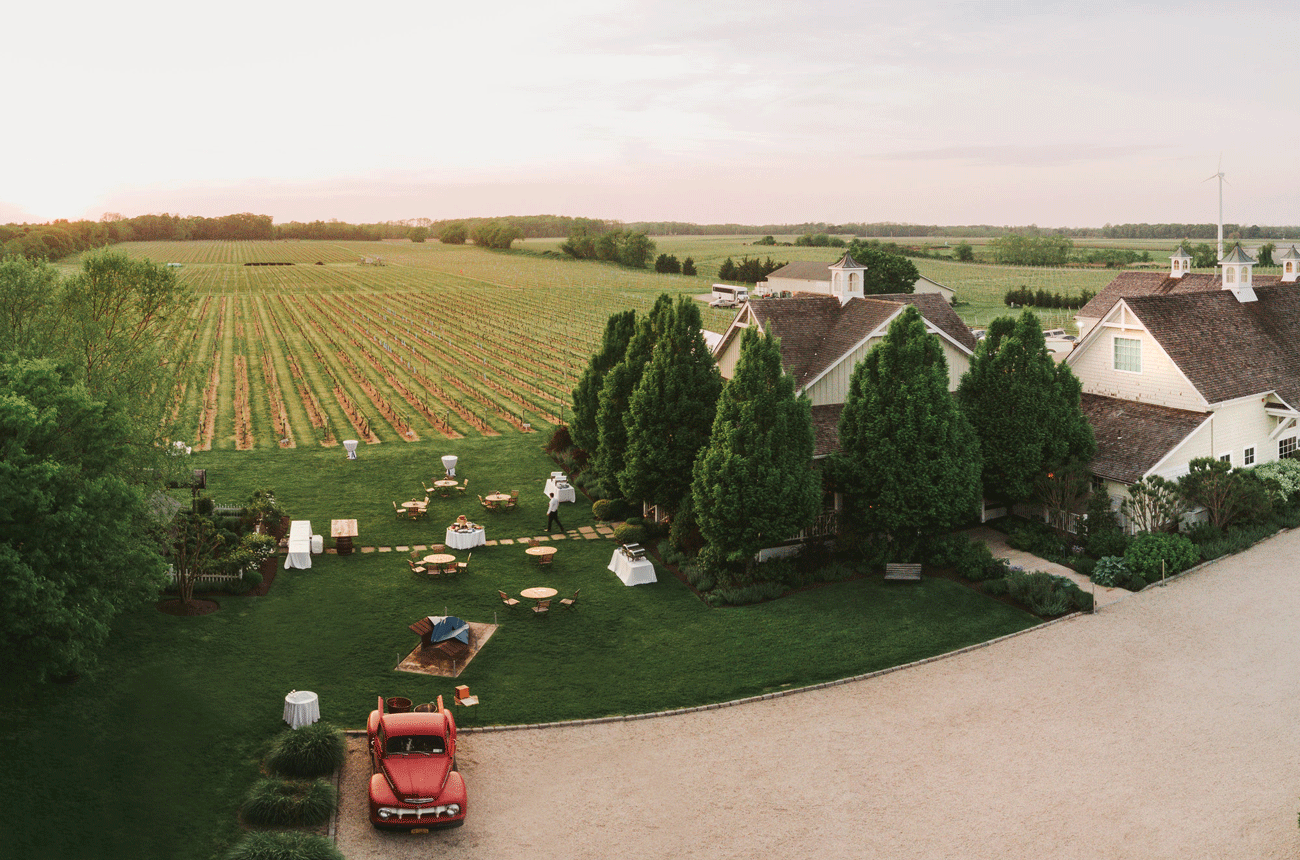
Founded by Peter Lenz in 1978, current owners Peter and Deborah Carroll purchased the winery in 1988. Some 30ha are under vine and Bordeaux varieties dominate, but they have expanded the range over the years. The winery has long been known for its Merlot, making three selections to ensure the quality of the top Old Vines cuvée.
Paumanok Vineyards & Palmer Vineyards (Aquebogue, North Fork)
IBM engineer Charles Massoud founded Paumanok Vineyards (a native American word for Long Island) in 1983. Massoud’s German-born wife Ursula was from a winemaking family, and aromatic whites come naturally to them, although they are also known for their Cabernet Sauvignon. The estate today totals more than 50ha, and day-to-day operation is now in the hands of their children. In 2018, the family acquired neighbouring Palmer Vineyards; son Kareem makes the wines at both estates.
Channing Daughters (Bridgehampton, South Fork)
Founder, venture capitalist Walter Channing, developed his estate with the aid of renowned Cornell-trained viticulturist Larry Perrine. Perrine, in turn, mentored current winemaker Christopher Tracy. The team produces a dizzying array of wines, and Tracy is relentlessly experimental and innovative. The winery and its estate vineyards are in the Hamptons, however, they also source grapes from the North Fork and produce wine across all three appellations, many vineyard designated. In addition to Chardonnay and Bordeaux varietals, estate plantings stretch to Dornfelder, Lagrein, Blaüfranksich, Teroldego, Gewurztraminer, Muscat Ottonel, Tocai Friulano and Refosco.
Wölffer Estate (Sagaponack, South Fork)
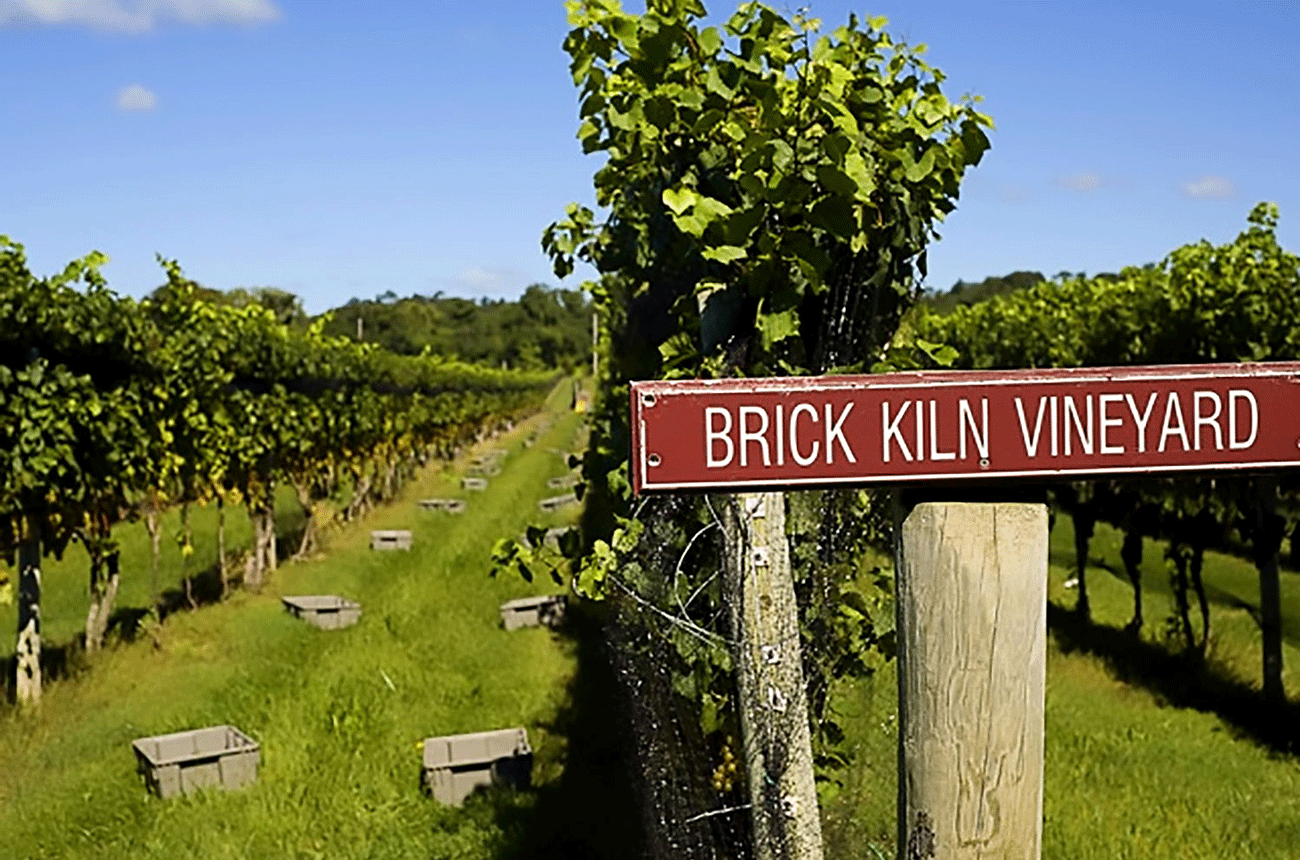
Founded in 1988 by the late entrepreneur Christian Wölffer in the heart of the Hamptons, Wölffer Estate stretches to nearly 70ha, although less than a third is under vine. However the estate owns additional vineyards on the North Fork and a large property in Mendoza, Argentina. While there’s a range of wines in the portfolio, Wölffer is best known as the quintessential producer of rosé on Long Island and perhaps in all of New York state. The winery has expanded its rosé production to include a Côtes de Provence rosé along with the version from Long Island.
Pellegrini Vineyards (Cutchogue, North Fork)
Pellegrini Vineyards, founded in 1991, farms about 15ha in Cutchogue plus other North Fork vines in Peconic and Southold. Winemaker is Zander Hargrave, son of Louisa and Alex Hargrave, who planted Long Island’s first commercial vinifera vineyard. With his clean, modern style, Hargrave makes wines in a sensitive way that reflects the terroir of the fruit.
Rose Hill Vineyards (Mattituck, North Fork)
The winery established by Barbara Shinn and David Page, formerly known as Shinn Estate Vineyards, was a leader in Long Island wine for many years. Barbara helped create the Long Island Sustainable Winegrowing standard. They sold the winery in 2017 and, in 2021, it was rebranded as Rose Hill Vineyards. Winemaker Patrick Caserta, who had been at Shinn since 2011, remains in place.
Long Island, New York: wines to seek out
Related articles
- Lower Long Tom: Oregon’s newest AVA
- West Sonoma Coast: top Pinot Noirs and Chardonnays to try
- Southern Oregon: regional profile and the wines to try
Channing Daughters, Research Bianco, Long Island, New York State, USA, 2019
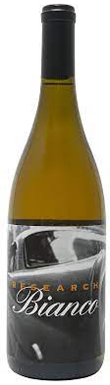

Skin contact gives this wine added depth, colour, and even a bit of tannin. The blend of 39% Chardonnay, 37% Muscat, 8% Sauvignon Blanc, 6%...
2019
Channing DaughtersLong Island

Paumanok Vineyards, Minimalist Chenin Blanc, North Fork of Long Island, New York State, USA, 2016
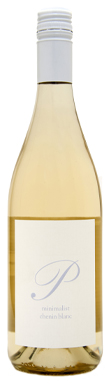
Worth seeking out. This is a selection of the best fruit from the oldest vines (40 years) on the estate. The grapes were pressed as...
2016
Paumanok VineyardsNorth Fork of Long Island
Corey Creek, Melon de Bourgogne, North Fork of Long Island, New York State, USA, 2020
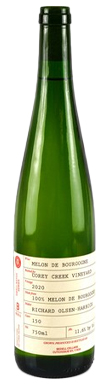
Salty! The saline tang of the minerality here is intense and moreish. The wine shows lovely citrus and star fruit notes and a pronounced aroma...
2020
Corey CreekNorth Fork of Long Island
Bedell Cellars, Chardonnay, North Fork of Long Island, New York State, USA, 2020
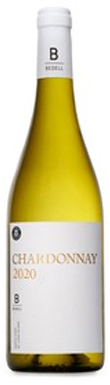
Retains admirable freshness and a lovely lemony fruit character with nuances of ripe quince and florals. Much of the juice is fermented in tank and...
2020
Bedell CellarsNorth Fork of Long Island
Channing Daughters, Vino Bianco, Long Island, New York State, USA, 2018
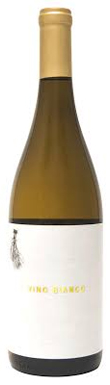
A delicious entry-level white blend that shows what Long Island can do in the ‘Super-Friuli’ mode. This is a blend of 49% Sauvignon Blanc, 32%...
2018
Channing DaughtersLong Island
Lenz Winery, Old Vines Gewürztraminer, North Fork of Long Island, New York State, USA, 2015
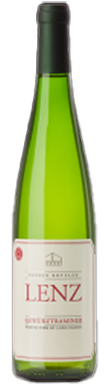
From a block of Gewurz planted in 1978. The old vines give plenty of varietal character, particularly in a hot, dry year, with notes of...
2015
Lenz WineryNorth Fork of Long Island
Lieb Cellars, Pinot Blanc, North Fork of Long Island, New York State, USA, 2020
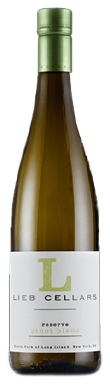
An elegant, sensitive wine meant to emulate the Alto Adige, according to winemaker Russell Hearn. He presses the grapes (two-thirds as whole clusters in a...
2020
Lieb CellarsNorth Fork of Long Island
Palmer Vineyards, Albariño, North Fork of Long Island, New York State, USA, 2021
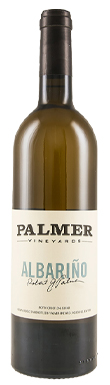
Gently perfumed and attractive including notes of peach, grapefruit, and orange pith. Creamy, citrus, smooth.
2021
Palmer VineyardsNorth Fork of Long Island
Pellegrini Vineyards, Stainless Steel Chardonnay, North Fork of Long Island, New York State, USA, 2019
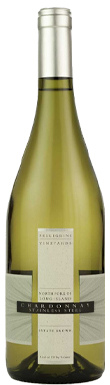
This style of Chardonnay is perfectly suited to the cool climate here. Tasted blind, it stood out with its light lemon-yellow colour and pronounced green...
2019
Pellegrini VineyardsNorth Fork of Long Island
Wölffer Estate, Estate Rosé, Long Island, New York State, USA, 2021
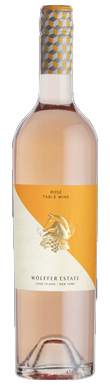
A fabulously well-made rosé. The Merlot-dominant blend (53% Merlot, 19% Cabernet Franc, 13% Chardonnay, 5.5% Riesling, 5% Cabernet Sauvignon, 4.5% Pinot Noir) is picked early...
2021
Wölffer EstateLong Island
Lenz Winery, Old Vine Merlot, North Fork of Long Island, New York State, USA, 2015
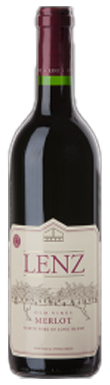
The Old Vine Merlot at Lenz is made with 40-year-old vines. Winemaker Thomas Spotteck is a big believer: ‘If I was going to pick one...
2015
Lenz WineryNorth Fork of Long Island
Lieb Cellars, Teroldego-Lagrein, North Fork of Long Island, New York State, USA, 2019
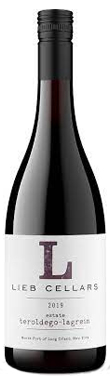
Produced from estate-grown grapes from their North Fork vineyard, the wine is two-thirds Teroldego and one-third Lagrein, punched down during fermentation for extraction and aged...
2019
Lieb CellarsNorth Fork of Long Island
Bedell Cellars, Cabernet Franc, North Fork of Long Island, New York State, USA, 2019
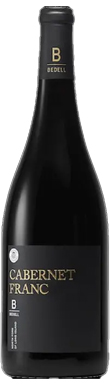
Estate-grown Cabernet Franc is destemmed and crushed prior to vatting for about three weeks in a typical vintage. The finished wine is pressed off and...
2019
Bedell CellarsNorth Fork of Long Island
Channing Daughters, Sylvanus Vineyard Blaufränkisch, The Hamptons, Long Island, New York State, USA, 2018
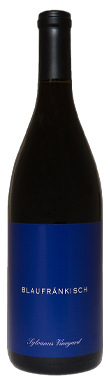
Produced from the Sylvanus Vineyard on the South Fork, this blend of 77% Blaufränkisch and 23% Dornfelder. The grapes are picked together, trod by foot,...
2018
Channing DaughtersThe Hamptons, Long Island