
Mature Burgundy: best from the 1960s, ’70s and ’80s
Charles Curtis MW explains why aged Burgundy can be a thing of utmost joy and offers advice on what to look out for when searching for older wines. He also rates and scores 20 older vintages, going back to the early 1960s.

Why bother ageing Burgundy when it is so good right out of the gate? Red Burgundy differs from other great wines of the world, such as Bordeaux, Hermitage, or Barolo, in that it is seductive almost from the minute it is bottled.
This is largely because the level of tannin in Pinot Noir is lower than that of Cabernet Sauvignon, Syrah or Nebbiolo. This supple texture makes it approachable at an earlier age.
Scroll down for tasting notes and scores for 20 mature Burgundy wines spanning the 1960s, 70s and 80s
With this texture and the perfumed, aromatic fruit character of Burgundy, the wines are almost sinfully delicious in their youth. For some wine lovers, however, drinking mature Burgundy is a quest akin to the search for the holy grail.
The fruit character of young red Burgundy is best described as red and black berries, cherries and plums. As the wines age, they gradually move from fresh fruit to baked fruit – think of cherry pie instead of fresh cherries. In the next stage, dried fruit components begin to arrive, with their suggestion of Christmas pudding.
An intriguing evolution
Development, however, consists not only of a change in the fruit character. More components are added by the floral notes that begin as violets or rose petals or lavender and then transform into wild herbs and cigar leaf.
Cask aromas start as a sweet baking spice and change with time to smoke, cedar and eucalyptus. Perhaps the most intriguing evolution is the change in the earth and mineral notes to something savoury and almost gamey, like roast lamb or pigeon.
As the aromas change, the impression on the palate changes too. Tannins begin to soften, and the wine grows richer and denser. It almost seems sweeter, and the acidity appears to soften. Of course, the wine does not increase in residual sugar or decrease in acidity, but the impression of sweetness is enhanced as the aromas mature and the tannins soften.
White Burgundy also changes dramatically over time. The initial fruit aromas of apple and pear go through a similar evolution to the reds as they are transformed into apple pie or pear tart; early aromas of lemon are changed into dried orange peel.
Fresh floral notes become dried flowers and perfume, and the winemaking aromas of oak spice, cream and butter become fused into something that can take on an exotic edge that resembles coconut milk and spice.
This exotic edge is particularly true when there is some botrytis, which adds a note of saffron. These changes are normally seen somewhere between 30 and 40 years of age. Beyond this, both reds and whites can take on additional complexity that can be variously referred to as truffle or forest floor (or the French equivalent of this, ‘sous bois’).
This forest floor, however, should be a clean aroma, without musty or dank overtones, resembling a walk in the woods on an autumn day.
One can tell when the evolution has gone too far when the forest floor aroma in red wine has become soy sauce or caramel in white wine. These are signs of oxidation that can point to cork failure or poor storage.
Ageing hazards
The potential for developing off aromas is one of the hazards in the hunt for mature wine. This risk can easily deter new collectors, but often it takes just one magical bottle to inspire the search for more.
The safest type of old bottles are those released directly from the cellars of a wine producer, often known as ‘ex-cellars’ sales. Although these wines can seem expensive on release, with the evolution of the market, it is virtually certain that in a decade or so they will seem cheap at twice the price.
When buying old bottles from the domaine, they are often reconditioned, so they have been topped up with wine from the same vintage, recorked and relabelled. Wine treated in this way can be spectacularly delicious, even from modest appellations.
Mature Burgundy vintages
1960s
To seek out: 1961, 1962, 1964, 1966, 1969
Some of the wines from 1961 are drying out now and lack charm, although Jacky Rigaux tells us that it was a favorite of Henri Jayer and other producers. Both 1962 and 1964 are superb vintages and the best wines are drinking well now. 1966 is just a notch down from these in my opinion. Some tasters do not appreciate the wines from 1969 as much as I do, but I have been consistently won over.
To avoid: 1960, 1963, 1965, 1967, 1968
1970s
To seek out: 1971, 1978
Both are superb years; in general, 1978 gets the edge as the better vintage, although that was not the case upon release. Both are considered better for red than for white.
Approach with caution: 1972, 1976, 1979
Some tasters praise the 1972 vintage, but my own experience has been mixed (but see tasting notes for an exception). 1976 was a hot year, and some of the wines are tasting a bit baked, but with luck (and good cellaring), they can be superb. There was hail in 1979 in Vosne-Romanée, but elsewhere the vines were spared; the year, in general, was better for white wine than red.
To avoid: 1970, 1973 (except for whites), 1974, 1975, 1977
1980s
To seek out: 1985, 1989
These are both superb, top-notch vintages. Yields were low in 1985, which gave the wines concentration. 1989 was a hot vintage, but the best wines are deliriously good.
Approach with caution: 1980, 1981, 1988
Initially, the wines from 1980 were dismissed by collectors. My experience has been good, and they are generally more appreciated now. The opposite is relatively true of the wines from 1981: praised early, I have not found that many I have loved. The general thought on the wines of 1988 is that they have too much tannin and acid. My own experience of them has been much more positive.
To avoid: 1982, 1983, 1984, 1986 (except in white), 1987
The next category of wines are those that have never left the region of production. These have either come out of private collections or from a restaurant cellar. Admittedly, drinking these wines requires traveling, but this sort of travel is far from onerous.
Wines are often stored in Burgundy in cool, humid stone. This type of storage can cause the labels to disintegrate with damp stains and mold, but these are cosmetic considerations, and most often the condition of the wine is unaffected.
The two most important things to look for when examining older bottles of wine are the fill (technically known as the ullage) and the colour of the wine. The fill is measured in centimetres from the cork.
Bottles with a headspace of 2.5cm or less are showing little change from bottling. Older bottles with 3.5cm or even 4cm of headspace are often wonderful. Sometimes if the bottle is very old (or very rare, or reasonably priced) one might take a chance on an even lower fill, say 5cm or 5.5cm, but there is a bit of risk.
It’s essential to evaluate the fill in conjunction with the colour. A light colour is fine, even desirable, but it should have an attractive garnet colour (just shifting to brick depending on age), but it should in no circumstances be cloudy. Those on a serious hunt for old wine might consider bringing a small ruler and a high-powered LED flashlight to examine the wine.
Know your merchants
Once you’ve left the somewhat rarified realms of ex-cellars and carefully cellared bottles in Burgundy, the risk of disappointment can increase. The best solution is to know your merchants. Ideally, you will have met everyone you buy wine from, and they will have been in business for many years. Above all, do not be tempted by low prices from unfamiliar merchants. If it sounds too good to be true, it often is.
Whenever possible, inspect bottles before purchase. A reputable merchant will happily send photographs of older bottles if you cannot examine the wine in person. Another valuable consideration is that wine being sold in its original packaging (the original wooden case or carton) is often a sign of careful cellaring.
Auction lots
Given my professional experience at Christie’s, I have a relatively high comfort level of buying wine at auction. Similar rules apply: get to know one of the specialists at your auction house of choice and ask them questions about bottles that interest you, such as ‘what can you tell me about the provenance and storage of the wine?’
With practice, you will also become accustomed to studying the meta-data of the auction catalogue. You will notice that each section has an introduction or header that will help you glean some information about the consignment.
The best consignments are named, particularly those from a noted collector. These often command a premium. It is also possible to get a sense of a collection from what else is being offered from the same vendor. Are conditions generally good? Are there just one or two older bottles, or is this from someone passionate about older wines? Above all, remember to avoid the ‘unicorns’, the uber-rare ‘bottles of a lifetime’, which generally fall into the ‘too-good-to-be-true’ category.
With a lot of looking and a bit of caution, and a bit of luck, it is still possible to source extraordinary Burgundy that may be your holy grail.
Where to find mature Burgundy
What follows are a few examples, very far from an exhaustive list, of where one might find interesting bottles of old Burgundy.
Merchants (France)
Place des Grands Crus
20 Place Carnot
21200 Beaune, France
+33 3 80 22 62 89
Mon Millésime
54 Rue du Faubourg Madeleine
21200 Beaune, France
+33 3 80 22 92 71
Caveau de Chassagne
7 Rue Charles Paquelin
21190 Chassagne-Montrachet
+33 3 80 21 38 13
Merchants (London)
Hedonism Wines
3-7 Davies St
London W1K 3LD
+44 20 7290 7870
Berry Bros. & Rudd
63 Pall Mall, St. James’s
London SW1Y 5HZ
Don’t forget to check their broking service BBX for older vintages
Justerini & Brooks Ltd
61 St James’s St, St. James’s
London SW1A 1LZ
+44 20 7484 6430
Justerini’s also maintains a broking service for older wines
Merchants (Asia)
The Fine Wine Experience
Shop A, 165-166 Connaught Road West (Entrance on Chiu Kwong Street)
Sai Ying Pun, Hong Kong
+852 2803-0753 / 9702-9654
Ginsberg+Chan Wine Merchants Asia
6th Floor, Loke Yew Building
50-52 Queen’s Road Central
Hong Kong
+852 2504-2221
Auction houses
The primary international auction houses include the storied generalists Christie’s, Sotheby’s, and Bonham’s and US-based wine-only specialists Acker, Zachys, and Hart, Davis, Hart (HDH). All have several offices.
Restaurants
Restaurants are often great places to find old bottles. They often enjoy generous allocations, particularly when they content themselves with modest mark-ups: winemakers love to know that their wines are being drunk by aficionados who enjoy them rather than being the objects of speculation.
In France
Maison Lameloise
36 Pl. d’Armes
71150 Chagny, France
+33 3 85 87 65 65
Hostellerie de Levernois
Rue du Golf
21200 Levernois, France
+33 3 80 24 73 58
Ma Cuisine
Passage Saint-Hélène
21200 Beaune, France
+33 3 80 22 30 22
Le Bistro de L’Hôtel
3 Rue Samuel Legay
21200 Beaune, France
+33 3 80 25 94 10
Le Conty
5 Rue Félix Ziem
21200 Beaune
+33 3 80 22 63 94
Special mention should be made of François Audouze, a collector based in Paris who organizes dinners with old wines at various locations. You will find his blog with all appropriate details here.
Outside of France
Palais Coburg
Coburgbastei 4
1010 Wien, Austria
+43 1 518180
Chat-Botté
Quai du Mont-Blanc 13
1201 Genève, Switzerland
+41 22 716 69 20
Bern’s Steak House
1208 S Howard Ave
Tampa, FL 33606
+1 (813) 251-2421
Mature Burgundy: 20 wines to seek out from the 1960s, 70s and 80s
The wines are listed oldest to youngest
Related articles
- Domaine Coche-Dury: producer profile
- Best value white Burgundy 2020 en primeur to buy
- Exploring the grands crus of Gevrey-Chambertin
Maison Leroy, Chambertin Grand Cru, Burgundy, France, 1961
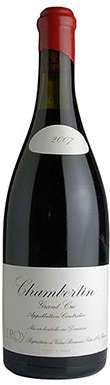

A late-release 1961 Chambertin from Leroy showed an impressive concentration of deep dark fruit on the nose, with notes of plum, black cherry, and fig...
1961
Maison LeroyChambertin Grand Cru

Maison Leroy, Richebourg Grand Cru, Burgundy, France, 1962
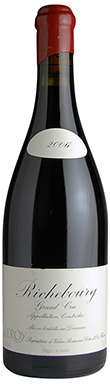
A late-released bottle of ’62 Richebourg direct from Maison Leroy was extraordinary. The wine was youthful and fresh yet still nuanced and complex. One...
1962
Maison LeroyRichebourg Grand Cru
Domaine Comte Georges de Vogüé, Musigny Grand Cru, Burgundy, France, 1966
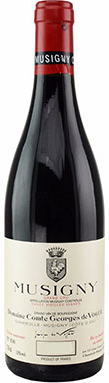
The bottle of 1966 de Vogüé Musigny that I brought to La Paulée de New York was a bit of a gamble, given its 5cm...
1966
Domaine Comte Georges de VogüéMusigny Grand Cru
Domaine de la Romanée-Conti, Romanée-Conti Grand Cru Monopole, Burgundy, France, 1969
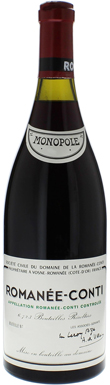
This wine from a private collection was stored in a passive chalk cellar in the English countryside whose wines came to auction in 2021. The...
1969
Domaine de la Romanée-ContiRomanée-Conti Grand Cru Monopole
Domaine Jean Gros, Richebourg Grand Cru, Burgundy, France, 1969
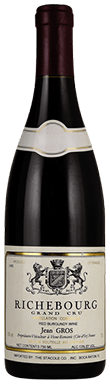
At a dinner with friends in Taipei, a ’69 Richebourg from Jean Gros purchased from a German cellar was in perfect condition. The wine was...
1969
Domaine Jean GrosRichebourg Grand Cru
Domaine Armand Rousseau, Mazis-Chambertin Grand Cru, Burgundy, France, 1971
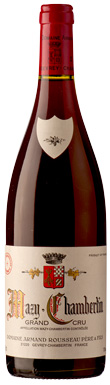
A 1971 Rousseau Mazy drunk at La Paulée de New York was among the evening highlights. The bouquet began with a perfumed, almost transparent cherry...
1971
Domaine Armand RousseauMazis-Chambertin Grand Cru
Domaine Louis Remy, Chambertin Grand Cru, Burgundy, France, 1971
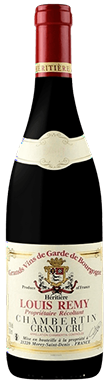
From the wine list at l’Hostellerie des Clos in Chablis, a 1971 Louis Rémy Chambertin showed delicate, perfumed cranberry fruit with nuances of truffle and...
1971
Domaine Louis RemyChambertin Grand Cru
Domaine Armand Rousseau, Chambertin-Clos de Bèze Grand Cru, Burgundy, France, 1972
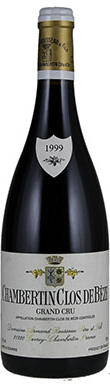
This wine was from a vertical tasting held by Acker in New York and led by Cyrielle Rousseau. It provided one of the surprises of...
1972
Domaine Armand RousseauChambertin-Clos de Bèze Grand Cru
Domaine Michel Lafarge, Volnay, 1er Cru Clos des Chênes, Burgundy, France, 1976
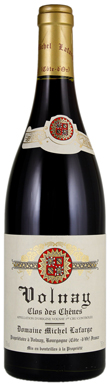
We enjoyed this wine a few years ago off the wine list at the Michelin three-star Lameloise south of Beaune. The product of a warm,...
1976
Domaine Michel LafargeVolnay
Guy Roulot, Meursault, 1er Cru Les Charmes, Burgundy, France, 1976
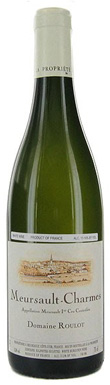
A bottle brought to dinner by a collector just before the pandemic was striking in its freshness and purity of fruit. The bouquet opened with...
1976
Guy RoulotMeursault
Domaine Marquis d'Angerville, Volnay, 1er Cru Clos des Ducs, Burgundy, France, 1976
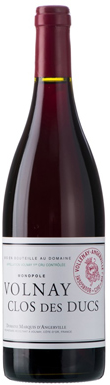
A bottle of 1976 Clos des Ducs shared at Becky Wasserman's house showed surprising freshness on the palate. On the palate, the wine was clean...
1976
Domaine Marquis d'AngervilleVolnay
Domaine Armand Rousseau, Chambertin-Clos de Bèze Grand Cru, Burgundy, France, 1978
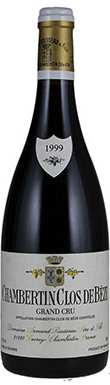
This wine was the capstone of a two-day tasting led by Cyrielle Rousseau in New York, and it exceeded even my very high expectations. The...
1978
Domaine Armand RousseauChambertin-Clos de Bèze Grand Cru
Domaine Comte Georges de Vogüé, Chambolle-Musigny, Burgundy, France, 1978
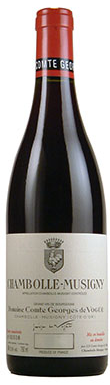
From the wine list at l’Hôtel de Beaune, a bottle of the 1978 straight village Chambolle-Musigny from de Vogüé showed ripe plum and fig fruit...
1978
Domaine Comte Georges de VogüéChambolle-Musigny
Domaine Henri Jayer, Vosne-Romanée, 1er Cru Les Beaumonts, Burgundy, France, 1980
Drunk out of magnum at a dinner celebrating the auction of wines from the personal cellar of Henri Jayer. This 1980 Beaumonts demonstrated the great...
1980
Domaine Henri JayerVosne-Romanée
Domaine de la Romanée-Conti, Montrachet Grand Cru, Burgundy, France, 1983
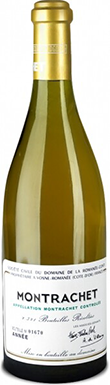
A 1983 DRC Montrachet at La Paulée de New York was impressively rich, forceful, and almost youthful. On the nose, the wine began with ripe...
1983
Domaine de la Romanée-ContiMontrachet Grand Cru
Clos de Tart, Clos de Tart Grand Cru Monopole, Burgundy, France, 1985
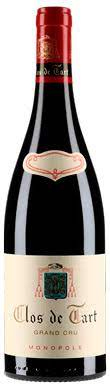
There is a deep and almost porty character to the plum and fig fruit, now shot through with aromas of wood smoke, sous-bois and truffle....
1985
Clos de TartClos de Tart Grand Cru Monopole
Domaine Henri Jayer, Vosne-Romanée, 1er Cru Cros Parantoux, Burgundy, France, 1985
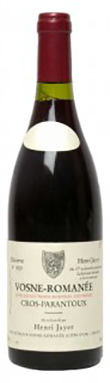
For me, this was the top wine of an extraordinary, singular evening drinking the wines of Henri Jayer’s personal cellar. If possible, this wine showed...
1985
Domaine Henri JayerVosne-Romanée
Domaine Comte Georges de Vogüé, Musigny Grand Cru, Burgundy, France, 1988
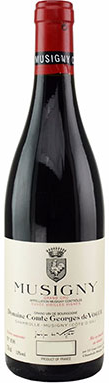
After more than a quarter century, the '88 de Vogüé we drank for lunch in Burgundy was just starting to hit its stride, with a...
1988
Domaine Comte Georges de VogüéMusigny Grand Cru
Domaine Roulot, Les Meix Chavaux, Meursault, Burgundy, France, 1988
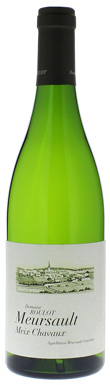
Off the wine list at Ma Cuisine in Beaune a few years ago, this bottle of 1988 Meursault Meix Chavaux had started to open, with...
1988
Domaine RoulotMeursault
Domaine Ramonet, Montrachet Grand Cru, Burgundy, France, 1988
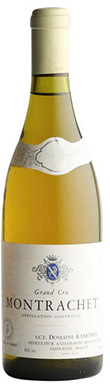
This thrilling bottle of Montrachet was made from the old vines of the domaine's parcel before they were grubbed up and re-planted. Almost thirty...
1988
Domaine RamonetMontrachet Grand Cru