
Portuguese rosé: The next big thing?
There’s arguably no better-known region for rosé wine than Provence. But producers in Portugal’s Douro Valley are working together to put their wines on the map – with convincing results. Elizabeth Gabay MW reports and recommends 20 bottles to try.


An often asked question is: where is the next big rosé region? There are many fabulous individual producers and stellar rosés outside of Provence. But their greatness is more often down to the hand of an imaginative, visionary winemaker than to a specific terroir or variety.
It is very rare to find a united region with a shared vision for quality rosé – and even more so where the producers gather to discuss their wine styles, quality and marketing.
Scroll down to see tasting notes and scores for 20 Portuguese rosés to try
Quality Douro rosé took off around 2015 when winemaker Jorge Alves produced his first high-end rosé with Quinta Nova.
In a mere eight years, a large range of exciting wines has appeared. At the same time Justina Teixeira took over her family estate Quinta da Barca. Teixeira, a scientist by training, is a team player with a passion for the wines of her region. She had already gathered a group of producers to discuss and taste together.

With that in mind, Teixeira had a vision for a bigger conference, which took place at the end of November 2022, supported by her local town Mesão Frio, the western gateway to the Douro. The aim was to demonstrate the quality of Douro rosés.
The three day conference included tastings with producers discussing in detail their winemaking, philosophy and current issues. There was a presentation by Alves on rosé winemaking and vineyard visits and I also gave a presentation on the international market and regional styles.
Challenges for rosé production
At the second event in May this year, the theme was climate change. Acclaimed Portuguese viticulturist, Ana Mota, discussed how she was adapting her work in the field. Producers noted that maintaining freshness was a big challenge, making grapes from the highest plots, furthest from the Douro River, increasingly attractive. Wineries also talked about a move towards organic production.
Alves talked of his work on a project making rosé in the Azores. Paulo Russell-Pinto of the Instituto dos Vinhos DO Douro e DO Porto (IVDP) presented papers on the market for Douro wines, the decline in Port sales and the rise in sales of table wines. He also demonstrated the marketing potential for pink Port as a cocktail ingredient.
I talked about the impact of climate change on rosé styles and the importance of preserving local identity. Producers commented that there was increasing consumer pressure to create paler rosés. Issues such as the cost of grapes and shortage of workers were also raised. A third event is already being planned for 2024.

Tasting Douro rosés
The rosés tasted at both conferences were a reflection of the Douro Valley’s varied terroir. The soil here is made up of many different schists offering diverse qualities and profiles. Vineyards are planted on slopes facing in all four directions and at altitudes ranging from close to the river to over 650m.
There is also significant temperature variation between the cooler, damper western vineyards in the Baixo Corgo to the hotter, drier vineyards to the east towards Spain in Douro Superior. Baixo Corgo rosés showed great freshness, fine minerality and mouthwatering acidity. While the vineyards in Douro Superior produced rosés with a fuller body and weight.
What stood out was a consistency in style and an almost universal high quality for all of the wines. The enthusiasm of the producers was also notable. Many were making several styles of rosé – including barrel-aged reservas and aiming at gran reserva.
The majority of rosés tasted were made with the same local grape varieties that are used to produce Port, including Touriga Nacional, Touriga Franca, Tinta Barroca, Tinta Roriz and Tinto Cão.
The exceptions were Pinot Noir and Chardonnay – which are allowed for the DOC sparkling wines – with some winemakers using Pinot Noir in their vinho regional (IGP) rosés. One producer also had some Cabernet Sauvignon planted in the 1980s.
Portuguese rosé wines: 20 to try
Related articles
- What makes a premium rosé plus 12 to seek out
- Top 10 Chiaretto di Bardolino for summer
- 25 great-value French red and rosé wines under £25
Quinta de S.Bernardo, Espumante, Douro Valley, Portugal, 2012
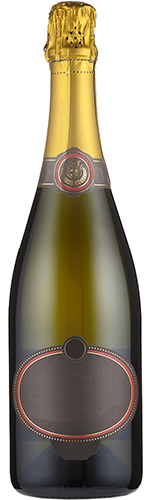

Golden pink, fine bubbles. Lovely intense honeyed aromas with notes of waxy white florals, bitter almonds, perfumed apricots and unripe white peaches. On the palate...
2012
Quinta de S.Bernardo

Caves Transmontanas, Vértice Rosé Brut Sparkling, Douro Valley, Portugal, 2021
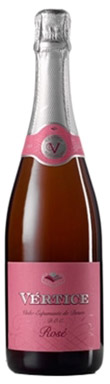
Pale copper pink. Opulent florals, apple blossom and red berry aromas. Creamy texture from nine months on the lees, with softer notes of apple compote,...
2021
Caves Transmontanas
Quinta da Barca, Pontas Soltas Espumante Rosé, Baixo Corgo, Douro Valley, Portugal, 2018
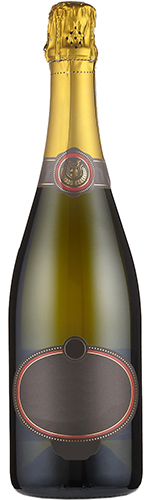
Floral, leafy aromas with strawberry notes. Very pretty fruity notes continue on the palate, developing some extremely intense jammy red fruit – strawberries, cherries, raspberries,...
2018
Quinta da Barca
Quanta Terra, Joana Vasconceles Vinho Espumante, Cima Corgo, Douro Valley, Portugal, 2018
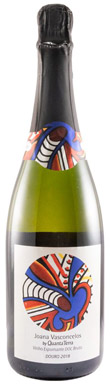
Creamy peachy shell pink. Creamy, leesy peaches, lots of bruised orchard fruit, delicate hints of autolysis. Soft, silky and supple palate, with ripe cherry fruit,...
2018
Quanta TerraCima Corgo
Titan of Douro, Reserva Rosé, Cima Corgo, Douro Valley, Portugal, 2019
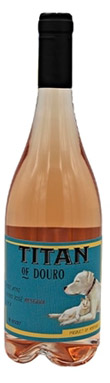
Creamy shell salmon pink. Made from vines planted at over 600m. Intense, sweet, smoky, toasty oak on the nose with white waxy florals. On the...
2019
Titan of DouroCima Corgo
Quinta da Cuca, Reserva Rosé, Douro Valley, Portugal, 2020
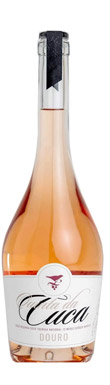
Exotic florals, red fruit and rich spice on the nose. On the palate austere and elegant wild red berry fruit opens up to gradually reveal...
2020
Quinta da Cuca
Rozès, Terras do Grifo, Douro Valley, Portugal, 2020
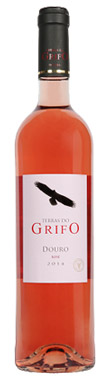
Concentrated copper salmon pink. Leesy, buttery nut aromas with a hint of cherries. On the palate the cherry fruit is intense and opulent with mouthwatering...
2020
Rozès
Alves de Sousa, Quinta da Gaivosa Rosa Celeste, Douro Valley, Portugal, 2020
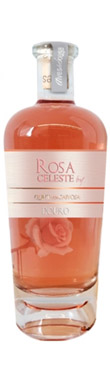
Fairly pale with some yellow tints. Powerful toasty oak on the nose with subtle floral notes. Beautifully nutty, intense and concentrated palate with white peaches,...
2020
Alves de Sousa
Quinta de S.Bernardo, Rosé, Douro Valley, Portugal, 2019
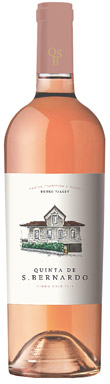
Golden salmon. Delicate smoky oak character plus creamy peaches and nuts on the nose. Ripe red cherries, strawberries and wild strawberries on the palate with...
2019
Quinta de S.Bernardo
Ramos Pinto, Bons Ares Rosé, Vinho Regional Duriense, Douro Valley, Portugal, 2021
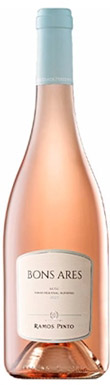
A slightly more international style courtesy of the Cabernet Sauvignon in the blend. Rich, ripe and juicy redcurrants and strawberries with leafy violets, subtle thiols...
2021
Ramos PintoVinho Regional Duriense
Kopke, São Luiz Rosé, Douro Valley, Portugal, 2021
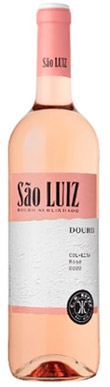
Shell pale pink. Delicate aromatics of soft peaches and florals lead to a palate of bruised peach, ripe white fruit, soft florals and orange blossom,...
2021
Kopke
Quanta Terra, Grande Reserva Rosé, Douro Valley, Portugal, 2021
Pale gris pink made with the pink-tinted Gouveio grape and with extended skin contact. Intensely aromatic floral and honeyed aromas, with hints of bitter almonds....
2021
Quanta Terra
Mãos, Touriga Nacional Rose, Douro Valley, Portugal, 2021
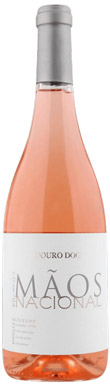
Golden salmon pink. Beautiful honeyed beeswax aromas, with an amazing range of intense florals – lilac, lilies, lavender – plus white fruit. An exotic charm;...
2021
Mãos
Quinta da Barca, Busto Rosé Premium, Baixo Corgo, Douro Valley, Portugal, 2021
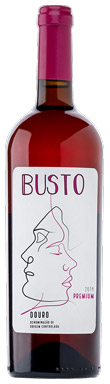
Light cherry pink. Aromas of vibrant cherry and strawberry fruit with floral notes. The palate has beautiful richness, with intensity of red fruit and jammy...
2021
Quinta da Barca
Quanta Terra, Phenomena Pinot Noir Rosé, Vinho Regional Duriense, Douro Valley, Portugal, 2021
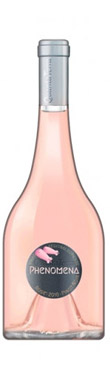
Salmon pink. Very pretty floral and sweet cherry aromas. Delicate cherry floral notes on the palate, opening up to more creamy cherry charm with lots...
2021
Quanta TerraVinho Regional Duriense
Adega Cooperativa de Mesão Frio, Bee Tria, Baixo Corgo, Douro Valley, Portugal, 2021
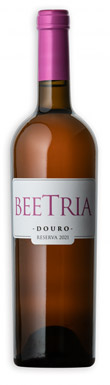
Darker copper salmon pink. Subtle sweet oak notes on the nose, alongside full and rather generous spice. The oak continues on the palate with a...
2021
Adega Cooperativa de Mesão Frio
Quinta da Rede, Reserva Rosé, Baixo Corgo, Douro Valley, Portugal, 2021
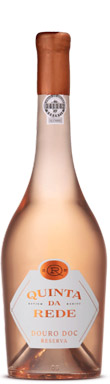
Very pale shell pink. Creamy, rich fruit with some fresh redcurrant acidity; but this is primarily a structural wine, revealing the classic minerality of Touriga...
2021
Quinta da Rede
Real Companhia Velha, Síbio Rosé, Douro Valley, Portugal, 2021
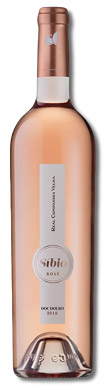
A joyfully warm-climate rosé with ripe and rounded fruit. White peach, strawberries, redcurrants and tropical hints, carried by chalky, red berry acidity – all within...
2021
Real Companhia Velha
Quinta do Tedo, Rosé Port, Douro Valley, Portugal
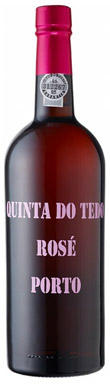
Almost a blanc de noir pink colour, with restrained aromas followed by an explosion of flavours on the palate. Floral elegance, fresh pink apples, apple...
Quinta do Tedo
Adega de Favaios, Pink Port, Baixo Corgo, Douro Valley, Portugal, 2020
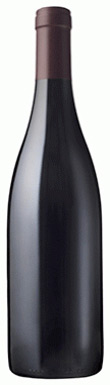
Dark cherry rose pink. Still very spirity on the nose, with intense strawberry fruit. Strawberry jam, white chocolate, beeswax and spice are layered on the...
2020
Adega de Favaios
