organic Bordeaux
Hives at Chateau de Fonplegade in St-Emilion
(Image credit: Hives at Chateau de Fonplegade in St-Emilion)

It’s a question on many minds today: should you buy organic? From food to household products and cosmetics, a growing number of us – myself included – are choosing organic to limit exposure to harmful chemicals.

But does this extend to wine? And should it?

According to a sustainability report by research specialist IWSR, organic wine volumes grew by 5% globally, 6% in the UK and 7% in the US, from 2017-2022.

Statista’s 2024 UK wine report highlights a rising consumer preference for organic wines, fuelled by concerns for health and the environment.

In Bordeaux, this trend is clear: in 2024, 24% of the region’s vineyards were certified organic or in conversion, according to the CIVB Bordeaux wine council.

The region aims for 100% of its vineyards to hold sustainable certifications – organic, biodynamic, or others such as High Environmental Value (HVE) – by 2030, and this reflects a bold commitment to greener practices.


Recommendations for 20 organic Bordeaux wines below


Bordeaux organic: Why it isn’t easy

Such an accomplishment would be no mean feat. Bordeaux’s maritime climate, with warm temperatures and relatively high rainfall, makes organic viticulture tricky. Diseases like mildew and botrytis thrive here, often requiring robust intervention to suppress them.

Conventional farming has long been the go-to, using a range of sprays: contact products such as sulphur and copper, which wash off after 20mm of rain; penetration products that cling to leaves; and systemic sprays absorbed directly into the vine for reliable protection, especially during vulnerable phases like flowering.

These systemic options dominate, offering predictability and higher yields, but they come at a cost – chemical residues that linger in wines and soils, as well as posing health risks to workers – and there are suggested links between pesticide use and a range of health impacts, including cancers, Parkinson’s disease and other chronic conditions.

Organic viticulture, by contrast, limits growers to natural contact sprays free of chemicals – sulphur-based for powdery mildew (oidium) and copper-based for downy mildew. This means no synthetic fertilisers, herbicides or insecticides.

Organic practices prioritise soil health through composting and cover cropping, while promoting biodiversity with tree plantings, hedgerows and bird boxes.

Conversion to organic takes three years, after which vineyards earn the EU organic label and France’s green ‘AB’ (Agriculture Biologique) certification.

In the winery, organic rules restrict additives, require organic yeasts for fermentation and lower total sulphurdioxide levels (100mg/L for dry red wines, compared to 150mg/L in conventional wines). Certification bodies such as Ecocert audit both vineyard and winery practices annually.

To support Bordeaux estates tackling this complex transition, Derenoncourt Environnement was launched in 2016 by renowned consultant Stéphane Derenoncourt and his team.

They offer tailored guidance, assessing estates’ needs, manpower and investment to optimise soil health and navigate disease challenges, helping producers achieve organic certification.

DES311.top_20_organic_biodynamic.horse_vineyards.jpg

(Image credit: Credit Unknown)

Biodynamie – going beyond

Biodynamics takes organic principles further, bringing rigorous organic practices, precision and resources together with a holistic, spiritual philosophy.

Certified by bodies such as Demeter or Biodyvin, biodynamic vineyards use phytotherapy (plant-based treatments) like infusions or essential oils derived from plants (nettle, horsetail, willow, comfrey and so on).

They also use natural preparations like horn manure (made using cow horns filled with manure and buried over winter) and horn silica, ‘dynamised’ (diluted by vigorous stirring in water) and sprayed to strengthen vine health and improve resistance to diseases such as mildew or oidium.

It follows a lunar and cosmic calendar for vineyard activities, aiming to harmonise agricultural practices with natural rhythms for greater vitality and expression in the wine.

While there’s no conclusive data to prove it, often organic and biodynamic wines tend to have a feeling of greater ‘energy’ to them, with tasting notes reflecting characters such as ‘bright’, ‘lively’, ‘alive’ or ‘shining’.

Almost a purity to the flavours, or a feeling of being energised as you drink them.

DES311.top_20_organic_biodynamic.1237695_credit_jean_bernard_nadeau_cephas.jpg

Cow horns filled with fresh manure ready for burying in the soil to make biodynamic horn manure 500. Château Mazeyres, Pomerol, Gironde, France. [Pomerol / Bordeaux]
(Image credit: Credit Unknown)

Trade-off: Soil, sprays and sustainability

Going organic isn’t a stroll through the vines, however – it’s a high-stakes endeavour.

Studies suggest that while organic viticulture does boost soil organic matter, the reliance on contact sprays requires frequent applications, given Bordeaux’s wet climate, and this can lead to more tractor passes that compact soils, potentially causing damage to root systems and harming long-term vineyard health.

In challenging vintages like 2021, 2023 and 2024, producers faced devastating mildew pressure, forcing some organic estates to spray more than 30 times, while others opted to temporarily halt their organic status in order to protect yields.

This raises a critical question: is organic always the greenest choice, if it puts pressure on the soil as well as demanding more vehicle fuel and labour?

Copper, a cornerstone of organic sprays, also poses risks, accumulating in soils over decades and potentially becoming toxic for plants, fauna, mammals, soil life and human users in cases of chronic exposure.

However, total usage is limited in the EU to a maximum of 28kg per hectare over seven years, or an average of 4kg per hectare per year.

Conventional systemic sprays, while reducing tractor use, leave chemical residues that harm soil and human health. You could say producers are caught between a rock and a hard place.

There are, however, innovative workarounds that are emerging.

While Petrus in Pomerol is not an organic estate, its focus on sustainability has led to the installation of a cutting-edge ‘umbrella’ system powered by solar panels (similar to the Viti-Tunnel system at Château Quinault l’Enclos).

This automatically shields vines during rain, channelling water to the centre of each row and keeping leaves dry, in order to prevent mildew from forming.

While effective, this technology is costly, meaning the producer – even Petrus – has deployed it only on eight rows of vines thus far, and it’s an impractical option for large estates or estates without the financial means.

It also alters the vineyard’s aesthetic somewhat. More accessible solutions include enhanced drainage systems, strategic cover cropping to improve soil structure, and encouraging ample sun and wind exposure (vines at the top of hills or on plateaus inevitably get more wind than those in valleys).

DES311.top_20_organic_biodynamic.viti_tunnel_credit_viti_tunnel.jpg

(Image credit: Credit Unknown)

Hybrid solutions: Blending organic and pragmatic practices

Recognising the challenges of organics, many Bordeaux producers are exploring hybrid approaches. Although not a rating of wine quality, the HVE certification combines organic principles with targeted chemical use to reduce vineyard soil compaction and emissions while maintaining yields.

Agroforestry and fungus-resistant (‘Piwi’) grape varieties are also gaining traction (albeit less in Bordeaux than elsewhere), minimising environmental strain.

These flexible strategies reflect a region-wide push for sustainability without rigid dogma, ensuring soil health, ecological harmony and economic viability – something the region is already confronting, given the market, let alone the weather.

The future of organic Bordeaux

Taking everything into account, it’s clear that the Bordeaux region is committed to ‘greener’ wines, and for consumers seeking organic or biodynamic options, Bordeaux’s evolving wine scene offers plenty to raise a glass to.

For readers keen to explore, the 20 mainly Right Bank wines in the pages that follow offer a glimpse into some of the smaller, lesser-known properties putting their passion and effort into making organic and biodynamic wines.

There are, of course, also a number of classified estates with long-term commitments to organic viticulture, as listed in the box below…


Finding the balance: 32 Bordeaux estates producing organic and/or biodynamic wines

✿ Château Beau-Séjour Bécot, St-Emilion 1GCC (in conversion) ✿ Château Beauregard, Pomerol ✿ Château Berliquet, St-Emilion GCC ✿ Château Cadet-Bon, St-Emilion GCC ✿ Château Canon, St-Emilion 1GCC ✿ Château Canon La Gaffelière, St-Emilion 1GCC ✿ Château Climens*, Barsac 1CC ✿ Château Clos de Sarpe, St-Emilion GCC ✿ Château Clos du Clocher, Pomerol ✿ Château d’Yquem, Sauternes 1CS ✿ Château Durfort-Vivens*, Margaux 2CC ✿ Château Fonroque, St-Emilion GCC ✿ Château Franc Mayne, St-Emilion GCC ✿ Château Gruaud Larose, St-Julien 2CC ✿ Château Guiraud, Sauternes 1CC ✿ Château Haut-Bages Libéral*, Pauillac 5CC ✿ Château Jean Faure, St-Emilion GCC ✿ Château L’Enclos, Pomerol ✿ Château L’Evangile, Pomerol ✿ Château La Lagune*, Haut-Médoc 3CC ✿ Château La Rose Figeac, Pomerol ✿ Château La Tour Figeac, St-Emilion GCC ✿ Château Lafite Rothschild, Pauillac 1CC ✿ Château Lafon-Rochet, St-Estèphe 4CC ✿ Château Latour, Pauillac 1CC ✿ Château Lilian Ladouys, St-Estèphe CBE ✿ Château Mazeyres*, Pomerol ✿ Château Palmer*, Margaux 3CC ✿ Château Pédesclaux, Pauillac 5CC ✿ Château Pontet-Canet*, Pauillac 5CC ✿ Château Smith Haut Lafitte, Pessac-Léognan CCG ✿ Château Tour St Christophe, St-Emilion GCC


20 organic Bordeaux wines


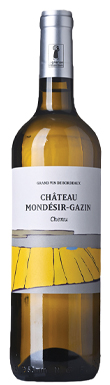
Château Mondesir Gazin, Chenu, Blaye Côtes de Bordeaux, Bordeaux, France, 2022

My wines
Locked score

A 55% Semillon and 45% Sauvignon Blanc blend from a 2ha organic parcel in Blaye. Grassy, toasted nose full of grapefruit citrus. Clean and light...

2022

BordeauxFrance

Château Mondesir GazinBlaye Côtes de Bordeaux

Decanter Premium logo

Join Decanter Premium to unlock all our wines tastings and notes

Join Now

Château de La Dauphine, Rosé, Bordeaux Rosé, Bordeaux, France, 2024

My wines
Locked score

A sustainability pioneer in Fronsac, La Dauphine's Merlot-based rosé is crafted with the same precision as the estate’s consistently brilliant red wines (2019, 93pts). A...

2024

BordeauxFrance

Château de La DauphineBordeaux Rosé

Decanter Premium logo

Join Decanter Premium to unlock all our wines tastings and notes

Join Now

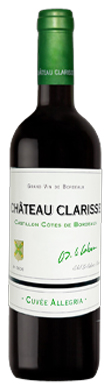
Château Clarisse, Cuvée Allegria, Castillon Côtes de Bordeaux, Bordeaux, France, 2020

My wines
Locked score

The estate being named after owners Didier and Olivia Le Calvez's daughter, 'Allegria' comes from a small plot on the high clay-limestone plateau in Castillon....

2020

BordeauxFrance

Château ClarisseCastillon Côtes de Bordeaux

Decanter Premium logo

Join Decanter Premium to unlock all our wines tastings and notes

Join Now

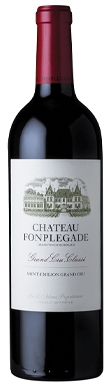
Château Fonplégade, St-Émilion, Grand Cru Classé, Bordeaux, France, 2022

My wines
Locked score

This American-owned estate sits on St-Emilion’s western limestone plateau, blending traditional methods with precision viticulture. Succulent and deep, this is structured and quite serious right...

2022

BordeauxFrance

Château FonplégadeSt-Émilion

Decanter Premium logo

Join Decanter Premium to unlock all our wines tastings and notes

Join Now

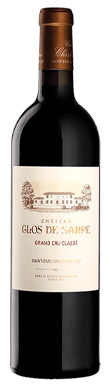
Château Clos de Sarpe, St-Émilion, Grand Cru Classé, Bordeaux, France, 2021

My wines
Locked score

One of the smallest grand cru classé estates in St-Emilion at 3.7ha, owned by the Beylot family. Bright, tangy acidity opens the palate with cranberry...

2021

BordeauxFrance

Château Clos de SarpeSt-Émilion

Decanter Premium logo

Join Decanter Premium to unlock all our wines tastings and notes

Join Now

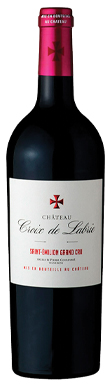
Château Croix de Labrie, St-Émilion, Grand Cru, Bordeaux, France, 2018

My wines
Locked score

A 5ha gem owned and run by Axelle and Pierre Courdurié. Ripe and baked fruit aromas: raisins, plums, cherries with leather and tobacco accents. Silky...

2018

BordeauxFrance

Château Croix de LabrieSt-Émilion

Decanter Premium logo

Join Decanter Premium to unlock all our wines tastings and notes

Join Now

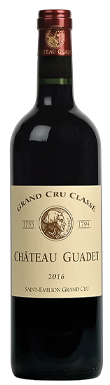
Château Guadet, St-Émilion, Grand Cru Classé, Bordeaux, France, 2016

My wines
Locked score

A historic, family-owned estate renowned for its commitment to organic and biodynamic viticulture with 4.5ha on the high limestone plateau, 100m from the town centre....

2016

BordeauxFrance

Château GuadetSt-Émilion

Decanter Premium logo

Join Decanter Premium to unlock all our wines tastings and notes

Join Now

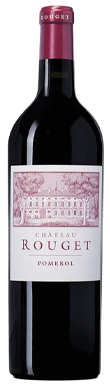
Château Rouget, Pomerol, Bordeaux, France, 2020

My wines
Locked score

Owned by the Labruyère family, 17ha of organically farmed plots near L'Eglise-Clinet and Le Gay. Dark nose, blueberry, blackcurrant, liquorice spice, aniseed and dark chocolate....

2020

BordeauxFrance

Château RougetPomerol

Decanter Premium logo

Join Decanter Premium to unlock all our wines tastings and notes

Join Now

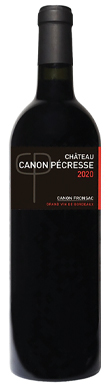
Château Canon Pécresse, Canon-Fronsac, Bordeaux, France, 2020

My wines
Locked score

A 4.5ha estate on clay-limestone slopes, owned by the Pécresse family and prized for its structured and mineral wines. Smoky and spiced on the nose...

2020

BordeauxFrance

Château Canon PécresseCanon-Fronsac

Decanter Premium logo

Join Decanter Premium to unlock all our wines tastings and notes

Join Now

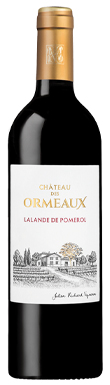
Château des Ormeaux, Lalande-de-Pomerol, Bordeaux, France, 2022

My wines
Locked score

A 3.6ha estate in Lalande-de-Pomerol, run by Julien Richard. Dark fruit and woody spices on the nose, heady and intense. Sappy and alive, this has...

2022

BordeauxFrance

Château des OrmeauxLalande-de-Pomerol

Decanter Premium logo

Join Decanter Premium to unlock all our wines tastings and notes

Join Now

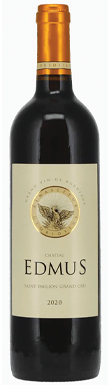
Château Edmus, St-Émilion, Grand Cru, Bordeaux, France, 2020

My wines
Locked score

An innovative and forward-thinking 1.6ha estate acquired in 2019 by Laurent David, a former Apple exec turned winemaker after a multi-year search. Softly fragrant and...

2020

BordeauxFrance

Château EdmusSt-Émilion

Decanter Premium logo

Join Decanter Premium to unlock all our wines tastings and notes

Join Now

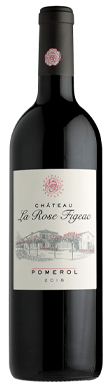
Château La Rose Figeac, Pomerol, Bordeaux, France, 2018

My wines
Locked score

This 4.5ha organic Pomerol property, owned by the Despagne family, is known for its fine sandy-gravel soils and delicate, terroir-driven wines. Dark heady scents on...

2018

BordeauxFrance

Château La Rose FigeacPomerol

Decanter Premium logo

Join Decanter Premium to unlock all our wines tastings and notes

Join Now

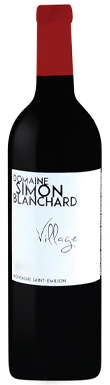
Domaine Simon Blanchard, Village, St-Émilion, Montagne-St-Émilion, Bordeaux, France, 2022

My wines
Locked score

An eponymous offshoot from one of Stéphane Derenoncourt’s team, this 1.3ha domaine champions artisanal, small-batch wines from cooler clay-limestone parcels. Smelling gorgeously like blackcurrant cordial,...

2022

BordeauxFrance

Domaine Simon BlanchardSt-Émilion

Decanter Premium logo

Join Decanter Premium to unlock all our wines tastings and notes

Join Now

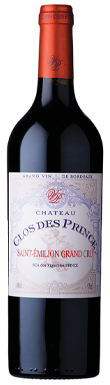
Château Clos des Prince, St-Émilion, Grand Cru, Bordeaux, France, 2022

My wines
Locked score

A small 2.7ha plot split into micro-parcels cultivated meticulously, like a garden. Lovely cooling herbal scents, fresh and clean. Pure and focused, this has an...

2022

BordeauxFrance

Château Clos des PrinceSt-Émilion

Decanter Premium logo

Join Decanter Premium to unlock all our wines tastings and notes

Join Now

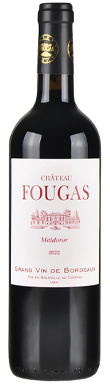
Château Fougas, Maldoror, Côtes de Bourg, Bordeaux, France, 2022

My wines
Locked score

This estate's top cuvée smells heady with menthol chocolate, perfumed florals, sweet cherries and cool blueberries. Glossy and sleek, but not without texture or structure,...

2022

BordeauxFrance

Château FougasCôtes de Bourg

Decanter Premium logo

Join Decanter Premium to unlock all our wines tastings and notes

Join Now

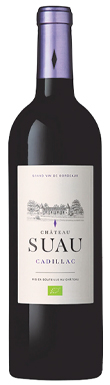
Château Suau, Cadillac Côtes de Bordeaux, Bordeaux, France, 2018

My wines
Locked score

This 66ha estate is at the highest point of the appellation, at 100m, with south-facing vineyards. Juicy and fresh with redcurrant and cherry fruit but...

2018

BordeauxFrance

Château SuauCadillac Côtes de Bordeaux

Decanter Premium logo

Join Decanter Premium to unlock all our wines tastings and notes

Join Now

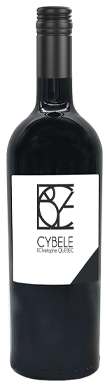
Vignobles Quebec, Cybele, Bordeaux, Bordeaux, France, 2021

My wines
Locked score

From a small, young estate in the Entre-deux-Mers come several wines made with minimal intervention to showcase the purity of Bordeaux. Dried rose petals, cranberries...

2021

BordeauxFrance

Vignobles QuebecBordeaux

Decanter Premium logo

Join Decanter Premium to unlock all our wines tastings and notes

Join Now

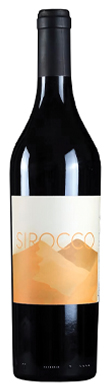
Domaine des 4 Vents, Sirocco, St-Émilion, Puisseguin-St-Émilion, Bordeaux, France, 2021

My wines
Locked score

A windswept estate – hence the name – of 7ha on the clay-limestone soils of Puisseguin. This has a surprisingly rich, heady nose, but really...

2021

BordeauxFrance

Domaine des 4 VentsSt-Émilion

Decanter Premium logo

Join Decanter Premium to unlock all our wines tastings and notes

Join Now

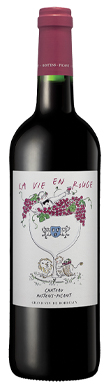
Château Hostens-Picant, La Vie en Rouge, Sainte-Foy Côtes de Bordeaux, Bordeaux, France, 2023

My wines
Locked score

The first organic-certified vintage from this traditional estate, run by a family who want to introduce a new Bordeaux style of fun, and friendly drinkable...

2023

BordeauxFrance

Château Hostens-PicantSainte-Foy Côtes de Bordeaux

Decanter Premium logo

Join Decanter Premium to unlock all our wines tastings and notes

Join Now

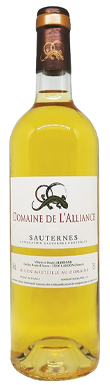
Domaine de L'Alliance, Sauternes, Bordeaux, France, 2022

My wines
Locked score

This 'from scratch' winery was founded in 2005 by former fisherman Daniel and his wife Valérie Alibrand. It's a small, 8ha artisanal low-intervention estate known...

2022

BordeauxFrance

Domaine de L'AllianceSauternes

Decanter Premium logo

Join Decanter Premium to unlock all our wines tastings and notes

Join Now