
Yalumba: producer profile and latest releases tasted
Yalumba, Australia’s oldest family-owned winery, might have more than 170 years of history to fall back on, but it’s also at the forefront of innovation.
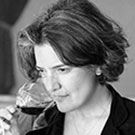

With his thick mop of sandy hair and boyish, gap-toothed grin, it is hard to believe that Robert Hill-Smith – proprietor and chair of Yalumba, Australia’s oldest family-owned winery – celebrates his 70th birthday in 2021.
Scroll down for Sarah Ahmed’s tasting notes and scores on the latest releases from Yalumba
Admired for his leadership and warmth, Hill-Smith – fifth generation of the Barossa-based business – became managing director in 1985.
In 1989 (along with his immediate family) he steered the buy-out of other family shareholders. According to the Wine Industry Directory, Yalumba, founded in 1849, was Australia’s 10th largest wine company by total revenue in 2019.
Yalumba commands great loyalty from staff and growers alike. ‘You really bought into the company,’ says a former employee.
Those who have significantly contributed to Yalumba’s culture and traditions are honoured ‘signatories’ of The Signature Cabernet Sauvignon-Shiraz. Hill-Smith’s father Wyndham (Yalumba’s managing director between 1938 and 1972) launched the wine in 1962.

The signatory for the latest 2016 release is chief winemaker Louisa Rose, who joined Yalumba in 1992 after graduation. The 2015 signatory was Darrell Kruger, vineyard manager for Yalumba’s Barossa properties. He’s been with the company since 1975.
Kruger and other Yalumba ‘VSOPs’ (Very Special Old People, with more than 21 years’ service) have their names inscribed on plaques at the entrance to the winery’s Angaston headquarters, with its iconic clocktower and flag.
Forefront of innovation
With its own nursery since 1975 (supplying vines commercially since 1982), Yalumba has been at the forefront of new clones and varieties. ‘That ability to trial, experiment and philosophise is really liberating,’ says winemaker Rose.
‘I joined Yalumba just as Australian wines were starting to develop a worldwide reputation, so there has always been something for me to do!’ Her work with Viognier in particular has made Yalumba the standard-bearer in Australia.
Following visits in the late ’90s to Condrieu and Côte-Rôtie in the Rhône as well as California, Rose and her team made additional clonal Viognier selections for Yalumba’s nursery to enhance wine flavour, aroma and texture.

To help bring the wines of the world to Australia and Yalumba’s wines to the world, Hill-Smith helped to found wine agency Negociants International in 1985.
It was the same year he became managing director. A difficult one, he explains, ‘because Yalumba was transitioning from being very dependent on fortified wines during the 1970s and ’80s. We had the baggage of history.’
Yalumba sold off its fortified wines and trademarks in 1993, enabling the business to concentrate on table wine production.
Recruited in 1988, winemaker Brian Walsh (Rose’s predecessor) transformed operations. He dispensed with the old-school ‘farmer and chemist’ dichotomy: laboratory-based, white-coated winemakers telling farmers when to pick grapes based purely on sugar readings.
Soon, winemakers were among the vines themselves, tasting berries for phenolic ripeness. This produced a winemaking team ‘linked at the hip with the vineyard’, says Hill-Smith.
Centred on tradition
Today Yalumba (meaning ‘the land all around’) produces about 50 traditional and innovative table wines, ranging from the popular, everyday Y Series label, to its aspirational Rare and Fine range. There are also 11 sister-labels (see box below).
‘Yalumba is defined by the classics, centred on tradition, heritage and the Barossa,’ says Jessica Hill-Smith, Hill-Smith’s eldest daughter and the great-great-great-granddaughter of Yalumba founder Samuel Smith.
She is the latest family member to join the Yalumba fold, becoming a brand manager in 2019.
While The Virgilius Viognier is Yalumba’s flagship white, the portfolio is dominated by Shiraz, the Barossa’s emblematic variety, alongside Cabernet Sauvignon-Shiraz blends – a uniquely Australian tradition.
Yalumba boasts an extensive network of growers (including ‘VSOGs’ – Very Special Old Growers – whose families have supplied Yalumba with grapes for more than 25 years.
Rattling off a list of families, vineyards and sub-regions, senior red winemaker Kevin Glastonbury (a newly minted VSOP, having joined Yalumba in 1999) confirms 10 sites are ‘leading contenders’ for The Signature every year.
Focus on terroir
Yalumba has produced a single-site Coonawarra Cabernet (The Menzies) since 1986, but the Barossa single-site range came later, in 2005.
Hill-Smith is keen to articulate site and sub-regional variation – ‘to tell the story about the differences at our back door’.

‘Eden Valley’s high-toned spice and aromatic expression; the brilliance of colour from Lyndoch’s foothills at the Barossa’s southern extremity; the stewier and darker Shiraz from Light Pass; and full-bodied but high-toned wines from the northwest’s heavier clay ironstone and terra rossa soils.’
Hill-Smith says this focus on terroir reflects a generation of growers who ‘really respect the land and its points of difference a hell of a lot more than previous generations’.
Yalumba has also snapped up ‘viticultural jewels’ like the Tri-Centenary Grenache vineyard which Hill-Smith feared ‘could have been ripped up’.
Daughter Jessica confirms that the recognition, preservation and promotion of old vines was the motive behind the Yalumba Old Vine Charter, which was subsequently adopted by the Barossa Grape & Wine Association.
A host of firsts
Similarly ahead of the game, in 2005 Yalumba was the first Australian company to be recognised for leadership in greenhouse gas management by the Australian Greenhouse Office.
Spearheaded by Yalumba’s senior environmental manager Dr Cecil Camilleri in the 1990s – long before sustainability became a buzzword – the company’s Vitis programme introduced the framework to analyse, review and reduce greenhouse gas emissions across viticulture, production, packaging and market distribution.
Yalumba also made its first certified organic wines in 2005 and, in 2016, installed Australia’s largest winery solar panelling.
A shift towards minimal winemaking has gone hand-in-hand with giving greater expression to vineyard, variety and vintage.

The fine-tuning of barrels (made at Yalumba’s cooperage since the end of the 19th century) was evident when tasting the 2008 and 2015 Octavius, with Hill-Smith last year.
The company’s flagship Shiraz – once called ‘Oaktavius’ – used to be aged mostly in new American oak octaves (90-litre barrels).
Today oak is the frame, not the picture. ‘With healthy, perfectly ripe fruit you are not using anything as a crutch,’ says Hill-Smith. Recent vintages of Octavius show ‘energy, vibrancy and seamless complexity of layers; more lift and spice’.
Neither fined nor filtered since 2011, Yalumba’s range is 100% vegan. Rose says this ‘brings a bit of edge and natural phenolics’ to balance the wine and enhance food-friendliness.
Challenging perceptions
In 2017 Hill-Smith launched the luxury icon Cabernet Sauvignon-Shiraz blend The Caley. At a time when Australians were emerging from a period of ‘cultural cringe’, he says it aimed to challenge perceptions that ’we are not yet seen as a country to belong to a club of elite wines’.
Though ageworthy, also being broachable on release has been a double-edged sword for Australian fine wine. It is certainly a hallmark of Yalumba’s top wines, whose alluring primary fruit can make them difficult to resist.
At its London launch, The Caley 2012 was presented alongside tertiary delights from the Yalumba cellar. There were reds from 1974, 1961 and 1959 and a 1908 fortified Muscadelle.
The company is building a museum-release programme to emphasise the ageability of its top wines – and preserve us from the temptation of infanticide.

The past year has been a bruising one for the Australian wine industry. First drought, then bush fires, the global pandemic and now swingeing tariffs in China, its biggest market.
‘Every generation has encountered challenges and had to innovate and fight to stay alive,’ says Jessica Hill-Smith.
‘The fact that our family has held on, resisting the temptation to hand over the keys speaks to a sense of responsibility – that we are just custodians for future generations. Yalumba is our home and we fight for it.’
Yalumba: a timeline
1849 Samuel Smith acquires and plants an Angaston property, calling it Yalumba; first wines produced in 1853
1908 Yalumba clocktower constructed
1962 First vintage of The Signature, dedicated to Samuel Smith
1975 Yalumba vine nursery established
1985 Robert Hill-Smith becomes managing director, introducing premium wines The Menzies (1986) and The Octavius (1988)
1989 Robert Hill-Smith and immediate family buy out other family shareholders; premium focus continues with The Virgilius (1998) and The Reserve (1990)
1990s Vitis programme formalises sustainability initiatives at estate and grower vineyards
2006 First certified organic releases of Shiraz and Viognier
2011 Range becomes 100% vegan
2012 First vintage of luxury icon red blend The Caley
2016 Australia’s largest winery solar panelling installed
Yalumba: the facts
Owners Hill-Smith family
Winery Angaston, Barossa Valley
Grape crush 8,000-10,000 tonnes/year (60% from estate grapes)
Annual production 500,000 cases
Vineyard sources Barossa Valley: 100ha estate fruit, 162ha grower fruit; Eden Valley: 35ha estate fruit, 67ha grower fruit; Coonawarra: 40ha estate fruit
Sister-brands Oxford Landing, Jansz, Pewsey Vale, Hill-Smith Estate, Dalrymple, Heggies, Running with Bulls, Smith & Hooper, Ringbolt, Winesmiths & Nautilus Estate (New Zealand)
Yalumba: Sarah Ahmed tastes the latest releases
You might also like…
Hentley Farm: producer profile
The Standish Wine Co: producer profile
Grant Burge Wines: producer profile
Yalumba, The Virgilius Viognier, Eden Valley, South Australia, Australia, 2018
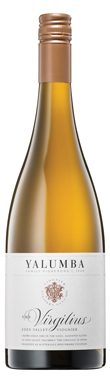

Harvested during a balmy Indian summer, where cool nights preserved acidity. With just 13% alcohol, this Viognier is fleet of foot, with restrained fruit and...
2018
YalumbaEden Valley

Yalumba, The Virgilius Viognier, Eden Valley, South Australia, Australia, 2017
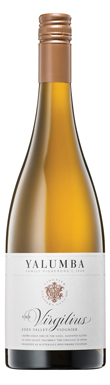
A long, mild growing season has given a rich, flavoursome Viognier here – more citrus-driven, with a riper fruit spectrum than the 2018, with candied...
2017
YalumbaEden Valley
Yalumba, The Caley, South Australia, Australia, 2015
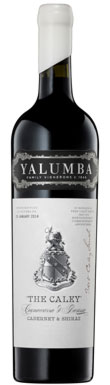
This fourth release of Yalumba’s flagship Cabernet Sauvignon-Shiraz is opening up beautifully. Complexing seaweed notes mingle with cedar and dried herbs. Polishing the blackcurrant, berry...
2015
Yalumba
Yalumba, The Octavius Old Vine Shiraz, Barossa, South Australia, Australia, 2016
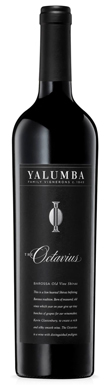
This blend of Barossa Valley (67%) and Eden Valley fruit hails from five parcels averaging 80 years old, the oldest planted in 1854. Intensely concentrated...
2016
YalumbaBarossa
Yalumba, The Signature Cabernet Sauvignon-Shiraz, Barossa, South Australia, Australia, 2016
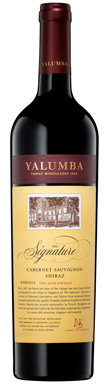
Cool summer and autumn nights tempered warm days in 2016, producing great intensity to the iodine and espresso-edged nose and palate here. With silky blackberry...
2016
YalumbaBarossa
Yalumba, The Menzies Cabernet Sauvignon, Coonawarra, South Australia, Australia, 2015
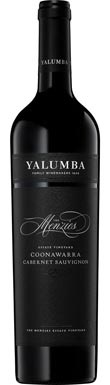
D block of the Yalumba-owned Menzies vineyard, planted in 1975, is the exclusive source of The Caley, whose seaweed hints it shares. Deep crimson with...
2015
YalumbaCoonawarra
Yalumba, The Signature Cabernet Sauvignon-Shiraz, Barossa, South Australia, Australia, 2015
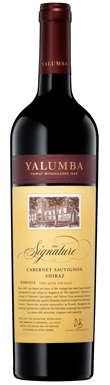
Honouring Barossa vineyard manager Darrell Kruger’s service (since 1975), the expressive nose reveals blueberry fruit, eucalyptus hints and mocha oak. Dried herbs, liquorice, chocolate, an...
2015
YalumbaBarossa
Yalumba, Steeple Vineyard Shiraz, Barossa Valley, South Australia, Australia, 2015
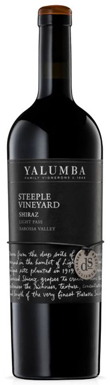
This vineyard in Light Pass was planted in 1919 on well-drained red brown loam. Aged in French oak barriques (19% new), this smooth, elegant Shiraz...
2015
YalumbaBarossa Valley
Yalumba, The Cigar Cabernet Sauvignon, Coonawarra, South Australia, Australia, 2016
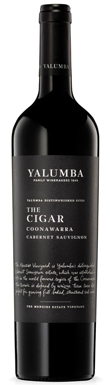
Lower than average winter rainfall and a warmer spring and summer have produced an exuberant Cabernet, with a sweet ripe blueberry and cassis aroma. Sourced...
2016
YalumbaCoonawarra
Yalumba, Tri-Centenary Grenache, Barossa Valley, South Australia, Australia, 2015
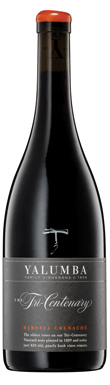
From 820 bush vines, planted in 1889 on deep, sandy loam over red-brown clay, now owned by Yalumba. Open-fermented, with 41-days of post-fermentation maceration and...
2015
YalumbaBarossa Valley
Yalumba, Samuel’s Collection Shiraz, Barossa, South Australia, Australia, 2018
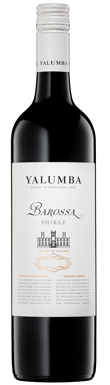
92
Named after Yalumba founder Samuel Smith, Shiraz grapes come from diverse Barossa vineyards aged between 10 to more than 35 years old. The goal is accessibility, with a strong varietal and regional accent – and it hits the back of the net. Very Barossa, with generous Black Forest gateaux-like cherry and mocha oak (26% new French, American and Hungarian hogsheads, barriques and octaves), juicy blackberry and plum fruit and meaty, peppery undertones.
2018
YalumbaBarossa
Yalumba, Samuel’s Collection Bush Vine Grenache, Barossa, South Australia, Australia, 2019
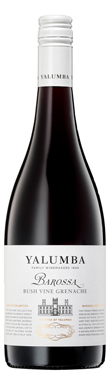
91
Old bush vines from contract growers as well as 'younger’ Tri-Centenary Vineyard vines from 1929 bring a strong regional and varietal stamp to this medium-bodied Grenache. It reveals vivid red berry aromas of raspberry pips and cherry but with a light prick of tannin and rose petal, anise, sandalwood and a lick of mint, it is complex, not just fruity. A kirsch note warms the finish, overtaking the detail a little, but there's lots to like.
2019
YalumbaBarossa
Yalumba, Antique Muscat, South Eastern Australia, Australia
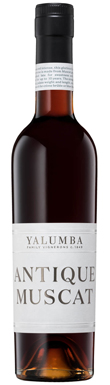
Like Rutherglen Muscat, shrivelled and partially raisined berries are fermented briefly on skins, then fortified. Fruit is sourced from red and black (as well as...
Yalumba
