

Special sites define special wines – and House of Arras winemaker Ed Carr’s decision to focus on sourcing the best Chardonnay and Pinot Noir from selected Tasmanian vineyards has provided him with the elite materials to produce sparkling wines of rare complexity and outstanding quality.
Such heightened nuance reflects Carr’s careful reading of vintage conditions, with a shining example being the 2013 Arras Grand Vintage. It signals the resumption of a policy for these wines to rest on lees for seven years, and at least six months under cork before being released to the market. Carr says this captures the ideal balance between fresh fruit expression and showing development through ageing.
Thanks to such extended time on lees, 2013 Arras Grand Vintage achieves a wondrous marriage of primary, secondary and tertiary characteristics, seamlessly woven together. It shows power without being unnecessarily forceful, while the palate captures the luscious opulence of lemon meringue with a lick of wet slate – and Carr marvels that it’s the driest Arras Grand Vintage he’s made, with limited dosage resulting in only 2.5g/litre of residual sugar.
‘It’s the ideal marriage of elegance and structure,’ says Carr. ‘It’s restrained enough to really expose the bones of this wine. It’s exactly where I want this wine to be.’

The 2013 Grand Arras has been built in the same style as the first wine Carr made for Arras, the 1995 vintage, comprising 62 per cent Chardonnay with Pinot Noir. It stands as a hallmark that defines a recognisable House of Arras style.
‘I was so excited because that juice from Tasmania was fundamentally different from other cool-climate sites in Australia – leaner, tighter, more minerally,’ remembers Carr. ‘The wine we made was a direct response to the sites we had chosen to source fruit from.’
Complexity comes with an intricate selection of grapes from a complex patchwork of superior sites across various sub-regions throughout Tasmania – Derwent River, Pipers River, Coal River Valley and the eastern coastal areas. Such a wide array of vineyard sources gives Carr the confidence to continue holding larger volumes of base wines in reserve, providing him with greater blending options.
‘Each year we learn more about the mix,’ says Carr. ‘We are identifying specific strengths, from the steely Chardonnay of Pipers River to quartzy loams for Pinot. Each sub-region, from north to south, has its place to fit into the blends.’
Through working with these superior vineyard sites for more than 25 years, Carr says his confidence to produce wines of greater finesse has grown, evident through the expanding House of Arras range of styles, from rosé and blanc de blancs to older vintages spending long maturation time on lees.
‘We’ve learned so much over 25 years, yet when you look at our first Grand Vintage blend, it shows our original hunch about the fruit and the style for Arras was true,’ says Carr. ‘Now we just keep refining the results.’
For more information on the latest House of Arras releases click here.
You may also like
Grant Burge Wines: producer profile
Hardys Icon 2021 releases: traditions maintained


-
 Shaping the future of wine & spirits: What’s new at ProWein Düsseldorf?
Sponsored content Returning on 15 – 17 March in Düsseldorf – discover what's new at ProWein in 2026...
-
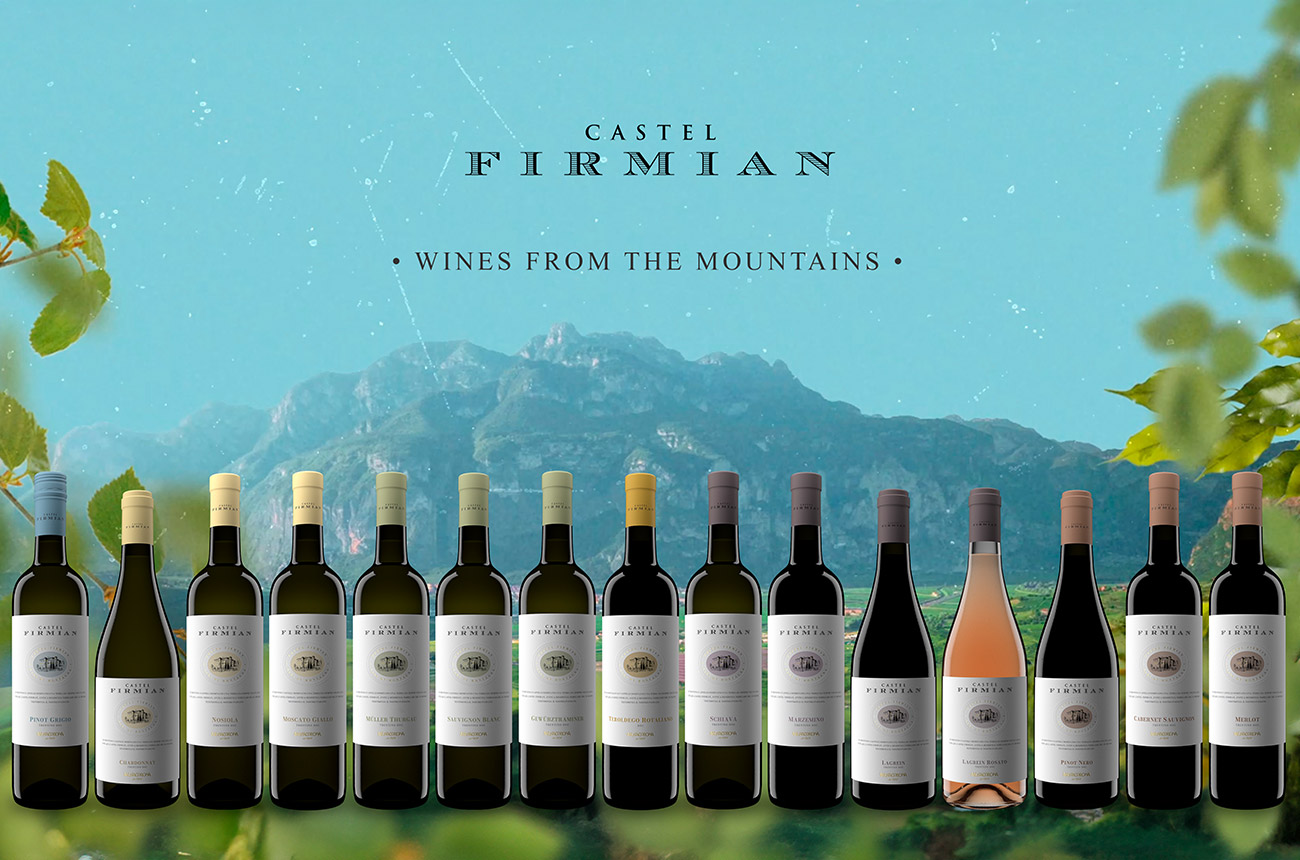 Castel Firmian presents a fresh new look with Wines from the Mountains
The Trentino winery telling its story with a fresh rebrand...
-
 Toro: A tale of resilience, evolution and commitment
This region’s past offers important clues on how to face present challenges...
-
 Juvé & Camps: Taking long-aged sparkling wines to new heights
Sponsored content Long-aged sparkling wines that express the craft of the winemakers...
-
 Plaimont: Building the future of Saint Mont
Sponsored content A 'super cooperative' leading on sustainability in the Pyrenean foothills...
-
 Grignan-les-Adhémar AOC: At the head of the Southern Rhône
Sponsored content Discovering the diversity of the Southern Rhône’s most northerly appellation...
-
 Wine Paris 2026: A new era for the global drinks industry
Returning from 9-11 February in Paris, discover what's new in 2026...
-
 Remírez de Ganuza: Looking to the future
Decanter sits down with Jose Ramón Urtasun...


