

Growing up in a winemaking family in Moldova, Denis Lungu learnt firsthand about low-intervention, natural winemaking. He remembers fresh, fruity wines, made from local grape varieties such as Fetească Neagră and Fetească Regală.
Now as senior sommelier in the Gleneagles team, he’s introducing Moldovan labels to the UK market, both through the wine list and via public tastings with WoodWinters, in collaboration with specialist Moldovan importer WineChateau.co.uk. He chooses local Moldovan grapes as a unique proposition for the UK market.
As examples, Lungu highlights Mileștii Mici’s Purpuriu de Purcari, made from Pinot Franc (a crossing of Pinot Noir and Cabernet Franc, developed in Moldova in 1965, and rare to find as a monovarietal wine) and Lupi, a beautiful blend of Cabernet Sauvignon, Merlot and Saperavi produced by Gitana.

How would you pair Gitana’s award-winning Manastirea Rohrbach Cru 2020?
This 100% Riesling expression from Gitana is fresh and vibrant, with aromas of honeysuckle. Slightly off-dry (like many Moldovan wines – due to the hot climate), it ages beautifully, gaining petrol notes. Pair with a traditional Moldovan rabbit dish, cooked in double cream. The wine’s fresh acidity and gentle hint of sweetness complements the tender, light meat and buttery, creamy sauce. Smoked lobster is another perfect pairing.
What gives Moldovan winemaking a point of difference?
From rustic, skin-contact, natural wine styles made in small quantities, to a rise in biodynamics and traditional approaches such as foot treading, winemaking in Moldova celebrates innovation. One exciting example is the first wine to be made with AI in Moldova, which was presented at ProWein, Düsseldorf, in 2024.

What challenges and opportunities does Moldova’s climate bring?
Temperatures can reach 40°C in summer and can drop as low as -16°C in winter – but Moldovan wineries have adapted to these extremes. Careful pruning is needed to avoid frost damage: either in autumn or closer to spring. In winter, the vines are buried with compost or ash to protect them from frost. Moldova is also experimenting with ice wine – Château Purcari produces a nice example from Muscat Ottonel and Traminer, whilst Château Vartely makes a delicious expression from Riesling.
What can you tell us about Moldovan sparkling wines?
Moldova makes traditional-method sparkling wines as well as tank-method wines. A key producer is Cricova, who pioneered the traditional method in Moldova and still hand-riddles for its vintage cuvées, which see five years on lees. I shared Cricova’s Grand Vintage Brut 2012 (100% Pinot Noir) as a part of a blind tasting for my team, and they were blown away.
Sparkling styles in Moldova range from extra brut to sweet, often made with local grapes such as Fetească Albă and Fetească Regală. Château Purcari was among the first in Moldova to use local varieties in its sparkling wines, all of which are made using the traditional method. Its Cuvée de Purcari Fetească Albă Brut is a great example of how well suited these grapes are to sparkling wines.

Finally, can you recommend two local grapes, and how would you pair them?
The white variety Viorica can be made in a range of styles, from dry to off-dry, and orange too. It’s somewhere between Gewürtztraminer and Pinot Gris, with notes of acacia, lemon, lime and apricot: making for very ripe wines, yet with beautiful vibrancy and freshness. When vinified as an orange wine, it gives notes of dried apricots, nectarines, honeysuckle, honeycomb and a hint of sourness. I’d pair Viorica with traditional Moldovan fish dishes: lake fish fried in breadcrumbs or baked carp. It works beautifully with the oiliness, nice acidity and fruit balance of a dry or orange Viorica.
For reds, Rară Neagră – which I see as somewhere between a Pinot Noir and a Gamay – is made both in fresh, vibrant, lighter styles as well as oak-aged expressions, and is well-suited to carbonic maceration. At Château Purcari, they are experimenting with late-harvest examples as well as night harvesting to preserve freshness and acidity. I would pair a chilled glass of Rară Neagră with a traditional Moldovan savoury pastry, plăcintă. The wine’s red fruit works beautifully with the fluffy, buttery pastry and salty cheese fresh from the oven. This is a very food-friendly variety – the vibrancy of its fruit would also suit fish dishes.
Discover more about Wine of Moldova
Connect on Facebook | Instagram

Read more about the wines of Moldova:
A country of unexpectedly great wines
The Wine Routes of Moldova


-
 Christie’s to auction the cellar of the Hon. Henry Tang
Sponsored Featuring legendary wines...
-
 Castello Monaci: History and heritage in Salento
Sponsored Winemaking excellence in Puglia...
-
 Setting the standard for Spanish wine: Pata Negra Fauna
Sponsored A journey through Spain's wine regions...
-
 Istria: A bright future for Vinistra
Sponsored Showing Istria's diversity and quality...
-
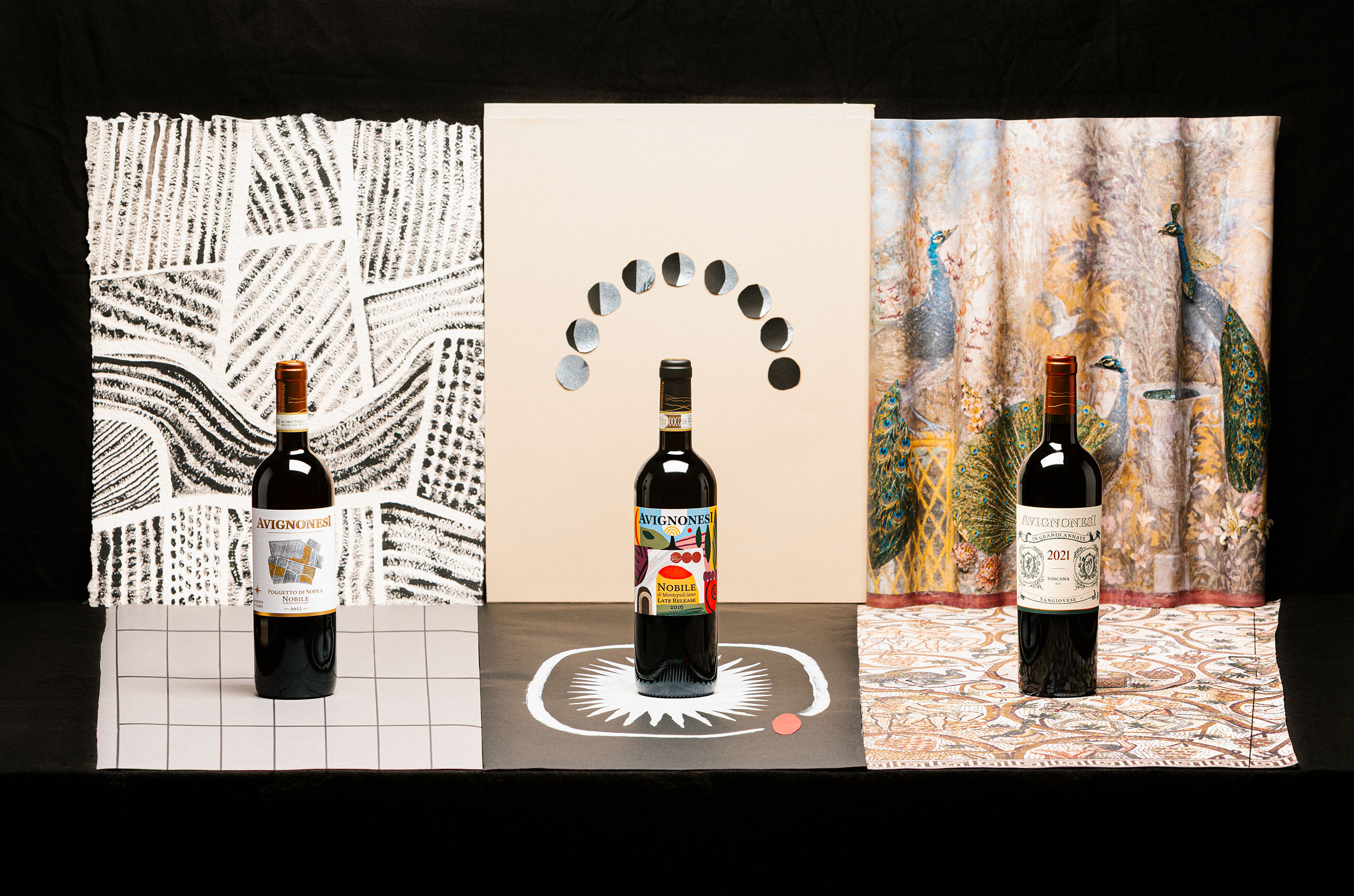 Avignonesi: The soul of Sangiovese
Sponsored Storied expressions of Tuscany’s most famous grape...
-
 Alto Adige: Where diversity meets quality
Sponsored A hidden gem...
-
 Gualtallary Wines: A Mendoza winery with an international vision
Sponsored Excellence at high altitude...
-
 Casa Real 2023: A South American icon
Sponsored A renowned Cabernet Sauvignon...


