

Napa Valley’s Ovid earned perfect, 100-point scores from Decanter for its 2013 and 2021 Cabernet Sauvignons.
Although both wines come from Ovid’s six hectares of vines atop Pritchard Hill, overlooking the Oakville AVA, they are separated not only by eight vintages but also by differences in climate, vine age and myriad other micro-transformations of the site.
Continuity and change
Winemaker Austin Peterson produced both the 2013 and the 2021, but even his expertise has evolved with each harvest, and subtle changes in winemaking come with the lessons learnt over each growing season.
Peterson recalls a conversation with his friend Jean-Louis Mandrau, former winemaker at Château Latour. ‘I remember asking him about wines he made early in his career versus those he made later. After a long drag on his cigarette, he said they were much like siblings. You can see the resemblance, but they all have their own personality.’
Indeed, the 2013 and 2021 Ovid Cabernet wines offer distinct expressions of the same place – two beautiful snapshots of the evolution of the estate.
‘All of our focus is on this virtuous cycle of spending the growing season out in the field tending to the vines, and then making wine from them,’ explains Peterson. ‘Harvest provides us with an invigorating energy or reward, as we get to see how each decision we made comes to fruition.’

New ideas, new goals
Peterson notes that, with 25 years of growing history, he can identify distinct eras when critical changes in farming improved the wines – such as adjusting row orientation and vine density.
More recently, Ovid has embarked on new vine plantings, a project in collaboration with Bettinelli Vineyard Management – a respected Napa farming family with roots in vinegrowing dating back to the early 1960s.
‘With these new plantings, we set two ambitious goals,’ Peterson explains. ‘The first was to take the long view, not only in the quality of our decisions but also in adaptability. If I have learnt anything, it’s that my best idea today won’t be my best idea in 10 years. So, we need flexibility in the vineyard, for us and for the dynamic world we live in.’
The second goal is to achieve zero inputs in the vineyard, which, according to Peterson, means ‘no irrigation, no fertilisers, no sprays, nothing’. The less human intervention in the vineyard, he reasons, the more the finished wine will capture what makes the site so magical.
How does one grow vines with zero inputs? The simple answer is preparation – the right combination of rootstock and scion. To prepare the land, Ovid ‘planted a very diverse cover crop and grew it for a year before planting,’ which enriched the ground with microbially vibrant and healthy soil, ensuring the land had the nutrients the vines needed.

Adaptability and innovation
Experimentation is another key factor. ‘We had scores of ideas but no guarantees, so we decided to try many things,’ Peterson recalls. ‘We have four different planting densities, two different row orientations, four different trellis systems and a number of rootstock and clonal selections never previously planted at Ovid.
All of these designs have flexibility built in, so we can adapt as our understanding evolves.’
Several of these ideas are already coming to fruition. In 2024, all the new experimental plantings produced a crop. ‘Typically, you’d spend the first five years establishing a vine – and in much of the New World that means irrigation through most of the growing season,’ explains Peterson.
‘We’re just completing the third year and have successfully dry-farmed about half of the new vines, with the other half getting just one or two irrigations for the year.’
Ovid’s vineyard sits on a largely west-facing outcropping on the eastern side of Napa, with extremely well-draining soils. For this reason, the fact that dry farming is even working in its first year is, as Peterson puts it, ‘pretty astounding’. Only time will tell what lies ahead.
Award-winning expressions
UK stockists: Lea & Sandeman
Discover more about Ovid
Connect onFacebook | Instagram

Ovid, Napa Valley, California, USA, 2013
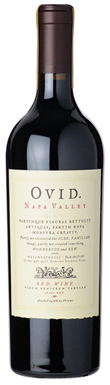

A decade later, the 2013 Ovid is a complete wine, showcasing the limitless potential of crafting Cabernet Sauvignon perfection atop Pritchard Hill. Effusive aromas of red berry fruits lightly powdered by the dust of pulverised crushed stones are framed by succulent cedar spices and pops of blue agave, new-growth chaparral, dried thyme, sage and rose petals. Full-bodied and layered with a rich panoply of blackberry, cherry, plum, and pomegranate fruits with a zesty acid tension. A mix of fruit and warm earth notes is supported by powerful, grippy tannins that firm up the broad-shouldered structure, while the finish is lengthy and filled with a host of purple florals, creme de cassis, and more elegant cedar spices. Seamless, pleasure-packed and simply wonderful to drink.
2013
OvidNapa Valley

Ovid, Napa Valley, California, USA, 2021
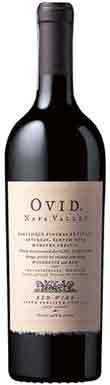
Each year, the blend of Ovid wines varies depending on the vintage. Winemaker Austin Peterson prefers not to pre-plan the blend, instead approaching each vintage with a fresh perspective. Often, the wine needs more Cabernet Sauvignon to qualify as a Napa Valley varietal wine. The vineyard features an abundance of Clone 4, planted across four of its 17 blocks within the 6ha site. This clone contributes a distinctive savoury character and polish, evident in the 2021 vintage with its flinty minerals, green tobacco, and mulberry fruit, reminiscent of Napa Cabernets from the 1970s. Comprising 80% Cabernet Sauvignon, 10% Cabernet Franc, 6% Merlot, and 4% Petit Verdot, the wine is aged 20 months in 66% new French oak. It is full-bodied with ripe, chewy tannins that assert themselves on entry but gradually soften, revealing a beautifully layered wine with mineral-infused mulberry fruit and green tobacco aromas. The wine exhibits notable tension, supported by a pH level 3.78, ensuring vibrancy and freshness. It is a pedigreed wine characterised by balance, intensity, and complexity.
2021
OvidNapa Valley



-
 Shaping the future of wine & spirits: What’s new at ProWein Düsseldorf?
Sponsored content Returning on 15 – 17 March in Düsseldorf – discover what's new at ProWein in 2026...
-
 Castel Firmian presents a fresh new look with Wines from the Mountains
The Trentino winery telling its story with a fresh rebrand...
-
 Toro: A tale of resilience, evolution and commitment
This region’s past offers important clues on how to face present challenges...
-
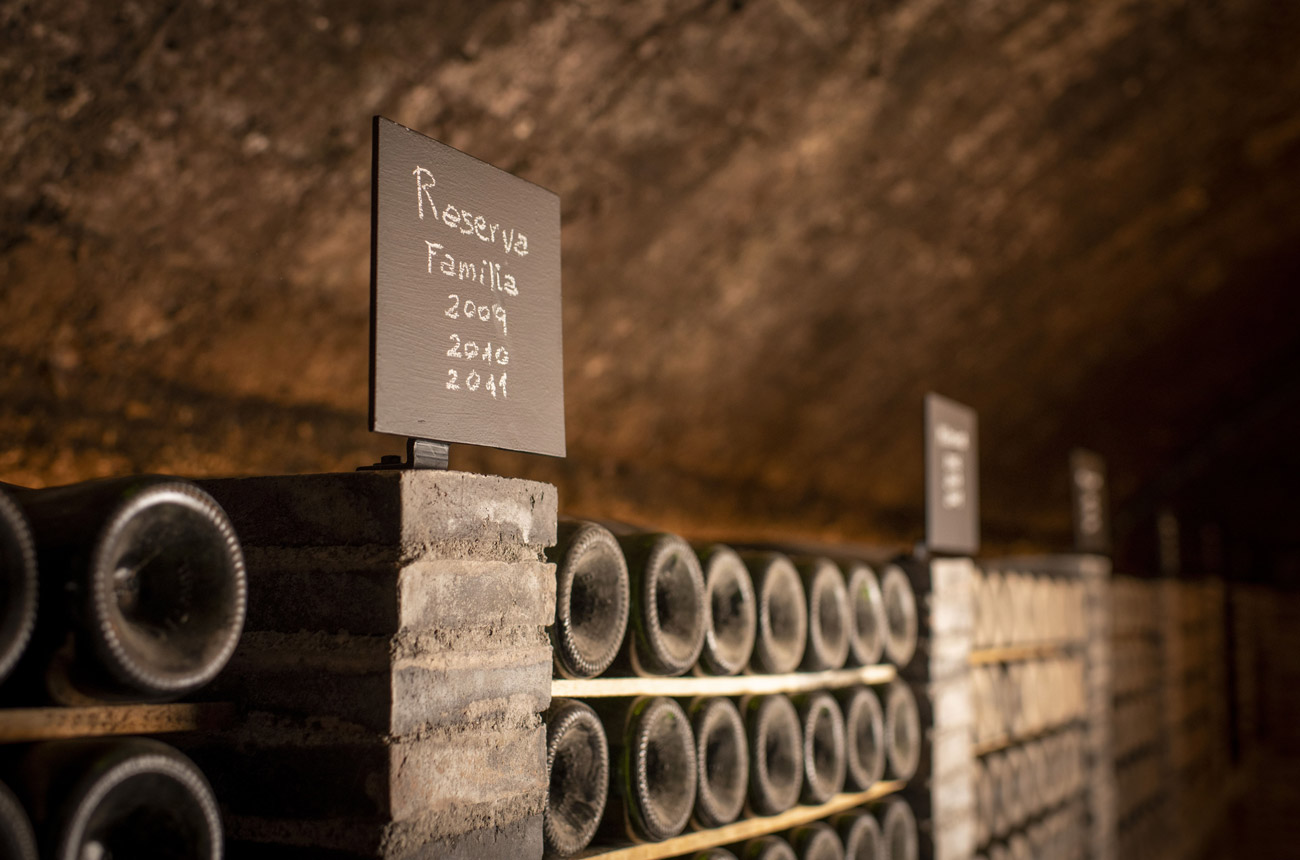 Juvé & Camps: Taking long-aged sparkling wines to new heights
Sponsored content Long-aged sparkling wines that express the craft of the winemakers...
-
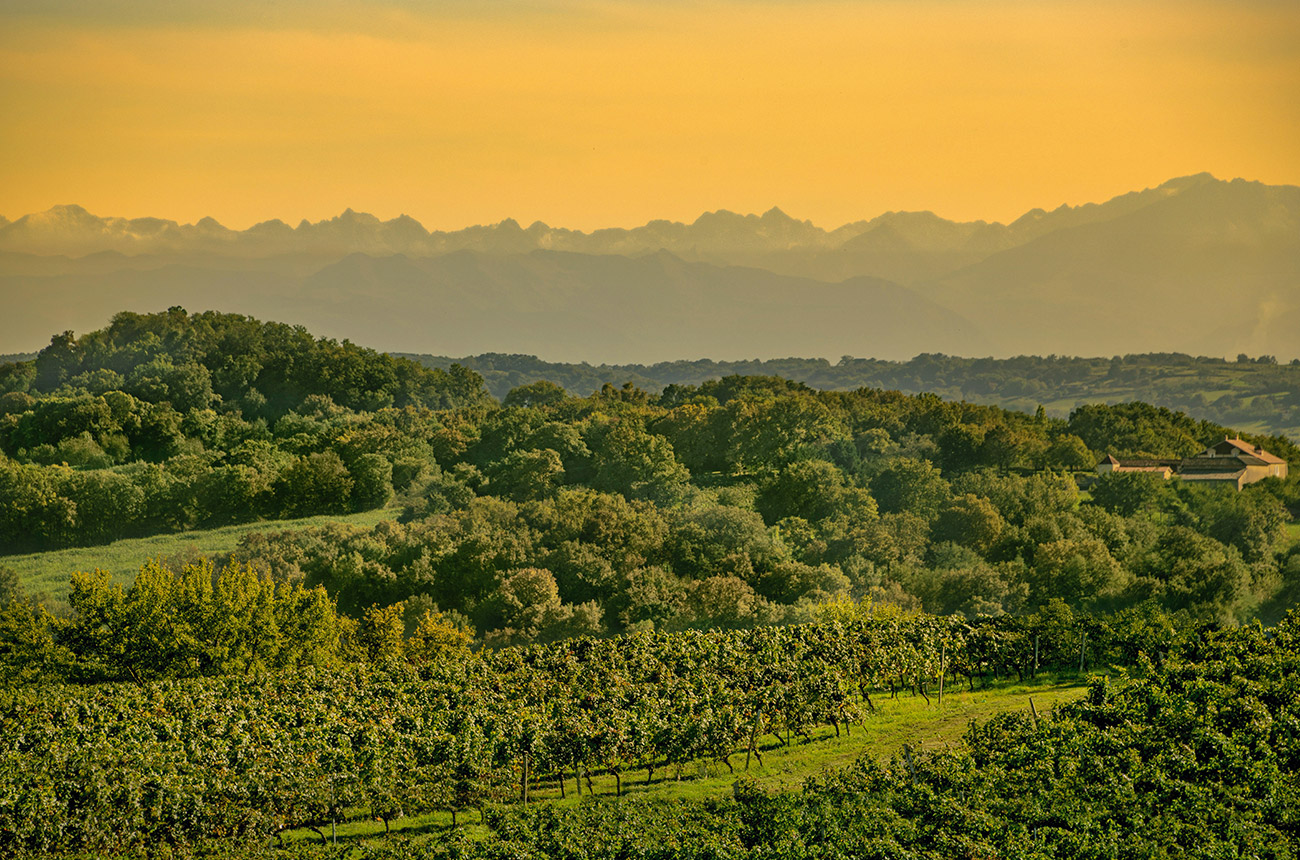 Plaimont: Building the future of Saint Mont
Sponsored content A 'super cooperative' leading on sustainability in the Pyrenean foothills...
-
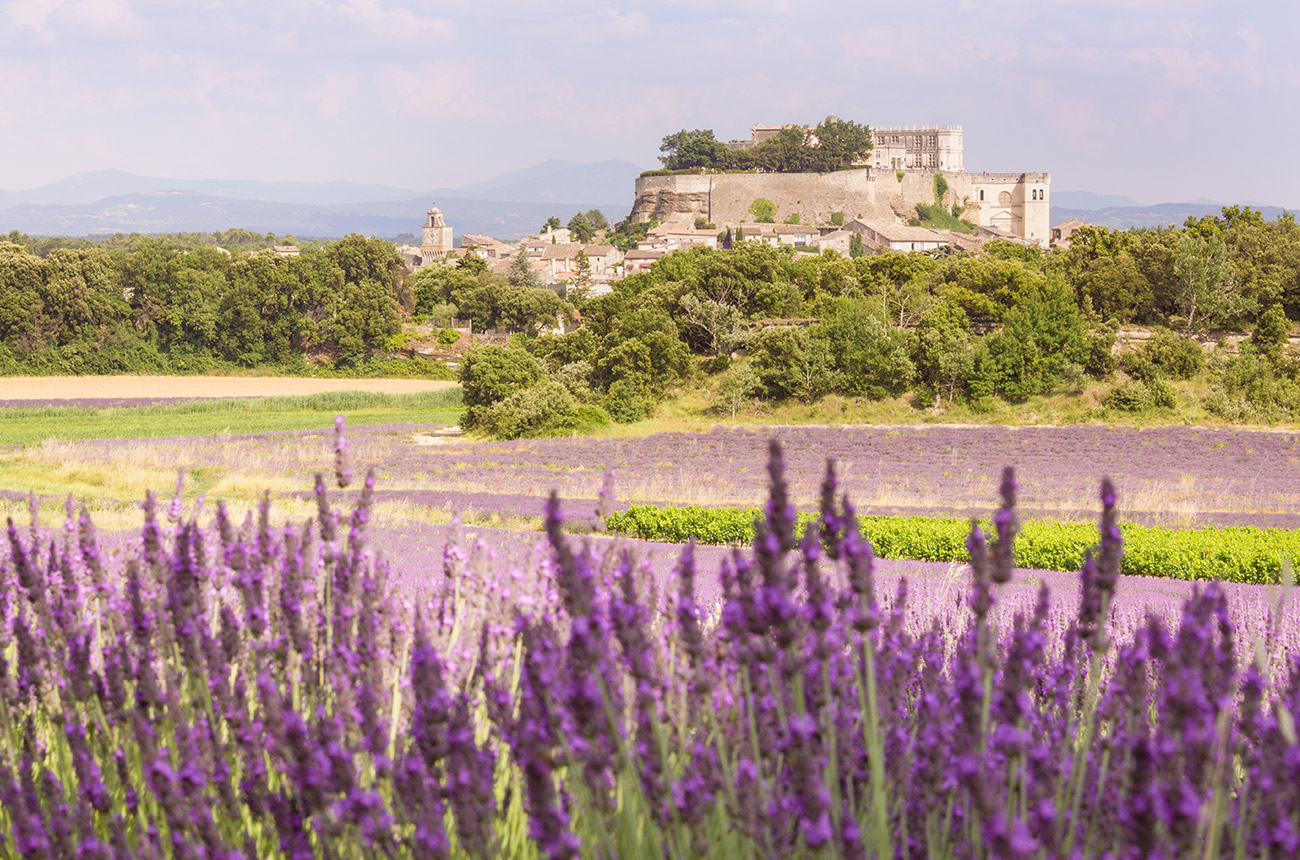 Grignan-les-Adhémar AOC: At the head of the Southern Rhône
Sponsored content Discovering the diversity of the Southern Rhône’s most northerly appellation...
-
 Wine Paris 2026: A new era for the global drinks industry
Returning from 9-11 February in Paris, discover what's new in 2026...
-
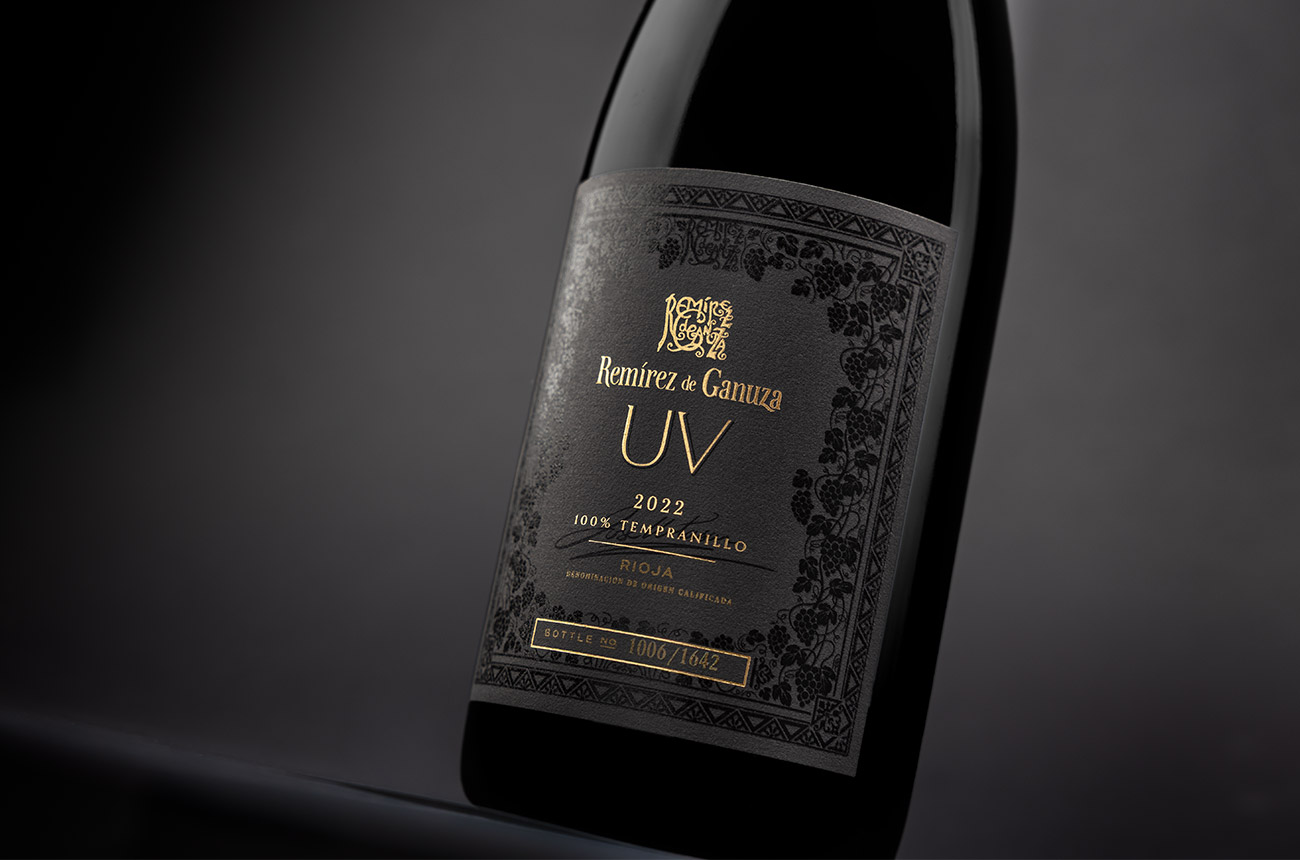 Remírez de Ganuza: Looking to the future
Decanter sits down with Jose Ramón Urtasun...


