Garda DOC: Wineries to visit and wines to seek out
Sarah Lane explores the variety of Garda DOC wines, from well-known names to new generation sparklers.


The glittering, deep blue water of Lake Garda, with its seductive Mediterranean climate and lush vegetation, soft breezes and striking mountain backdrop is no stranger to many a traveller. A naturally refined yet easygoing atmosphere pervades the lake, offering the prospect of relaxed waterside drinks and dining; as much of a draw as the many charming towns and villages around its 158km perimeter.
While some of the area’s wines, such as Valpolicella and Bardolino, are famous worldwide, there’s another player on the wine scene that’s making a name for itself. With a fresh focus and new direction as crystal clear as the lake water itself, the Consorzio Garda DOC has succeeded in encapsulating that relaxed elegance in a new generation of still and sparkling wines that evoke the essence of carefree afternoons on the lake.
What is Garda DOC?
While the Garda DOC denomination has existed for over 25 years, the official Consorzio has only recently hosted its first event to present the DOC’s identity. Covering a vast area that coincides with no fewer than 10 historic appellations – largely in the Verona province, but with parts of Mantua to the south and Brescia to the west – including big names such as Soave and Lugana, as well as Valpolicella and Bardolino, there has understandably been confusion in the past.
As the Consorzio’s president, Paolo Fiorini explains, ‘Garda DOC complements the historic denominations by providing extra opportunities for wineries in this large area to work with varieties and styles not previously open to them; we are working together, not competing.’
The Consorzio is also carrying out studies aimed to benefit all the wineries, including research into which varieties are best suited to each zone’s terrain and microclimate.
Around Lake Garda
The Garda DOC area cradles the western, southern and part of the eastern shores of the lake, stretching eastwards past Verona to Soave and the Lessini Durello sparkling wine area, where delicious Monte Veronese DOP cheeses are also made.
The west
To the west of the lake, morainic hills formed by ancient glacier movements are home to vines and olives grown on terraces overlooking the water; views from the Rocca di Manerba promontory are spectacular. Just beyond is the attractive historic centre of Salò, arranged around a sweeping horseshoe-shaped bay with cobbled side streets and some good restaurants including the old-style Osteria dell’orologio where you can enjoy lake fish dishes such as pike with polenta and an impressive choice of local wines. A curious, rather bizarre, villa to visit nearby is Il Vittoriale, which fully reflects the personality of its owner, poet-soldier Gabriele D’Annunzio.
This is the land of Valtènesi Chiaretto, an intense rosé made with Groppello grapes that are almost exclusive to the area. A fresh, spicy red version is also made and winemakers are getting superb results with sparkling Groppello too, including at the Pratello winery which has a gorgeous agriturismo restaurant and rooms. The winery’s young brother-and-sister team, Naike and Nathan Bertola, have taken the variety’s rosé theme one step further with their own parallel range of Groppello-based rosé wines under the Opera Roses label.

At nearby Tenute del Garda, the focus is again on traditional local varieties; Riesling, grown here since Austro-Hungarian domination, in addition to Groppello. A series of Riesling micro-vinifications is planned to allow each plot to express its purest character.
The southern shore
The flatter southern edge of Lake Garda is home to Lugana, the mineral-infused white currently surfing a crest of popularity. Named after a district of Sirmione, the wine is made with Turbiana (Trebbiano di Lugana) grapes that thrive in the calcareous-clay lakeside soils here.
One winery with an admirable range of Lugana and also achieving superlative results with international varieties, including Traditional Method Garda DOC Chardonnay, is Perla del Garda. It’s only a short drive from Lonato del Garda, where views from the castle are fabulous.

The pretty spa town of Sirmione occupies an unusually narrow, 4km-long peninsula stretching into the lake. Its 13th century castle with walls rooted in the water is spectacular and the ruins of a large ancient Roman villa, Grotte di Catullo stand at the tip of the peninsula where hot springs bubble under the lake. For fine dining and luxury rooms over the water, book at La Speranzina; a good budget option in a wonderful position by the castle is the simple Hotel Grifone.
Further south
The morainic hills of the Colli Mantovani, further south, are gentler than those west of the lake. Here, the Stefanoni family runs the energy self-sufficient Ricchi winery and Relais La Casina, the latter boasting 12 rooms, a restaurant and spa. The family embraced the Garda DOC denomination from the start for its top wines, and is among several producers here making dry wines with partially-dried grapes – echoing the Amarone tradition from nearby Valpolicella – to bring extra depth and complexity.
Other wineries using the technique to produce exceptional Garda DOC Merlot include La Prendina and Cascina Le Preseglie at Desenzano, which offers beautifully-restructured farmhouse apartments plus yoga and wine experiences.

For more family-oriented self-catering accommodation, the multiple facilities at the San Leone wine estate include independent chalets in a handy location for the riverside cycle path between Lake Garda and Mantua. Near here it passes through Borghetto sul Mincio, an enchanting cluster of 15th century watermills with restaurants and rooms in beautifully converted mills.
The path follows the Mincio river from Lake Garda at Peschiera where the Garda DOC consortium’s boutique is the place to pick up some bottles. This is the traditional area for Custoza, one of the lake’s classic whites, a blend of principally Garganega (the same as Soave) and Trebbiano.
Further east
While the wines of Valpolicella, between Lake Garda and Verona, need no introduction, one high-profile producer in the area to have joined the rising trend for Garda DOC wines is Santa Sofia whose Garda DOC white Croara, made with Trebbiano di Lugana, is highly enjoyable.
Beyond Verona, Soave was recently elected Italy’s village of the year 2022 (‘Borgo dei Borghi’). Soave is surrounded by crenellated stone walls leading to a fairytale hilltop castle, and the celebrated volcanic terrain here brings a unique structure to the Garganega-based wines.
Thanks to its fresh acidity and complexity, Garganega has become Garda DOC’s leading grape, making almost one-third of the denomination’s wines, including an increasing number of spumante versions. Even top Prosecco producer, Valdo has joined in with their century-long sparkling-wine expertise, sourcing the best Garganega for excellent Garda DOC brut. Bottles proudly bear the elegant blue colour scheme for capsule and label that’s a recurring theme among Garda DOC wines, recalling the seductive shades of the sparkling blue lake water.
Rocca Sveva, housed in a medieval complex adjacent to Soave’s picturesque walls and part of the Cantina di Soave cooperative, has atmospheric cellars and botanical gardens offering stunning views over Soave and its castle. Their Garganega-Chardonnay brut, one of the ‘Maximilian I’ range of sparkling wines, is perfect for sunset sips in such a striking context.

Currently permitted for blends, Garganega is one of three varieties that will be authorised to be named on spumante labels under the forthcoming updated Garda DOC regulations (expected by 2024) along with Corvina for rosé and Chardonnay – a step forward in today’s world of informed consumers who like to know what they’re drinking.
The eastern shore
Back on the lake, the eastern shore is known as Riviera degli Ulivi for the abundance of olive trees grown for Garda DOP olive oil, a prime product that matches the delicate lake fish perfectly. There’s a fascinating – and free – olive oil museum just outside Bardolino, the appealing lakeside town well known for its fruity reds and Chiaretto rosé (not to be confused with Groppello-based Valtènesi Chiaretto). Both Bardolino wines are made with Corvina, also the major grape in neighbouring Valpolicella and now showing its versatility in Garda DOC wines.
A fun moment to see Bardolino is during the annual wine festival (the 91st edition takes place from 29 September to 3 October 2022), while a good way to explore the surrounding vineyards is by walking or cycling through them on the Cammino di Bardolino, a 100km trail divided into stages. There are plenty of opportunities for active types on the water too, including pedalos and sailing, but if you’d rather just relax, opt for a skippered trip with Garda Tours or enjoy the spa at Bardolino’s Hotel Caesius.
Surrounded by vines and ideal for a special stay in this area, Villa Cordevigo offers luxurious accommodation, a pool, spa and bistro, as well as a Michelin star restaurant with an extensive wine list including the owners’ own labels. For more traditional meals and a charming location in nearby Lazise, offering waterside tables, a stone interior and five bedrooms, try the family-run Taverna da Oreste which specialises in seafood and lake fish dishes such as tench risotto. In Garda’s old town, local wines and fish are the order of the day at the low-key Il Cicheto wine bar.
Just beyond Garda, the Punta San Vigilio promontory is a gem of a spot with a timeless atmosphere, centuries-old olive trees and a renaissance villa where artists, poets and heads of state have stayed. In addition to rooms and a restaurant, the more informal – though no less atmospheric – Taverna is a delightful spot, overlooking the rippling water of the historic marina.
As Italy’s largest lake, Garda, together with its surrounding lands, offers so much to explore that it can be overwhelming. For wine lovers, the Garda DOC denomination provides the perfect key for a journey of discovery, both real and sensorial, through a new generation of wines that reflect the fresh and joyful soul of the glittering lake itself.
Garda DOC wineries to visit
Perla del Garda
Designed for sustainability, this contemporary winery makes exquisite Garda DOC spumante and red wines. Thematic tasting experiences include sparkling wines, the reds or Lugana verticals and picnics among the vines too.
Rocca Sveva
Visit the extensive wine cellars carved into the hillside and book a tour combined with horse riding or a sunset tasting in the botanical gardens overlooking Soave’s stunning castle and walls. There’s a traditional restaurant too.
Santa Sofia
A tour of the cellars, parts of which predate the estate’s 16th century villa that was initially designed by Palladio, adds to the enjoyment of a visit to this 100-year-old Valpolicella producer, now also making elegant Garda DOC whites.
Pratello
With vines in a panoramic spot overlooking the lake, stylish accommodation and a pool, bio lake and restaurant serving traditional dishes made with their own produce as well as memorable wines, olive oil, vermouth and gin, you just won’t want to leave.
Factbox: Garda DOC
Date founded: 1996
Number of historic DOC areas covered: 10 (Valtènesi, Lugana, San Martino in Bataglia, Colli Mantovani, Custoza, Bardolino, Terra dei Forti, Valpolicella, Soave, Lessini Durello)
Total hectares under vine in the Garda DOC area*: 31,100ha
Hectares under vine for Garda DOC wines: 1,839ha
Number of bottles per year: 19,428,933
*Including for the same area’s ten historic denomination wines.
Source: Consorzio Garda DOC (2021 data)
Eight Garda DOC wines to try:
Related content
Verona province travel guide
Pieropan: producer profile
Colli Berici: Six to discover
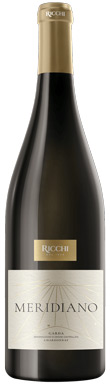
Ricchi, Meridiano, Garda, Lombardy, Italy, 2019
92
Chardonnay has been traditional in the area since the days of the Renaissance and this version has a lively acidity combined with notes of fresh pineapple and savoury sage in a sublime complexity, thanks to briefly dried grapes and a period in second-use wood. The family-run winery is energy self-sufficient and aiming for carbon-neutral certification. The owners, the Stefanoni family, also run an agriturismo with rooms and a restaurant nearby.
2019
RicchiGarda
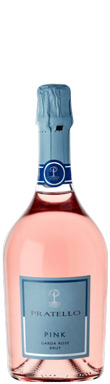
Pratello, Pink, Garda, Lombardy, Italy, 2021
85
The dynamic Bertola family is investing in research and has adopted their own 'Pratello method', named after their 140ha winery and agriturismo (with rooms and restaurant) on the western shore of Lake Garda, which aims to eliminate the use of copper on their vines, to halve sulphites compared to organic regulations, and to cultivate biodiversity. With a zingy grapefruit acidity, this summery ancestral-method blend (40% Groppello with 30% each of Syrah and Merlot) is perfect as an aperitif or with seafood.
2021
PratelloGarda
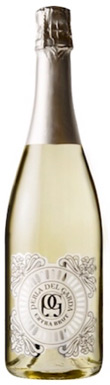
Perla del Garda, Cuvée Extra Brut, Garda, Lombardy, Italy
92
With 34ha under vine in the morainic hills south of Lake Garda, this contemporary winery run by the Prandini family is a prime Lugana producer but also specialises in exquisite metodo classico spumante, both with Turbiana - the Lugana grape - and international varieties like this alluring Chardonnay that spends up to 24 months on the lees. A fresh and intensely herbaceous bite is followed by hints of tangerine and a recollection of peach as delicate as the summer breeze. Disgorged spring 2020.
Perla del GardaGarda
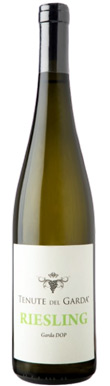
Tenute del Garda, Riesling, Garda, Lombardy, Italy, 2018
93
An appealing green-gold appearance and seductive nose pave the way for a fascinating palate of sage, apricot and petrol, flowing to a long and savoury finish. As Riesling has been giving such impressive results here on the southwest shores of Lake Garda, the winery - which has just embarked on a project to build new cellars - is investing land and research into the grape, especially the more complex Riesling Renano clone; as well as the native local Groppello grape.
2018
Tenute del GardaGarda
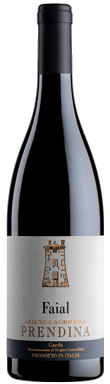
Prendina, Faial, Garda, Lombardy, Italy, 2019
93
An astonishingly expressive Merlot made at Prendina, one of four estates southeast of Lake Garda owned by the Piona family. With 70% of the grapes partially dried and after 18 months in wood, the result is an elegant and complex explosion of fresh berry fruit, chocolate, coffee, liquorice and spice. The name, Faial, is after the island in the Azores that proved a safe haven for late owner Luciano Piona during storms at sea.
2019
PrendinaGarda
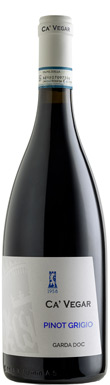
Cantina Castelnuovo, Ca' Vegar Pinot Grigio, Garda, Veneto, Italy, 2021
84
Made from carefully selected grapes harvested by hand and grown in pebbly soil to the southeast of Lake Garda, this satisfyingly weighty, almost oily, Pinot Grigio - one of the Garda DOC's top three grapes in terms of hectares planted - shines a bright silvery-gold. Its fragrant nose, delicately floral with elderflower and jasmine, opens to a full palate of golden apple and pear dressed with a generous sprinkle of Mediterranean herbs such as sage, thyme and savory.
2021
Cantina CastelnuovoGarda
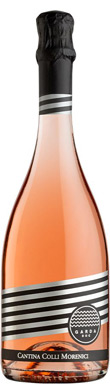
Cantina Colli Morenici, Brut Rosé, Garda, Lombardy, Italy
84
Soft bubbles, a cheerful rosy pink colour and a pretty nose of red berries are joined by bright and crisp Red Delicious apple on the refreshing palate, making this Charmat method Pinot Nero perfect for a summer afternoon. The Colli Morenici cooperative, one of several historical coops in the area, is making the most of resources for quality and sustainability, and has SQNPI certification for integrated quality production techniques for several wines, including this one.
Cantina Colli MoreniciGarda
