
Bordeaux 2025: The vintage verdict and top-scoring wines
A paradoxical year that has produced some stunning results. Read Georgie Hindle's report after just over three weeks of en primeur tastings with more than 800 Bordeaux 2025 wines reviewed.


Preliminary vintage rating
4.5/5
Terroir and winemaking

Looking back at the growing season

The five prerequisites for a great vintage

What the winemakers say

Dry whites and sweet wines

Winemaking choices

Yields and economic reality

Market context

Methodology
Further reading from this report
Bordeaux 2025: The vintage's top wines
Related articles


Château Haut–Brion, Pessac–Léognan, 1er Cru Classé, Bordeaux, France 2025
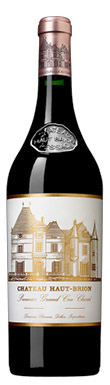

One of the wines of the vintage for me and a clear contender for a 100–point score in bottle. Sticky liquorice and blackcurrant fruit on...
2025
Château Haut–BrionPessac–Léognan

Château Figeac, St-Émilion 1er Grand Cru Classé A, Bordeuax 2025
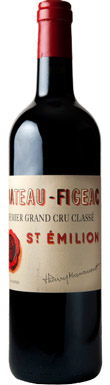
Vivid colour in the glass with absolutely gorgeous perfumed aromas, almost sweet purple flowers and blackcurrants. Really vibrant and expressive, so alive with a touch...
2025
Château FigeacSt-Emilion
Château Beauséjour, St-Émilion 1er Grand Cru Classé, Bordeaux 2025
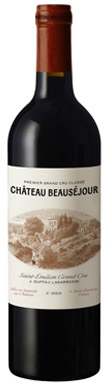
What a brilliant wine in 2025 – a very true, very authentic and very hands-off wine while delivering superb freshness and vitality. Rose petals with...
2025
Château BeauséjourSt-Emilion
Petrus, Pomerol, Bordeaux, France 2025
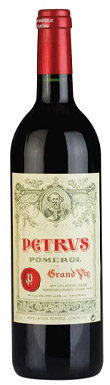
What a wow wine! Easily one of the best of the vintage and a potential 100-point wine, performing the magic Petrus seems able to do...
2025
PetrusPomerol
Vieux Château Certan, Pomerol, Bordeaux, France 2025
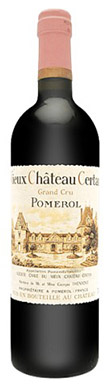
An outstanding VCC this year and one of the picks of Pomerol. Deep aromatics of dark black fruit that stays cool with some liquorice and...
2025
Vieux Château CertanPomerol
Château Haut–Bailly, Pessac–Léognan, Cru Classé de Graves, Bordeaux, France 2025
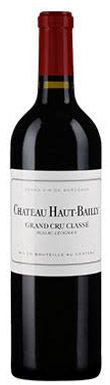
Lovely floral aromatics with an abundance of rose petals. Supple and so smooth, silky tannins and really vibrant red cherry fruit. Quite a brilliant and...
2025
Château Haut–BaillyPessac–Léognan
Château Margaux, Margaux, 1er Cru Classé, Bordeaux, 2025
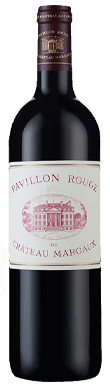
Easily one of the wines of the vintage and clear contender for a 100-point wine that benefited from slightly later picking after the rain with...
2025
Château MargauxMargaux
Château Cos d'Estournel, St-Estèphe, 2ème Cru Classé, 2025
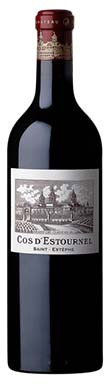
Vivid pink colour in the glass. Plush, plump and chewy yet serious in a tight, cool blue fruit and graphite way. Lots of gravelly minerality...
2025
Château Cos d'EstournelSt-Estèphe
Château Léoville Poyferré, St-Julien, 2ème Cru Classé, Bordeaux 2025
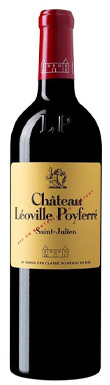
An extremely captivating Poyferré this year. Beautiful vivid and vibrant colour in the glass with soft rose and violets on the nose. Juicy and alive,...
2025
Château Léoville PoyferréSt-Julien
Château Ducru-Beaucaillou, St-Julien, 2ème Cru Classé, 2025
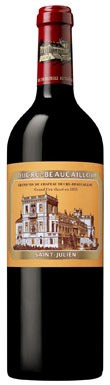
Such a vivid and vibrant colour in the glass with a bright pink rim. Ripe almost heady aromatics – perfumed bramble fruits with a dried...
2025
Château Ducru-BeaucaillouSt-Julien
Château Mouton Rothschild, Pauillac 1er Cru Classé, Bordeaux, France 2025
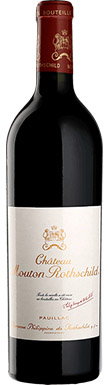
A fabulous Mouton with real personality and character and much more seductive than other wines from Pauillac this year. Dark fruit but cool, black cherries...
2025
Château Mouton RothschildPauillac
Château Pavie, St-Émilion, 1er Grand Cru Classé A, Bordeaux, France, 2025
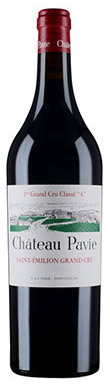
Intensely fragrant nose, full of black fruit, chocolate, perfumed violets and cassis. Heady and concentrated. Ripe and fleshy fruit on the palate, the tannins have...
2025
Château PavieSt-Emilion
La Mondotte, St-Émilion, 1er Grand Cru Classé, Bordeaux, France, 2025
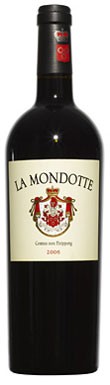
Marking its 30th vintage, Château La Mondotte continues to justify its stature as one of the smallest yet most compelling Premier Grand Cru Classé estates....
2025
La MondotteSt-Emilion
Le Dôme, St-Emilion, Grand Cru, Bordeaux, France, 2025
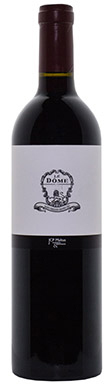
Pristine blackcurrant aromas on the nose – really clean and clear with chocolate and perfume. So transparent. Ripe and fleshy for sure, tannins fill the...
2025
Le DômeSt-Emilion
Château Rocheyron, St-Émilion, St-Émilion Grand Cru, Bordeaux, France, 2025
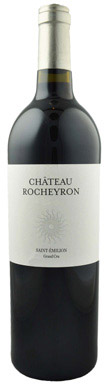
Beautifully floral and alive on the nose, pure violets and ripe plummy notes with cool cola touches too. Almost heady aromatics. Svelte and smooth, a...
2025
Château RocheyronSt-Emilion
Clos Fourtet, St-Émilion, 1er Grand Cru Classé, Bordeaux, France, 2025
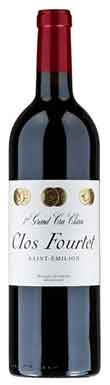
Ripe and heady blackcurrant aromas on the nose. Smells concentrated but fresh too. Supple and so juicy, really beautiful acidity giving tension but matched to...
2025
Clos FourtetSt-Emilion
Château Angélus, St-Émilion, Grand Cru, Bordeaux, France, 2025
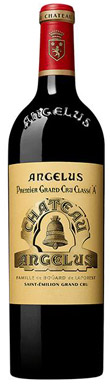
A great wine from Angélus this year. Blackcurrant and blue fruit aromas with some dried flowers and soft herbal aspects. Round and generous, wide and...
2025
Château AngélusSt-Emilion
Château Canon, St-Émilion, 1er Grand Cru Classé, Bordeaux, France, 2025
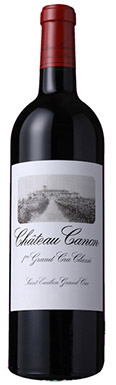
An outstanding Canon. Cherry, cola, liquorice, slate, blackcurrant with a milk chocolate dusting. Smooth and impactful from the start – chewy but juicy, round, alive...
2025
Château CanonSt-Emilion
L'If, St-Emilion, Bordeaux, France, 2025
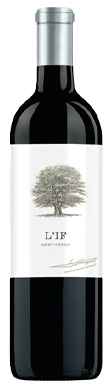
One of the absolute stars of the vintage in St-Emilion. Smells incredible with such perfumed violet fragrance and clear blackcurrant scents, really so vivid with...
2025
L'IfSt-Emilion
Château La Conseillante, Pomerol, Bordeaux, France 2025
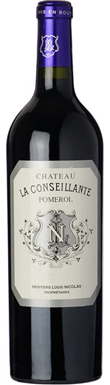
A really assured La Conseillante with exceptional balance and so much pleasure to offer. Fragrant aromas on the nose with floral aspects, violets, some savoury...
2025
Château La ConseillantePomerol
Château Le Pin, Pomerol, Bordeaux, France 2025
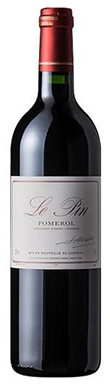
Deep colour in the glass. Quite a dark but mineral nose with iron, stony accents, cool blackcurrant, cola, graphite, blood and violet notes. Soft and...
2025
Château Le PinPomerol
Château Smith Haut Lafitte, Pessac–Léognan, Cru Classé de Graves, Bordeaux, France 2025
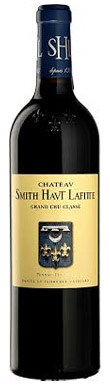
Beautifully crisp and clear aromas, dark fruit, precise and expressive. Smokey violets and ripe blackcurrants with white chocolate. Fresh and vivid, this is vibrant and...
2025
Château Smith Haut LafittePessac–Léognan
Château Les Carmes Haut–Brion, Pessac–Léognan, Bordeaux, France 2025
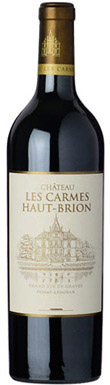
Gorgeously fragrant on the nose with so many perfumed scents – violets, iris, peonies, cinnamon, exotic spices, black chocolate, something slightly sweet and aromatic with...
2025
Château Les Carmes Haut–BrionPessac–Léognan
Château Palmer, Margaux, 3ème Cru Classé, Bordeaux, 2025
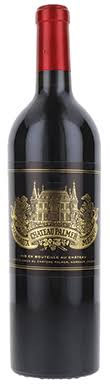
Strongly perfumed aromatics, really quite intense and upfront, so expressive but more deep and seductive with heady scents of roses and blackcurrants. Instantly alive in...
2025
Château PalmerMargaux
Château Rauzan-Ségla, Margaux, 2ème Cru Classé, 2025
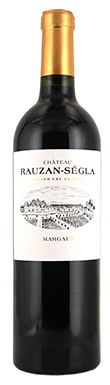
Gorgeous vibrant pink rim to the wine with violet aromas on the nose, very dark but very perfumed and not at all hot or sunny....
2025
Château Rauzan-SéglaMargaux
Château Brane-Cantenac, Margaux, 2ème Cru Classé, 2025
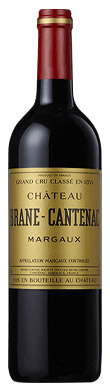
Ripe and juicy blackcurrant aromas, really pure and expressive, fruit forward with iris notes as well. Juicy and friendly with such a lifted, bright and...
2025
Château Brane-CantenacMargaux
Château Montrose, St-Estèphe, 2ème Cru Classé, 2025
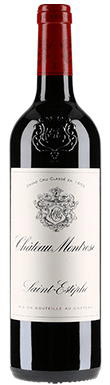
Vibrant purple colour in the glass. Amazing fragrance, so pure and crystalline – blackcurrants and violet notes. Silky and glossy, packed full of cherry and...
2025
Château MontroseSt-Estèphe
Château Léoville-Las Cases, St-Julien, 2ème Cru Classé, 2025
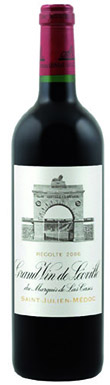
A serious but classic Las Cases style with a fragrant nose of roses and violets, blackcurrant and plum. Grippy from the off, the Cabernet playing...
2025
Château Léoville-Las CasesSt-Julien
Château Léoville Barton, St-Julien, 2ème Cru Classé, 2025
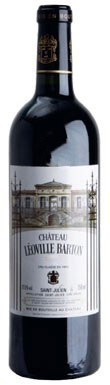
Beautiful aromas, expressive and open, really fragrant with bright purple flowers and dark cherries. Supple and so energetic, you can feel some tension here with...
2025
Château Léoville BartonSt-Julien
Château Pichon Baron, Pauillac, 2ème Cru Classé, Bordeaux, France 2025
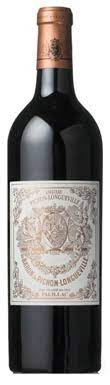
Dark berry fruit aromas. Ripe and grippy, this takes hold straight away with upfront tannins making their mark, covering the mouth in a fine layer...
2025
Château Pichon BaronPauillac
Château Lafite Rothschild, Pauillac, 1er Cru Classé, Bordeaux, France 2025
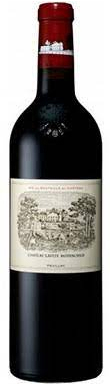
Vivid purple colour in the glass. Cool blue fruit, graphite and wet stones on the nose. Succulent and juicy, ripe and lifted, with supple tannins...
2025
Château Lafite RothschildPauillac
Château Pichon Longueville Comtesse de Lalande, Pauillac 2nd Grand Cru Classé, Bordeaux, France 2025
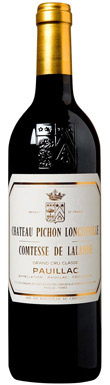
What a stunning Pichon Comtesse. A salty element on the nose, fragrant blackcurrant. Ripe and softly fleshy, this fills the mouth straight away with the...
2025
Château Pichon Longueville Comtesse de LalandePauillac
Château Latour, Pauillac, 1er Cru Classé, Bordeaux, France 2025
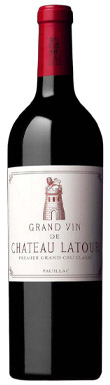
Supple and ample in the mouth with a bright, mouth-watering core and sides of crushed stones, velvety soft but there’s something so deep and layered...
2025
Château LatourPauillac
Château Pontet-Canet, Pauillac, 5ème Cru Classé, Bordeaux, France 2025
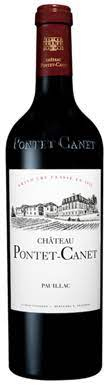
<p>Deep purple plum colour in the glass with earthy, blackcurrant fruit aromas. Crystalline and focussed, this is seamless and quite straight - tannins are fine...
2025
Château Pontet-CanetPauillac
