Pick the unexpected – Central and Eastern European wines to try
Grasp the chance to be adventurous…


You’re in the mood for something a little unexpected. A conversation opener for a lingering evening with friends. A refreshing glass or two with a good story attached. A variety you can’t pronounce, with origins that offer alluring potential for that quick get-away from the desk job.
Then look no further than the wines of Central and Eastern Europe (CEE). We asked three regional experts for their views at this year's Ultimate Central and Eastern Europe wine fair, an annual trade event for wines from that part of the world.
For Decanter World Wine Awards Co-Chair Beth Willard, we are just seeing the tip of the iceberg. ‘These are old wine-producing countries that have undergone something of a renaissance over the last 20 to 30 years, and now we are seeing just how good these wines are.’

The wine industry trade fair Ultimate Central and Eastern Europe 2026.
The personal touch
And one of the key reasons for this growing interest? The personal side of things. ‘I love the human story,' says Caroline Gilby MW, the joint Regional Chair for Central & Eastern Europe at the Decanter World Wine Awards. 'I think that is what is so exciting about this part of the world.'
Recent decades have witnessed a huge wave of investment and winemaking experimentation. Fair organiser Zsuzsa Toronyi explains: ‘CEE wines also come with compelling stories. Many family-owned wineries have revived historic vineyards and traditions, creating wines that reflect local culture, heritage, and a strong sense of place’.
As new generations take the lead of these revived traditional family wineries, excellence is to be found from both international and local varieties. In the mood for pale pink bubbles? Try a Moldovan pink spumant from Dom Davidescu made from the Rară Neagră variety. Keen on a traditional Blanc de Noirs style? Why not pick up a bottle of Serbian producer Aleksandrović's saline and steely Trijumf Noir Brut.
Travel through the glass to the Croatian island of Vis, where intriguing red wines are made from the local Plavac Mali variety. Pair a sticky Tarte Tatin with a decadently sweet late harvest Furmint–Muscat blend from Hungary.
Taste widely. Most importantly, have fun while you are at it.
A journey of discovery that’s kind on the wallet
More than a mere talking point for the table, there is great value to be found among these lesser-known discovery varieties and regions. As Toronyi comments: ‘They offer a combination of quality, value, authenticity, and discovery that is increasingly hard to find in more established wine regions’.
Bolstered by year-on-year successes at the Decanter World Wine Awards and a promising rise in carefully curated wine bar lists featuring lesser-known wines, the diversity on the UK market is exciting.
Gilby, also a co-organiser of the fair, notes: ‘You may still have to hunt down some of these wines from specialist importers and independent merchants, but even some supermarkets are recognising that CEE wines deserve space in their ranges.’
Top tips when buying CEE wines for the first time

1. Hunt down unusual local varieties
Don’t be afraid to explore – you will be rewarded. ‘Be adventurous!' says Willard. 'Can’t pronounce the variety or name of the wine? Who cares! You didn’t know that Poland was a wine-growing country? Well, now’s the time to try its wonderful Chardonnays and Pinot Noirs’.
2. Look for the personal stories behind the bottle
Pair your vinous choices with your next holiday plan. Visit the producer, ask questions, and pair with local cuisine.
3. Try before you buy
Head down to your local wine bar and dip your toe in – by the glass. From wines made from staggeringly old vines to low-intervention expressions, there is superb quality to be found at a range of price points.
4. Seek out varieties that match your preferred style
Willard advises: ‘Look to countries like Slovenia if you like fresh, elegant whites, or Dalmatia if you want satisfyingly jammy reds. Istria’s Malvazija offers whites that reflect its Adriatic origins, while Serbia’s bold red wines are making waves’.
5. Ask questions. Try widely. Enjoy exploring!
‘The region offers many approachable, fruit-driven wines at attractive price points, making it easy to explore without spending a lot,' says Toronyi.
Five wines to try
Related articles

Southeastern European reds: Panel tasting results

Why Eastern Slovenia is one of Central Europe's great unsung wine regions

Grape escapes – off the beaten track in Dalmatia
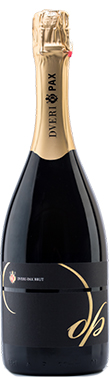
Dveri-Pax, DP Brut, Štajerska, Podravje, Slovenia 2014
96
A classic traditional-method blend of 65% Chardonnay and 35% Pinot Noir. Made in the cool northeast of Slovenia, where the climate is reflected in the delightful fresh acidity that dances across the palate. With 96 months spent on the lees, biscuity brioche notes come to the fore, together with wonderful umami and baked apple richness. Rounded on the palate, with plenty of potential for further ageing.
2014
Dveri-PaxŠtajerska
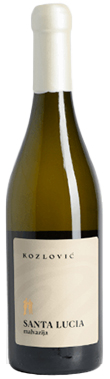
Kozlović, Santa Lucia Malvazija, Istria, Croatia 2018
97
Hailing from the northwestern part of the Istrian peninsula, the Kozlović winery is now joined by the fifth generation, sisters Gianna and Lara. Made from 100% Malvazija Istarska, this is a superb limestone-driven, single-vineyard expression from the family's Santa Lucia vineyard. Honeyed concentration on the nose and palate, underpinned by mineral, flinty notes. Full-bodied, with an oily texture and excellent ageing potential.
2018
Kozlović
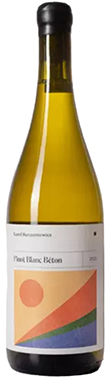
Kamil Barczentewicz, Pinot Blanc Béton, Lubelskie, Poland 2024
90
A lovely low-intervention example of the variety from producer Kamil Barczentewicz, owner of a 12ha estate in southeast Poland. Produced in concrete eggs, this is a fresh, bright and easy-drinking white with moreish acidity. The 2024 vintage marks the first year of organic certification.
2024
Kamil Barczentewicz
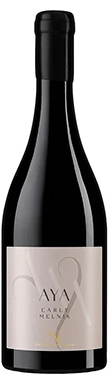
Aya Estate Vineyards, Aya Early Melnik, Vistula River Gorge, Thracian Lowland, Bulgaria 2022
92
<p>A light red, somewhat reminiscent of Nebbiolo or Pinot Noir in style, made from the Bulgarian variety Early Melnik. An exciting opportunity to try this late-ripening Bulgarian crossing. Sour red cherry character with deft use of new French oak and bright acidity. Would pair well with Shepherd's pie or moussaka.</p>
2022
Aya Estate VineyardsVistula River Gorge
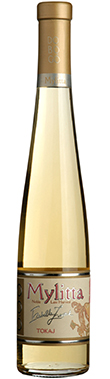
Dobogó, Mylitta Tokaji Noble Late Harvest, Tokaj, Hungary 2023
92
A blend of 70% Furmint and 30% Muscat from the Dobogó family winery. The vineyards used to make this elegant sweet wine are situated in central Tokaj, in the village of Mád. Think tinned peaches, bright acidity, heady ripe apricots, white blossom and a moreish lemon finish. The sugar is well balanced – despite being high (123.2 g/L), it's not cloying. Enjoy with summer desserts, such as strawberry flan or clafoutis.
2023
Dobogó
