

Founded in 1967 and today managed by the third generation, Decanter catches up with Florence Marcoult to learn more about the domaine and its approach to making Chardonnay-driven Champagne in the Côte de Sézanne.
Champagne M Marcoult is based in the Côte de Sézanne, a name many American wine lovers may not immediately associate with Champagne. Why does this part of the region deserve more attention?
Florence Marcoult (FM): The Côte de Sézanne is still quite discreet, and maybe this is why we like it so much. It is not the first name people think of when they speak about Champagne, but it has a real identity. We are south of the Côte des Blancs, on a beautiful terroir for Chardonnay, with chalk, but also different soils that bring generosity and personality. Our Chardonnays are fresh and precise, but also solar, generous and quite welcoming. They are not austere wines.
There is also something very special in the history of our village, Barbonne-Fayel. The Sézannais, and Barbonne in particular, was once an influential fortified medieval village, with a Knights Templar commandery. You can still feel this old Champagne atmosphere in the village today. For us, this history is not just decoration. It gives a sense of roots, mystery and depth to the place. It reminds us that we are working in a land with a long memory.
The region is less known because there are not so many récoltant-manipulant here. A lot of grapes from the Sézannais have traditionally been sold to the big Champagne houses, who know very well the quality of this area. But only a few of us vinify and bottle our own wines, and really speak about this terroir. For us, it is important to show that the Côte de Sézanne is not a secondary Champagne area. It is a place with its own voice.
You farm around 12ha across several terroirs. How does that diversity show up in the bottle?
FM: Most of our vineyards are in the Sézannais, so this is really the heart of our identity. This is where we find our Chardonnay style: chalk, salinity, freshness, but also a generous and sunny expression. We also work with Pinot Noir from the Aube, which is very useful for our rosé d’assemblage. It brings fruit, colour, structure and a different kind of energy.
We also have Chardonnay from Vitry, which brings another expression of Chardonnay. We are preparing a single-parcel cuvée from Vitry, called Grand Mont, which will allow us to show this terroir in a more precise way. So the Sézannais gives the main identity of the domaine, and the other terroirs help us to bring balance, complexity and nuance.
You divide your range into ‘Bistro’ and ‘Gastronomy’ cuvées. That is an unusual way to think about Champagne. What is behind it?
FM: It comes from the way we live wine. We are epicureans. We like cooking, sharing, receiving friends, and thinking about food and wine together. For us, Champagne is not only for celebrations. It is a wine for the table. It can be opened for a simple moment, with good products and good people, and it can also accompany a more gastronomic dinner.
The Bistro cuvées are made for convivial moments, for simple and tasty food, for restaurants where the atmosphere is relaxed but the quality is there. They are wines of pleasure, easy to understand, but still precise. The Gastronomy cuvées are more complex, with more depth. They are made for more elaborate dishes, longer meals and more ambitious pairings. But in both cases, the idea is the same: Champagne must give pleasure. Precision is important, but it must never make the wine cold or intimidating.
Your wines appear on some of the most respected wine lists in Paris. What does it mean to be chosen by the sommelier community in such a competitive city?
FM: It is a very big pride for us. Paris is not an easy place for Champagne. Sommeliers taste many wines, and they have a lot of choice. When they choose our wines, it means they see something clear: a style, a terroir, a place for the wine on the table. For us, this is very important, because we do not want to be just ‘one more Champagne’. We want the wines to have a real use in restaurants, with food, with service, with a sommelier who can tell the story.
It is also the result of many years of work: improving the wines, building the image of the domaine, explaining the Côte de Sézanne, and creating confidence with professionals. When a sommelier puts Marcoult on a wine list in Paris, we feel that the work is understood. And honestly, that feels good.

Champagne M Marcoult Orée Brut Nature.
Talk to us about your massal selection programme.
FM: Massal selection is very important for us because it brings diversity. Instead of planting identical clones, we plant vines with many different individuals. We work with good nurseries and plant only massal selection. The goal is to have a vineyard that is more complex, more balanced and also more resistant over time.
For us, it is not a short-term decision. It is a choice for the next generations. With climate change, we need vineyards that can adapt. Diversity is a strength. It is also a way to keep a more living and more authentic expression of the terroir.
Tell us about your work with barrels, Wineglobes and demijohns. What is going on there?
FM: First, we do not have our own cooperage. We work with several coopers, and this is very important for us. We work with Tonnellerie de Champagne, and with them we can source local woods, including oak and acacia from forests close to us. We also work with Tonnellerie de Mercurey, who have a very interesting approach to forests, soils and the influence of wood on wine. We also work with Cadus.
Each cooper has a different philosophy, a different hand. I often compare it to cooking: you do not use only one spice for everything. You choose the right element depending on the wine, the texture you want, and the expression of the parcel. The wood is not here to dominate the wine. It is here to bring patina, texture and complexity.
We also use glass vessels, like 220-litre Wineglobes and 50-litre demijohns. Glass is very pure and neutral. It allows us to observe the wine, to keep freshness and precision. The round shape of the Wineglobe also brings a natural movement, which can give more roundness and texture. The Wineglobes are also a space for experimentation. For example, we made a rosé d’infusion with a Chardonnay base and whole Pinot Noir berries infused into the wine. It gives a very delicate, fruity and elegant rosé, with a different expression from a classic rosé d’assemblage or rosé de saignée. So yes, there are many different vessels in the cellar, but the idea is simple: each wine needs the right home.
The house was founded by Michel Marcoult in 1967, and today Julien, a third-generation winemaker, is leading the cellar. What traditions has he continued, and what has changed?
FM: Julien is the third generation, so of course the family roots are still very important. The attachment to Barbonne-Fayel, the grower spirit, the work with our own grapes, all this continues. We have been working together for more than 20 years. Julien’s father retired seven years ago, and this was an important moment for us. We decided to move away from ‘we have always done it like this’ and to ask instead: ‘why do we do it?’. This changed many things.
We questioned the vineyard work, the cellar work, the choice of vessels, the way we understand our soils, the precision of each cuvée. The tradition we keep is the respect for the place and the family story. What is new is the way we try to make everything more precise, more coherent, more modern. We want wines that respect the terroir, but that also speak today.
Sustainability appears to be a growing commitment for the estate. Where does that stand today?
FM: For us, sustainability is not a marketing subject. It is a question of common sense. We live here, we work here, and we want to leave something healthy behind us. We are HVE-certified. We are self-sufficient in electricity on the estate. In the vineyard, we work with grass cover, eco-grazing with sheep, fermented nettle infusions, and we also use our own wheat for the cover crops. We try to keep the soils alive and balanced. A great wine starts with a living vineyard. This is very simple, but very true.
We also work on the impact of packaging. This year, we made part of our tirage in ‘Light 26’ bottles, at 725 grams. To give an idea, a classic lightweight Champagne bottle is around 835 grams, so this is a real evolution for us. These bottles also have a narrower ring, which is important. It is not only an environmental choice, with less glass and less weight to transport. It is also a logistical and technical evolution, and we are very attentive to the gustatory impact too. In Champagne, the bottle is part of the ageing process, so this kind of change has to be taken seriously.
In the cellar, since the 2024 harvest, we have also started using natural mineral sulfur instead of chemical sulfites. It allows us to protect the wines with lower doses and a more precise approach. We are not saying we are perfect. But we try to make better choices every year, with coherence and humility.
If someone is discovering M. Marcoult for the first time, where should they start?
FM: I would suggest starting with B de Barbonne. It is our village cuvée, made from 100% Chardonnay from Barbonne-Fayel. For me, it is the most direct way to understand our style.
You find the chalk, the salinity, the freshness, but also the generosity of our terroir. It is precise, but not severe. It is a wine that can be enjoyed easily, but that also says something about where it comes from. It works very well with seafood, scallops, ceviche, crab, or simply as a first glass to discover the domaine.
Lastly, tell us about Ryan Anderson and Emily Carlson at Last Bottle and Last Bubbles Wines. What made you excited to work together in the United States?
FM: With Ryan and Emily, we felt very quickly that they understood what we are trying to do. They did not see only a Champagne label: they understood the story of the domaine, the Côte de Sézanne, the Chardonnay, the table, the pleasure, and also the potential for the United States.
This is important for us because the US market is very exciting, but also very competitive. We need someone who can explain the wines, not just sell bottles. Ryan and Emily are curious, precise and enthusiastic. They understand that Marcoult can bring something different: a grower Champagne from a less expected terroir, with wines that are solar, generous, gastronomic and easy to connect with.
We both believe that American sommeliers and wine lovers are ready to discover more of Champagne than only the famous names. This is what makes the collaboration exciting.

Evening amongst the vines (left), enjoying a glass (right).
Find the wines in the US via Last Bubbles Wines.


-
 Bouvet Ladubay: 175 years of sparkling know-how
Sponsored One of the Loire's oldest producers...
-
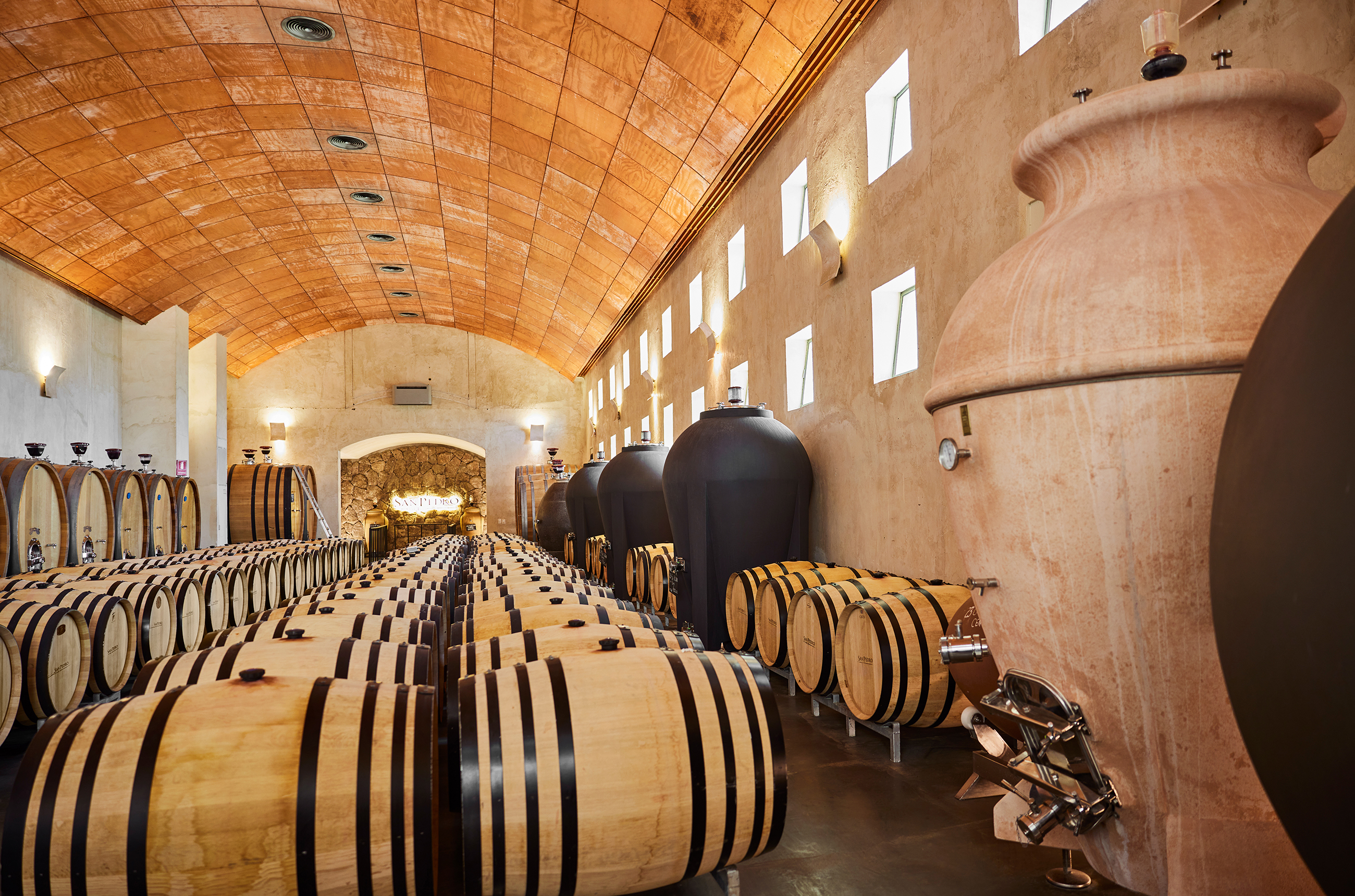 Pioneers in Cachapoal Andes
Sponsored One of Chile's most compelling regions...
-
 Bodegas HABLA: Shaping the future of Extremadura
Sponsored Building a sustainable future...
-
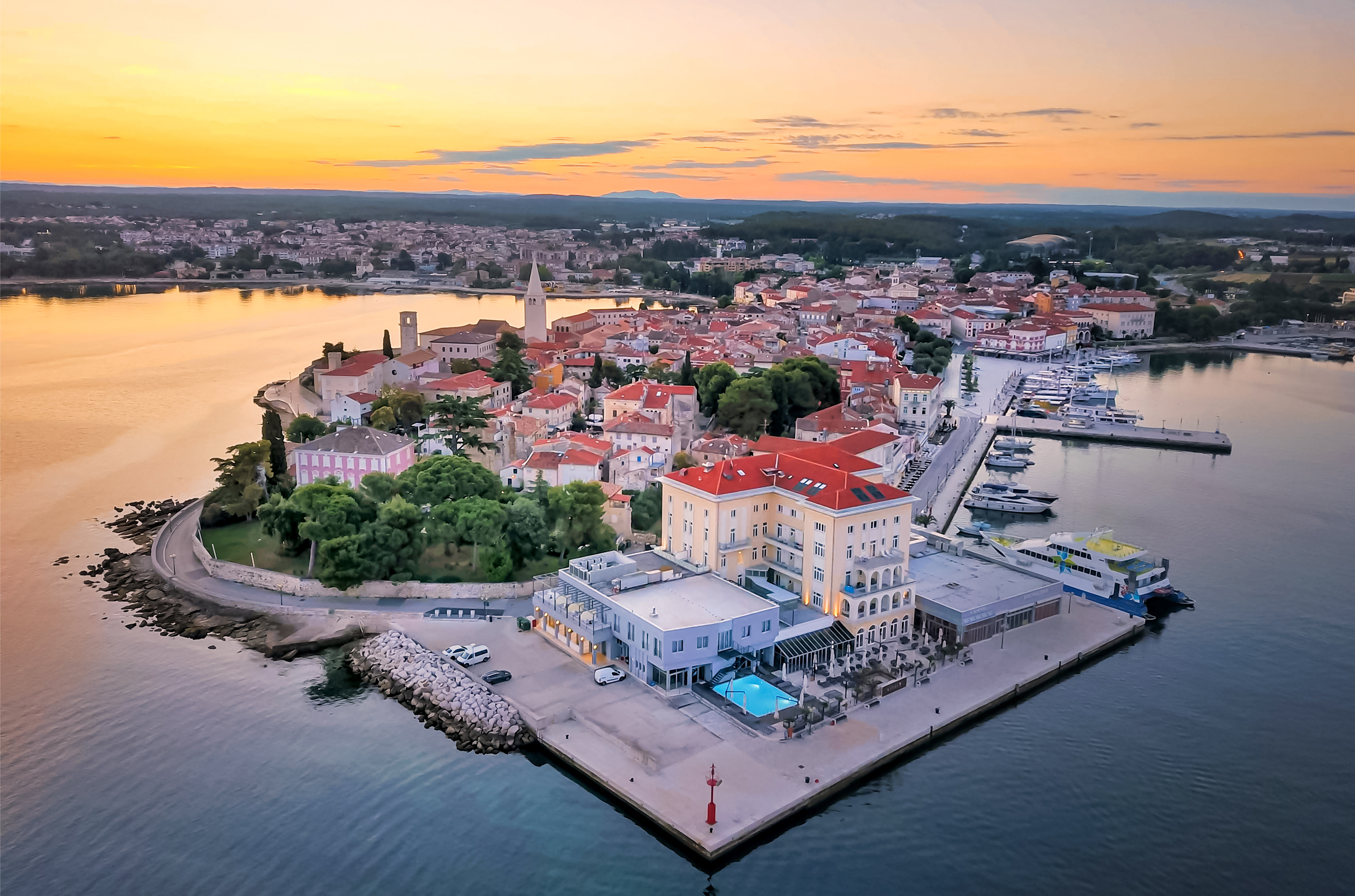 Istria: A postcard from Poreč
Sponsored The ideal weekend getaway...
-
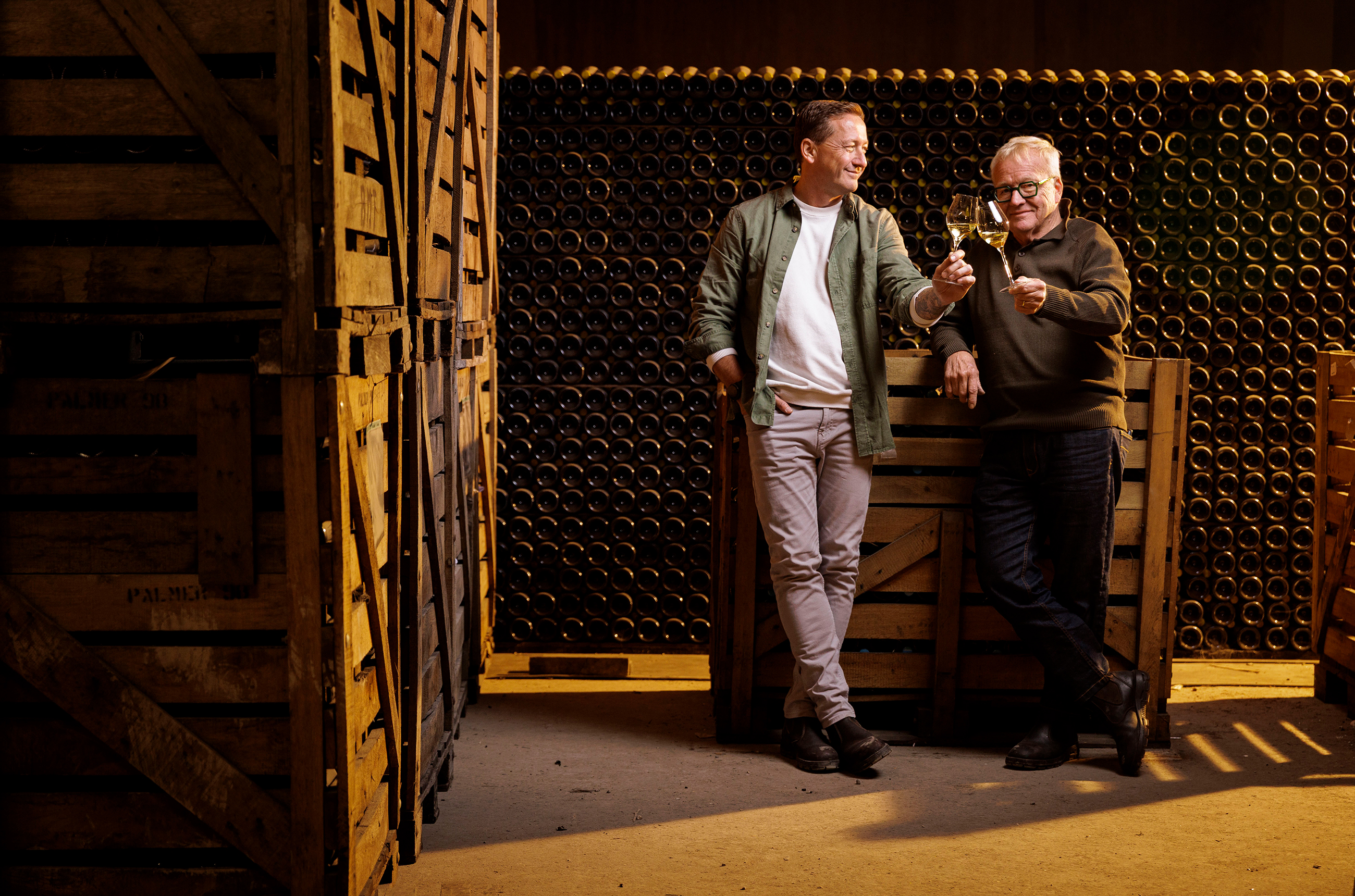 A sparkling legacy from Graham Beck
Sponsored The famed winery's first English sparkling...
-
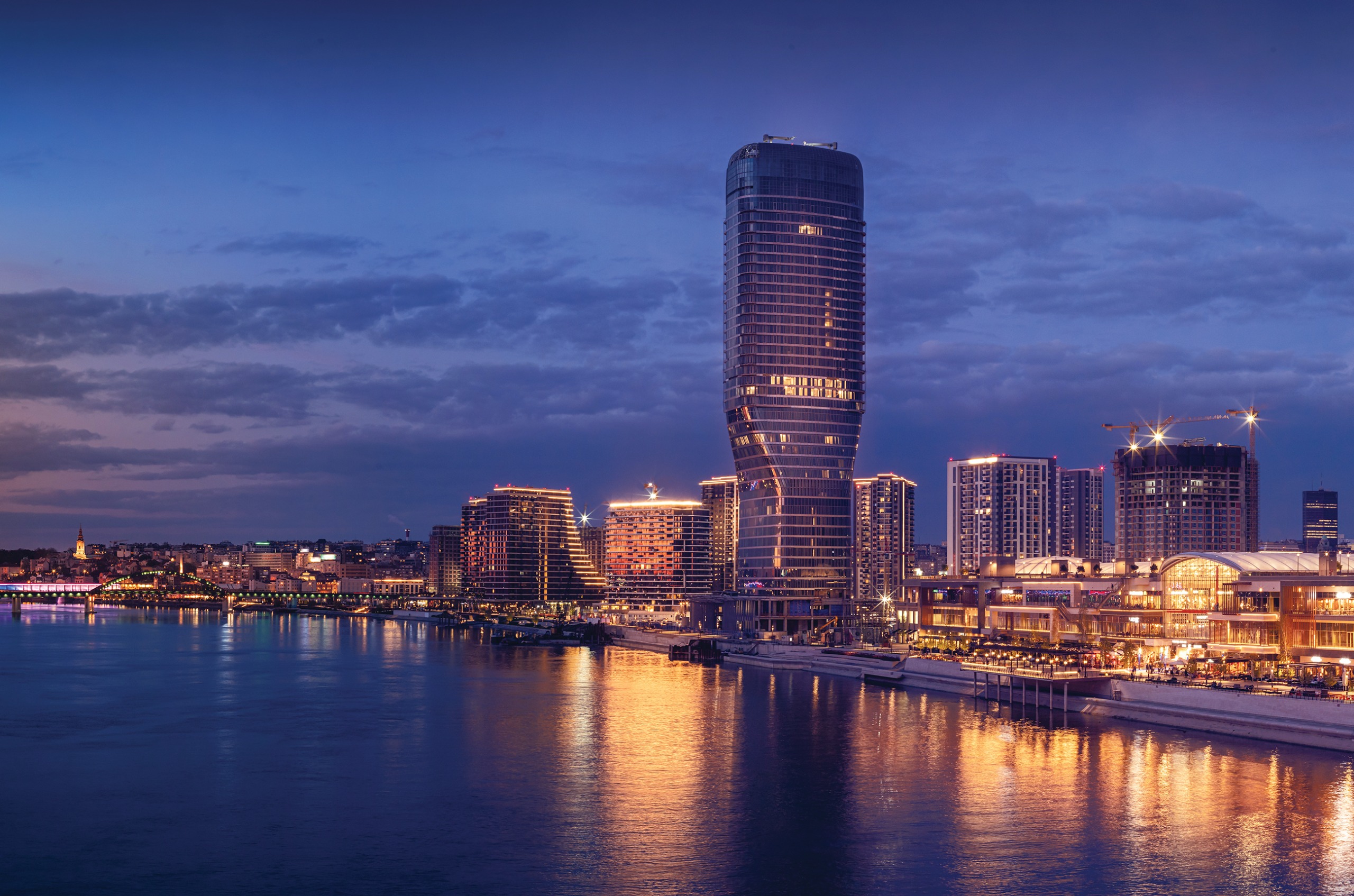 Serbian success: Award-winning wines from DWWA 2026
Sponsored Increasing international recognition...
-
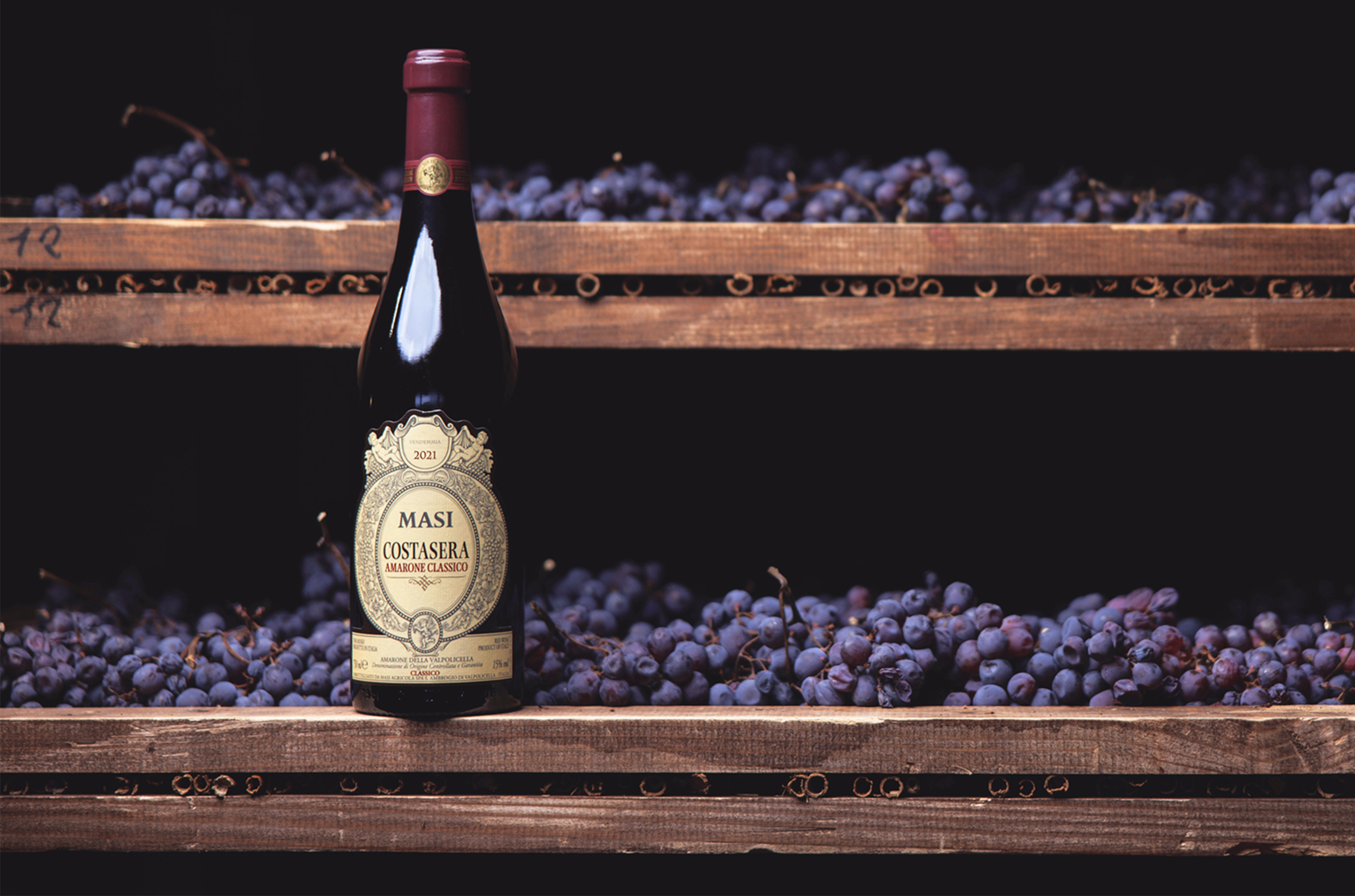 A benchmark for the category: Masi’s Costasera Amarone della Valpolicella Classico
Sponsored A standout expression of Amarone...
-
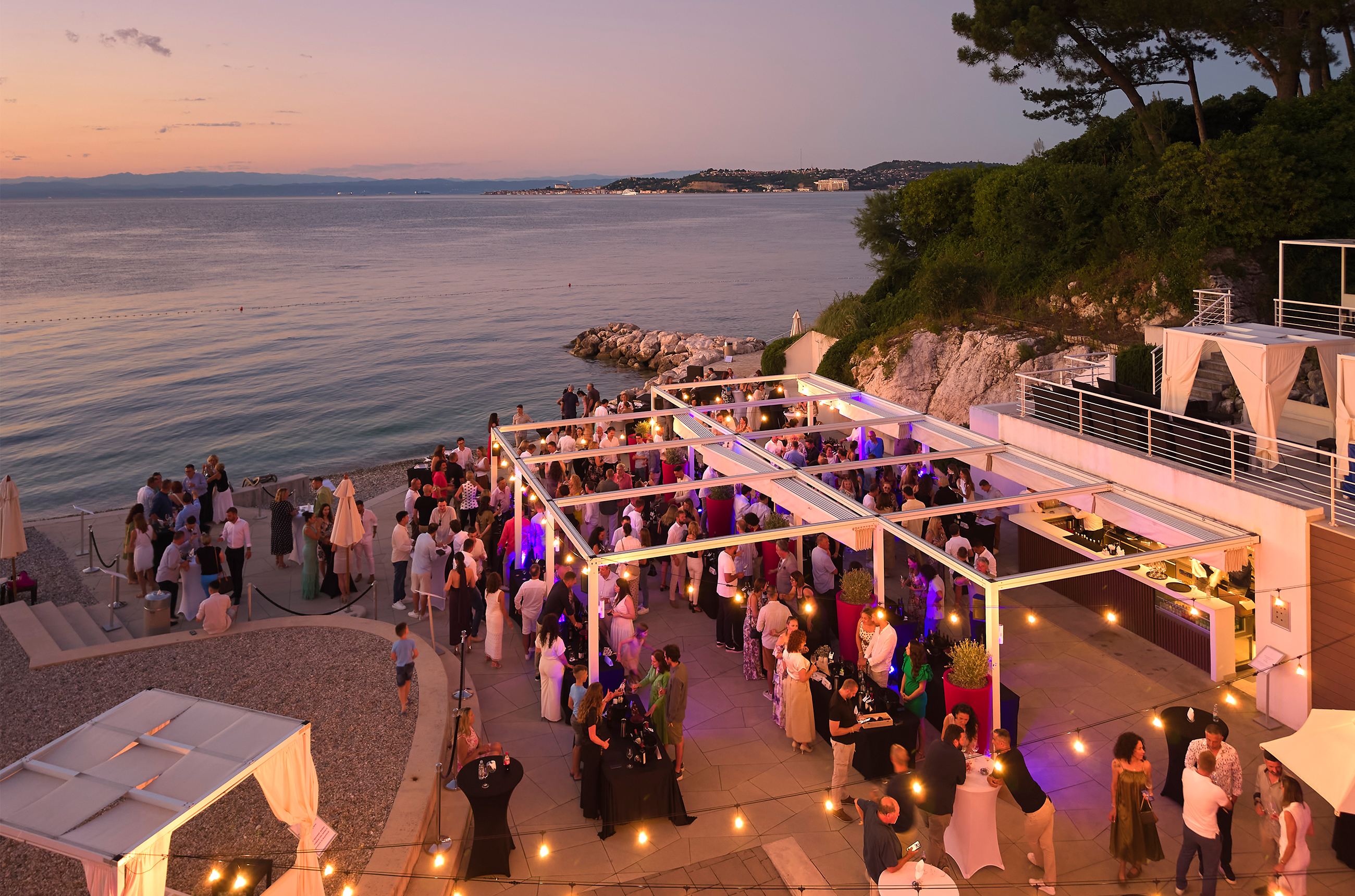 Istria: Showcasing the best of Croatia
Sponsored Highlighting the highest-quality wines...


