

Few wines are more closely associated with Cachapoal Andes than Altair and Cabo de Hornos. Together, these two icons from the San Pedro winery have helped establish this once lesser-known corner of the Andean foothills as one of Chile’s most compelling regions for Cabernet Sauvignon.
It was a road less travelled when San Pedro, founded in 1865, began looking beyond Chile’s established Cabernet Sauvignon heartlands for a new terroir capable of producing wines of international stature. At the turn of the millennium, much of the country’s fine Cabernet conversation still centred on Maipo and Colchagua.
San Pedro instead turned its attention to the valley between them: Cachapoal. In 2001, the winery partnered with Bordeaux’s Château Dassault to establish a fine wine vineyard and winery in Cachapoal Andes. The inaugural vintage of Altair followed in 2002, and in 2012 San Pedro’s existing top wine, Cabo de Hornos, started sourcing its grapes from that same estate.
The reason Cabernet thrives here is manifold. Located 110km south of Santiago, the estate sits at around 500m, and has pronounced differences between day-time and night-time temperatures which help preserve freshness while allowing Cabernet Sauvignon grapes to ripen slowly.
Meanwhile, the colluvial and volcanic soils on the estate reveal the geological history of the mountain foothills and give the winemaking team a broad palette with which to build texture, structure and complexity.

Large stainless steel tanks.
‘We believe the challenge today is no longer to prove that Chile can produce world-class Cabernet Sauvignon,’ explains head winemaker Gabriel Mustakis. ‘Our ambition is to keep defining the style of Cachapoal Andes: wines with texture, freshness, depth and elegance, capable of standing alongside the world’s finest expressions of the variety.’
Mustakis and his team work in a dedicated winery immersed in the estate’s vineyards. This proximity to the vines allows them to track each parcel closely throughout the growing season and preserve its identity in the cellar using different winemaking formats, from granite eggs to large oak foudres.
‘That pursuit begins with a constant interpretation of our terroir,’ adds Mustakis. ‘We see our winery as an oenological laboratory, where every decision has allowed us to define, interpret and express the character of Cachapoal Andes with ever greater precision.’
Learn more about Viña San Pedro
Connect on Instagram: Altair | Cabo de Hornos


-
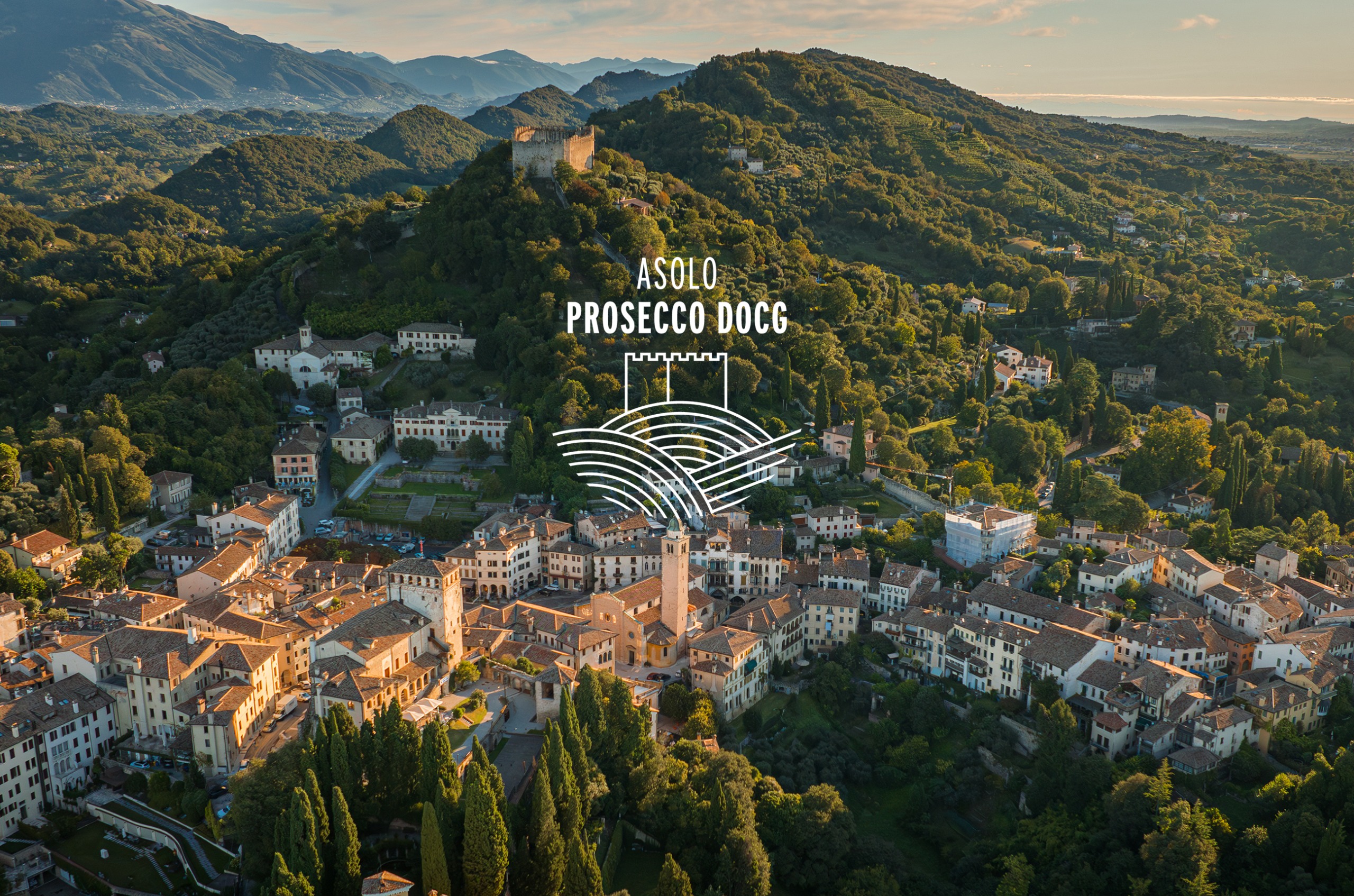 Asolo Prosecco Superiore DOCG: Recent releases
Sponsored... Ageworthy examples...
-
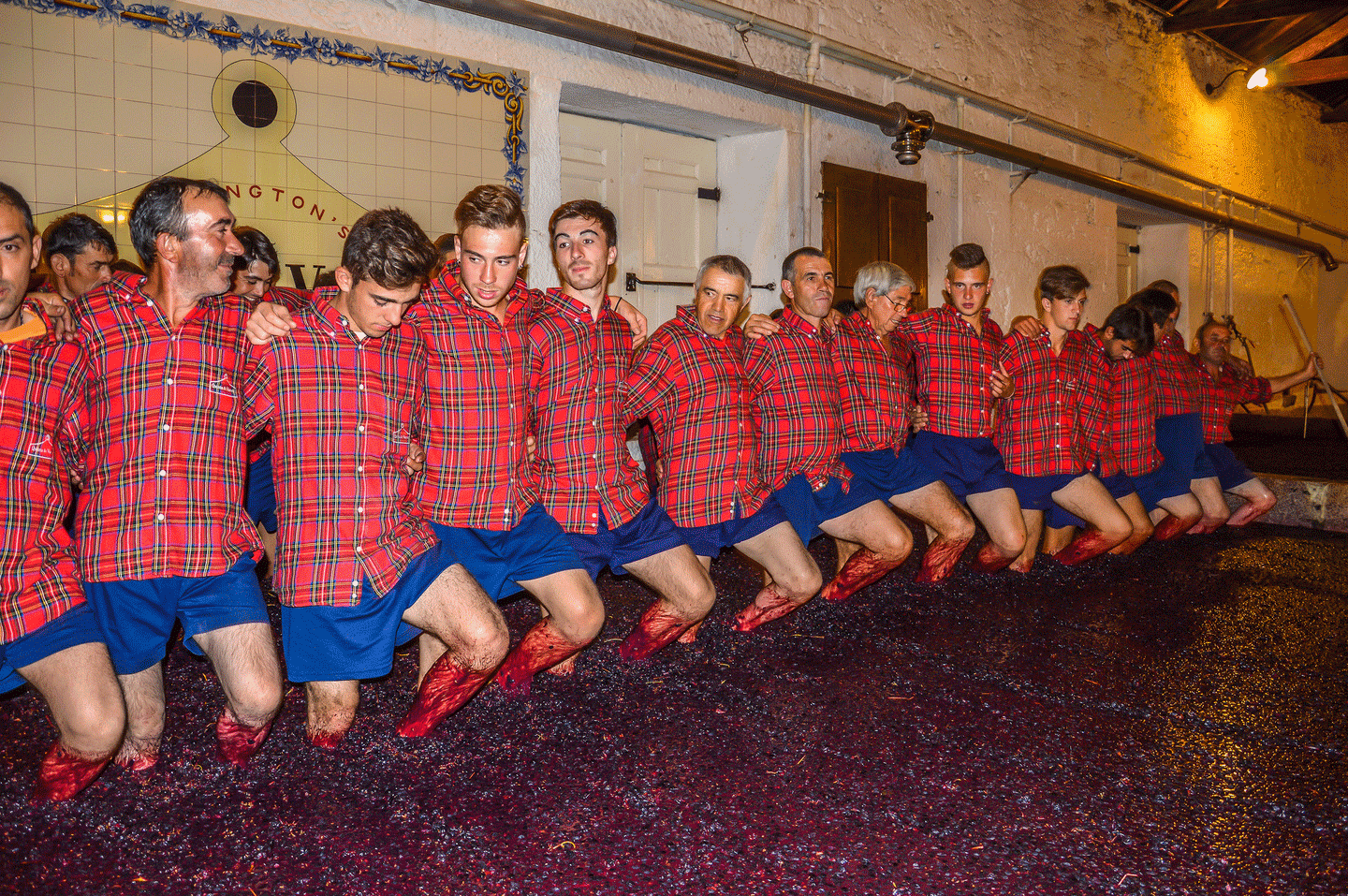 Cocktails, food and harvest: Five unexpected ways to enjoy Port on Port Wine Day
Forget about your warm glass of Tawny and beige cheese platter. There are fun, refreshing ways to enjoy the different styles of Port. From the simplicity of a Port & Tonic to unexpected food pairings, there's something for everyone and every mood.


-
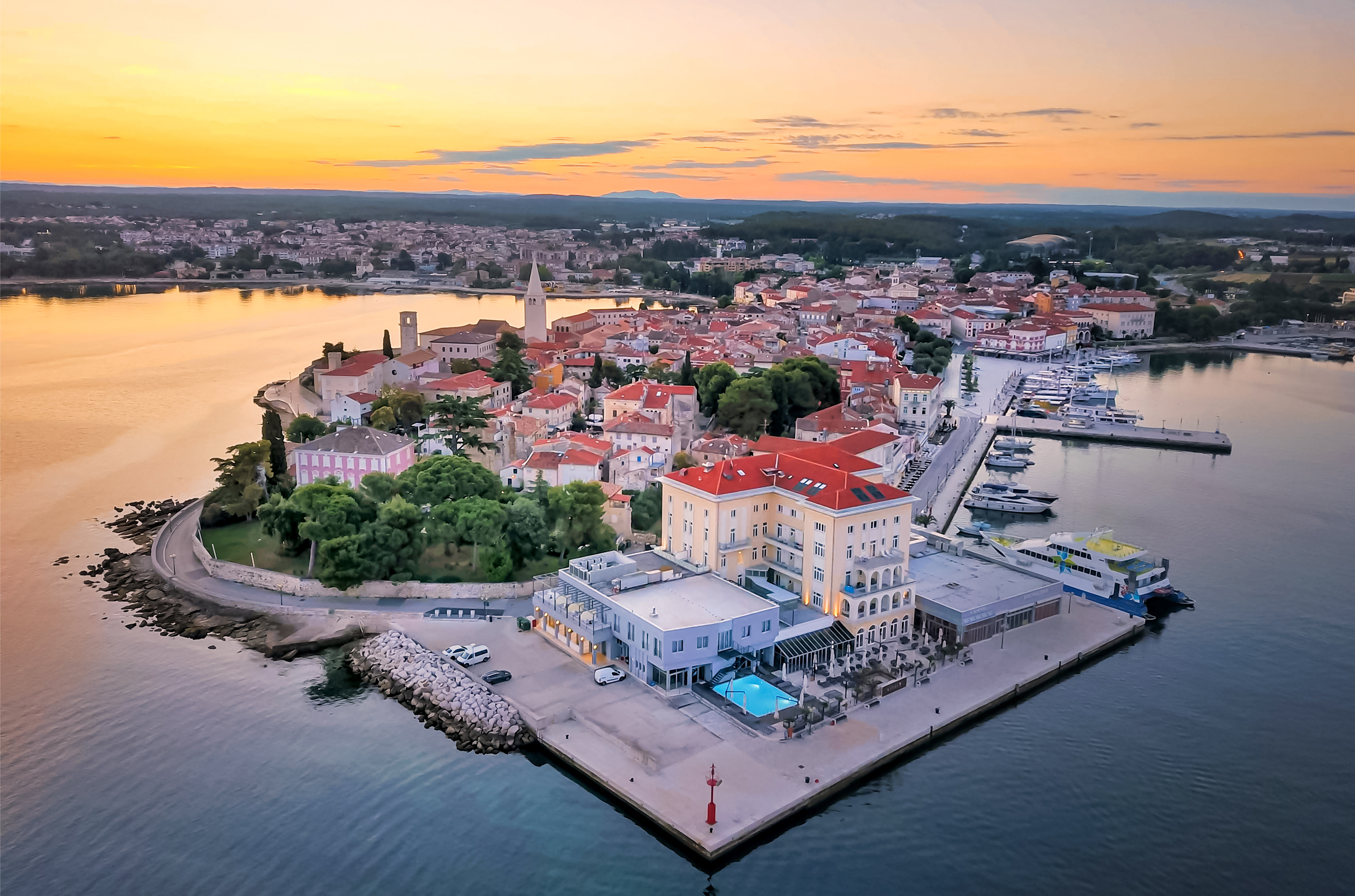 Istria: A postcard from Poreč
Sponsored The ideal weekend getaway...
-
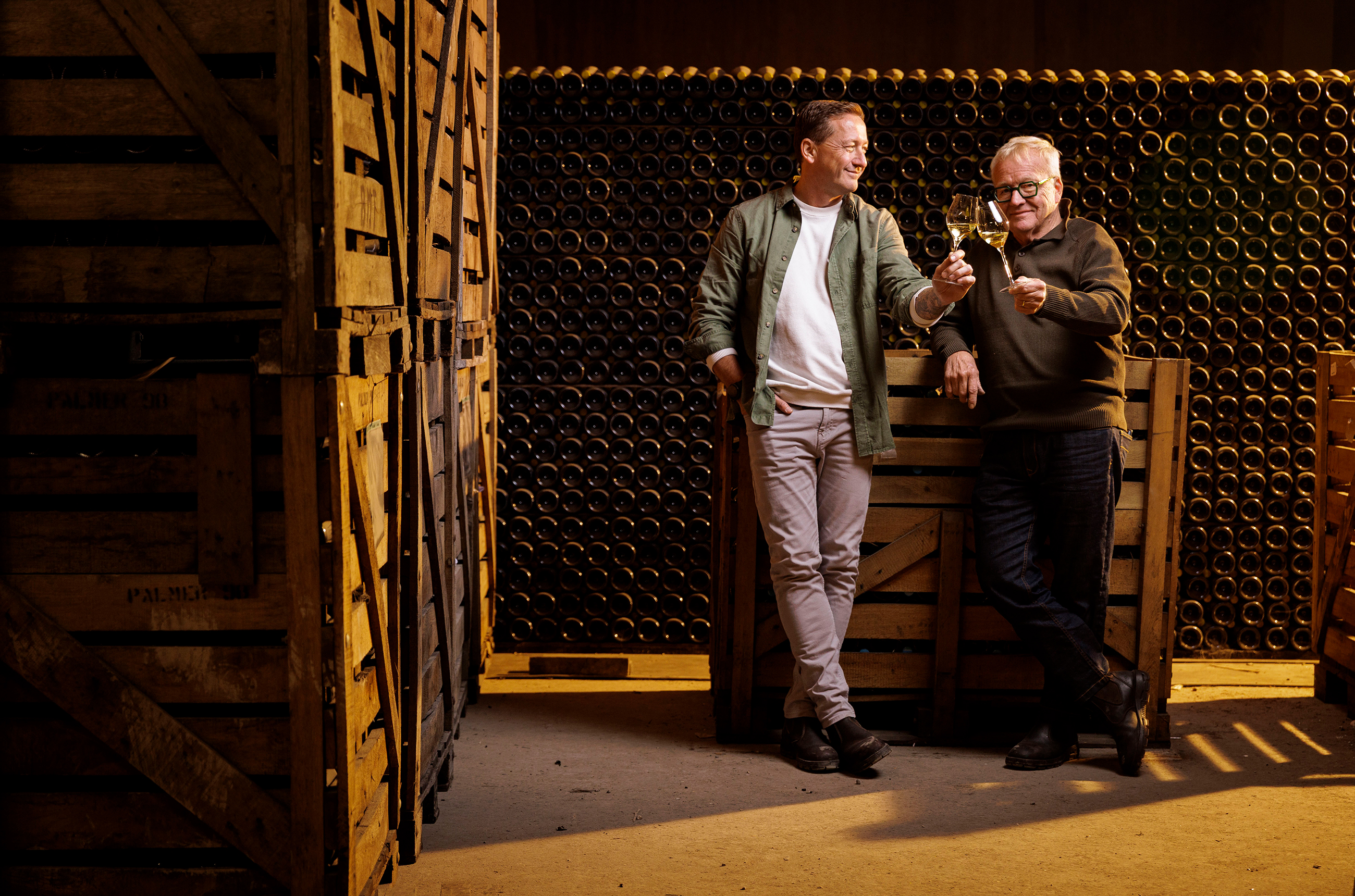 A sparkling legacy from Graham Beck
Sponsored The famed winery's first English sparkling...
-
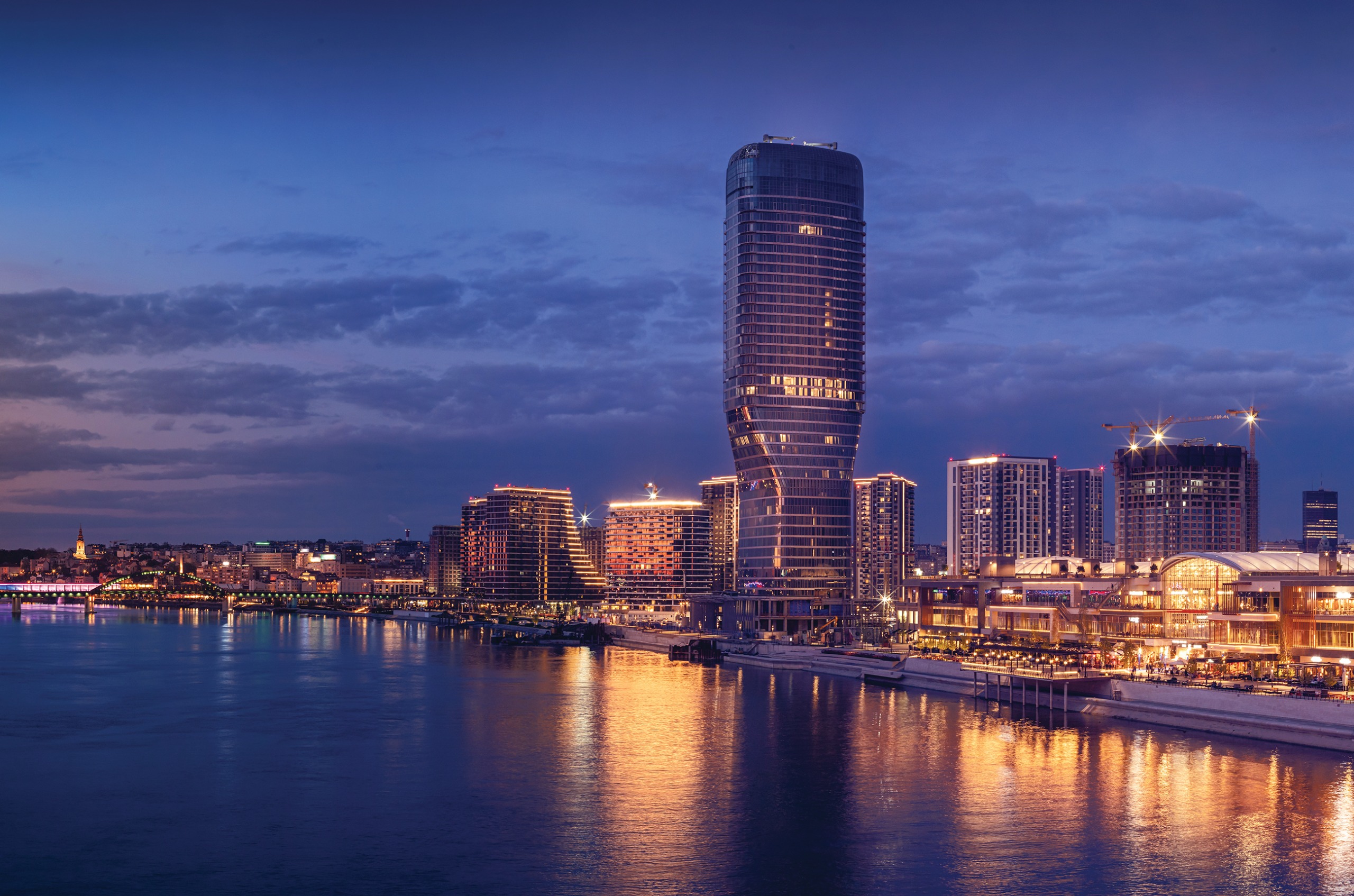 Serbian success: Award-winning wines from DWWA 2026
Sponsored Increasing international recognition...
-
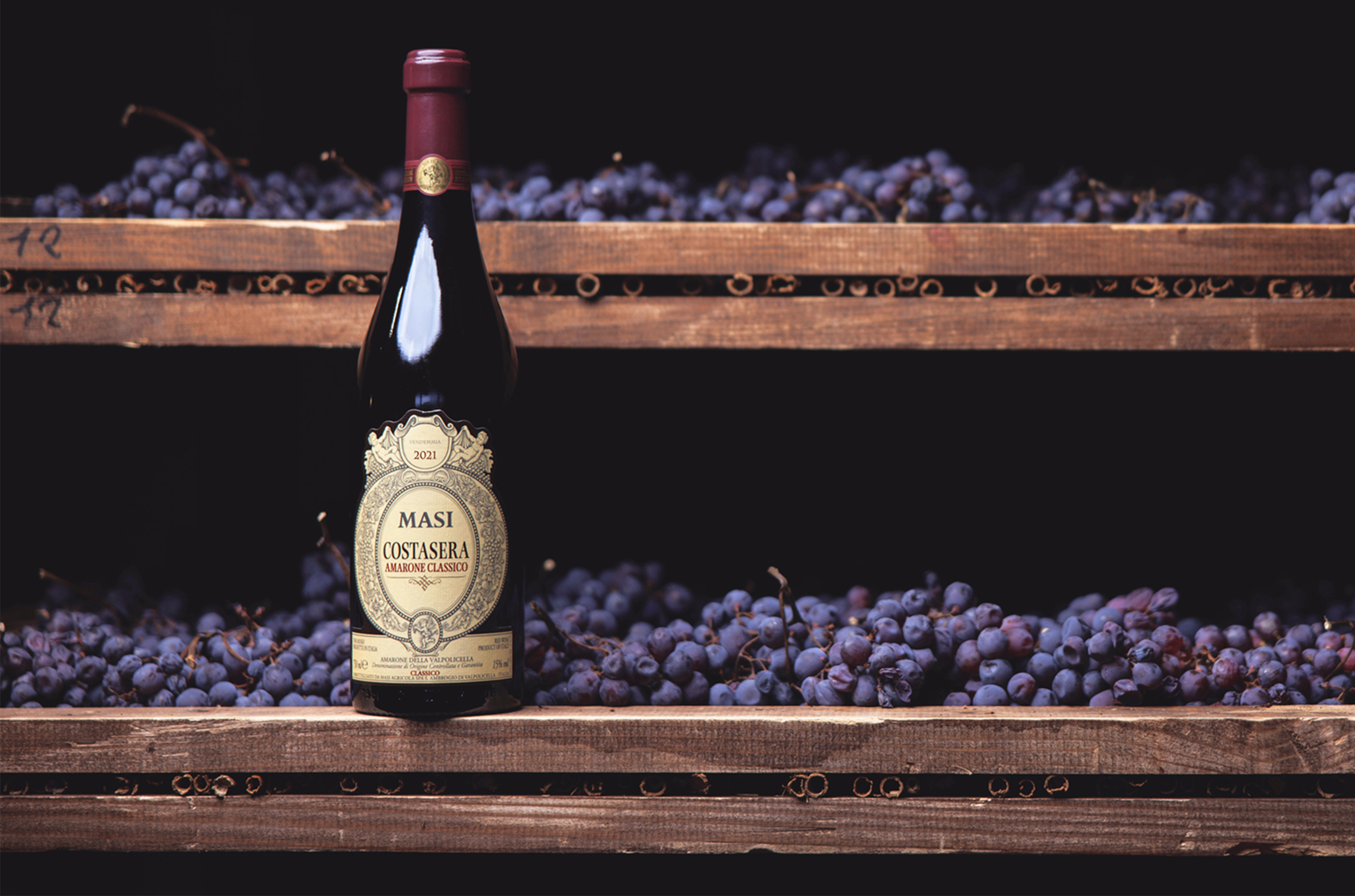 A benchmark for the category: Masi’s Costasera Amarone della Valpolicella Classico
Sponsored A standout expression of Amarone...
-
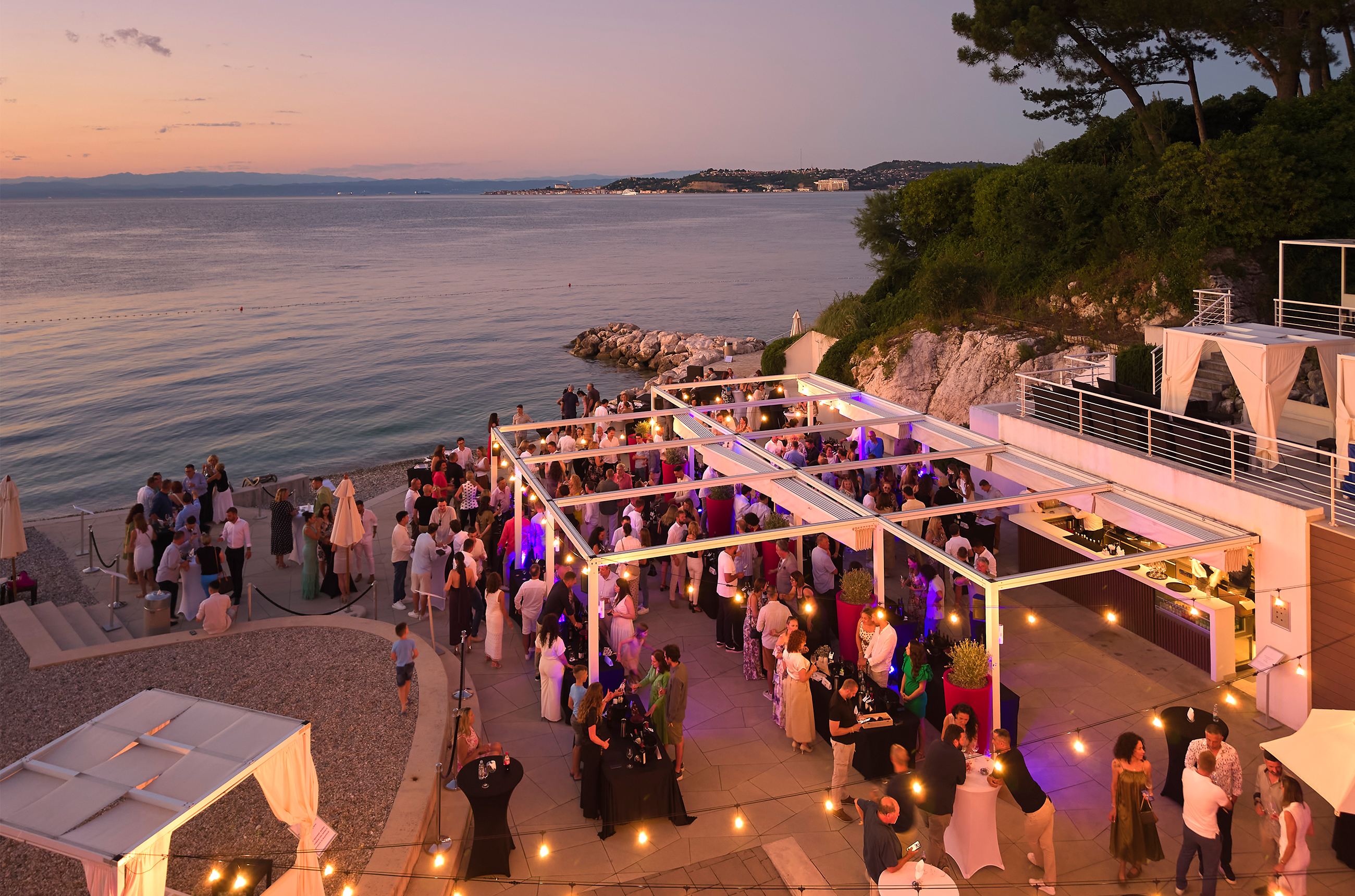 Istria: Showcasing the best of Croatia
Sponsored Highlighting the highest-quality wines...
-
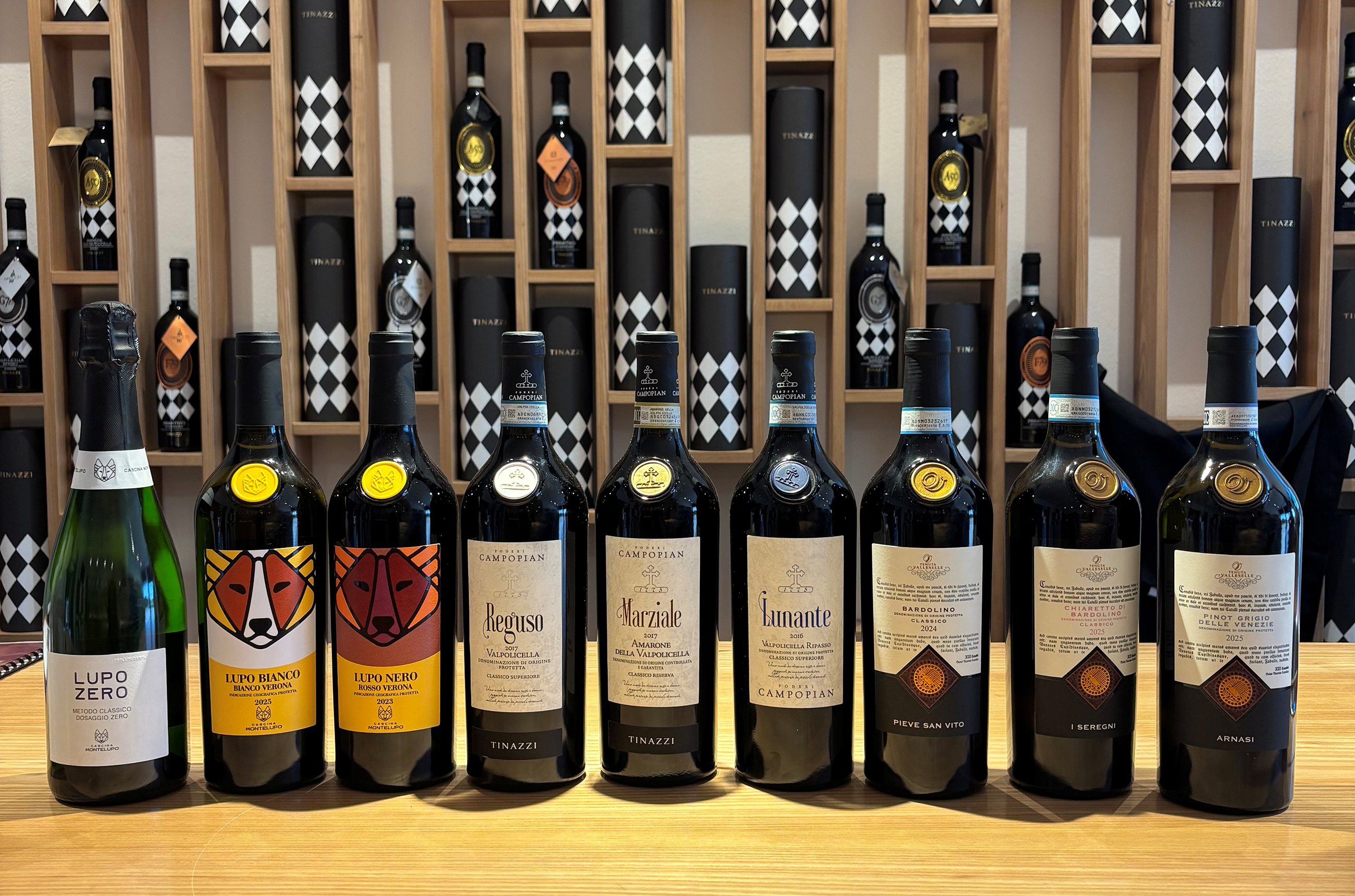 Tinazzi: The soul of Veneto
Sponsored Magical experiences for wine lovers...
-
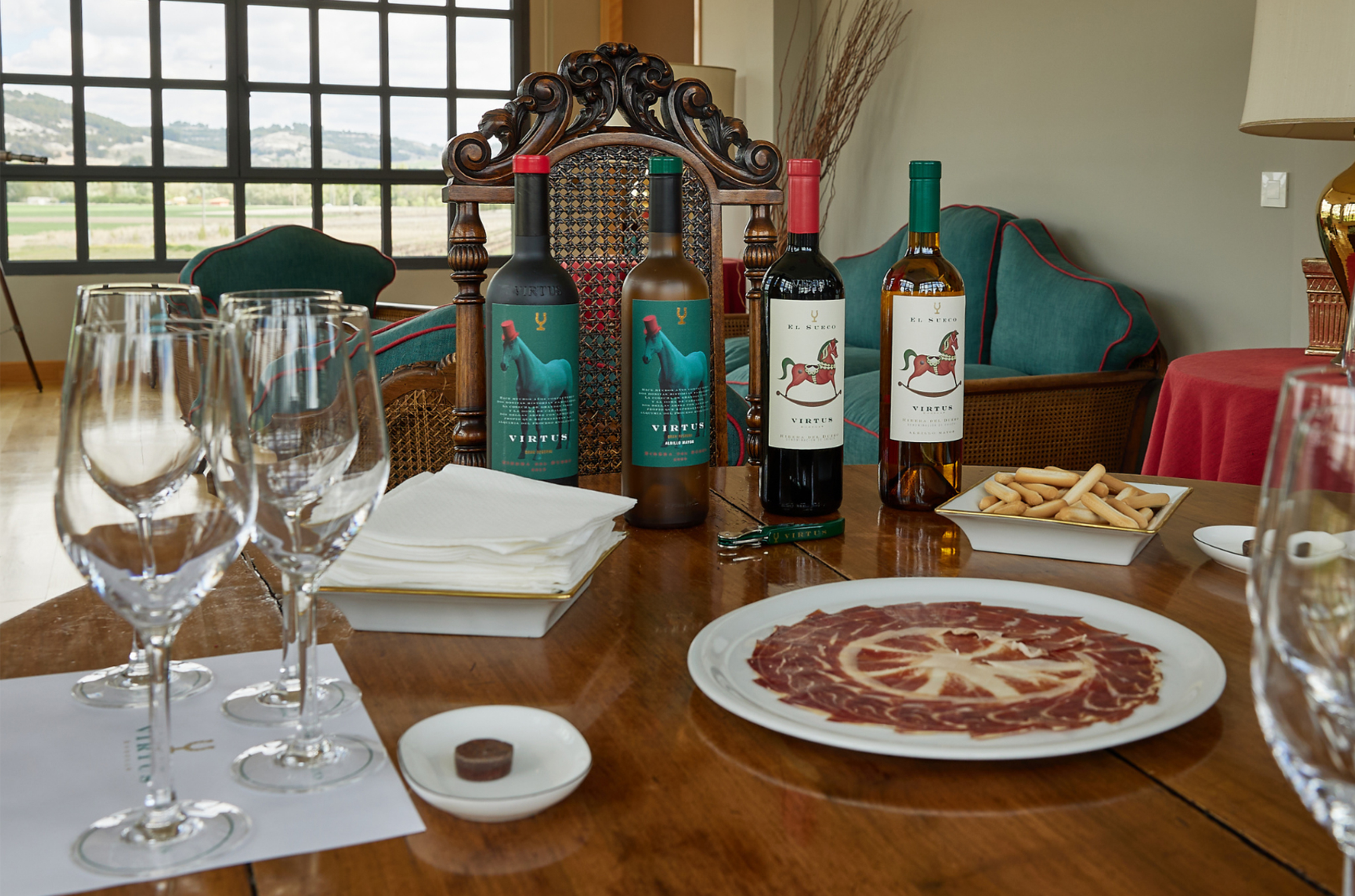 Bodegas Virtus: Award-winning wines from Ribera del Duero
Sponsored Premium ageworthy whites...
-
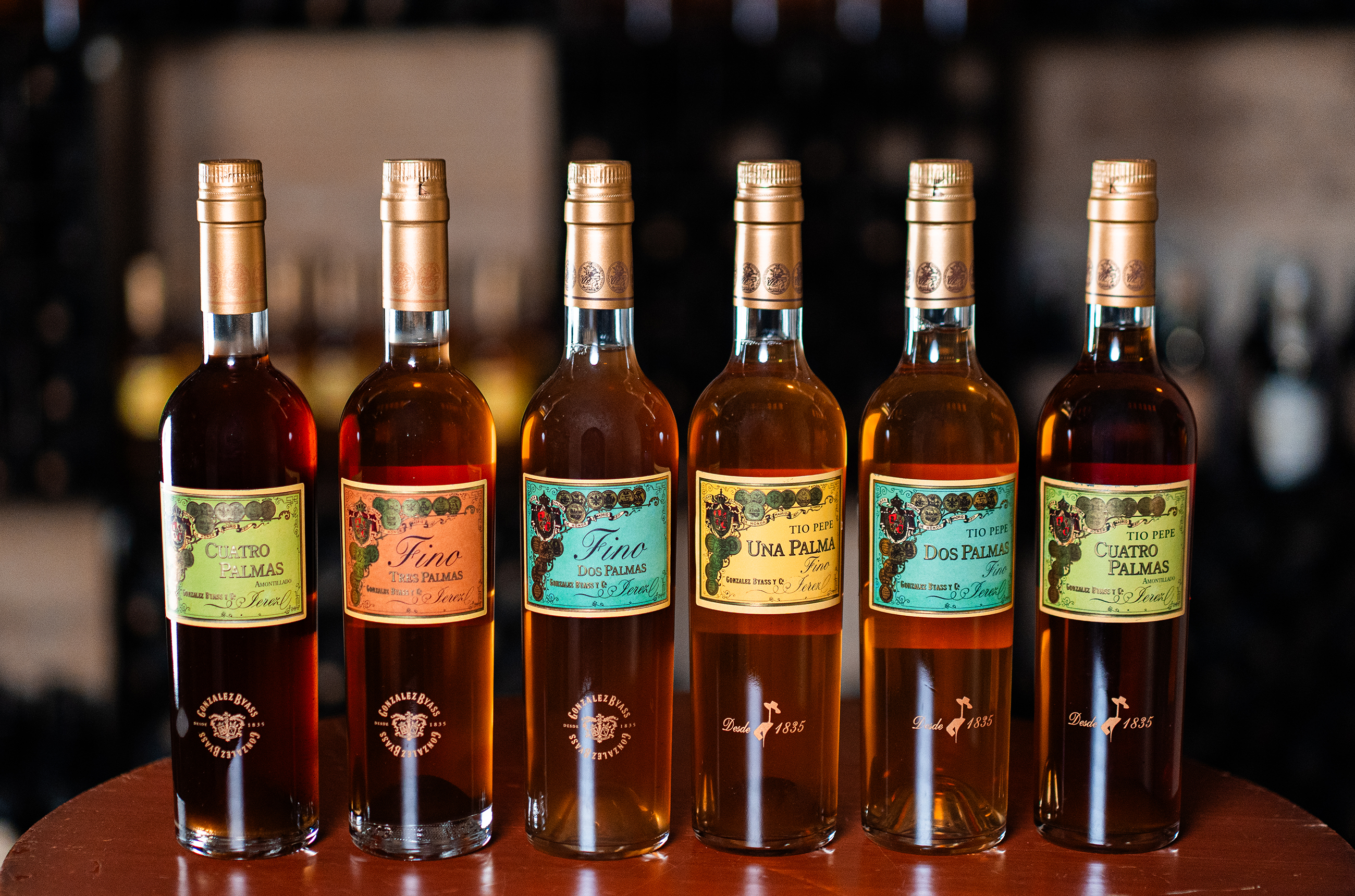 González Byass: Strengthening Sherry’s position among the world’s finest wines
Sponsored Top notch sherry...


