

A key region in the winemaking world, Piedmont is characterised by its UNESCO heritage hills, local grape varieties and a winemaking culture that is deeply rooted in the history and stories of its local communities.
From the Langhe to Monferrato, the Tortonese and Gavi, Piedmont is home to an extraordinary viticultural biodiversity which is expressed in wines that are enjoyed for their elegance, authenticity and terroir expression.
Vignaioli Piemontesi (vignaioli.it), the region's largest winegrowers' association, seeks to convey this rich heritage and diversity in its wines.
Bringing together hundreds of producers and thousands of hectares of vineyards, the association aims to highlight Piedmont's winemaking heritage and support wineries in promoting their appellations and territories. It plays an important role in protecting the region's wine culture and promoting quality-driven viticulture that focuses on territorial identity and sustainability.

The barrel room at Cantina Terre del Barolo.
The Langhe: The land of Barolo, Barbaresco and important reds
The Langhe is one of Italy's most iconic landscapes for viticulture. Nebbiolo finds its true expression here, giving rise to extraordinarily elegant and ageworthy wines: Barolo and Barbaresco. Varieties including Barbera, Dolcetto and Moscato, meanwhile, offer diverse, nuanced interpretations in the glass.
One of the key players here is Cantina Terre del Barolo, a historic cooperative that represents the productive heart of the Langhe and preserves the tradition of the region's great wines. terredelbarolo.com
In the hills of Barbaresco, the Montaribaldi Winery expresses the authentic soul of the region with its Barolo and Barbaresco wines, showcasing the historic Piedmontese grape varieties. montaribaldi.com
Pecchenino also has deep ties to the Langhe and Dogliani, the iconic Dolcetto region. The winery expresses the character of the Piedmont hills through elegant wines with a strong sense of territorial identity. pecchenino.com
From the great Piedmontese reds to the native whites, and with a clear focus on excellence, Vite Colte portrays a Piedmont that is both modern yet deeply rooted in its past. vitecolte.it
Capetta Vini continues a long Piedmontese winemaking tradition. Its range encompasses aromatic wines, sparkling wines and great regional classics under the Duchessa Lia line. capetta.it
Roero: Sandy soils and superb expressions of Nebbiolo
Roero is a region that has garnered growing international attention in recent years thanks to the elegance of its wines and the extraordinary potential of the Nebbiolo variety. Alongside its great reds, Roero also showcases the freshness and identity of Arneis, a white grape variety that has come to be seen as a symbol of these hills, designated a UNESCO World Heritage Site.
Tenuta Carretta represents one of the historic estates in Roero, combining tradition, hospitality, and a strong connection to the land. tenutacarretta.it

Timorasso grapes at the Semino family's La Colombera winery.
Monferrato: Tradition, conviviality and Barbera
Monferrato is the home of Barbera, a grape variety that symbolises Piedmontese conviviality, combining freshness, structure, and gastronomic versatility. In Monferrato, the landscape alternates between rolling hills, small villages and vineyards steeped in agricultural tradition.
Cantina Tre Secoli is one of the most important cooperatives in the area and seeks to preserve Monferrato traditions, producing authentic wines with a strong connection to the land. tresecoli.com
Gavi and Tortonese: Superb white wines from native grape varieties
Some of the region's most iconic white wines are produced In southeastern Piedmont, between the hills of Gavi and Tortonese. Here, the two key grapes are Cortese and Timorasso, used to create wines shaped by mineral soils, with an ideal climate for producing wines of great finesse.
Castellari Bergaglio is one of the flagship wineries of the Gavi DOCG, a denomination that has conquered the international scene thanks to the elegance and freshness of the Cortese grape. castellaribergaglio.it
Led by an all-female team, La Mesma winery highlights the purity of Cortese and the profound connection between wine, terroir and sustainability. lamesma.it
In the area of Tortona, La Colombera is among the wineries that have contributed to the rebirth of Timorasso, an ancient native Piedmontese grape now considered to produce one of the most interesting and long-lived Italian white wines. lacolombera.it
Also hailing from Tortona, Cantine Volpi combines tradition and innovation, expressing the authentic character of Piedmont and its continuous production evolution through its wines. cantinevolpi.it

Cantine Volpi.
Embracing tradition whilst looking to the future
Piedmont offers a mosaic of diverse territories, grape varieties and histories, with a unique sense of place. Thanks to the work of its wineries and the commitment of Piedmontese winemakers, the region continues to be a model for quality, authenticity and wine culture.
Its heritage encompasses not only excellent wines, but also a profound connection between its people, landscapes and traditions, making Piedmont a truly fascinating region to explore.
Article adapted from Italian content provided on behalf of the Vignaioli Piemontesi association.
Learn more about Vignaioli Piemontesi
Connect on Facebook | Instagram | Linkedin


-
 Casa Real 2023: A South American icon
Sponsored A renowned Cabernet Sauvignon...
-
 Critical acclaim for Condado de Haza
Sponsored A coveted medal...
-
 The life and soul of Istrian winemaking
Sponsored The region's flagship grapes...
-
 Bringing the spirit of Rioja to the UK
Sponsored Spain's leading wine region...
-
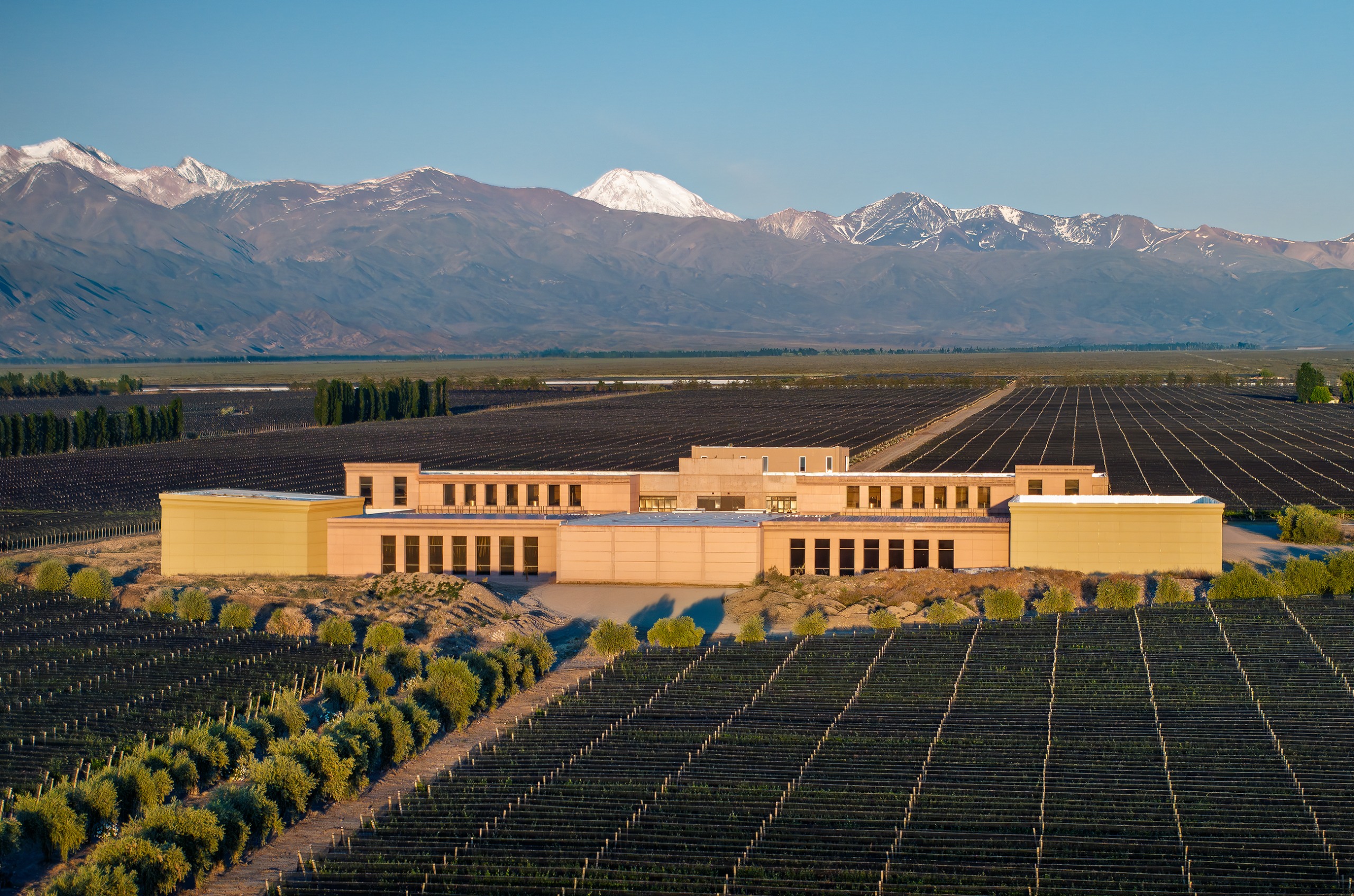 Apartado: Elegant interpretations of the Uco Valley from Rutini Wines
Sponsored The essence of the Uco Valley...
-
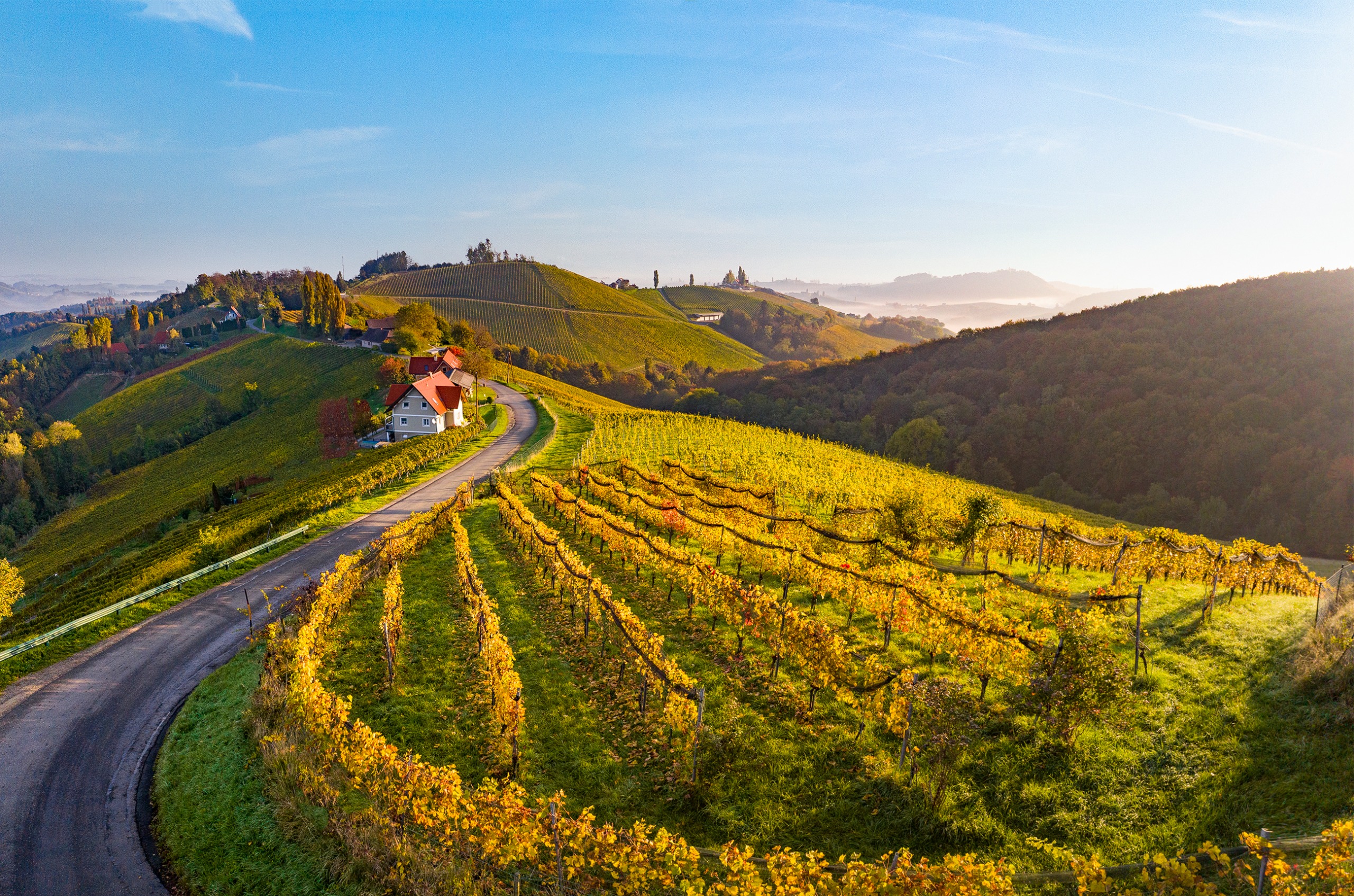 Award-winning wines from Austria
Sponsored Quality and diversity...
-
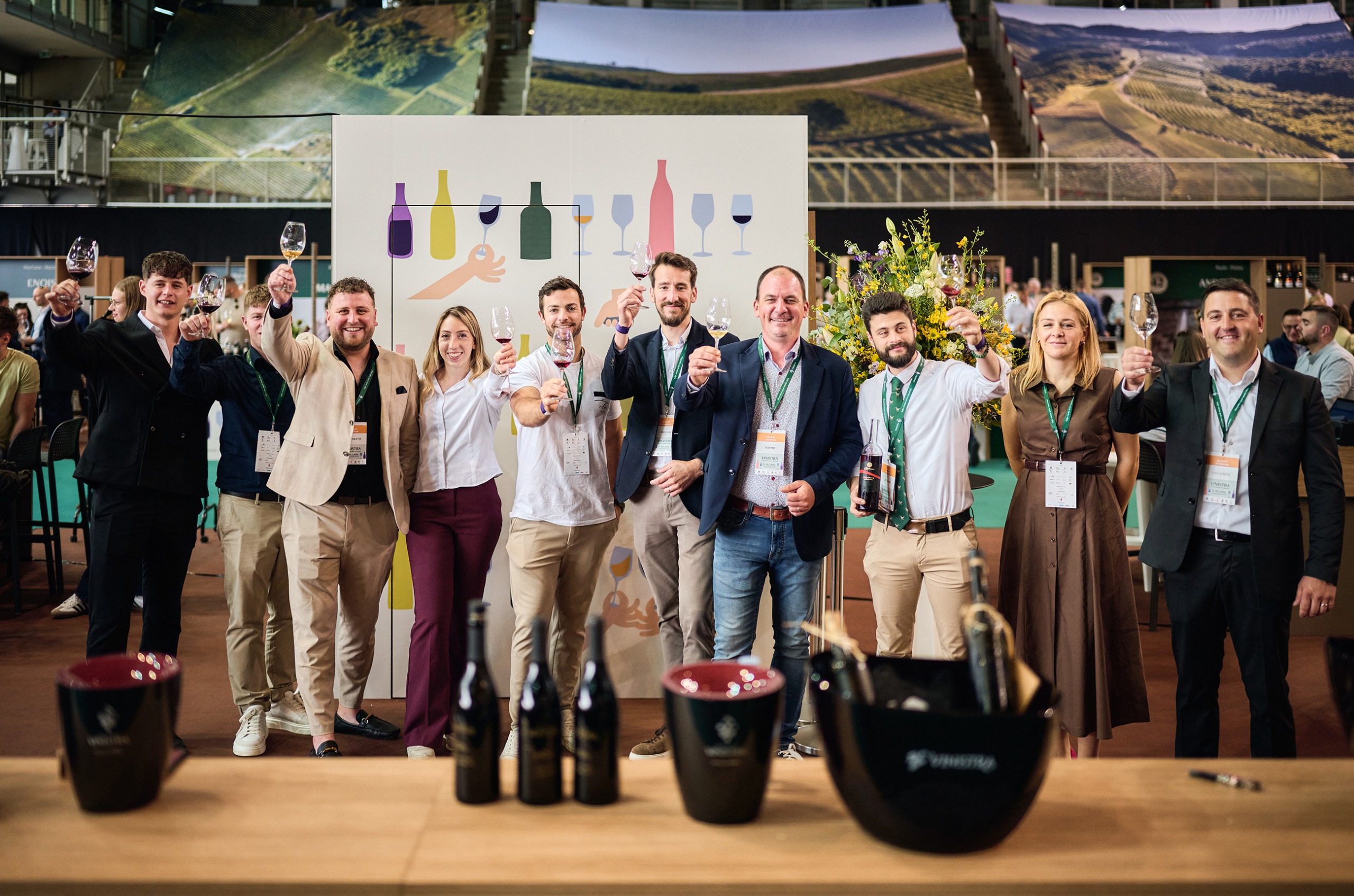 Gen V: The new face of Istria
Sponsored Taking Istria into the future...
-
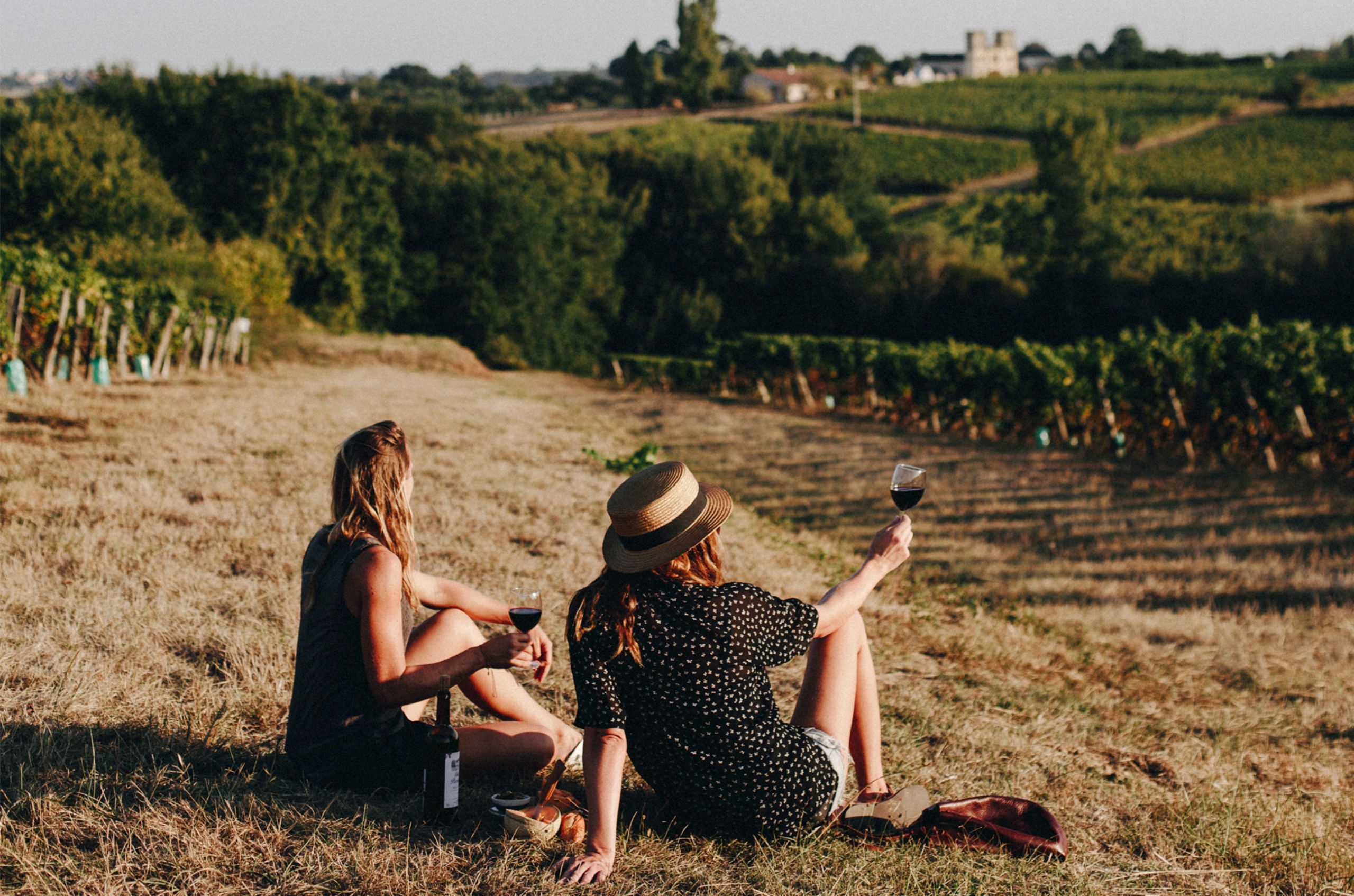 Bordeaux: One region, many voices
Sponsored Bordeaux reds in all shades...


