Bardolino sign on pier Garda lake, Veneto
Credit: Stefano Ferrarini / 500px / Getty Stock Photos
(Image credit: Stefano Ferrarini / 500px / Getty Stock Photos)

The Veneto produces more wine than any other region in Italy. Even with the downturn caused by adverse weather conditions in 2023, according to official ISTAT figures the Veneto vinified 10.6 million hectolitres.

The region used to compete with Puglia for record annual production, but these days there is no contest.

Thanks to the staggering 660 million bottles of Prosecco (source: Consorzio Prosecco DOC, 2025) and the lion’s share of the 250 million bottles of the inter-regional Pinot Grigio delle Venezie (source: Consorzio Delle Venezie, 2024), the Veneto makes almost double the production of the southern region.


Scroll down for Richard’s pick of wines from Veneto


But it is not all about volume and monoculture – there is also quality and diversity.

The Veneto has more DOCGs (14) than any other region and a grand total of 53 DOs for wines which range across the whole spectrum from still to sparkling, from dry to sweet, and from fresh and youthful to complex and ageworthy.

I went along to the AIS-Vinetia show to remind myself of this diversity and to catch up with what is happening at the quality end of Venetian winemaking.

AIS is the Assocazione Italiana Sommelier, and the Venetian delegation of the association publishes a critical guide to the wines of the region. They invite the producers featured in the guide to this annual event held in the province of Treviso.

2025’s bumper edition offered over 700 wines to taste from 130 producers, for the most part from small-to medium-scale wineries; some well known, others up and coming.

Slimming down

One of the takeaways from the show is that dry wines are getting drier, and this is particularly apparent in the wines made around Lake Garda.

The soft and fruity Bardolino Chiaretto of the past, for example, is being replaced by wines which are paler, crisper and made in a much firmer, reductive style.

The same is true for the white wines of Lugana, where the softening influence of residual sugar is much less evident than in the past, making for wines which are more food friendly and revealing a potential for evolution which makes Lugana one of Italy’s most interesting mature whites today.

Residual sugar is part of Prosecco’s DNA, but it is noticeable that in recent vintages, Extra Dry wines from the DOCGs of Valdobbiadene Conegliano Superiore and Asolo Superiore demonstrate much lower dosage than they had previously.

A trend towards dry styles has seen more production of Brut, Extra Brut and even Brut Nature, and is confirmed by the fast-growing number of bone-dry Sui Lieviti or Col Fondo – wines that have refermented in bottle.

The fashion for dryness, however, perhaps distracts from the real question of getting the right balance. A Cartizze with 17g/l of residual sugar can be as perfectly poised as an Extra Brut with a dosage of 2g/l. I pick out two examples of beautiful wines at the opposite ends of the sugar scale in my notes below.

The slimming down process is also apparent – in a slightly different way – in Valpolicella, where many young producers are moving away from the fleshy, full-bodied style of Superiore of the past by abandoning the use of partially dried fruit and returning to the vinification of fresh grapes.

This results in medium-bodied food friendly wines that bring out the floral-herbal side of the wonderfully versatile Corvina grape, and that have fresher fruit and more refined textures than we have seen before.

Altitude advantage

With a few exceptions (Lugana is one) the Veneto’s most interesting wines come from hill zones. Two from the south of the region that have not attracted a lot of attention in the past but are well worth checking out, are the Colli Berici in the province of Vicenza and the Colli Euganei in the neighbouring province of Padova.

Both have relatively small productions but growing environments and grape varieties which give them very specific personalities.

The Colli Berici DOC covers around 650ha of a high wooded plateau to the south of Vicenza, with dark ferrous, calcareous soils.

The climate is one of the warmest in the region, which favours the red varieties that account for over 70% of the production (and incidentally also the production of exquisite olive oils).

The Colli Berici is the only DOC in the region which includes a grape known to the national register as Tocai Rosso, but in fact is none other than that most Mediterranean of varieties, Grenache.

How it came to the province of Vicenza is something of a mystery, but one theory is that it arrived via contacts between the local bishopric and the Popes at Avignon in the period of the papal schism, which, if true, gives it a long history in the region.

The grape is used to make a wine called Tai Rosso or simply Tai (pronounced ‘tie’), which has the pale shade, the dark fruit and floral aromas, and the soft, round palate typical of the variety.

Made in stainless steel to drink young, it is a quaffer. Riserva styles aged in oak, on the other hand, are full-bodied, mouth-filling wines for traditional Italian Sunday lunches. I have included examples of both styles in the notes below.

Volcanic character

The Colli Euganei is an area of curiously shaped conical hills of volcanic origin that rise out of the plain of the Veneto to an elevation of around 400m.

The DOC zone lies in the heart of a 2,000ha nature reserve and the wooded countryside has a distinctly wild appearance that sets it apart from other, more densely planted areas of the region.

Merlot and Cabernet do well, but the eye-catching wines are the whites grown on the stony higher slopes, where the accentuated night and day temperature excursions favour fresh acidity and the development of complex aromatics.

Particular beneficiaries of the very specific terroir are two local biotypes of familiar varietes, Fior d’Arancio (Moscato Giallo) and Serprino (Glera).

Colli Euganei Fior d’Arancio has its own DOCG. It comes in various (probably too many) versions but the one to look for is the gorgeously aromatic passito, where the fresh acidity and the minerally finish set off the rich, tropical fruit sweetness.

Serprino can be spumante, frizzante or bottle-refermeted Col Fondo. This might suggest a resemblance to Prosecco, but the sparkling wine of the Colli Euganei has its own, quite distinctive character, with more delicate white blossom aromas, crisp acidity, and the tangy quality typical of volcanic soils.

Sweet delights

To conclude, despite the trend towards drier styles that I mentioned above, sweet passito wines remain one of the riches of the Veneto.

Every corner of the region produces them, from grapes like the Vespaiolo of Torcolato, the Garganega of Recioto di Soave and Gambellara, and the Fior d’Arancio Moscato of the Colli Euganei.

All are blessed with natural acidity to balance the accumulation of sugars in the long drying process. It is a niche of declining popularity, but how sad the region would be without those delicious half bottles!

I make no apologies for including three great sweet wines in my notes below.


Richard’s pick of Veneto’s viticultural riches:


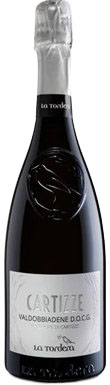
La Tordera, Prosecco, Valdobbiadene Superiore di Cartizze, Veneto, Italy
My wines
Locked score

From a single hectare on the slopes of Cartizze, with a high percentage of vines which are over 100 years old. On the nose this...

VenetoItaly

La TorderaProsecco

Decanter Premium logo

Join Decanter Premium to unlock all our wines tastings and notes

Join Now

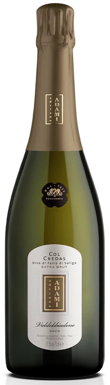
Adami, Col Credas Rive di Farra di Soligo, Prosecco, Valdobbiadene Superiore Rive, Veneto, Italy

My wines
Locked score

A super-fine, persistent mousse with fresh, refined and restrained aromas of lilac blossom and yellow apple, and a very distinctive minerally quality. The palate is...

VenetoItaly

AdamiProsecco

Decanter Premium logo

Join Decanter Premium to unlock all our wines tastings and notes

Join Now

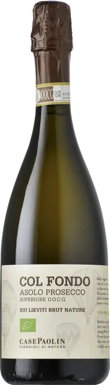
Casa Paolin, Pietra Fine, Prosecco, Asolo Superiore, Veneto, Italy, 2023
My wines
Locked score

A nose of flinty intensity with aromas of green apple, lemon rind, white melon and acacia blossom preludes a palate with the fine perlage that...

2023

VenetoItaly

Casa PaolinProsecco

Decanter Premium logo

Join Decanter Premium to unlock all our wines tastings and notes

Join Now

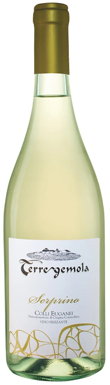
La Roccola, Terregemola, Colli Euganei, Serprino, Veneto, Italy

My wines
Locked score

Spring blossom with bright citrus and apple aromas and a light, sprightly, dry palate with a refreshing prickle make for a frizzante with great natural...

VenetoItaly

La RoccolaColli Euganei

Decanter Premium logo

Join Decanter Premium to unlock all our wines tastings and notes

Join Now

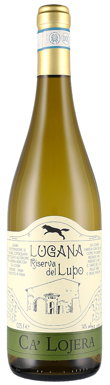
Cà Lojera, Riserva del Lupo, Lugana, Veneto, Italy, 2020
My wines
Locked score

From a historic producer with old vines in the deep clays of the coastal zone, this is starting to show the first hints of maturity...

2020

VenetoItaly

Cà LojeraLugana

Decanter Premium logo

Join Decanter Premium to unlock all our wines tastings and notes

Join Now

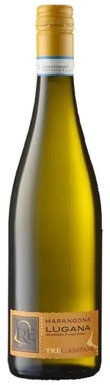
Marangon, Tre Campane, Lugana, Veneto, Italy, 2022
My wines
Locked score

A great interpretation of the difficult hot and dry 2022 vintage from one of the leading young producers of the DOC. A complex, spontaneous nose...

2022

VenetoItaly

MarangonLugana

Decanter Premium logo

Join Decanter Premium to unlock all our wines tastings and notes

Join Now

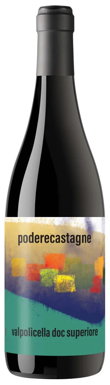
Corte Sant'Alda, Poderecastagne, Valpolicella, Superiore, Veneto, Italy, 2019
My wines
Locked score

Pioneer of biodynamic viticulture, Marinella Camerani makes this wine from a high plot in the woods of the Valle di Mezzane. The luminous, pale ruby...

2019

VenetoItaly

Corte Sant'AldaValpolicella

Decanter Premium logo

Join Decanter Premium to unlock all our wines tastings and notes

Join Now

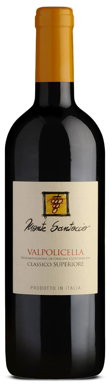
Monte Santoccio, Valpolicella, Classico, Veneto, Italy, 2023
My wines
Locked score

The young producer, Nicola Ferrari – one of the rising stars of the Valpolicella – makes a quality statement with his delicious, unoaked entry level...

2023

VenetoItaly

Monte SantoccioValpolicella

Decanter Premium logo

Join Decanter Premium to unlock all our wines tastings and notes

Join Now

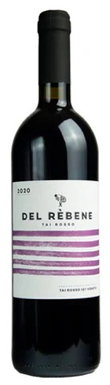
Del Rèbene, Tai Rosso, Veneto, Veneto, Italy, 2020
My wines
Locked score

The textbook varietal nose has plum, tobacco leaf and lilac blossom, with earthy phenolic nuances. On the palate it is firm and tactile with ripe...

2020

VenetoItaly

Del RèbeneVeneto

Decanter Premium logo

Join Decanter Premium to unlock all our wines tastings and notes

Join Now

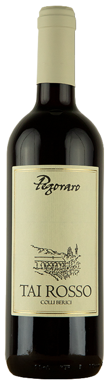
Cantina Pegoraro, Tai Rosso, Colli Berici, Veneto, Italy, 2023
My wines
Locked score

This is a youthful, unoaked Tocai Rosso with a pale ruby shade and a nose of glacée cherries and sweet spices, with a hint of...

2023

VenetoItaly

Cantina PegoraroColli Berici

Decanter Premium logo

Join Decanter Premium to unlock all our wines tastings and notes

Join Now

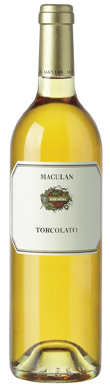
Maculan, Breganze Torcolato, Veneto, Italy, 2022

My wines
Locked score

A masterful interpretation of a Venetian classic, from a pioneer of modern winemaking in Breganze, this has explosive intensity on the nose, with fresh notes...

2022

VenetoItaly

MaculanBreganze Torcolato

Decanter Premium logo

Join Decanter Premium to unlock all our wines tastings and notes

Join Now

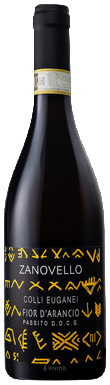
Cà Lustra Zanovello, Passito, Colli Euganei Fior d'Arancio, Veneto, Italy, 2020
My wines
Locked score

Aromas of orange zest, baked peach, pineapple and a hint of coconut from the oak continue to rise from the glass with great intensity and...

2020

VenetoItaly

Cà Lustra ZanovelloColli Euganei Fior d'Arancio

Decanter Premium logo

Join Decanter Premium to unlock all our wines tastings and notes

Join Now

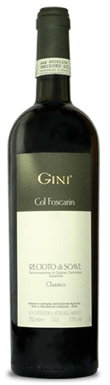
Gini, Col Foscarin, Recioto di Soave, Classico, Veneto, Italy, 2016
My wines
Locked score

From one of the top Soave UGAs, on the volcanic slopes of Monte Foscarino, This vintage of Sandro Gini’s classic Recioto has a typically refined...

2016

VenetoItaly

GiniRecioto di Soave

Decanter Premium logo

Join Decanter Premium to unlock all our wines tastings and notes

Join Now
Richard Baudains
Decanter Magazine, Regional Chair for Veneto DWWA 2019

Richard Baudains was born and bred in Jersey in the Channel Islands and trained to be a teacher of English as a foreign language. After several years in various foreign climes, Baudains settled down in beautiful Friuli-Venezia Giulia, having had the good fortune to reside previously in the winemaking regions of Piemonte, Tuscany, Liguria and Trentino-Alto Adige. Baudains wrote his first article for Decanter in 1989 and has been a regular contributor on Italian wines ever since. His day job as director of a language school conveniently leaves time for a range of wine-related activities including writing for the Slow wine guide, leading tastings and lecturing in wine journalism at L’Università degli Studi di Scienze Gastronomiche and for the web-based Wine Scholars’ Guild.