Top Bordeaux 2016 wines in bottle: Full Médoc report


Several Bordeaux 2016 wines have improved even further since en primeur season, and there is particular excitement on the Left Bank where several top Médoc estates have outperformed 2015.
Read in-depth tasting notes and see ratings for hundreds of classified Bordeaux 2016 wines, re-tasted by Jane Anson this month now that the vintage has been bottled and beginning with Médoc.
We begin with classified Médoc wines, including those from the big four appellations of St-Estèphe, Pauillac, St-Julien and Margaux.
Read Jane’s other reports:
Pessac-Léognan 2016 in bottle
St-Emilion & Pomerol 2016 in bottle
Bordeaux 2016 in-bottle reviews by score
First impression after tasting hundreds of Bordeaux 2016 in-bottle wines
You might remember the opening to 2016 vintage report, written by Professor Laurence Geny and Dr Axel Marchal at the Bordeaux institute of wine and vine. It is a study in understatement, opening with, ‘It is always somewhat risky to announce a second great vintage in a row without appearing unduly optimistic’.
And then goes on to throw caution to the wind with, ‘However, 2016 is unquestionably remarkable in Bordeaux, combining quality, quantity, and a very classic style’.
Tasting the 2016s en primeur definitely underlined the reasons for this confidence, but tasting a pre-bottled wine is a tangle of angles, corners and edges.
Especially in large-framed, concentrated years such as 2016, a lot of the work comes in projecting forward, assessing the construction and fruit quality, and trying to not to thrown off track by the wall of tannins and acidity while doing so.
This early days’ assessment becomes fascinating and hugely instructive when tasting the wines after they have been bottled, so a further 18 months after the en primeur round-up.
This is the moment that you really can start to see the whole picture, and to understand if any early issues have been ironed out by extra ageing process.
They will still not be ready to drink, and may need another five or 10 years before really getting into their peak drinking window, but châteaux should none the less expect that some buyers are going to crack into them within the next few years (I’m sure you’ve noticed how many restaurants put young wines on to their lists, even relatively high end Bordeaux, certainly at Cru Bourgeois level).
At the very least, the barrel ageing should mean that stringent tannins have softened a little, and the wine as a whole should have settled down and become more stable (as opposed to the moving target of a barrel sample).
So does 2016 live up to the promise now that we are tasting two years after harvest? Largely, I would say that it does.
Let’s hope the sommeliers are listening, because as a rule these are not wines that you can crack open today. Bearing in mind that I am re-tasting almost entirely the classified growths of the Left and Right banks, it’s not a surprise to say that with the abundance of acidity, fruit and tannin on display, many are going to need several years to open.
It is almost certain that the 2015s will be ready first, and very likely the 2017s also. In that respect, it reflects the difference between 2009 and 2010.
This was also a vintage where winemakers had to be reactive throughout the growing season as conditions changed, and where decisions such as when to leaf thin and how much to extract in the cellar were key. But I can definitely report that this was an enjoyable year to re-taste in bottle, and there are plenty of wines to get excited about.
Bordeaux 2016 weather summary
I’ll keep things brief, because so much has been written on these already.
2016 had some similarities to 2018, at least in the early season – which means rain, and a lot of it.
After a dry 2015, the rain replenished the water levels in the soils, but meant the threat of fungal disease and the risk of poor fruit set in Spring.
From mid summer onwards, however, the weather turned exceptionally dry and hot. August saw temperatures of 5°C higher than average, with 30% more sunshine – excellent for most grapes, but a little tough for young vines, that saw some blockages, plus meant the risk scorching of grapes in properties that had been over-enthusiastic with leaf thinning earlier in the season.
The first 13 days of September were the hottest since 1950, followed by a few days of rain (that went as high as 70mm in Pessac, and around 50mm in the Médoc) that was helpful in kickstarting the Cabernet ripening.
The rest of September and October were dry and sunny, meaning grapes were able to ripen under warm skies and cool nights, which meant thick skins, deep colours, high aromatics and fresh acidities.
And the long slow end of season meant alcohols stayed relatively low compared to years like 2015 and 2009, so many wines didn’t fit the profile of a traditional blockbuster vintage, and answer better to the description of ‘classic’, but at the highest end of that word.
Value to be had if you know where to look
By and large, where 2015 was a Right Bank vintage, 2016 is a Left Bank one.
There are exceptions, particularly Pomerol, where I found some brilliant wines (much as Margaux was a clear exception in 2015). You’ll be able to see all of my Pomerol notes and scores on these pages next week.
I am re-tasting the Pessac-Léognans in December, so will be able to complete the picture then, but so far the highest concentration of great wines have been in Pauillac, St-Julien and St Estèphe, with Pomerol close behind.
Many of these are of course premium in terms of price also, but there are values to be found throughout the Médoc and I tasted a number of good Cru Bourgeois that are worth seeking out.
Left Bank review
Strap yourself in for some serious architectural wines here, with depth, weight, and vertical assault – proof that Cabernet Sauvignon can do concentration and power without sacrificing freshness.
There are some high percentages of Cabernet Sauvignon in many of the top wines, reflecting its success in a long, slow ripening season. So you’ll find 85% at Pichon Baron, Ducru Beaucaillou and Batailley, 92% at Lafite, and a full 94% at Margaux.
Petit Verdot also did well with the long ripening season in 2016, and you increasingly see it as the ‘third grape of choice’ in the Médoc over Cabernet Franc.
You’re going to find most wines up in the northern Médoc appellations are better constructed and deliver more intensity of flavour in 2016 than they did in 2015.
Margaux has taken on depth and power over the ageing process, but I still find that the 2015s are a more enjoyable overall package, because they deliver such juicy, joyful fruit character.
The hot summer sunshine meant that levels of green pepper pyrazine are almost non-existent, with acidity levels that give excellent balance.
I tasted a limited number of second wines, but they suggested that the quality found at this level has lived up to its initial promise; a clear sign that 2016 is better and more consistent than, for example, the 2014s, where they were many great first wines but far less successful second wines.
Alcohols as a rule were a full percentage point lower in 2016 than 2015, but it should be remembered that sugar – and therefore potential alcohol – was also way higher in 2015 than in 2009 and 2010.
Very few headed over 14% abv. I see only Pontet Canet in the Médoc that has gone over that level, and the vast majority come in at between 13.5% and 14%.
There are big tannins, with IPTs of 80, even 90 or higher, and those rich, deep anthocyanes that give such gorgeous colours. Definitely a year for lovers of classic, long-ageing Médocs.
Ask Decanter: What is the IPT tannin scale?
St-Estèphe
This is a great year for the appellation, and reflects its increasing confidence over recent vintages. It was helped by great weather conditions. St-Estèphe saw 30mm of rain on 13th September and 13mm on 8th October, with nothing in between, allowing the clay, limestone and gravel soils to fully ripen the grapes.
The more varied terroir in St-Estèphe (with higher levels of clay and limestone than Pauillac and St-Julien) also withstood the summer heat better than some gravels, meaning less blockages in ripening. I found the power and structure of en primeur had held up brilliantly, and these are wines that you are going to love drinking. Plump black fruits, walls of tannins to scale, closed down right now, smoky oak and liquorice flavours.
Châteaux to watch: Phélan Ségur, Montose, Cos d’Estournel, Calon Ségur
Pauillac
Tasting at Mouton Rothschild, MD Philippe Dhalluin said he found 2016 to be ‘truly the modern expression of 1986’.
Hard to disagree – and part of what that means is that it is a stunning vintage, but it will take its time to reach its peak. These are big wines, well constructed, lots to look forward to, with chewy tannins, rich and thick in texture.
Take your time with these, they are likely to remain extremely tight for the foreseeable future.
Latour is not retasting its in-bottle wine until January, but the other two First Growths in the appellation are stunning and got my highest points (Mouton moved up from en primeur), closely followed by Pichon Comtesse (also up by one point).
Châteaux to watch: Lafite Rothschild, Mouton Rothschild, Pichon Comtesse
St-Julien
Not sure I remember St-Julien being as consistent as this – all were given Highly Recommended or Exceptional in terms of their scores, with one or two moving upwards from en primeur.
All pretty much closed up for business right now of course, but with a construction and architecture that feels very much like 2010. Gorgeous fruit densities on display, and some that were truly exceptional. I gave the full 100 points to Léoville Las Cases, which was every bit as ‘grab a friend and tell them to drink this’ as it had been en primeur.
Châteaux to watch: Léoville Las Cases, Ducru Beaucaillou, Léoville Poyferré, St Pierre
Margaux
The impression formed during en primeur that the vintage was pipped by the 2015 in terms of quality was still true, but largely because the 2015 was so exceptional. There was a little more rain in the southern than northern Médoc certainly, but in the main, these wines had deepened over the ageing process, and there are some excellent bottles to be found.
If prices of your favourite are similar to 2015 however, I would still suggest you should probably go with the earlier vintage.
Châteaux to watch: Lascombes, Prieuré Lichine, Cantenac Brown (up from en primeur), Brane Cantenac.
Médoc / Haut-Médoc
I tasted around 30 Médoc and Haut-Médocs, so not really enough to get a full impression, but there are some issues with the tannins being overly tight and impenetrable and acidity knocking the fruit off balance. But these were the exceptions, and I would again feel very happy to say this is a great vintage for many wines at this level, with potential for good ageing, and some captivating wines.
Châteaux to watch: Potensac, Belle-Vue, La Tour Carnet
Top scoring Bordeaux 2016 wines from Médoc
See all Bordeaux 2016 wine reviews published so far here
Click on the wines to see the full in-bottle tasting note plus original en primeur rating.
You may also like:
Ten most improved Pomerol châteaux
Bordeaux 2000 vs 2001: How the top wines taste now
Video: How to taste en primeur wines – Jane Anson
Château Léoville Las Cases, St-Julien, 2ème Cru Classé, Bordeaux, France, 2016
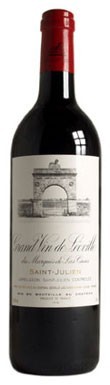

Classic cedar and graphite nose, immediately refreshing and invigorating, shot through with wild greens and moss. Powerful, intense, restrained and compact with fine-grained tannins. Important, monolithic; this is quite the wine!
2016
Château Léoville Las CasesSt-Julien

Château Lafite Rothschild, Pauillac, 1er Cru Classé, Bordeaux, France, 2016
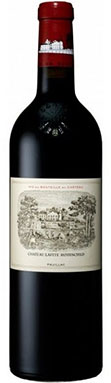
What I love about the 2016 Lafite is that the sweetness of the fruit comes through even at this early stage. Sweet, ripe blackberry and cassis pulse through the palate behind the tight construction of tension and classicism given by high acidity and plenty of tannins. It has ripeness and a sense of promise but, as is often the case with a young Lafite, it's not giving a lot away and we can expect it to age for many decades perfectly comfortably. Extremely accomplished, one to cherish. Matured in 100% new oak.
2016
Château Lafite RothschildPauillac
Château Mouton Rothschild, Pauillac, 1er Cru Classé, Bordeaux, France, 2016
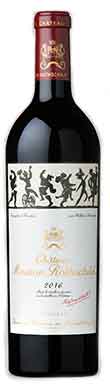
In 2016 Mouton has produced one of the top contenders for the wine of the vintage. Massive and profound, it also retains wonderful freshness which adds to the appeal of this monumental first growth. Deep and impenetrable in colour with cassis, exotic spice and lead-pencil/graphite notes on both nose and palate, this Mouton stays light on its feet whilst carrying the structure to age for 50 years. Still very young, this will probably be a 100-point wine with a few years extra ageing.
2016
Château Mouton RothschildPauillac
Château Margaux, Margaux, 1er Cru Classé, Bordeaux, France, 2016
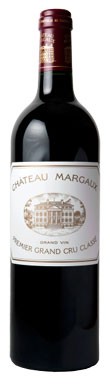
Refined and typically elegant, 2016 Margaux adds great depth, structure and concentration to the mix. This is a wine to drink in 30-40 years! Only 28% of the production made it into the grand vin and in 2016 much of the Merlot was left out of the final bland. The result is an intense, mineral, black fruit-driven wine with pronounced floral and leafy hints, smooth, ripe tannins and layers of subtle oak.
2016
Château MargauxMargaux
Château Pichon Longueville Comtesse de Lalande, Pauillac, 2ème Cru Classé, Bordeaux, France, 2016
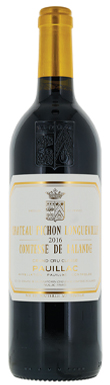
Lively red fruit notes of cherry, raspberry and blackcurrant. Intense and rich, with well-defined structure, firm tannins and a promising finish. Shows character, development and great ageing potential.
2016
Château Pichon Longueville Comtesse de LalandePauillac
Château Léoville Poyferré, St-Julien, 2ème Cru Classé, Bordeaux, France, 2016
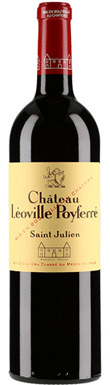
What a wine - such class from the excellent 2016 vintage. A touch of meatiness to the nose with bacon, green peppers and black pepper. So expansive in the mouth while at the same time seeming a little closed or perhaps on its way to closing down. Soft tannins, fine grained giving real presence but they're well integrated. Sophisticated and broad shouldered, this has a soft attack but giving such depth on the mid palate. Bold, powerful and well presented. A classic expression of claret and the St-Julien signature characteristics of minerality, graphite, slate, wet stone and juicy blackcurrant and plum. Closer to the style of 2010, still very tannic with the chalky, mineral texture standing out. Lovely definition and concentration all while being so refined. This will age for decades. 63% Cabernet Sauvignon, 29% Merlot, 2% Cabernet Franc, 6% Petit Verdot. Harvest 5-20 October.
2016
Château Léoville PoyferréSt-Julien
Château Pontet-Canet, Pauillac, 5ème Cru Classé, Bordeaux, France, 2016
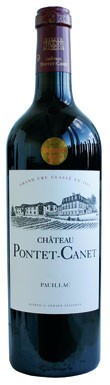
The 2016 is a vintage that shows off the best of Pontet, and is similar in feel to their 2010. Gorgeously rich right from the first nose, it opens stunningly in the glass, showing waves of tight black fruits, touches of redcurrant, liquorice and aniseed, fine tannins and mouthwatering salinity. It manages to remain balanced without losing the punch and concentration of Pauillac, rising up through the palate. It's hard not to fall in love with this wine, and it will clearly age with grace and ease. Bottled in July 2018.
2016
Château Pontet-CanetPauillac
Château Palmer, Margaux, 3ème Cru Classé, Bordeaux, France, 2016
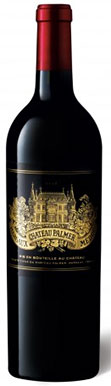
As is always the case with Palmer, the richness, depth and silkiness is just so impressive. Sophisticated and well constructed, with a vertical lift-off, there's a creamy richness on the palate which supports pencil-lead, liquorice, damson, black cherry and slate. I love the smoky cocoa bean finish. Like the Alter Ego, it's a different style this year but no less impressive, displaying width, heft and incredible persistency. It's a wine that's going to age far into the future and is extremely easy to recommend. The highest ever proportion of grand vin was produced in 2016.</p> <p>Stocked by Winebuyers.com
2016
Château PalmerMargaux
Château Montrose, St-Estèphe, 2ème Cru Classé, Bordeaux, France, 2016
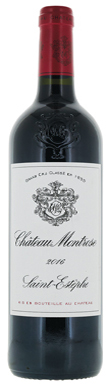
Founded in 1815, Château Montrose is a St-Estèphe icon revered for ageworthy reds. Under the Bouygues family's ownership since 2006, major investments in the 95ha gravel and clay vineyard and cellar have helped push the quality of this second growth estate even higher. The 2016 blend of 68% Cabernet Sauvignon, 25% Merlot, 7% Cabernet Franc was vinified in stainless steel and aged 18 months in French oak barrels (60% new). Georgie Hindle: Strongly scented, firm and full. Detailed fruit. Chewy, fleshy, but with a sweetness to the black fruit. Cooling menthol minerality. Gorgeous. Vincenzo Arnese: Good intensity, rich and crisp, good freshness on the palate with nice texture and finish. Some leafiness and attractive spiciness. Robert Mathias MW: Some incense and five spice on the nose. Quite robust and muscular palate with a real sense of finesse and purpose. Saline and gravelly, there is also a brilliant lift of violets and liquorice. A captivating wine.
2016
Château MontroseSt-Estèphe
Château Margaux, Pavillon Blanc, Bordeaux Blanc, Bordeaux, France, 2016
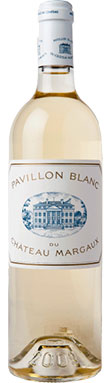
Absolutely living up to the promise of en primeur now it's in bottle, this is complex and expertly-spun, with notes of honeysuckle, kiwi, lime, waxy rosemary and savoury herbs. Touches of stone fruit flit through the mid-palate, and it all tiptoes along in perfect balance. Slate and salt appear, followed by waves of returning flavour and electric pulses that stretch out the finish. A low yield in 2016 of 23hl/ha.
2016
Château MargauxBordeaux Blanc
Château Cos d'Estournel, St-Estèphe, 2ème Cru Classé, Bordeaux, France, 2016
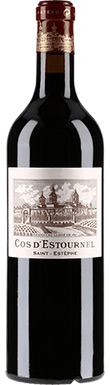
Cos continues to cement its place at the top of the second growths. It has moved on from the emphasis on heft and ripeness to a much more polished, elegant style. This 2016 retains the structure, with 70% new oak adding to the glossy, smooth tannins and palate feel, whilst adding in intense blackcurrant fruit, Asian spices, leafy hints and plenty of mineral drive to finish. Much more drinkable than, say, 2009/2010.
2016
Château Cos d'EstournelSt-Estèphe
Château Ducru-Beaucaillou, St-Julien, 2ème Cru Classé, Bordeaux, France, 2016
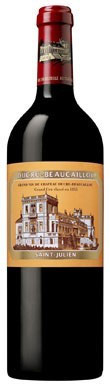
The youngest of a very strong trio (alongside 2010 and 2005) the 2016 is a wonderful example of 'new-wave' Bordeaux with all the intensity, purity and gloss expected from a top château, together with intense dark-Cabernet fruit, freshness, precision and great length. All the components here are in great balance with firm, ripe, tight-knit tannins, subtle oak, crisp acidity and elegance. A hint of violets add to the perfume, with a streak of graphite on the finish. Could be enjoyed now but well-worth keeping a decade.
2016
Château Ducru-BeaucaillouSt-Julien
