Bordeaux 2018 in bottle: full overview plus top scoring wines
After tasting more than 550 Bordeaux wines from the 2018 vintage now that they've been bottled, Jane Anson says it is a highly successful vintage with notable highpoints particularly from Pauillac, Margaux and St-Emilion.


Bordeaux 2018 overall score
4/5
Left Bank reds score
4/5
Right Bank reds score
4.5/5
Dry whites score
3.5/5
Sauternes score
3/5
Overviews and top scoring wines for Left Bank and Right Bank
Plus individual appellation overviews for:
St-Estèphe, Pauillac, St-Julien, Margaux, Médoc / Haut Médoc/ Listrac / Moulis and Pessac-Leognan & Graves |
St-Émilion, Pomerol, satellite appellations / lesser communes |
Sauternes & Barsac
Tasting conditions
As with the en primeur tastings earlier in the year, the 2018 in bottle assessment coincided with a lockdown in France where travelling became complicated. But in the end, between châteaux visits and home deliveries, I tasted around double the number of wines as for last year’s 2017 in bottle report; close to 600 labels in total.
A particularly useful exercise, where the atypical conditions that were highlighted in our en primeur report have resulted in some issues over ageing. This is still a highly successful vintage for red Bordeaux, but there are hesitations over certain wines, and I am revising down my overall rating for the vintage to 4, not 4.5, out of 5 for the reds (although the rating remains unchanged at 4.5 for the Right Bank in the regional breakdowns).
For the whites and the sweets, my vintage rating stays the same, 3.5 for dry whites and 3 for Sauternes.
Scroll down for Jane Anson’s top scoring Bordeaux 2018 wine tasting notes and scores
Ratings
Is the discrepancy for the reds because estates were extremely selective in the samples they presented en primeur? Unlikely. I would say it is more probable that the ageing process wasn’t simple when dealing with the high alcohols of such a dry summer that led to unusual things such as Cabernet Sauvignon at 14.5% ABV and higher.
This is not something that Bordeaux has to often deal with, and some properties did not adjust their ageing practices to account for the impact. This came through most notably in the style of tannins extracted over the time the wine has spent in bottle, and I would suggest looking out for slightly unwieldy oak impact – even in the starry appellations of Margaux, Pomerol and St Estèphe.
Having said that, there were some notable highpoints.
St-Emilion in particular stood out for having really delivered on the potential that it showed during en primeur, with many of the limestone soils keeping freshness but also benefiting from creamy fruits that reached full ripeness.
St Julien and Pauillac also saw some brilliant successes, where the ripe Cabernets were kept in check by the freshening influence of the Garonne river.
Of the value appellations, I would suggest looking to Fronsac and Castillon.
See all Bordeaux 2018 in bottle tasting notes and score
Perfect scores
Of the seven potential 100s that I gave during en primeur, (that were, at the time Cheval Blanc, Vieux Château Certan, Beausejour Duffau Lagarosse, Pichon Comtesse, Mouton Rothschild, Lafite Rothschild and Palmer, all awarded 98-100), I gave the full monty in the end to Palmer, Mouton and Cheval – and also Ausone, up from 98.
The others got 98 points (or a 99 for Léoville Las Cases), so all still brilliant wines that will more than reward getting hold of.
As you can see from the fact that 100 points have been awarded to wines from Pauillac, Margaux and St-Emilion, there are high points all over Bordeaux in 2018, but I would say it is St-Emilion’s year overall.
And I would once again like to draw attention to the 94 points level. This for me is a real sweet spot, and I always underline just how much pleasure they give – they are at the very top of the Highly Recommended band (90-94 points using the Decanter system), and there are a ton of great wines at this level, including
- Langoa Barton
- Prieuré Lichine
- Lafon Rochet
- Haut-Batailley
- La Clotte
- Bellefont-Belcier
- Clos du Clocher
- Gazin
- La Serre
- Couhins Lurton
This is only a selection, there are around 40 wines at this level, almost as many as all of the ‘Exceptional’ and ‘Outstanding’ wines that stretch from 95 to 100 points.
The other score level that I would point out is 89. We seem to have entirely forgotten than wines scoring just under 90 often offer brilliant values and unfussy pleasure. Châteaux often get upset at receiving scores at this level, but for a consumer this is another sweet spot that I look out for if the price and construction of the wine corresponds to something that is built for early-to-medium-term drinking.
Vintage style
A very brief vintage recap: 2018 was split into two distinct halves, where things were extremely wet until early July, and then extremely dry right through until October.
Of the five conditions that are tracked by the Institute of Oenology each year to assess potential quality, there was not a clean sweep in this vintage, as there was for 2005, 2009 and 2015.
But 2018 did partially meet four of the five, as was the case in 2010 and 2016.
- The first condition of rapid and even flowering was met
- The second of good fruit-set was partially met, although there was rain at this point, and issues with mildew.
- The third condition detailing the onset of water stress was partially met. ‘A little late due to rain through into July, but when it happened it was abrupt and complete,’ said professor Axel Marchal, of ISVV.
- The final two conditions of slow and complete ripening and picking under optimal conditions were fully met in most cases, with the warning that in some cases over-concentration occurred at this point – something that had to be carefully handled during vinification and ageing.
Yields
Yields were low in some cases due to mildew – Durfort Vivens for example saw 10hl/ha, Palmer 11hl/ha and Pontet Canet 12hl/ha. Some estates handled this well (notably Palmer), but sorting had to be unbelievably careful to avoid dried fruit flavours that are typical with mildew-impacted bunches.
Drinking windows
In general, 2018 wines are not as well-built and muscular as 2016, and so should be ready a little earlier, especially as there is so much ripe fruit in the wines. The 2017s however are lighter-framed and will be ready first in most cases – and also have less ageing potential than the 2018s in almost every case.
Prices
We are now almost two years on from en primeur, but the physical release of the bottles has not impacted prices as much as might have been hoped.
Initial release prices were, in most cases, higher than 2017 – Liv-ex records the average price rise in the UK as being 17.9% higher than 2017, with Euro prices seen at almost exactly the same level as 2016 in many cases.
Only a few prices have since moved upwards – with the biggest mover according to Liv-ex being Lafite-Rothschild, rising 16% since release to just under £7,000 on the UK market, no doubt helped by the special label that celebrates the 150th anniversary since the property was bought by Baron James de Rothschild in 1868.
Liv-ex also records Calon-Ségur as moving up 3.4% (now at just under £800), and Vieux Château Certan up 2.7% (at £2,700). The Liv-ex charts shows both Beychevelle and Pontet unchanged, and drops for, among others, Smith Haut Lafitte, Mouton and Grand Puy Lacoste.
2018 v 2019
On my tastings here, Mouton Rothschild should be able to recoup that loss over the long-term, as it is a wine that more than delivers on the promise of long-ageing and quality – even though its 2019 was priced so well that it is bound to impact on the desirability of the 2018 for at least the next few years. Bear in mind also that the value of the pound has dropped further this year, impacting on relative affordability.
The majority of labels have stayed at or around their release price. They have not been helped by the fact that the 2019 vintage is a little more consistent, and has been priced more attractively due to the pressures of the market at the time of their release (seeing average prices 19% lower than 2018, with a few headline exceptions such as Mouton Rothschild and Pontet Canet that released a full 30% below their 2018 prices).
The market expects the 2018s to hold their value, but there is no expectation that they are going to fire up anytime soon.
Prices going forward also depend on the release prices of the 2020 vintage. If the market has not recovered by then – and it seems unlikely to have done so – then 2018 might start to look expensive in comparison to two competitively-priced vintages.
See Jane Anson’s top scoring Bordeaux 2018 wine tasting notes and scores
The following 25 wines scored 97 points or above.
You may also like
Jane Anson: My top 10 fine wines of 2020Petrus: producer profile plus top wines tastedAnson: Tasting Château Palmer wines across three decadesAnson: Comparing six Pomerol châteaux in every vintage from 2012 to 2017
Château Ausone, St-Émilion, 1er Grand Cru Classé A, Bordeaux, France, 2018
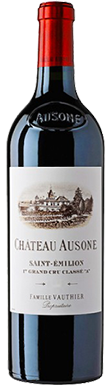

This is deep and ripped, coming out you like a powerhouse, then it stops, tiptoes away, then rises up to slowly stretch out through the palate, displaying incredible tension and length. Graphite, flint, earth, crushed stone, blackberry, cassis and a juicy salinity from the scrape of limestone. Pretty clear this is going to power through the next 30-40 years effortlessly. And it just keeps going. Clearly survived the drought of the summer without so much as breaking a sweat. 3.6pH. Average age of the vines is 52 years old. A yield of 38hl/ha.
2018
Château AusoneSt-Émilion

Château Cheval Blanc, St-Émilion, 1er Grand Cru Classé A, Bordeaux, France, 2018
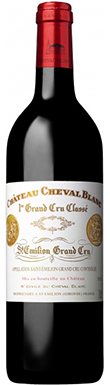
Lovely ripeness on the nose, full of dense Morello cherries and milk chocolate notes, this feels round and just very complete. It has a density on the palate immediately, voluminous with chalky, gentle gripping tannins, almost chewy on the second taste, that fill the mouth. Generous and expansive. Voluptuous fruit with a capitvating and satisfying texture, it's really the mouthfeel that's in focus, big and wide - coating the mouth. Flavours are concentrated around blackcurrant and black cherry with some sweet strawberry and soft chalkiness as well as a touch of sweet liquorice too. Clear depth and power though still youthful and somewhat shy. An excellent Cheval.
2018
Château Cheval BlancSt-Émilion
Château Mouton Rothschild, Pauillac, 1er Cru Classé, Bordeaux, France, 2018
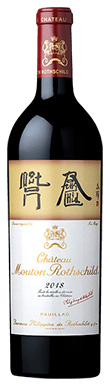
This has so much tannic power, with density, layers and structure along with layers of blackberry, liquorice, baked earth, cigar box and the signature exotic spices of Mouton. A big, textured and complex wine that is taking it all in its stride. 100% new oak. There is the tiniest touch of Petit Verdot in the blend, but under 1%, so it’s not in the official figures. 62% of production went into the grand vin. 3.78pH. 88IPT. The artist for this vintage is Xu Bing.
2018
Château Mouton RothschildPauillac
Château Palmer, Margaux, 3ème Cru Classé, Bordeaux, France, 2018
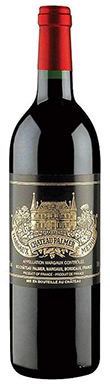
Beautifully rich even on the nose, this makes you smile from the first moment. On the palate things are intense and concentrated, as you might expect with an 11hl/ha yield (mildew-related). Upfront flavours major on big bitter chocolate with touches of smoke and grilled cedar, lots of savoury fruits and touches of reduction. Extremely impressive how layered and textured it is, though it really needs decades to reveal itself. There is the seductive floral edge of Palmer as it opens in the glass, but this is a muscular wine that needs time. 79% new oak. No Alter Ego in 2018. Bottled July 2020 after one year in barrel and a second year in larger Stockinger barrels for 20% of the crop to soften the oak influence. It's extremely hard for top estates to deliver consistency and innovation over decades; it really is like a sports team in that way, and this is a standout success in what was an extremely challenging year for Palmer.
2018
Château PalmerMargaux
Château Léoville Las Cases, St-Julien, 2ème Cru Classé, Bordeaux, France, 2018
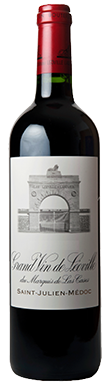
This has such a textured, ripe, plump and poised black fruit character that is clear from the aromatics alone. Mouthfilling with huge texture and density, full of licorice root, black chocolate shavings and cocoa pod with crème de cassis edging. This is delicious and has chewy tannins that you can pick up with a shovel. One of the 'wines of the vintage'. Only 2% of press wine (unusually low, as it can go up to 15% in some years). It grips on tight to the finish - extremely impressive. 90% new oak. 80IPT. 3.65pH. A yield of 35.5hl/ha.
2018
Château Léoville Las CasesSt-Julien
Château Margaux, Margaux, 1er Cru Classé, Bordeaux, France, 2018
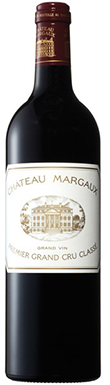
This is extremely powerful, with high tannin levels that are beautifully velvety and a real presence that is going to need a good 15 years before it softens. There are layers and layers of subtlety here, charcoal, earth, fresh acidity - a ton of serious character that needs time to inch towards opening. Grips on like a limpet - this needs a good half an hour in the glass to even begin to open, but as it does so you see clearly the finesse and precision of the fruit construction. Exceptionally good. 3.64pH, 2% Petit Verdot completes the blend, 36% of the harvest in the first wine. Bottled mid-September.
2018
Château MargauxMargaux
Château Haut-Brion, Pessac-Léognan, 1er Cru Classé, Bordeaux, France, 2018
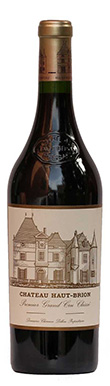
Another stellar vintage for this always elegant first growth. Despite a stormy spring and May hailstorm, September harvest conditions were ideal. What stands out for me is the elegance, intense purity and a juicy, vibrant freshness that seems to be the hallmark of the vintage. It's generous, velvety and wonderfully complex, with aromas of tobacco, black truffle, and rich red and black fruit flavours.
2018
Château Haut-BrionPessac-Léognan
Château Pichon Longueville Comtesse de Lalande, Pauillac, 2ème Cru Classé, Bordeaux, France, 2018
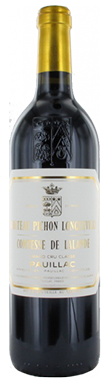
Lovely grilled and graphite notes right off the bat; this is big and muscular, and extremely Pauillac. There is grace here too, with raspberry purée, cassis, fig and blackberry fruits set against charcoal and fine tannins that quickly build up to suggest how well this will age. 1% Petit Verdot completes the blend. 60% new oak used. 13% press wine. 3.75pH, 88IPT – higher even than the 80IPT in 2016.
2018
Château Pichon Longueville Comtesse de LalandePauillac
Château Montrose, St-Estèphe, 2ème Cru Classé, Bordeaux, France, 2018
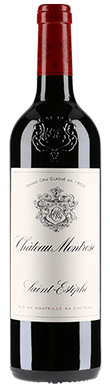
Rich and deep with beautifully nuanced dark chocolate, mocha, cocoa bean and liquorice. Just full of understated power and silky tannins. This is gorgeous and among my top wines of the Left Bank. As it opens in the glass you get sweet black cherry and cassis flesh, and a sense of lilting sappiness. Great stuff from Montrose.
2018
Château MontroseSt-Estèphe
Château Lafite Rothschild, Pauillac, 1er Cru Classé, Bordeaux, France, 2018
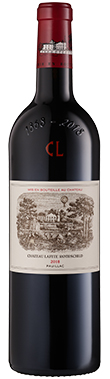
<p>Perfumed on the nose with menthol, blackcurrant, liquorice, and creamy prunes, it is juicy and mellow on the palate, with chocolatey tannins. The relatively high alcohol (13.5%) reflects a hot and dry summer. Gentle yet powerful, the wine showcases an incredible concentration of black fruits, cedarwood, and roasted black coffee, leading into cassis. There is a soft grip towards the finish; it is ripe yet effortlessly elegant, like a fist hidden inside a velvet glove. The pure dark fruits linger endlessly. Tasted from magnum.</p>
2018
Château Lafite RothschildPauillac
Vieux Château Certan, Pomerol, Bordeaux, France, 2018
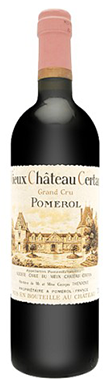
Deep and richly spiced notes of cinnamon and smoked butterscotch along with Cabernet Franc-dominant savoury fruits. Expands in all directions, showing precision and delicately brushed tannins. They carried out extremely careful selection from their 23 plots to ensure nothing at all raisined or over-concentrated made it into the wine, and certainly there is not a trace of the drought in the flavours here, just a seductively rich texture to the body of the wine. A brilliant VCC - one to savour. Harvest from September 19 to October 9, with leisurely picking over three weeks. 3.75pH.
2018
Vieux Château CertanPomerol
Château Canon, St-Émilion, Grand Cru Classé, Bordeaux, France, 2018
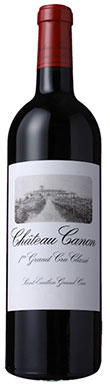
A beautiful Canon that performs the 360-degree trick in your mouth of expanding up, down and out. Of course a little austere right now at this young age, but already walking the tightrope towards richness; the creaminess in the texture becomes clear after 20 minutes in the glass. This has salinity, purity, precision and grip, showing its distinct personality and its ability to draw juice and mouthwatering expression from the fruits.
2018
Château CanonSt-Émilion
Petrus, Pomerol, Bordeaux, France, 2018
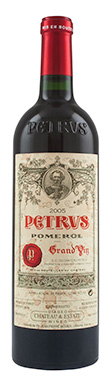
Clear flesh to the plump damson fruits, alongside grilled caramel, graphite, cassis bud and cocoa bean. The tannins are plentiful, but they are plush, ripe and flexible, and as such are full of Pomerol signature. As it opens through the palate, you realise just how much grip and persistency there is, and the more serious side asserts itself, with bitter cocoa shavings and fresh acidities. A more approachable Petrus at this early stage than in many years, but the kick is there and this is getting set for the long term. 50% new oak, 3.6 pH. A yield of 37hl/ha. Bottled in July after two months in vat following end of barrel ageing.
2018
PetrusPomerol
Château La Mission Haut-Brion, Pessac-Léognan, Cru Classé de Graves, Bordeaux, France, 2018
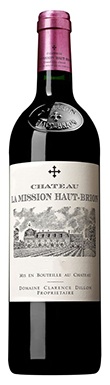
Well-structured and shot through with a savoury black fruit and charcoal character alongside fine tannins that slowly but surely build through the palate. Needs time to settle; no need to approach for another decade as these are big shoulders with liquorice root and olive paste. A yield of 43.5hl/ha, 53.1% grand vin. Harvested 10 September to 2 October. 1% Petit Verdot completes the blend. IPT 75.8. The 3.76pH is the highest since 1989.
2018
Château La Mission Haut-BrionPessac-Léognan
Château Pichon Baron, Pauillac, 2ème Cru Classé, Bordeaux, France, 2018
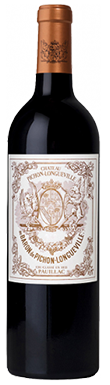
Generous aromatics of dark berry fruit, caramel, and spice are clear indicators of a warm vintage, but there are also floral notes and no heaviness whatsoever. There is juicy, savoury substance on the palate, sustained by gossamer tannins of surprising delicacy, but lurking underneath is the power so characteristic of this vintage. A few years of cellaring will be needed for the terroir expression to hit its stride.
2018
Château Pichon BaronPauillac
Château Cos d'Estournel, St-Estèphe, 2ème Cru Classé, Bordeaux, France, 2018
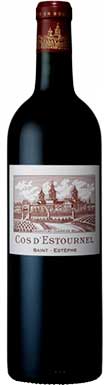
A little closed on the nose, and also on the attack. There is a wall of tannin here but backed up by voluptuously ripe fruits that major on damson and fig, overlaid with cinnamon and saffron spices. Lilting acidity through the finish keeps a sense of momentum. This is powerful with ambition, and it carries it off perfectly. 65% of production went into the grand vin. 1% Petit Verdot makes up the blend, and the wine was aged in 50% new oak (a little lower than the usual 60%).
2018
Château Cos d'EstournelSt-Estèphe
Château Rauzan-Ségla, Margaux, 2ème Cru Classé, Bordeaux, France, 2018
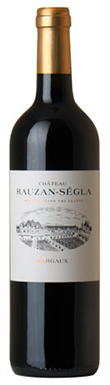
I very much enjoyed this en primeur and I am happy to see it living up to billing. There is real nuance here, with a ton of great fruit - layers of cassis, bilberry, charcoal and saffron spice. This really stands out for me as having balance, complexity and the potential to grow. These were tasted blind and I genuinely have to say congratulations to Nicolas Audebert and his team for calling it right in a year in which handling oak over ageing has proved difficult in many cases. 3.8pH. 2% Cabernet Franc completes the blend.
2018
Château Rauzan-SéglaMargaux
Château Bélair-Monange, St-Émilion, 1er Grand Cru Classé B, Bordeaux, France, 2018
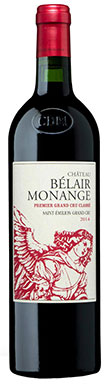
Hugely serious; still clearly extremely young. With a gorgeously ripped muscular frame, the fruit is multi-layered and multi-faceted. So much power, with autumnal blackberry and blueberry, soft mocha and coffee, and a clear limestone edge. Great stuff.
2018
Château Bélair-MonangeSt-Émilion
Château Trotanoy, Pomerol, Bordeaux, France, 2018
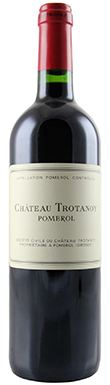
This stood out en primeur and it does again in bottle (I also tasted it in between at a Decanter Fine Wine Encounter), more than holding its own over ageing. There is just so much to sink your teeth into: a ton of textured blackberry and bilberry fruits, with cocoa pods and saffron spice, giving a clue as to the warmth of the vintage, but still shot through with fresh acidity. Young and curled, this needs time.
2018
Château TrotanoyPomerol
Château d'Yquem, Sauternes, 1er Cru Classé Superieur, Bordeaux, France, 2018
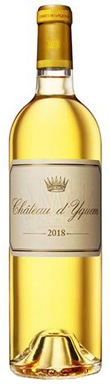
An extremely impressive Yquem here. Deeply concentrated and silky in texture, with crème caramel and saffron, followed by bitter orange on the finish. Gourmet, powerful and concentrated, revealing as it opens in the glass the lime blossom and zest that pick things up, keeping things light and sculpted through the finish. There were five weeks without rain between the picking of the dry white Y and the main estate wine Yquem - so a full two months of harvest time. It meant a lot of patience and a small final yield, but one that was high in quality. Around 50% of the production goes into Yquem. 145g/l residual sugar and a pH of 3.95. Also tasted August 2020; same score.
2018
Château d'YquemSauternes
Château Clinet, Pomerol, Bordeaux, France, 2018
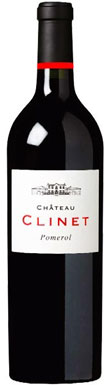
Closed and coiled right now, with ripped layers of fruit. A ton of graphite, bitter dark chocolate and finessed berry fruits. Definitely need to give this time and respect its muscular from. A seriously impressive Clinet that has held its form over ageing.
2018
Château ClinetPomerol
Château Angélus, St-Émilion, 1er Grand Cru Classé A, Bordeaux, France, 2018
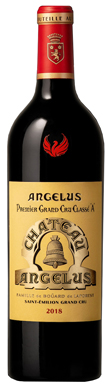
In bottle since September, still on the edge of reduction (low sulphur additions at Angélus, particularly as this is the first year of organic conversion). Powerful and architectural, with rich black cherry and raspberry flavours, along with the seductive silkiness of Merlot tannins. Clear pepper, rosemary, and sage spices. Needs a decade of softening at least. A low yield of 32hl/ha, with only the estate's oldest Cabernet Franc used. Partly aged in 30hl oak casks alongside the 225-litre barrels. Harvest from September 24 to October 11.
2018
Château AngélusSt-Émilion
Château Smith Haut Lafitte, Pessac-Léognan, Cru Classé de Graves, Bordeaux, France, 2018
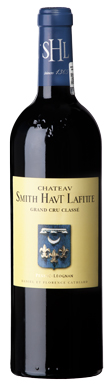
The masterclass crowd were expecting a Petit Smith Haut Lafitte rouge 2018 to showcase the brilliance of the estate's second wine but instead got the grand vin. A masterpiece in both concentration and elegance - this combines warming dark fruit, liquorice, toast and saltiness with sleek tannins - almost a tight frame - as well as crisp edges. It carries power and poise. This still needs a good airing if drinking soon or it'll continue to age well. Great personality and character showcasing the winemaking skill of the team.
2018
Château Smith Haut LafittePessac-Léognan
Château Ducru-Beaucaillou, St-Julien, 2ème Cru Classé, Bordeaux, France, 2018
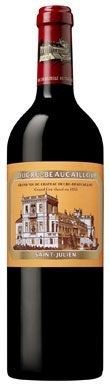
Closed on the nose with a deep, inky core, this 2018 remains very primary and youthful. Quite shy and needing coaxing in the glass, the nose and palate gradually unfurl although a leafy edge remains. Plump and plush on the palate, there is plenty of density and purity of fruit on show, balanced with brisk acidity and plenty of ripe tannins. Aged 100% in new French barriques for 18 months. Perhaps just finishing a little hot, this is an impressive 2018 cru classé with a lot more to come.
2018
Château Ducru-BeaucaillouSt-Julien
Clos Fourtet, St-Émilion, 1er Grand Cru Classé B, Bordeaux, France, 2018
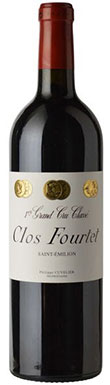
While the 2018 vintage got plenty of buzz, following the less heralded 2017, I remain less enthusiastic when compared to the stellar 2016. The 2018 has a more roasted fruit profile, albeit with impressive (and seductive) mid-palate concentration and a long finish. There is no denying the layers of ripe fruit, although the alcohol is felt more (same level as the 2016 vintage). 3.6pH.
2018
Clos FourtetSt-Émilion
