
Côte des Bar: A pocket of Champagne brimming with character
The Côte des Bar in Champagne stands apart from the rest of the region in many ways, but its wines are eminently worthy of exploration, as shown by our expert’s 25 recommendations.


Glancing down at my feet as dinner arrived, I felt a little self-conscious. Any trip to the smart Champagne houses of Reims and Epernay normally requires a clean pair of shoes to be stowed in the car boot.
But the tone is a little more agricultural here, 90 minutes’ drive south in Champagne’s Côte des Bar region, and my sole set of footwear – a pair of hiking boots – was covered in a crust of mud that was slowly detaching itself onto hallways and winery floors across the Côte des Bar.
Everything feels different here. Even the landscape has little to do with the muted, chalky expanses of the Montagne de Reims and Côte des Blancs, where vineyards are stitched together in endless tapestries and free-draining soils whisk away mud-inducing rainfall.
Scroll down to see Tom Hewson’s 25 recommendations from the Côte des Bar
Lay of the land
Here, the cascading valleys make you feel like you’re always turning a corner, the vineyards tumbling down surprisingly steep hillsides, nestled between forests and rivers.
‘We are lucky to have some balance with nature here,’ says vigneron and independent winemaker Etienne Sandrin, who farms 10ha around the village of Celles-sur-Ource. ‘If you only see a sea of vineyards, there’s a problem.’
This is no hidden enclave, however; the 8,000ha of the Côte des Bar constitutes almost a quarter of today’s Champagne Viticole.
The distance from the northern vineyard area is felt culturally, too: ‘We are children of Burgundy, and siblings of Champagne,’ says Jacques de Taisne of Taisne Riocour in Les Riceys.
Champagne’s first attempts to demarcate its vineyard area in 1908 excluded the Côte des Bar entirely. At the time it was three-quarters planted with Gamay and, according to Georges Couanon, the French Inspecteur Général de la Viticulture at the time, was ‘entirely in Burgundy’.
The vignerons of the Côte des Bar fought hard for a revision until its eventual inclusion in the Champagne appellation in 1927.

Surge of interest

Despite the economic dominance of Champagne’s large houses, the Côte des Bar today is exploding with récoltant-manipulant domaines – those that both grow and vinify their own Champagnes.
‘It’s a relief, at last,’ says Elise Dechannes (pictured, above), a long-term resident of the region whose naturally minded Champagnes from Les Riceys are among those that have attracted a recent surge of interest. ‘It’s quite an old-fashioned area, really,’ she says with a raised eyebrow.
Much of this increased interest is seen in the villages of the Barséquanais to the south and southeast of Bar-sur-Seine (see map), where the great river’s tributaries the Sarce, the Laignes, the Ource and the Arce have carved tightly nestled valleys through the Jurassic bedrocks of the Kimmeridgian and Portlandian stages that share their origins in time with those of nearby Chablis and Sancerre, roughly 70 million years before the Cretaceous chalks of the Marne were laid down.

These often richer, heavier soils than those of the Marne were looked down upon from the chalky slopes of the north, despite their repute across the administrative border in Chablis.
There is a crucial difference, though: while Chablis and the rest of northern Burgundy are replete with Chardonnay, here Pinot Noir represents about 85% of plantings.
‘When I came to Champagne after studying in Beaune, I loved Chardonnay,’ says Michel Drappier (pictured, above) of Champagne Drappier in Urville, in the Bar-sur-Aubois area. ‘Slowly, though, I had to admit it; Chardonnay is easier to grow, but it doesn’t give us so much feeling here.’
‘Some people say, “You have white soils, you should have white wines”,’ says Vincent Couche in Buxeuil. ‘But they forget, we do have white wines – it’s just that they’re made from Pinot Noir!’ he says, referencing Champagne’s hallmark process of extracting white juice from red-skinned grapes.
Pinot Blanc presence

The Côte des Bar also has a surprisingly high quota of Pinot Blanc, centred on frost-prone villages in and around Celles-sur-Ource.
‘One hundred years ago, nine out of 10 harvests here failed,’ says Aurélien Gerbais (pictured, above) of Champagne Pierre Gerbais, one of the region’s true specialists in the grape. ‘Pinot Blanc was the village’s solution to the frost – it’s a week or two later to bud than Chardonnay.’
No adaptations are perfect, however, and behind the energy and joviality of the vignerons here is a constant nervousness over vintage variation; 2024 was a catastrophe, with frost and mildew widely decimating the vineyards.
‘We only harvested 8ha out of 47ha,’ says Arnaud Fabre of Domaine Alexandre Bonnet in Les Riceys.
It wasn’t the first difficult year of recent times, either; 2021 was as tricky here as it was in the Marne, with late ripening and occasionally sharp, austere wines that, at best, are focused and bright, but sometimes a little hard going.
Fortunately, although the heatwaves and droughts of 2020 and 2022 tested the resourcefulness of growers, both can be excellent – 2020 ripe and crunchy, if occasionally affected by vegetal aromas found throughout Champagne in this year, and 2022 starting to show as immensely juicy and approachable.
2017 was a much healthier harvest than in the Marne, 2018 a little more complex but widely sunny and approachable, while 2019 mirrored the north in universal, exceptional quality.
Rounder, fruitier, surprisingly delicate

Independent and grower domaines dominate in this region, and the sort of lengthily lees-aged wines and complex blends made by Champagne’s well-known grande marque houses are rare compared to more youthful styles often focused on one or two source villages.
Many current releases of non-vintage wines are based on 2021 or 2022, with 2020 and the superb 2019 now more commonly found as single-vintage releases.
In general, the wines from this area, with their open and expressive fruit character, are released ready to drink, although producers working with restrained, tense styles are producing single-vintage wines that will benefit from three to five years of further ageing.
Although the rise of new talent is bringing some life and energy to the area, not all the newcomers are yet making wines with unswerving reliability.
Many are highly promising, yet among the increasing band of Champagnes made with ultra-low (or zero) sulphite additions were encounters with rapid post-bottling oxidation and mouse taint (goût de souris), which makes recommendations of a producer’s wines difficult until they’ve had a period of consistency.

While the wines of the Côte des Bar are often rounder and fruitier than those of the north, they can be surprisingly delicate – ‘fragile’, as Thibaud Brocard of Champagne Pierre Brocard in Celles-sur-Ource puts it – and the revelations emerge when winemakers retain the subtlety and detail present in the vineyards.
It remains the skies, though, rather than the soils or the cellars, that draw the lines between success and failure.
After driving through the vineyards of Buxeuil with biodynamic pioneer Vincent Couche (pictured, above), we reached the imposing statue of Notre Dame des Vignes, casting her gaze over the valleys below.
‘Her job is to protect the vineyards,’ said Couche. ‘She didn’t do so well last year…’
Returning to Alexandre Bonnet in Les Riceys, I removed my boots at the door and tasted through the range in socks alone. Barely an eyebrow was raised.
The Côte des Bar, after all, is made of different stuff – not only below ground, but above, too.
Côte des Bar: five key producers
• Alexandre Bonnet: The leading voice in Les Riceys and the most important producer of quality still Rosé des Riceys
• Clandestin: Substantial, serious and strict wines from this ambitious organic négociant
• Drappier: An ambassador for the region, this fine house creates original, inventive organic Champagnes full of local character
• Jean Josselin: An impressive up-and-coming estate making beautifully vibrant, juicy Champagnes in Gyé-sur-Seine
• Pierre Gerbais: A prominent voice in the key village of Celles-sur-Ource, notable for Aurélien’s expertise with Pinot Blanc
Go south: Hewson’s pick of 25 Côte des Bar Champagnes
Related articles
- Wine investment: Top Champagnes to regain their fizz
- Coteaux Champenois: Champagne’s next big thing or still a work in progress?
- Non-vintage rosé Champagne: Panel tasting results
Etienne Sandrin, Beauregard Brut Nature, Champagne, France, 2020
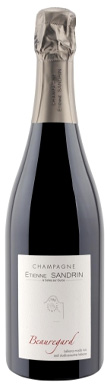

Etienne Sandrin only vinifies 2ha of his 10ha organic estate in Celles-sur-Ource, but he does so with a beautiful combination of vibrancy and transparency, making...
2020
Etienne Sandrin

Robert Barbichon, Blanc de Noirs Brut, Champagne, France
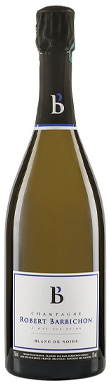
Thomas Barbichon's wines are some of the most vivid, dynamic and accomplished in the region, showcasing terrific biodynamic fruit with unusual precision and care. Based...
Robert Barbichon
Alexandre Bonnet, Les Contrées 7 Cépages Brut Nature, Champagne, France, 2020
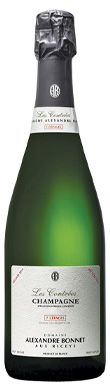
This cuvée now counts among the Champagne region's best in the small field of rare heritage grape varieties. It's engaging, complex and energetic with very...
2020
Alexandre Bonnet
Amaury Beaufort, Le Jardinot Brut Nature, Champagne, France, 2020
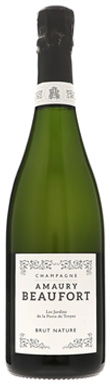
A true garagiste of the Côte des Bar, Amaury Beaufort works with his own plots and with local growers. From his own plot of Pinot...
2020
Amaury Beaufort
Jean Josselin, Aux Origines M19 Extra Brut, Champagne, France
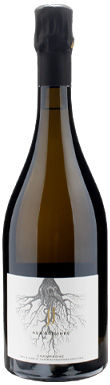
A rising star in Gyé-sur-Seine, Josselin's style is hugely expressive yet pristine and pure, too. With white peach, pear, blossom and even some bitter orange...
Jean Josselin
Rémi Leroy, Blanc de Noirs Extra Brut, Champagne, France, 2019
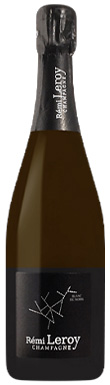
Leroy’s signature Pinot Noir of the eastern Bar-sur-Aubois region shines in the intense, energetic 2019 vintage, bursting as it is with raspberry, baked apricot and...
2019
Rémi Leroy
Pierre Brocard, L'Égarée Zéro Dosage, Champagne, France, 2020
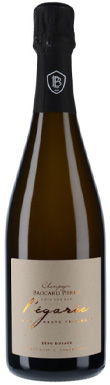
From the lesser-seen Portlandian soils, facing south at the top of the slopes in Celles-sur-Ource – Thibaud Brocard believes it brings more intensity and salinity...
2020
Pierre Brocard
Pierre Gerbais, La Loge Extra Brut, Champagne, France
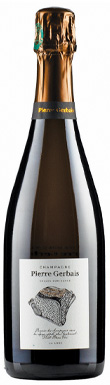
Champagne only boasts a handful of 100% Pinot Blanc cuvées, but this is surely one of the most balanced and refreshing. From a parcel of...
Pierre Gerbais
Robert Barbichon, Brut Nature, Champagne, France
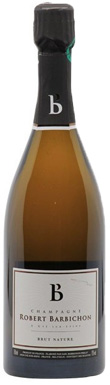
Chardonnay may not always be at home in the Côte des Bar, but Thomas Barbichon has made one of the region's top expressions, all on...
Robert Barbichon
Gallimard, Les Meurgers Blanc de Noirs Extra Brut, Champagne, France
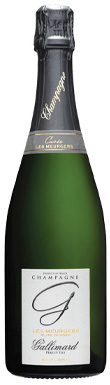
Some of this traditional Les Riceys producer's fine vineyards are on show here in this parcel of Pinot Noir backed up with 30% reserve wine...
Gallimard
Domaine La Borderie, De Quoi te Mêles-tu? Extra Brut, Champagne, France
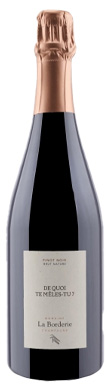
From a single plot of north-facing Pinot Noir in Neuville-sur-Seine on deep clay soils (the name of which translates as 'mind your own business'!). Some...
Domaine La Borderie
Piollot Père & Fils, Mepetit Brut Nature, Champagne, France, 2019
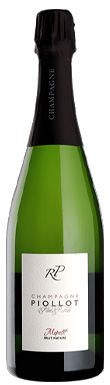
Meunier is a rarity in the Côte des Bar, although it can be found in more frost-prone sites. Roland Piollot has a soft spot for...
2019
Piollot Père & Fils
Clandestin, Boréal Brut Nature, Champagne, France
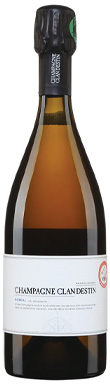
Clandestin is growing into an ambitious negociant project in Landreville, working with 11 organic growers in the Côte des Bar to put together Champagnes that...
Clandestin
Devaux, Coeur de Nature Brut, Champagne, France
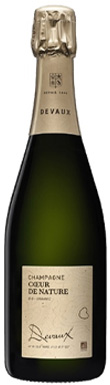
This organic cuvée from Devaux, the label of the Union Auboise cooperative, is on ripe, juicy and immediately enjoyable form, bursting with sweet red apple,...
Devaux
Drappier, Clarevallis Extra Brut, Champagne, France
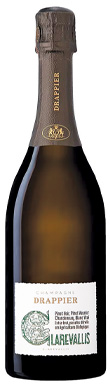
This cuvée from organic plots around Drappier's home in Urville is arguably the most vivid and precise in Drappier's entry range, a truly charming and...
Drappier
Julien Prélat, Chantemerle Extra Brut, Champagne, France
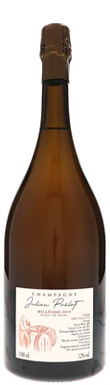
Julien Prélat's Champagnes capture the Barséquanais, with plenty of sunny charm and juicy pleasure. All from 2022, from a parcel on pure Kimmeridgian soils at...
Julien Prélat
Julien Prélat, Les Côtes Blanc de Gris Extra Brut, Champagne, France
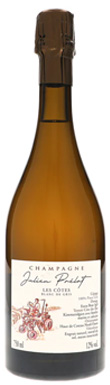
Pinot Gris, known as Fromenteau in Champagne, is rarely used by itself, but the ebullient Julien Prélat has turned out a rare success. Fermented all...
Julien Prélat
Coessens, Largillier Millesime Brut Nature, Champagne, France, 2019
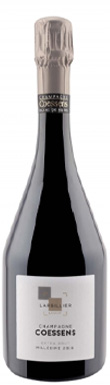
Jérôme Coessens' single-vineyard Largillier was made famous by Guillaume Sélosse, although today it is only Jérôme that makes wine here. Although the 2020s are now...
2019
Coessens
Pierre Brocard, Tradition Brut d’Assemblage, Champagne, France
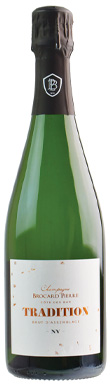
Brocard’s Tradition is a perfect low-dosage introduction to the Pinot Noir of Celles-sur-Ource (blended here with 20% Pinot Blanc and 10% Chardonnay), finding an attractive...
Pierre Brocard
Rémi Leroy, Extra Brut, Champagne, France
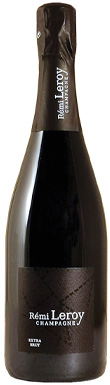
Based on the powerful, sunny 2022 vintage, this entry-level cuvée (65% Pinot Noir, 30% Chardonnay, 5% Meunier) from the star grower of the eastern part...
Rémi Leroy
Taisne Riocour, Grande Réserve Extra Brut, Champagne, France
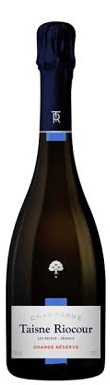
This young producer in Les Riceys is slowly revealing its impressive vineyard holding with a series of pristine, juicy and approachable wines. While its impressive...
Taisne Riocour
Vincent Couche, Elégance Brut Nature, Champagne, France
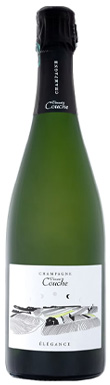
Vincent Couche is one of Champagne's original natural and biodynamic pioneers, still making characterful and sometimes leftfield cuvées not only from the Barséquanais but now...
Vincent Couche
Drappier, Les Riceys Rosé Brut Nature, Champagne, France
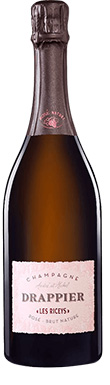
Due to the name, this delightful Champagne didn't win Drappier any friends from Les Riceys, yet it is 100% Pinot Noir from that village. The...
Drappier
Pierre Gerbais, Coteaux Champenois, Champagne, France, 2022
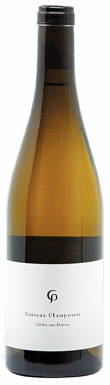
Still, white Coteaux Champenois made from Chardonnay can sometimes be rather austere and oak-defined, but this Pinot Blanc sourced from 80-year-old vines in the grape's...
2022
Pierre GerbaisCoteaux Champenois
Alexandre Bonnet, La Fôret Rosé des Riceys, Champagne, France, 2020
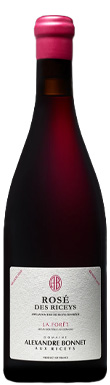
Rosé des Riceys is the deep, still, dry Pinot Noir rosé from the unique group of three villages south of Bar-sur-Seine. Domaine Alexandre Bonnet takes...
2020
Alexandre Bonnet
