
Finding value in the Côte de Nuits: 21 wines to seek out
We have to face it, good Burgundy isn’t getting any cheaper – knowing where to look to find real value is becoming more difficult. Expert insight is surely the best way forward.

Sceptical wine lovers may suspect that our title is an oxymoron. Fortunately, this is not at all the case, as we demonstrate with a selection of quality Burgundy that won’t break the bank. The key to finding bargain Burgundy is to look where the crowds are not. To find a deal, you may need to deviate from the Route des Grands Crus between Gevrey and Nuits-St-Georges – but it may surprise you how short a distance you have to travel.
Scroll down f0r tasting notes and scores of 21 excellent value Côte de Nuits wines
The Hautes Côtes
Begin by climbing the hill to the region known as the Hautes Côtes. This part of Burgundy is often overlooked today, yet at one time it was the control centre for the region’s most prestigious vineyards. The Abbaye de St-Vivant de Vergy is a monastery founded in the ninth century at the foot of the Butte de Vergy on the vestiges of fortifications that date to Roman times. From this strategic lookout, the Dukes of Burgundy controlled the surrounding area.
The Benedictine monks who inhabited the abbey had ties to Cluny, and gradually they controlled most of the vines in Vosne-Romanée, including Romanée-Conti, Romanée-St-Vivant and other famous plots. Today, the stewardship of the vines has come full circle. Aubert de Villaine of the Domaine de la Romanée-Conti is now helping to restore the Abbaye de St-Vivant, and is producing wines (of the appellation Bourgogne Hautes Côtes de Nuits) from the enclosure of the abbey.

Despite centuries of history, the Hautes Côtes have been known since phylloxera [in the latter part of the 19th century] more for fruit trees than grapes. The region was an essential source for the blackcurrant that produces the crème de cassis in Dijon’s favourite drink, the kir. Locals originally mixed Aligoté with sweet cassis, because the tart local white wines set teeth on edge.
The high-elevation vineyards gave wine of high acidity, low alcohol and light body. However, recent years have brought about a revolution of style. The wines have improved dramatically because of the increased ripeness brought on by global warming, and improvements in technology and know-how have also brought changes to the winery. The days when the wines of the Hautes Côtes were predominantly thin, sharp and rustic are over.
Lay of the land
The appellation spreads over all or part of 19 villages. Most of these lie among the hills at the top of the limestone ridge that forms the backbone of the Côte d’Or. There are also a few vineyards classed within the Hautes Côtes that lie at the top of the more famous villages of Chambolle-Musigny, Flagey-Echézeaux, and Nuits-St-Georges and its neighbour Premeaux-Prissey.
These are on the east-facing slopes above the Côte d’Or at the base of the forest of Mantuan, which rises to well above 500m to shelter the villages of Concoeur and Corboin, where illustrious Vosne vigneronne Anne Gros has recently planted vines. She farms 0.73ha of Pinot Noir at the base of the slope and another hectare higher up the slope planted to Chardonnay; both are crisp, lively and refreshing.

At the southern extremity of this hill is Montagne de Villars and the vineyards of Villars-Fontaine and Segrois. On the other side of the valley of the river Meuzin lies the Butte de Vergy hill, which harbours several associated hamlets along with the ruins of the Abbaye de St-Vivant. In the rolling hills to the west of Curtil-Vergy lie six other villages of the Hautes Côtes, including Chevannes, where David Duband is based.
Just to the south of this group of villages, the D25 road leads east-west from Nuits-St-Georges into the Hautes Côtes following the line of the stream called the Raccordon from Meuilley, where rising star winemaker Nicolas Faure is based, to Arcenant, home to vines owned by Thibault Liger-Belair and Domaine AF Gros.
South of this valley area lies the Forêt de Chaux with vines covering its lower slopes, and further on the villages of Villers-la-Faye and Magny-lès-Villers – this marks the dividing line between the Hautes Côtes de Nuits and the Hautes Côtes de Beaune. Magny-lès-Villers is home to producers as varied as Domaine Cornu, well known for its traditional style, and Hoffmann-Jayer, where youthful Alexandre Vernet is making a modern, concentrated style of wine.

Dijon Discoveries
The Hautes Côtes is not the only place to find exciting value-priced wines in the Côte de Nuits; there are compelling examples from the less-travelled segments of the central part of the Côte as well. One would do well to begin in the north.
There are vineyards – very good ones – in the town of Dijon itself. Perhaps the best known among these is Montrecul. It is only entitled to a regional appellation, but the vineyard’s name may also be added (as in Bourgogne Montrecul). Domaine de la Cras makes a delicious Montrecul. The city of Dijon owns the domaine, and the lease has been entrusted to the young experimental winemaker Marc Soyard, who began his career working with Jean-Yves Bizot.
Like Bizot, Soyard favours an approach using native yeasts, very little sulphur, and primarily whole-cluster fermentation for the red wines. Despite the fact that nearly all of the wines are Bourgogne appellation, Domaine de la Cras has the right to market them as Coteaux de Dijon. Although they are challenging to track down, they are eminently worth seeking out.
To the south of the city of Dijon lies the village of Chenôve, all but swallowed up by suburban sprawl. These outskirts of Dijon harbour a 5ha vineyard in Chenôve called Le Chapitre, because it once belonged to the monks of the cathedral in Autun, who planted it in the 13th century. This vineyard was overlooked when the appellation regulations were put in place due to its northern location. Like Montrecul, it was given a regional classification (Bourgogne Le Chapitre). However, in 2019 the INAO (France’s appellation regulation body) elevated the vineyard to village level, and the wines are now Marsannay Le Chapitre.

Renowned winemaker and consultant Sylvain Pataille makes a profound version of this wine at his winery in Marsannay. It stands beside another misunderstood vineyard of Chenôve that belonged to the Dukes of Burgundy before the Revolution. The ducal estate included a 24ha vineyard in Chenôve, a large winery and a wine press dating to the 13th century. Known as the Clos du Roy, the vineyard lies on the border with Marsannay and was given village status when the appellation was created. The version from Sylvain Pataille stands alongside that of Jean-Yves Bizot at a more affordable price to demonstrate what can be done with sites in Chenôve.
More in Marsannay
The rest of the Marsannay appellation also provides attractive hunting grounds for well-priced Burgundy. AP Marsannay vineyards spread from Chenôve in the north to Couchey in the south. It is the only appellation that can produce village-level wine in red, white and rosé versions. The supply of Marsannay rosé is dwindling as producers focus on what they see as more ‘serious’ wine, though the rosé can be serious fun. In early summer for many years I would stock up on a case to be enjoyed on hot afternoons. Few rosés can pretend to have this much elegance and depth (one fine example is from Domaine du Vieux Collège).
In a certain sense, however, Marsannay was the victim of its own success since it prospered by making inexpensive wines. Before the popular rosé, Dr Lavalle – whose definitive work The History and Statistics of the Great Wines of the Côte d’Or, published in 1855, is a celebrated reference among experts – tells us that growers had planted much of the vineyard to high-yielding grapes such as Gamay and Aligoté.
The prevalence of these wines is why Marsannay was a latecomer to the appellation d’origine system. The wine produced in the village was entitled only to regional (Bourgogne) status without distinction until 1965; from then until 1987, growers had the right to add the name of the village (Bourgogne Marsannay). However, it was only in 1987 that the wines were granted village status.

Legendary vintner Joseph Clair (grandfather of Bruno), who with his wife founded the iconic domaine Clair-Daü in Marsannay, was one of the prime drivers of the renewed quest for quality in Marsannay. There is now a push among growers in the village to have some of the vineyards recognised as premier cru. Although the INAO moves at a glacial pace, the idea is gaining currency. The Côte here is divided by valleys or combes; the Clos du Roy and Le Chapitre lie north of the Combe du Pré. Nearby are Les Longeroies, Les Echezots and En la Montagne, all of which have been proposed as premier cru vineyard sites.
On the other side of the combe there are other promising sites, including La Charme aux Prêtres, Les Boivins, Les Grasses Têtes, St-Jacques, Clos de Jeu, Les Favières, Au Champ Salomon and Aux Genelières. The village of Couchey is nestled into the Combe de Vaulon, and to the south lie the last two proposed premiers crus, Champs Perdrix and Le Clos. Bruno Clair continues his grandfather’s work to showcase the terroirs of Marsannay alongside his better-known holdings such as Chambertin-Clos de Bèze and Bonnes-Mares.
Around Fixin
The appellation of Fixin is sandwiched between those of Marsannay to the north and Gevrey-Chambertin. As with the former, Fixin does sometimes suffer an identity crisis in viticultural terms. The village itself is beautiful, with lovely Romanesque churches and the majestic peak of the Clos de la Perrière towering over the valley below.
The monks of the Cîteaux abbey developed this site prior to the 12th century, and the walls of the 5ha clos are still standing. Dr Lavalle, writing in 1855, notes: ‘The wines have been classed for many years among the finest in Burgundy.’ This is classified as premier cru along with the nearby Clos du Chapitre and Clos Napoléon, and with Les Arvelets, Les Hervelets and Le Meix Bas on the opposite side of the Combe de Fixin.

Despite its somewhat low profile, the village of Fixin is full of interesting vignerons, from Amélie Berthaut at Domaine Berthaut-Gerbet to Bénigne Joliet at Domaine Joliet (owners of the monopole Clos de la Perrière), and to Pierre-Emmanuel Gelin at Domaine Pierre Gelin (monopole Clos Napoléon) and others.
For readers in the UK, the idea of heading over and driving down to Burgundy, filling up the boot of the car and driving back is something that is eminently possible and hugely enjoyable – regrettably, rather trickier for us Americans. But exploring these northern and western stretches of the Côte de Nuits can deliver delicious vinous dividends to the curious wine lover, in addition to providing a charming promenade off Burgundy’s well-beaten track.
See tasting notes and scores of 21 excellent value Côte de Nuits wines
Related content
Record sales for Burgundy’s Hospices de Nuits 2022 auction
Domaine Coche-Dury: producer profile
Burgundy 2020 en primeur: Full report plus top-scoring wines
Domaine Sylvain Pataille, Le Chapitre, Bourgogne, Burgundy, France, 2012
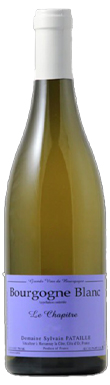

<p>Tasted nearly 10 years after the vintage at the late Becky Wasserman’s house, this was the wine of the tasting. Showing great complexity and an...
2012
Domaine Sylvain PatailleBourgogne

Domaine Alain Jeanniard, Chardonnay, Bourgogne, Hautes Côtes de Nuits, Burgundy, France, 2019
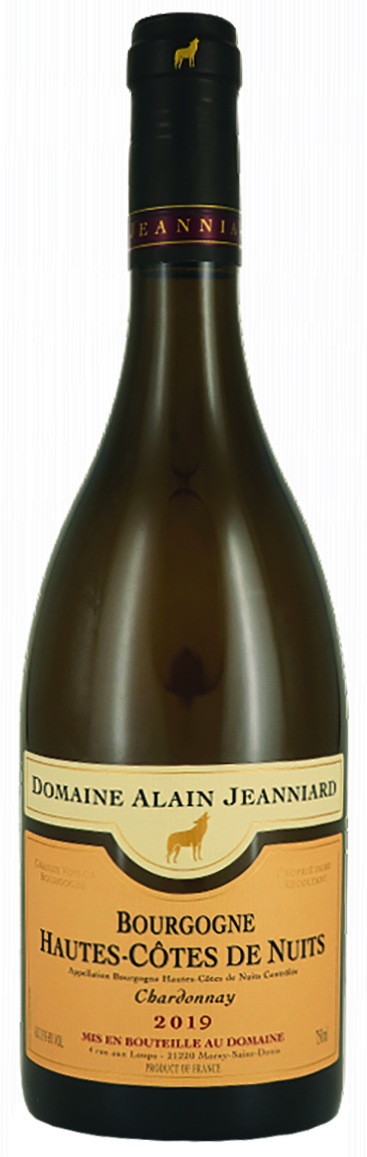
From vines at 500m high above Chambolle (at Vougeot) on the way to Butte de Vergy. The structure is notably vibrant and fresh, yet not...
2019
Domaine Alain JeanniardBourgogne
Domaine Arlaud, Chardonnay, Bourgogne, Hautes Côtes de Nuits, Burgundy, France, 2019
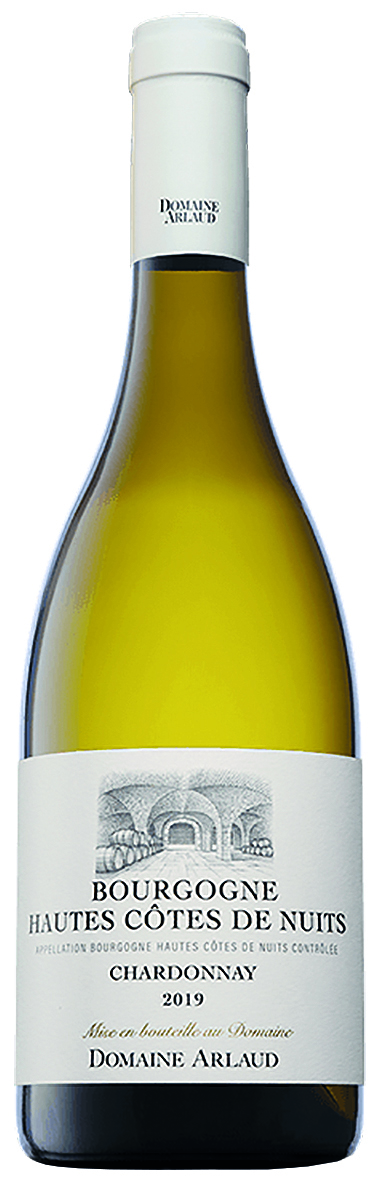
Organic- and biodynamic-certified Domaine Arlaud farms 0.2ha of south-facing vines near Chavannes to produce this lovely white. Bright lemon peel aroma with a firm saline...
2019
Domaine ArlaudBourgogne
Louis Jadot, Clos Moreau, Fixin, Burgundy, France, 2019
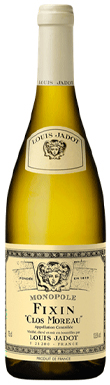
This quirky wine is a relative outlier in the Côte de Nuits. Not only are village-level whites fairly rare, but this one is made from...
2019
Louis JadotFixin
Maison Ambroise, Blanc, Bourgogne, Hautes Côtes de Nuits, Burgundy, France, 2019
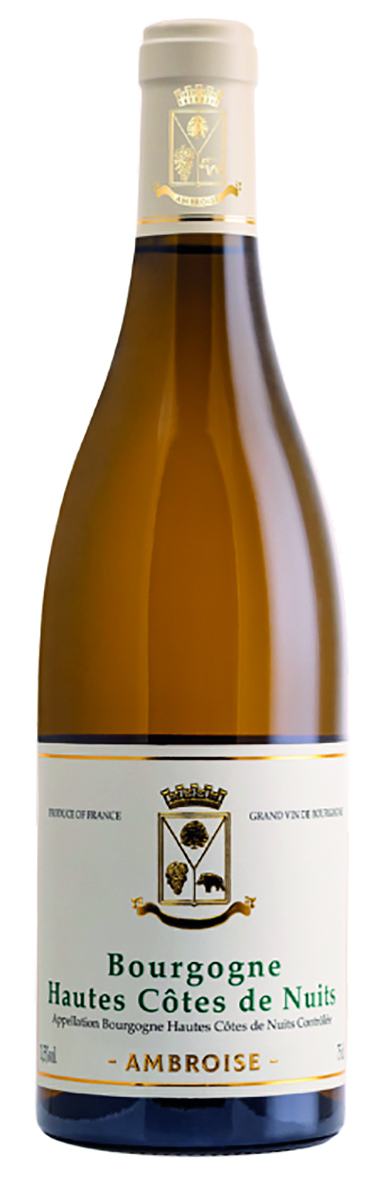
From vines not far from Clos de la Maréchale in Premeaux-Prissey, this is made with a blend of Chardonnay and Pinot Gris. After pressing, the...
2019
Maison AmbroiseBourgogne
Domaine Bruno Clair, Les Grasses Têtes, Marsannay, Burgundy, France, 2020
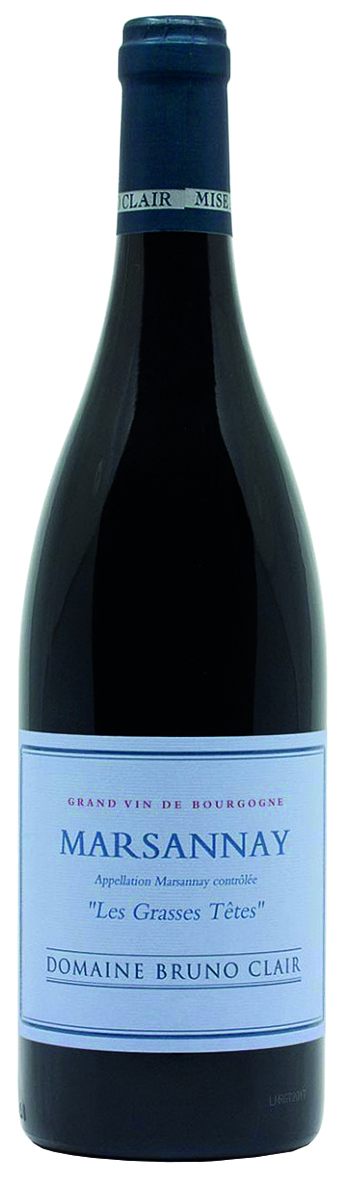
Clair feels Grasses Têtes gives Marsannay’s ‘vin de garde’. From several parcels of old vines that total just over 2ha, fermentation was conducted using 50%...
2020
Domaine Bruno ClairMarsannay
Anne Gros, Rouge, Bourgogne, Hautes Côtes de Nuits, Burgundy, France, 2020
This 1.73ha parcel, planted in the 1990s, is the most recent addition to the Anne Gros portfolio. Water stress made 2020 complicated, with a yield...
2020
Anne GrosBourgogne
David Duband, Louis Auguste, Bourgogne, Hautes Côtes de Nuits, Burgundy, France, 2019
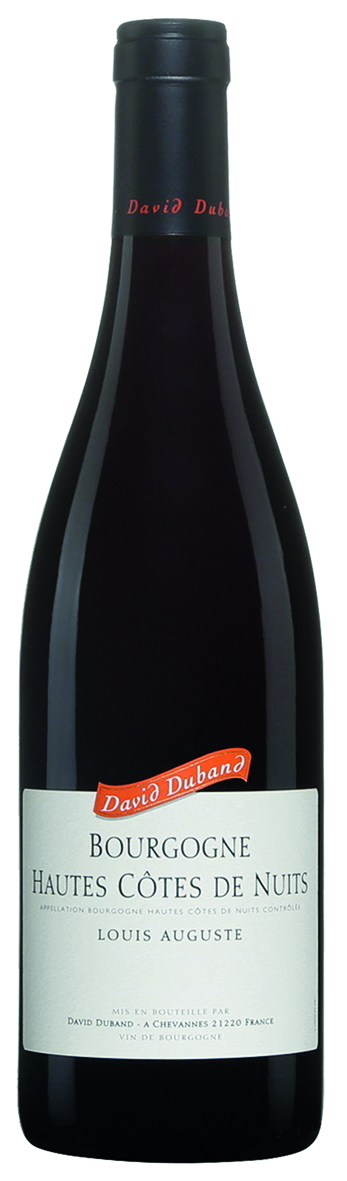
Produced from 7ha of vines in Chavannes, which are exposed to the south on limestone soils at 480m elevation. The grapes were fermented in 2019...
2019
David DubandBourgogne
Domaine de la Cras, Coteaux de Dijon Cuvée Cras, Bourgogne, Burgundy, France, 2020
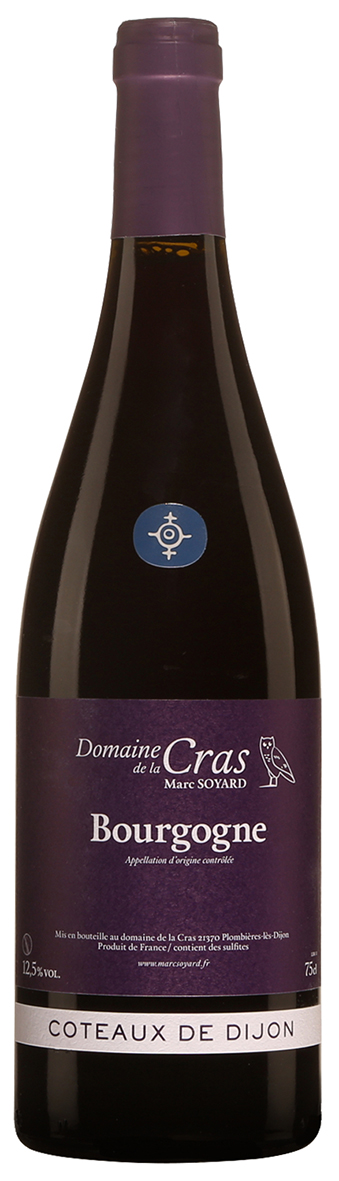
Massal selection was used for the 5ha of vines on the slope of Plombières-lès-Dijon just outside the city. Cuvée Cras is selected from the best...
2020
Domaine de la CrasBourgogne
Domaine Denis Bachelet, Côte de Nuits-Villages, Burgundy, France, 2020
This seductive wine is produced from 70-year-old vines planted in six parcels on the Fixin side of Brochon in the lieux-dits of Queue de Hareng,...
2020
Domaine Denis BacheletCôte de Nuits-Villages
Domaine Hoffmann-Jayer, Rouge, Bourgogne, Hautes Côtes de Nuits, Burgundy, France, 2020
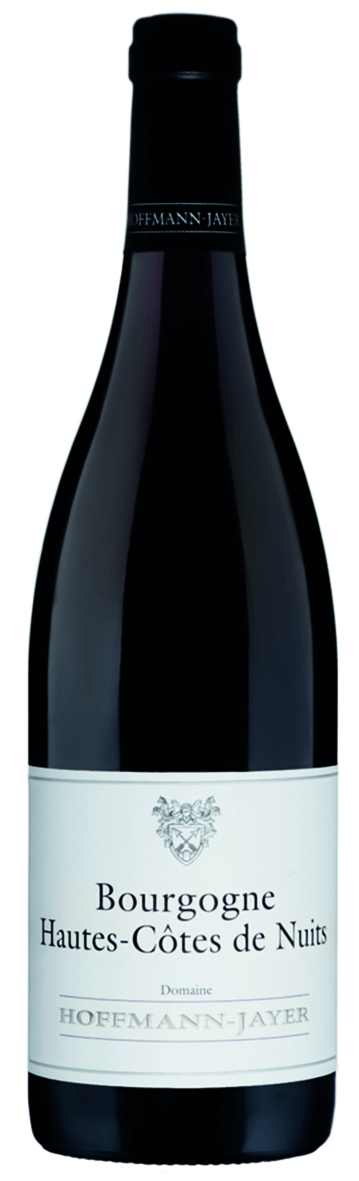
Several parcels in Magny-lès-Villers are blended with grapes from the lieu-dit Les Chasserots in Villers-la-Faye for this cuvée. The grapes are destemmed and gently ...
2020
Domaine Hoffmann-JayerBourgogne
Domaine Thibault Liger-Belair, Le Clos du Prieuré, Bourgogne, Hautes Côtes de Nuits, Burgundy, France, 2020
Liger-Belair bought a little more than a hectare of vines in Arcenant in 2004, at 450m on south-facing slopes in white marls. The grapes are...
2020
Domaine Thibault Liger-BelairBourgogne
Domaine Truchetet, Côte de Nuits-Villages, Burgundy, France, 2019
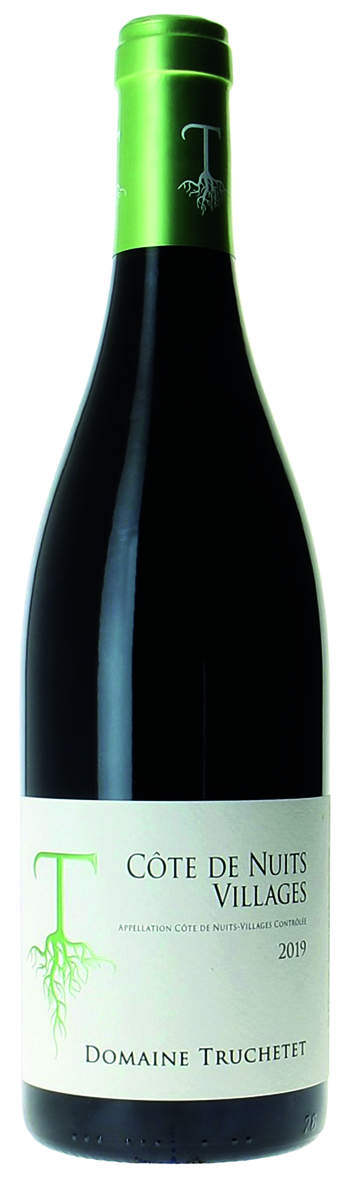
An impressive discovery. The winery is based in Prémeaux-Prissey and has been in organic conversion since 2019. This bottling is produced from three parcels in...
2019
Domaine TruchetetCôte de Nuits-Villages
Edouard Delaunay, Les Rouards, Bourgogne, Hautes Côtes de Nuits, Burgundy, France, 2020
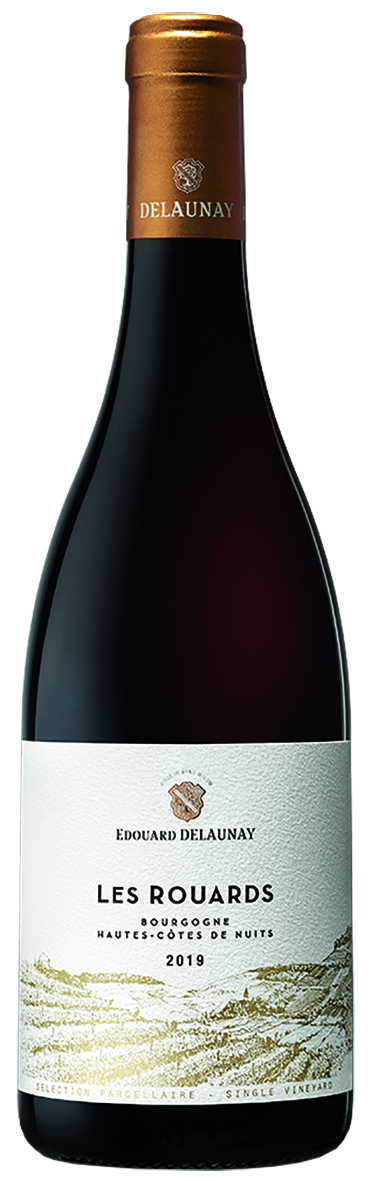
The Delaunay family has set apart the fruit from the Les Rouards lieu-dit in VillarsFontaine to produce this wine with a noticeably deeper colour and...
2020
Edouard DelaunayBourgogne
Louis Jadot, Longeroies, Marsannay, Burgundy, France, 2020
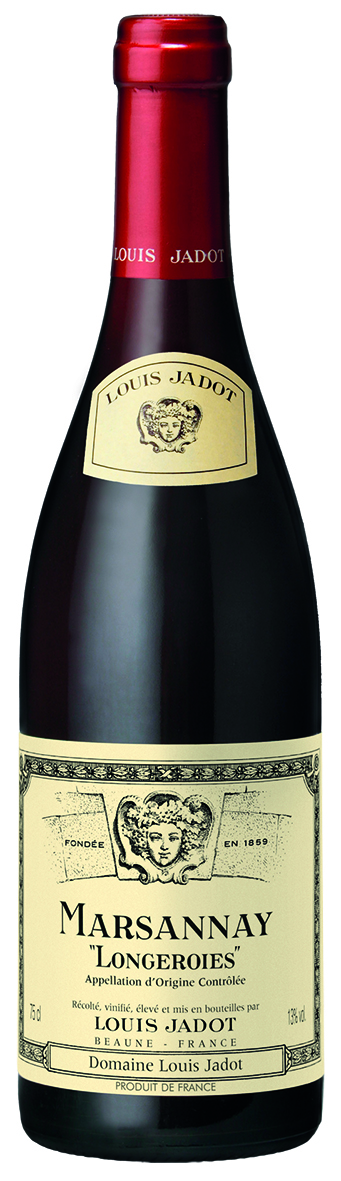
This superb Marsannay is produced from vines of average 80 years’ age on a perfect mid-slope location on the northern side of the appellation, in...
2020
Louis JadotMarsannay
Domaine AF Gros, Bourgogne, Hautes Côtes de Nuits, Burgundy, France, 2020
<p>The domaine has 5ha in the Hautes Côtes village of Arcenant, lieu-dit Derrière le Bois de Chevrey, where the family had a long-standing attachment and...
2020
Domaine AF GrosBourgogne
Domaine Berthaut-Gerbet, Bourgogne, Hautes Côtes de Nuits, Burgundy, France, 2019
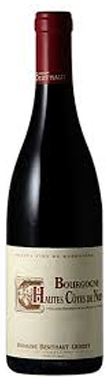
Amélie Berthaut farms a large parcel of Pinot in Concoeur in the heights above Nuits-St-Georges, where she produces this lovely wine that shows great purity...
2019
Domaine Berthaut-GerbetBourgogne
Domaine Chanson, Marsannay, Burgundy, France, 2019
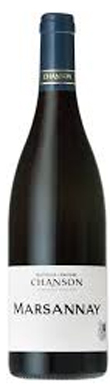
Shows the substance and depth to please early yet age well. This is firmly tannic but dense and substantial; no astringency and enough extract and...
2019
Domaine ChansonMarsannay
Domaine Cornu, Bourgogne, Hautes Côtes de Nuits, Burgundy, France, 2018
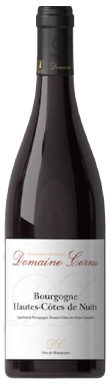
Six of Cornu’s 20ha are classified in Hautes Côtes de Nuits. The fruit is destemmed and gently punched down during fermentation prior to ageing in...
2018
Domaine CornuBourgogne
Jérôme Galeyrand, Les Retraits, Côte de Nuits-Villages, Burgundy, France, 2019
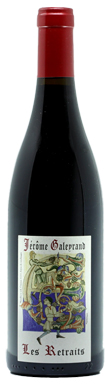
A rising Burgundian star. The organically grown fruit for this wine, from vines planted in Comblanchien in the 1920s and ’30s in very thin soils,...
2019
Jérôme GaleyrandCôte de Nuits-Villages
Domaine de Montmain, Le Haut du Village, Bourgogne, Hautes Côtes de Nuits, Burgundy, France, 2015
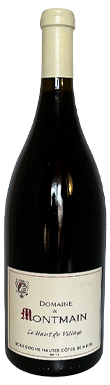
Perched on the south-facing slopes of Château de Villars-Fontaine, this domaine in organic conversion produces firm, tannic wines intended for long ageing – this was...
2015
Domaine de MontmainBourgogne