
Regional profile: Terrasses du Larzac plus 67 wines tasted
This relatively new appellation is proving its star quality, producing full-bodied, age-worthy reds with freshness and character. Georgina Hindle takes a closer look by tasting more than 60 wines from 2016, 2017 and 2018…

Located in the south of France, Terrasses du Larzac covers 32 communes in the Hérault departement, to the north of the city of Montpellier.
It is positioned in the foothills of the Cevennes mountain range, with terraces descending from the famous Causse du Larzac – a limestone plateau 800m high that escapes the hot summer sun and drives cool air through vineyards planted on its slopes.
Scroll down to see the top-rated Terrasses du Larzac tasting notes and scores
These vineyards, some of the highest in the region planted between 50-400m, experience dramatic temperature variations, sometimes as much as 20°C difference between day and night, allowing grapes to develop a deep colour and mature slowly and steadily.
This unique topography together with the region’s diversity of soil types – limestone, clay, river pebbles and schist – are attributed to characteristics of full-bodied, fruit-forward wines with a lively acidity and youthful energy.
‘What makes our wines special’ said Sébastien Fillon, president of the appellation since July 2019, ‘is the balance between the power and richness you find throughout the Languedoc and a unique freshness due to our microclimate. Especially in the summer, we are blessed with the great difference in diurnal temperatures’.
The appellation is strictly reserved for red wines, comprising a minimum of three out of five allowable varieties; Grenache, Mourvèdre and Syrah with the additions of Cinsault and Carignan.
Wines must be a minimum of:
- 60% Syrah, Grenache and Mourvèdre, individually limited to 75%
- Syrah and/or Mourvèdre 20% minimum
- Cinsault and Carignan 30% maximum
Key Grapes
Carignan
A primary varietal capable of producing elegant, long-lived single-varietal wines or the ability to contribute structure and power to a blend. Usually the latest grapes variety to be picked with a long ripening period and tiny berries that give deep colours and intense flavours. Can present game and spice flavours.
Cinsault
An important blending partner, contributing floral and wild summer berry flavours. Usually only makes up a small percentage of Terrassses du Larzac wines. Can gives wines a sense of finesse.
Grenache
A backbone variety here providing vibrant and energetic fruit characteristics with spice and herbal garrigue elements. Has low tannins with raspberry and blackcurrant notes as well as adding alcohol and overall generosity of flavour.
Syrah
The grape that gives dense tannins and structure to the region’s wines with dark fruit, cocoa and leather notes. Also offers aromatic intensity – perfumed violets, spice and green pepper. Needs several years to develop.
Mourvèdre
A tannic grape that can be high in alcohol often presenting earthy flavours, wild game notes and soft red fruits. When young is full-bodied with plenty of tannins – needs time to develop.
Terrasses du Larzac at a glance
Area under vine: 648 hectares
Number of independent wineries: 100
Number of co-operatives: 3
Number of large négociants: 6
Annual production: Around 20,000hl equivalent to 3 million bottles
Maximum yield: 45hl/ha
Colour: Red wines only
Red wine grape varieties: Syrah, Grenache, Mourvèdre, Cinsault and Carignan
Capacity to age
While each of the grapes plays their part in the final taste, Fillon said individual varieties change depending where they’re planted. ‘Grenache on schist is fruity and spicy with a hint of pepper, while on clay it needs to be aged. It won’t be nice in the first year or two.’
Far from the past image of easy drinking wines to consume straight away, Fillon emphasised just how long these wines can live for and said ‘ageing is crucial’.
He advises buying 12 of the same wines, drinking two every two years to note the differences and evolution of flavour. ‘Other regions in the Languedoc can do this, but we do it well, we have complexity and the possibility of ageing’.
Around 65% of the region’s 440ha under vine are farmed organically, a high number for any wine region and something Fillon is convinced translates in the flavour. ‘When you work in organic agriculture it’s harder to take more risks but I’m convinced that the quality of the grapes is better and the energy that goes into the vines you can taste in the bottle’.
See all 67 Terrasses du Larzac notes and scores from the tasting
He also highlighted a 25% increase in new vineyard projects in the last five years – a mixture of novice winemakers entering the region for the first time, new generations taking over and producers becoming independent from the co-operatives.
‘No other appellation has that number of new people coming in’ he said, ‘it’s an exciting place to be at the moment’.
An interesting side project for some of the region’s winemakers is the production of white wines. ‘We’re starting to think about them’ said Fillon who thinks they present the same characteristics found in the reds – power and freshness.
Plantings of classic white grapes can already be found including Grenache Blanc, Vermentino, Marsanne and Rousanne, though Fillon said Carignan Blanc and Gris are particularly well suited to the climate enjoying hot and dry conditions so could see their numbers increase.
Research is also underway with a number of Spanish, Italian and Greek grapes as well as a spotlight on Chenin Blanc as a variety to watch; ‘Some producers planted Chenin here 30 or 40 years ago, it’s not common for the Languedoc but it works very well here.’
Getting classification for whites is not a focus for the appellation right now with Fillon admitting ‘it’s a long process and there is a lot to do before that stage’ but provides a nice avenue for experimentation in the meantime.
The tasting
This tasting comprised almost 70 wines, with four from the 2016 vintage and almost equal numbers from 2017 and 2018. Vintage variation is an issue and of the past six vintages, Fillon identified 2016 as ‘hot’ and ‘difficult’ along with 2014, which was wet and 2018 which was also problematic but said 2019 looking promising.
The majority of the wines were delicious, soft and supple, some were heady, perfumed and seductive and others were savoury, spicy and wild.
It’s this nuance and complexity of flavour that gives the region so much appeal. In one you can find jammy blackberries and raspberries while another presents thyme, rosemary and pepper.
Slight variations in exact grape percentages or location of vineyards result in totally different characteristics. Les Vignes Oubliée for instance, with a high altitude location, had a liveliness and welcome acidity as did Domaine de l’Argenteille’s, Les Secrets du Rocher at 536m altitude with its lingering eucalyptus notes and long, refreshing finish.
La Baronnie by Château de Jonquieres was brimming with liquorice-laded fruit and garrigue notes while Oenothera by Château des Crès Ricards was savoury with cinamon, tobacco and vanilla notes.
The top scorers generally came from the slightly older vintages though a handful of 2018s were also highly rated, so it’s not a case of age is everything. They were all, by and large, very approachable with only 12 wines that had future ‘drink from’ dates. Though I can imagine that almost all of them would benefit from further time in bottle with many ‘drink to’ dates ranging from 2025-2035.
These are also great food wines, perfectly suited to roast meats, steak and navarin of lamb as well as hearty winter meals – venison stew and beef casserole. Decant if you can, at least for an hour, and also don’t be afraid to slightly chill the bottles beforehand, a suggestion of 12-16°C – ‘it really works’ said Fillon.
Around a third of the region’s wines are bought and consumed in the Languedoc, a third more widely in France and one third exported so finding stockists can be difficult. It’s worth seeking these wines out directly if you can and stocking up to drink now and seeing how they age for yourself over the years.
See the top-rated Terrasses du Larzac tasting notes and scores
You may also like
Gérard Bertrand: Behind the Languedoc labels plus 10 wines tastedRegional profile: St-Chinian plus 59 wines tastedLanguedoc gems: 24 Minervois-La Livinière wines tasted
Domaine de Montcalmès, Terrasses du Larzac, Languedoc-Roussillon, France, 2017
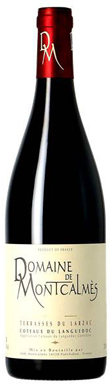

A expressive and plush nose - ripe black berries, liquorice, cedar, crushed rose and coffee scents. The palate is soft but supple with fine but...
2017
Domaine de MontcalmèsTerrasses du Larzac

La Pèira, Terrasses du Larzac, Languedoc-Roussillon, France, 2017
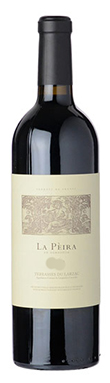
An expressive nose bursting with blackcurrant and dark berry fruits enrobed by herbaceous elements of thyme and liquorice. A wonderfully silky texture on the palate...
2017
La PèiraTerrasses du Larzac
Les Vignes Oubliées, Terrasses du Larzac, Languedoc-Roussillon, France, 2018
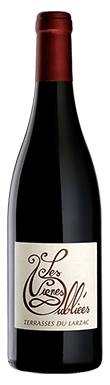
Perfume and aromatic notes on the nose, rose, cherry and thyme. The palate is smooth and sumptuous, chewy with supple fruit flavours alongside a liquorice...
2018
Les Vignes OubliéesTerrasses du Larzac
Clos Constantin, Terrasses du Larzac, Languedoc-Roussillon, France, 2018
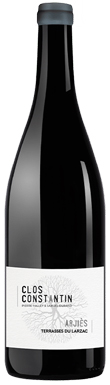
Savoury elements on the nose, mushrooms and truffles, with cherries and blackcurrants. The palate is silky smooth, such a lovely texture with a real richness...
2018
Clos ConstantinTerrasses du Larzac
Mas du Pountil, Tapis Rouge, Terrasses du Larzac, Languedoc-Roussillon, France, 2017
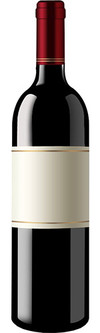
A vibrant and expressive nose with fully plump and plush fruit on the palate. Tannins are present and softly grippy underpinned by spicy liquorice and...
2017
Mas du PountilTerrasses du Larzac
Château de Jonquieres, La Baronnie, Terrasses du Larzac, Languedoc-Roussillon, France, 2017
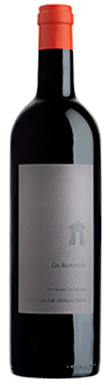
A deep, dark sultry nose of dark berries, rosemary, garrigue and cedar - it smells rich and enticing. The palate is crisp with bite, good...
2017
Château de JonquieresTerrasses du Larzac
Domaine de l'Argenteille, Les Secrets du Rocher, Terrasses du Larzac, Languedoc-Roussillon, France, 2017
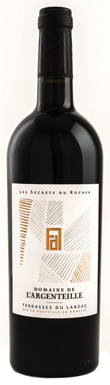
A distinctly medicinal, menthol laced nose with cherries and lingering eucalyptus notes. The palate is alive with fruit, a has a great acidic lift -...
2017
Domaine de l'ArgenteilleTerrasses du Larzac
Gérard Bertrand, Château La Sauvageonne Grand Vin, Terrasses du Larzac, Languedoc-Roussillon, France, 2016
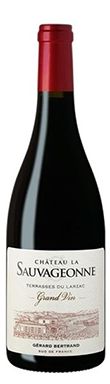
The nose is so expressive here, brimming with liquorice, rosemary, thyme, wild cherries and cedar. The palate is plush and sumptuous, rich and densely fruited...
2016
Gérard BertrandTerrasses du Larzac
Château des Crès Ricards, Oenothera, Terrasses du Larzac, Languedoc-Roussillon, France, 2018
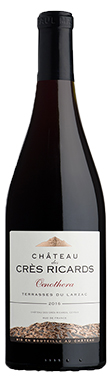
A complex and savoury nose brimming with cinnamon spice, tobacco, vanilla and dark chocolate laced blackcurrants. The palate is appealing with rich, supple and ripe...
2018
Château des Crès RicardsTerrasses du Larzac
Domaine La Tête dans les Etoiles, Au delà des rêves, Terrasses du Larzac, Languedoc-Roussillon, France, 2018
A relatively new, small-production wine created in 2010 by Luc Jourdan, in the town of Bosc, in the terraces of Larzac. From a 3.5ha plot...
2018
Domaine La Tête dans les EtoilesTerrasses du Larzac
Domaine Jordy, Révélation, Terrasses du Larzac, Languedoc-Roussillon, France, 2018
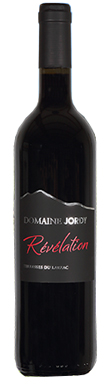
A wild nose of garrigue, mint, liquorice and ripe red cherries. The palate is lovely, full of blackcurrant juice, really succulent with freshness and immediate...
2018
Domaine JordyTerrasses du Larzac
Mas d'Agamas, Baies Choisies, Terrasses du Larzac, Languedoc-Roussillon, France, 2018
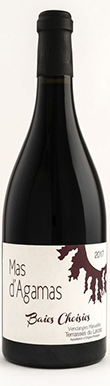
Black berries, liquorice, thyme and cinnamon on the nose - a nice aromatic concoction leading to a plush and juicy palate. The fruit flavours are...
2018
Mas d'AgamasTerrasses du Larzac
Mas Cal Demoura, Les Combariolles, Terrasses du Larzac, Languedoc-Roussillon, France, 2018
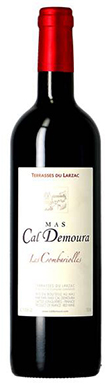
A nuanced and detailed nose with fruit and spice - orange rind, cinnamon, cherries and black pepper jumping out the glass. Great texture of tannins...
2018
Mas Cal DemouraTerrasses du Larzac
Romain Portier, La Petite Parcelle, Terrasses du Larzac, Languedoc-Roussillon, France, 2018
A lovely, rich fruit and dark chocolate laced nose. Sumptuous and soft palate, smooth and silky but with vibrant and lively cherry and strawberry fruit....
2018
Romain PortierTerrasses du Larzac
Mas de la Séranne, Antonin et Louis, Terrasses du Larzac, Languedoc-Roussillon, France, 2017
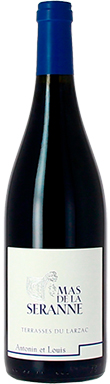
Sweet spices, leather, blackcurrants, lovely texture and energy of fruit, sharp, silky and smooth tannins, good sweet juiciness at the end. Ends on a high...
2017
Mas de la SéranneTerrasses du Larzac
Château St Jean d'Aumières, L'Alchimiste Black Edition, Terrasses du Larzac, Languedoc-Roussillon, France, 2016
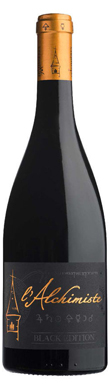
A wonderfully extravagant and detailed nose, rich, ripe and so perfumed with roses and violets. The palate is similarly flavoured, floral elements playing on the...
2016
Château St Jean d'AumièresTerrasses du Larzac