
The lesser-known Tuscany: 12 hidden gems to discover
There’s so much more besides the big-hitting names to discover in beautiful Tuscany. Decanter’s Regional Editor for Italy goes in search of some hidden gems.


Whether you’re relaxing at an agriturismo surrounded by vines, discovering coastal jewels such as Livorno or the island of Elba, or admiring the Renaissance art and architecture in Florence or Siena, there’s always something new to discover when visiting Tuscany.
The region in Italy’s central west is an oenological, as well as a cultural, powerhouse and is equal to Piedmont for having the most DOCs (41), also boasting an impressive 11 DOCGs and six IGTs.
But perhaps due to the volumes of wine produced here – 2.4m hl in 2022 (Istat, 2023) – as well as increasing domestic and international competition on the shelves, many wines, even entire denominations, fly under the radar of the typical consumer.
Scroll down to see tasting notes and scores for 12 lesser-known Tuscan wines to discover
Sangiovese is Italy’s most widely planted red grape variety and dominates Tuscany’s signature rolling hills; its crowning achievements are the Tuscan trifecta of Brunello di Montalcino, Chianti Classico and Vino Nobile di Montepulciano. But beyond these key denominations and the region’s signature grape lies another world of wine that’s just waiting to be discovered. You might just need to search a bit harder to find it!
Long pedigree
Take Carmignano, for instance, mentioned in a decree of Grand Duke Cosimo III de’ Medici in 1716 as one of four areas in Tuscany dedicated to wine production, to which were applied specific regulations and geographical limits not dissimilar to the modern DOC/G system. Located about 20km west of Florence and with just 116ha under vine, Carmignano is unique in that it has a 500-year history of growing Cabernet Sauvignon (supposedly introduced at the request of Catherine de’ Medici, then Queen of France, in the 16th century). It comprised part of the Montalbano sub-zone of Chianti DOC up to 1975, when it was recognised as a separate DOC, and was subsequently granted DOCG status in 1990.
Yet Carmignano is rarely spoken of in the same circles as other DOCGs such as Brunello di Montalcino or Vino Nobile di Montepulciano – which makes it a bit of a bargain. Regulations demand that these Sangiovese-based (minimum 50%) wines include 10%-20% Cabernet Sauvignon or Cabernet Franc, a maximum of 20% Canaiolo, and up to 10% of other varieties such as Merlot, Syrah, Canaiolo Bianco, Malvasia and Trebbiano, and the wines must spend a minimum of eight months in barrels, with a total required ageing of about 20 months. The result is a dark, often noticeably oaky red which combines Sangiovese’s vibrant acidity and cherry fruits with the power and depth of the Cabernets. For those seeking a richer, heavier red in almost a mini-SuperTuscan style, Carmignano deserves more than just a passing glance.

Valdarno di Sopra was another of the wine- producing areas mentioned in the Grand Duke’s decree of 1716, confirming a history of winemaking that goes back much further than its establishment as a DOC in 2011 would suggest. To the east of the Chianti Classico zone, between Florence and Arezzo, it’s an up-and-coming area encompassing 95ha under vine [in 2019]. What marks Valdarno di Sopra out as a denomination to follow is not only that its members – including Petrolo, Tenuta Sette Ponti and Il Borro – are producing high-quality reds and whites, but also that it is succeeding in its aim to be the first all-organic denomination in Italy, with all members either already certified or in conversion.
Cabernet Franc trending up
Tuscany’s red grape of the moment is Cabernet Franc, as steadily increasing temperatures favour the late-ripening variety over earlier- ripening varieties such as Merlot. Even Bolgheri’s all-Merlot superstar Masseto now incorporates a small amount of Cabernet Franc. Former estate director Axel Heinz (whose departure after 18 years was announced in March) commented last September: ‘With climate change, the Cabernet Franc can allow us to add more aromatic complexity… Does that mean in 20 to 30 years we will reverse the proportion? Today we test it.’
Le Macchiole has produced an all-Cabernet Franc expression of Paleo since the 2001 vintage, while Tenuta Argentiera’s Ventaglio became 100% Cabernet Franc in only its second vintage, 2016. Orma’s brand new Aola di Orma Bolgheri Superiore 2020 is a single-vineyard majority Cabernet Franc blended with 15% Cabernet Sauvignon. South of Bolgheri, in the Upper Maremma in the province of Grosseto, Ampeleia’s flagship wine, formerly a blend of varieties, became 100% Cabernet Franc with the 2015 vintage.
Leaving the Maremma and heading inland to Castelnuovo Berardenga, within the Chianti Classico zone, Tenuta di Arceno’s flagship wine Arcanum – formerly a Toscana IGT blend of Cabernet Franc, Merlot, Cabernet Sauvignon and Petit Verdot – is, as of the 2016 vintage released last year, a pure Cabernet Franc. Elsewhere, Tenuta di Trinoro, nestled in the Orcia valley, bases its flagship bottling on Cabernet Franc and, since 2014, also bottles three single-vineyard Cabernet Francs.
Trebbiano Toscano
Tuscany is a land of reds: in fact, 86% of production is red wine (Istat, 2023), making it the smallest white wine-producing region by percentage in all of Italy. And the white grapes that are grown in Tuscany haven’t always been held in high esteem. Trebbiano Toscano (known as Ugni Blanc in France) was, until 1996, a required component in Chianti Classico, as well as the base for a multitude of affordable white wines that have done little to excite critics or consumers – but today, the variety is enjoying a resurgence. Monteraponi’s Trebbiano, first bottled in 2012 from vines in Radda in Chianti, and Petrolo’s Bòggina B, first produced in 2014 from clones of 1970s plantings in Valdarno di Sopra, are both fundamental to Trebbiano Toscano’s comeback. And just this year, we have seen brand-new releases of Castello di Brolio Sanbarnaba from Ricasoli, and Vigna dell’Impero Trebbiano from Tenuta Sette Ponti.

Maremma
One wine which defies the perception of Tuscany as lacking in fine white wines is Fattoria Le Pupille’s Piemme, a thrilling Petit Manseng from the 1ha Pian di Fiora vineyard on the coastal hills of Tuscany’s Maremma. It was originally only used as a component in the estate’s Poggio Argentato white blend, but owner Elisabetta Geppetti was impressed enough by its potential to create a new varietal wine from later-picked fruit aged on the lees in steam-toasted oak. The first vintage was 2014. ‘The goal is to make a great white wine where great white wines are not made,’ Geppetti’s son and second-generation winemaker Ettore explains.
Staying in the Maremma, interesting things are happening with Vermentino, which has traditionally been at its best when grown in Sardinia. Earlier this year, Maremma Toscana DOC Vermentino Superiore was ratified by the government. The ‘Superiore’ in the title represents an increase from a minimum percentage of 85% Vermentino in the pre-existing non-Superiore, to at least 95%, as well as a higher minimum alcohol of 12.5% (which in theory means only the best, ripest fruit will be used), and a minimum of 12 months of ageing. President of the Maremma Toscana consorzio Francesco Mazzei is spearheading the Superiore initiative with his family’s Belguardo estate, releasing V 2021 (formerly ‘Codice V’) as one of the first wines to be labelled Vermentino Superiore. This complex white, already a benchmark Vermentino for the Maremma, sets a fantastic example to others who wish to follow in Mazzei’s footsteps.

‘Despite the fact that the DOC Maremma regulations provide for a rather considerable number of grape varieties and wine categories, Vermentino in recent years has become the most important wine in terms of number of bottles produced and is the grape variety with the strongest growth trend,’ states Mazzei. ‘Vermentino yields fresh, ready-to-drink wines, as well as ambitious, long-lived versions, which is why we have included the Superiore category in our portfolio. I think that with the addition of Superiore designation, in the next few years Vermentino will not only consolidate its role as the main player in the denomination but, thanks to its outstanding quality to quantity ratio, will also positively influence the reputation of the Maremma Toscana, positioning it as a high-quality peer of the other Tuscan denominations.’
Ginevra Venerosi Pesciolini of Tenuta di Ghizzano, in the Maremma, is also doing exciting things with Vermentino, although in this case she labels it as Costa Toscana. ‘Vermentino came as a consequence… I was fermenting it separately from Malvasia [for Il Ghizzano Bianco] due to different ripening times, I realised there was the potential to demonstrate that it is different to the southern Tuscan Vermentinos of Bolgheri, Colli di Luni and so on.’ Her 3,000-bottle Mimesi project is a memorable expression of the variety: following 72 hours of skin contact, the grapes are vinified in stainless steel, then the wine rests in amphorae for five months on its lees, with batonnage.

Vernaccia di San Gimignano
The small white wine-producing enclave of Vernaccia di San Gimignano is situated around the picturesque hilltop town of Gimignano, famous for its medieval fortified tower houses, bell towers, and 14th- to 15th-century frescoes and paintings. Day-trippers eagerly enjoy the local wines in the trattoria and bars on the narrow paved streets and two piazzas.
The winemaking culture here is far older than even the frescoes – the wine is mentioned in Dante’s The Divine Comedy – and Vernaccia di San Gimignano’s ancient reputation was cemented in modern times when it became Italy’s first DOC in 1966. Subsequently granted DOCG status in 1993, it’s the only white denomination in Tuscany to hold this distinction, however it remains largely overlooked in the face of Tuscany’s red dominance. Styles range from youthfully mineral, floral and lemony tourist-pleasers to the long-aged creamy, exotically fruited riservas; the best are certainly worthy of shelf space in your fridge or cellar.
Merlot and more
Finally, it’s difficult to discuss the ‘lesser-known Tuscany’ without reference to Francophile Neopolitan winemaker Giampaolo Motta of Tenuta La Massa, who creates Bordeaux-inspired wines in the warm Conca d’Oro in Panzano, the heart of the Chianti Classico zone.

Working with renowned Bordeaux consultant Stéphane Derenoncourt, Motta’s flagship Giorgio Primo (a blend of Cabernet Sauvignon, Merlot and Petit Verdot) is the result of what he calls ‘micro-surgery’ – the team picks grapes soil type by soil type (they have identified 12 different soils on the estate).
Concentrated, silky, glossy and sapid, Giorgio Primo is a must-try for fans of Cabernet Sauvignon, but Motta also has a brand-new wine in the works: a 100% Merlot grown on a plot of blue clay. Due to be released in 2024, it’s the result of three days of sorting – the fruit kept chilled using dry ice – and initial impressions are very promising: at first intense, it then dissolves into a sublime, lacy delicacy.
While Sangiovese is Tuscany’s calling card, the region offers so much more. Next time, reach for a bottle from the lesser-known Tuscany.
The other Tuscany: Button’s pick of wines to discover
Related articles
Fattoria Le Pupille, Piemme, Toscana, Tuscany, Italy, 2020
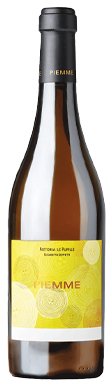

From a one-hectare plot in the Maremma hills, this Petit Manseng's razor-sharp acidity is barely tempered by 15 months on fine lees in steam-toasted oak...
2020
Fattoria Le PupilleToscana

Belguardo, V, Maremma Toscana, Vermentino Superiore, Tuscany, Italy, 2021
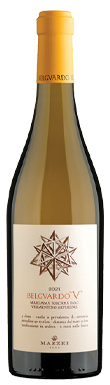
Launched with the 2008 vintage, Belguardo V began incorporating 20% of amphora-vinified fruit from the 2016 vintage onwards. Lemon, lime and apple aromas mingle with...
2021
BelguardoMaremma Toscana
Barone Ricasoli, Castello di Brolio Sanbarnaba, Toscana, Tuscany, Italy, 2020
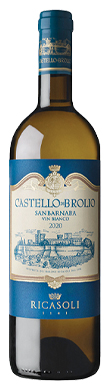
From a single 1.18ha vineyard at 480m in Gaiole in Chianti, within view of the famous Brolio castle, this Trebbiano Toscano is vinified in amphorae...
2020
Barone RicasoliToscana
Petrolo, Bòggina B, Toscana, Tuscany, Italy, 2021
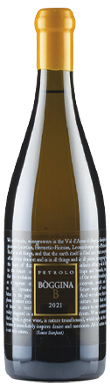
An ambitious ode to Trebbiano Toscano in Valdarno di Sopra, long ago renowned and drunk by popes and royalty. Made from replanted clones of the...
2021
PetroloToscana
Tenuta di Ghizzano, Mimesi, Toscana, Costa, Tuscany, Italy, 2022
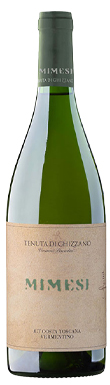
From limestone soils in Terre di Pisa, with 72 hours of skin-contact and vinification in stainless steel, then five months on its lees in terracotta...
2022
Tenuta di GhizzanoToscana
Fornacelle, Fiora Riserva, Vernaccia di San Gimignano, Tuscany, Italy, 2020
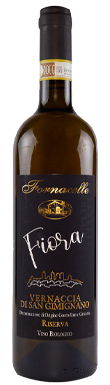
From vines 6km north of San Gimignano, this is matured in 5hl oak barrels, with a minimum of six months in bottle. The result is...
2020
FornacelleVernaccia di San Gimignano
Mormoraia, Suavis, Vernaccia di San Gimignano, Tuscany, Italy, 2022
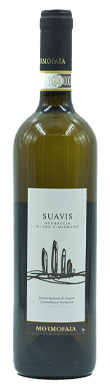
This floral, easy-drinking Vernaccia di San Gimignano spends four months on its lees in stainless steel before bottling. Scents of apple, pear and white flowers...
2022
MormoraiaVernaccia di San Gimignano
Orma, Aola di Orma, Bolgheri, Superiore, Tuscany, Italy, 2020
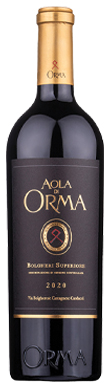
This first vintage of Aola di Orma intends to express the potential of a specific southwest-facing plot of clay and gravel over ancient marine fossils...
2020
OrmaBolgheri
La Massa, Giorgio Primo, Toscana, Tuscany, Italy, 2019
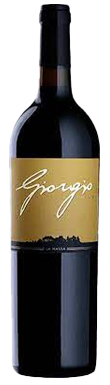
‘[Winemaking consultant] Stéphane Derenoncourt told me he'd never seen Cabernet ripen like it does here!’ La Massa's Giampaolo Motta told me enthusiastically. The estate’s flagship...
2019
La MassaToscana
Ampelaia, Toscana, Tuscany, Italy, 2019
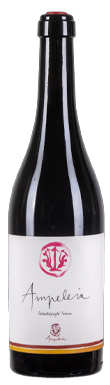
Ampelaia has been a project of admired winemaker Elisabetta Foradori and two friends since 2002. The source of grapes for this flagship wine – pure...
2019
AmpelaiaToscana
Capezzana, Villa di Capezzana, Carmignano, Tuscany, Italy, 2019
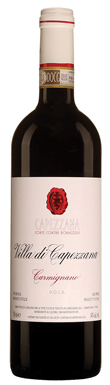
A blend of 80% Sangiovese and 20% Cabernet Sauvignon from one of Carmignano’s leading estates, matured for 12-16 months in a combination of tonneaux and...
2019
CapezzanaCarmignano
Fattoria Ambra, Elzana Riserva, Carmignano, Tuscany, Italy, 2019
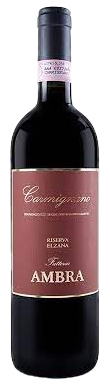
Spending 12 months in French oak tonneaux, then a further 12 months in Slavonian oak casks, this organic 90% Sangiovese and 10% Cabernet Sauvignon blend...
2019
Fattoria AmbraCarmignano
Fattoria Le Pupille, Piemme, Toscana, Tuscany, Italy, 2020
From a one-hectare plot in the Maremma hills, this Petit Manseng's razor-sharp acidity is barely tempered by 15 months on fine lees in steam-toasted oak...
2020
Fattoria Le PupilleToscana
Belguardo, V, Maremma Toscana, Vermentino Superiore, Tuscany, Italy, 2021
Launched with the 2008 vintage, Belguardo V began incorporating 20% of amphora-vinified fruit from the 2016 vintage onwards. Lemon, lime and apple aromas mingle with...
2021
BelguardoMaremma Toscana
Barone Ricasoli, Castello di Brolio Sanbarnaba, Toscana, Tuscany, Italy, 2020
From a single 1.18ha vineyard at 480m in Gaiole in Chianti, within view of the famous Brolio castle, this Trebbiano Toscano is vinified in amphorae...
2020
Barone RicasoliToscana
Petrolo, Bòggina B, Toscana, Tuscany, Italy, 2021
An ambitious ode to Trebbiano Toscano in Valdarno di Sopra, long ago renowned and drunk by popes and royalty. Made from replanted clones of the...
2021
PetroloToscana
Tenuta di Ghizzano, Mimesi, Toscana, Costa, Tuscany, Italy, 2022
From limestone soils in Terre di Pisa, with 72 hours of skin-contact and vinification in stainless steel, then five months on its lees in terracotta...
2022
Tenuta di GhizzanoToscana
Fornacelle, Fiora Riserva, Vernaccia di San Gimignano, Tuscany, Italy, 2020
From vines 6km north of San Gimignano, this is matured in 5hl oak barrels, with a minimum of six months in bottle. The result is...
2020
FornacelleVernaccia di San Gimignano
Mormoraia, Suavis, Vernaccia di San Gimignano, Tuscany, Italy, 2022
This floral, easy-drinking Vernaccia di San Gimignano spends four months on its lees in stainless steel before bottling. Scents of apple, pear and white flowers...
2022
MormoraiaVernaccia di San Gimignano
Orma, Aola di Orma, Bolgheri, Superiore, Tuscany, Italy, 2020
This first vintage of Aola di Orma intends to express the potential of a specific southwest-facing plot of clay and gravel over ancient marine fossils...
2020
OrmaBolgheri
La Massa, Giorgio Primo, Toscana, Tuscany, Italy, 2019
‘[Winemaking consultant] Stéphane Derenoncourt told me he'd never seen Cabernet ripen like it does here!’ La Massa's Giampaolo Motta told me enthusiastically. The estate’s flagship...
2019
La MassaToscana
Ampelaia, Toscana, Tuscany, Italy, 2019
Ampelaia has been a project of admired winemaker Elisabetta Foradori and two friends since 2002. The source of grapes for this flagship wine – pure...
2019
AmpelaiaToscana
Capezzana, Villa di Capezzana, Carmignano, Tuscany, Italy, 2019
A blend of 80% Sangiovese and 20% Cabernet Sauvignon from one of Carmignano’s leading estates, matured for 12-16 months in a combination of tonneaux and...
2019
CapezzanaCarmignano
Fattoria Ambra, Elzana Riserva, Carmignano, Tuscany, Italy, 2019
Spending 12 months in French oak tonneaux, then a further 12 months in Slavonian oak casks, this organic 90% Sangiovese and 10% Cabernet Sauvignon blend...
2019
Fattoria AmbraCarmignano
