Amphora and clay wines
(Image credit: Credit Unknown)

Wines fermented and/or aged in clay vessels have seen an important revival in the last couple of decades, largely thanks to the rediscovery of the winemaking traditions of Georgia and to prominent producers, such as Joško Gravner in northeast Italy, themselves inspired by visits to the Caucasus.

This led to a close, almost inevitable, association between clay vessels and low-intervention, skin-fermented white wines. The natural wine movement embraced amphora wine as a category of its own and soon enough qvevri were on every hipster’s social media feed.


Scroll down for notes and scores for 20 amphora and clay wines


Making wine in clay containers is not, however, synonymous with low intervention or extended macerations. Following the hype of the early 2000s, many winemakers – from natural fanatics to technology-driven orthodox – have experimented with clay vessels as yet another option in their toolkit. This diversity is shown in the selection that follows; clay is used by winemakers with very different profiles, backgrounds and approaches, to produce myriad styles of wine.

Managing air and heat

Clay vessels have been used to ferment, store and transport wine for millennia. Chemical analysis of neolithic jars found in Georgia and dated back to between 5,800 BC and 6,000 BC show that these jars were used by the world’s earliest-known winemakers.

Across the Mediterranean, amphorae were widely used by Greek, Iberian, Lusitanian, Phoenician and Carthaginian civilisations to transport and trade wine, and remained the vessels of choice after Roman occupation.

Because terracotta is porous, wines stored in clay vessels were vulnerable to oxidation; to avoid spoilage, amphorae were coated with a protective interior layer of pine resin. Modern amphorae, on the other hand, are sometimes lined with epoxy resin instead, thereby avoiding the transference of aromas and flavours.

Purists will say, however, that the very essence of clay winemaking is playing with oxidation and embracing the mild protection – and specific aromas – of a natural resin. Temperature control is another challenge. Georgian qvevri are buried, which provides a natural solution to this problem. The same is not true elsewhere – especially on the Iberian peninsula, where the use of clay vessels is also noteworthy – which motivated the development of modern amphorae with built-in temperature management.


Wine in clay: A glossary

Amphora (plural: amphorae)

Latin word, of Greek origin, for vessels with two handles, commonly used for earthenware containers of variable dimensions used to store and transport goods, including wine, in ancient times.

To protect the liquid from oxidation the amphorae were often lined with pine resin, a process that ultimately gave birth to Greek retsina wines. Today, amphorae come in many shapes and sizes, and incorporate a wide range of technological enhancements.

Many of the modern iterations are lined with epoxy resin and have inbuilt temperature control systems. (The term is also used for amphora-shaped cement vessels, which were not considered in this article’s selection).

Qvevri (plural: qvevri)

Georgian clay vessels, also known as churi in the west of the country, used for wine fermentation and storage (the reds are often transferred to oak barrels post fermentation). Qvevri can vary greatly in size and, unlike their Iberian counterparts, are buried underground for natural temperature control and structural stability. In 2013, qvevri winemaking was recognised as Intangible Cultural Heritage by UNESCO.

Talha (plural: talhas)

The term used in Portugal to describe clay vessels, usually of imposing dimensions, introduced in Roman times for wine production.

The tradition remained uninterrupted, if overlooked, in a handful of villages in the Alentejo region for more than 2,000 years. A new generation of winemakers is taking important and quick steps to revive and reinterpret talha winemaking. ‘Vinho de Talha’ is a protected style within the Alentejo DOC and is regulated by specific guidelines.

Wines must be fermented in talhas or potes (clay vessels smaller than talhas); the clay vessels must be glazed (either with epoxy or the traditional ‘pez’, a mix of beeswax, pine resin and olive oil); all grapes must be destemmed; and the must, skins and seeds must remain inside the fermentation vessels until at least 11 November of the harvest year. Additionally, the removal of the skins and seeds and the bottling of the wines are subject to technical approval and assessment by the Alentejo wine authority CVRA.

Tinaja (plural: tinajas)

Talha’s sibling term in neighbouring Spain, also used in Chile, where tinajas were first brought by colonisers. They are mostly found in La Mancha, Valdepeñas and Montilla-Moriles, in Spain, and in Bío Bío and Itata in Chile, although there’s growing interest in other regions. Due to aspects of the clay and kilning expertise, some tinajas have a thin glaze and therefore do not require coating.


Again, there are different schools of thought: some will say the beauty of producing wine in clay is working with the temperature fluctuations of a cellar; a more technical view has happily embraced newly designed amphorae with temperature control systems.

These differences are not merely a matter of philosophy; they have a direct impact on the wines produced and on how clay vessels are approached as a winemaking tool. If accepted as a porous material subject to temperature fluctuations, the use of amphorae is not dissimilar to that of wood: oxygen, time and atmospheric conditions play an integral part in the development and profile of the wine. If lined with epoxy and fitted with temperature control systems, amphorae become quasi-inert vessels.

Most, if not all, of the wines tasted and selected for this article fall under the former of those two approaches. That’s an intentional choice, given that ‘amphora wines’ – a category that’s loosely defined among professionals and consumers – refers to wines in which the porosity and thermal conductivity of fired clay is perceptible in the final wine.

It’s also a ‘narrative’ choice: many of the wines featured are made by producers who have invested significant time and effort to support the local craftsmen who produce the amphorae used, and to preserve winemaking traditions that were, in many cases, almost forgotten.

These wines tell stories well beyond the confines of the wineries in which they were vinified. And this surely helps to stimulate the enduring fascination with wines made in clay – a textural material associated with myth, history and Instagram reels from sunny holiday destinations.


See notes and scores for 20 amphora and clay wines


Explore More

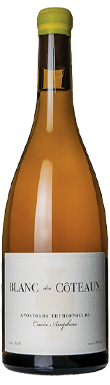
Apostolos Thymiopoulos, Blanc des Coteaux Cuvée Amphore, Naoussa, Macedonia, Greece 2020
My wines
Locked score

An absolute showstopper, this wine showcases Apostolos Thymiopoulos' creativity and winemaking skills in full flex. Malagousia (50%), Vidiano (20%) and Aidani (5%) are fermented in...

2020

MacedoniaGreece

Apostolos ThymiopoulosNaoussa

Decanter Premium logo

Join Decanter Premium to unlock all our wines tastings and notes

Join Now

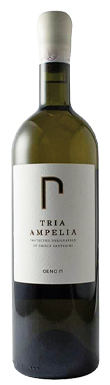
Oeno P, Tria Ampelia, Santorini, Aegean Islands, Greece, 2020
My wines
Locked score

An intense nose of ripe lemon – both its pith and rind – with an extremely crystalline essence of nectarine and ripe stone fruits. It's...

2020

Aegean IslandsGreece

Oeno PSantorini

Decanter Premium logo

Join Decanter Premium to unlock all our wines tastings and notes

Join Now

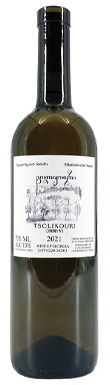
Nikoladzeebis Marani, Tsolikouri, Imereti, Georgia 2021
My wines
Locked score

Elegant, flinty nose with aromas of match stick, toasted almonds and buttered toast. Fine palate of great precision, with a lean mineral backbone and filigree...

2021

ImeretiGeorgia

Nikoladzeebis Marani

Decanter Premium logo

Join Decanter Premium to unlock all our wines tastings and notes

Join Now

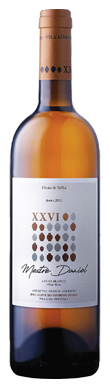
XXVI Talhas, Mestre Daniel Branco, Vinho de Talha, Alentejo, Portugal 2021
My wines
Locked score

This wine is an homage to the grandfather of the founders of XXVI Talhas, a project that has revived clay winemaking in Alentejo. Mestre Daniel...

2021

AlentejoPortugal

XXVI TalhasVinho de Talha DOC

Decanter Premium logo

Join Decanter Premium to unlock all our wines tastings and notes

Join Now

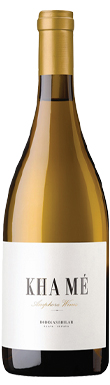
Bodegas Bhilar, Kha Mé, Alava, Northern Spain, Spain 2022
My wines
Locked score

Beautiful nose of fresh peach, yellow apples, orange blossom and honeycomb, underpinned by wet stone freshness. The palate is crystalline, with well-defined flavours of white...

2022

Northern SpainSpain

Bodegas BhilarAlava

Decanter Premium logo

Join Decanter Premium to unlock all our wines tastings and notes

Join Now

Acheon, Sideritis in Amphorea, Achaia, Peloponnese, Greece 2021
My wines

91

There's an oily quality to this wine, in perfect counterpoint to the underlying minerality. Sideritis, an overlooked Greek variety often used for table grapes, can produce wines with a steely quality and spicy nuances, both of which are on show here. Partially fermented and aged in amphorae, there's a distinct purity to the lime zest, pear and lemon oil flavours. Enjoy with grilled sardines or fresh goat's cheese.

2021

PeloponneseGreece

AcheonAchaia

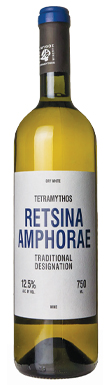
Tetramythos, Retsina Amphorae, Aegean Islands, Greece NV
My wines

91

Modern, vibrant and elegant with a firm acid backbone and a delicious salinity throughout. The resin used is sourced from pine trees surrounding the Roditis vines, making this a 'single-vineyard' Retsina. The herbal nuances (rosemary, wild fennel and oregano) are subtle and perfectly woven into the zesty core of lime zest, lemon juice and fleshy green apple. A great everyday drinker that will pair particularly well with seafood and poultry. Organic.

Aegean IslandsGreece

Tetramythos

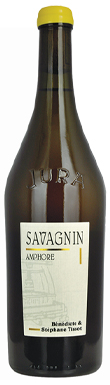
Benedicte & Stephane Tissot, Savagnin Amphore, Arbois, Jura, France 2019
My wines
Locked score

With intense aromas of red apples, nectarine and blood orange, followed by macerated herbs and sweet spice, this is a Savagnin (indeed an Arbois) like...

2019

JuraFrance

Benedicte & Stephane TissotArbois

Decanter Premium logo

Join Decanter Premium to unlock all our wines tastings and notes

Join Now

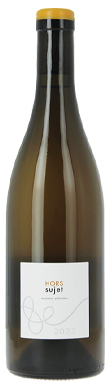
Domaine Philippe Gilbert, Hors-Sujet, Loire, France 2022
My wines
Locked score

Great winemaking on show, the eight months of maceration in clay amphorae and sandstone jars imparting texture and aromatic complexity, but not excessive phenolic extract...

2022

LoireFrance

Domaine Philippe Gilbert

Decanter Premium logo

Join Decanter Premium to unlock all our wines tastings and notes

Join Now

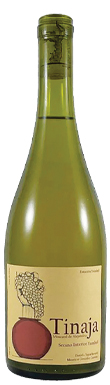
Mauricio Gonzalez, Tinaja Moscatel de Alejandría, Bío Bío Valley, Chile 2021
My wines

92

Fermented and macerated for five months in old clay tinajas, this light orange Moscatel has bags of character and textural appeal, without any 'funkiness'. Clean, precise and detailed, it has transparent aromas of white grapefruit, orange blossom, clementine zest, jasmine and crunchy pear, which linger in the mouth, held by zesty acid. There's a saline aspect (think preserved lemons) that makes it a perfect match for smoked fish or seafood pasta.

2021

Bío Bío ValleyChile

Mauricio Gonzalez

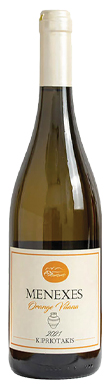
Menexes, Orange Vilana, Crete, Greece 2021
My wines
Locked score

This small Cretan producer delivers a characterful expression of local variety Vilana, inviting even for orange wine sceptics. 20 days of maceration followed by six...

2021

CreteGreece

Menexes

Decanter Premium logo

Join Decanter Premium to unlock all our wines tastings and notes

Join Now

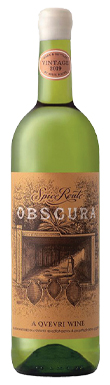
Spice Route, Obscura, Coastal Region, South Africa 2019
My wines

91

A smart blend of Chenin Blanc, Sauvignon, Semillon and Viognier, fermented on the skins. Winemaker Charl du Plessis travelled all the way to Georgia and brought the technique, and the qvevri he used, with him. Seductive aromas of fennel, orange peel and grapefruit, followed by an exotic, spicy palate with white pepper, glazed ginger and candied orange. Pleasant tannins and refreshing acidity.

2019

Coastal RegionSouth Africa

Spice Route

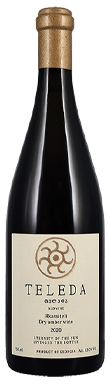
Teleda, Qvevri Rkatsiteli, Kakheti, Georgia 2020
My wines

91

Light-handed take on the more extreme traditional skin-fermented Rkasiteli wines, showing aromatic restraint and a quiet poise. There's a sweet quality to the red apple, quince, watermelon and peach flavours which is offset by orange zest, savoury pickled walnuts, grilled apricots and spices (nutmeg, cardamom, wild fennel). Very subtle, soft tannins.

2020

KakhetiGeorgia

Teleda

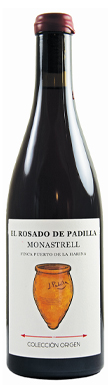
Casa Balaguer, El Rosado de Padilla, Alicante, Valencia, Spain 2022
My wines
Locked score

A Monastrell like you've never tasted before, vinified in tinajas (clay amphorae), full of energy and dangerously fresh. Pink peach, rose petals, ripe strawberries and...

2022

ValenciaSpain

Casa BalaguerAlicante

Decanter Premium logo

Join Decanter Premium to unlock all our wines tastings and notes

Join Now

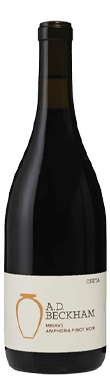
Beckham Estate, Creta Pinot Noir, Chehalem Mountains, Willamette Valley, Oregon, USA 2021
My wines
Locked score

Andrew Beckham, founder of the Beckham Estate with wife Annedria, handcrafts the terracotta eggs used to ferment and age this wine in his studio at...

2021

OregonUSA

Beckham EstateWillamette Valley

Decanter Premium logo

Join Decanter Premium to unlock all our wines tastings and notes

Join Now

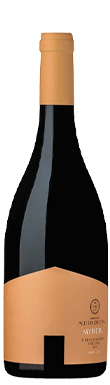
Herdade Aldeia de Cima, Myndru Tinto, Alentejo, Portugal 2019
My wines
Locked score

A modern interpretation of traditional Alentejo in which the natural concentration of fruit from old vines is lifted by mineral purity and floral touches. Alfrocheiro...

2019

AlentejoPortugal

Herdade Aldeia de Cima

Decanter Premium logo

Join Decanter Premium to unlock all our wines tastings and notes

Join Now

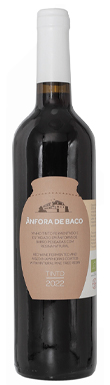
Quinta do Montalto, Anfora de Baco Tinto, Lisboa, Portugal 2022
My wines
Locked score

Truly delicious and quaffable, with vibrant red fruit topped by herbal nuances. Pomegranate, wild strawberries, red plum and cranberry jam are wrapped by a savoury...

2022

LisboaPortugal

Quinta do Montalto

Decanter Premium logo

Join Decanter Premium to unlock all our wines tastings and notes

Join Now

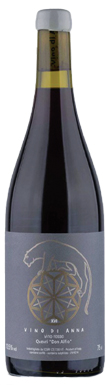
Vino di Anna, Qvevri Don Alfio, Sicily, Italy 2020
My wines
Locked score

Complex nose, full of nuances and subtleties: crushed rose petals, tobacco leaf and prune mingle with blood orange and bergamot. The palate follows with a...

2020

SicilyItaly

Vino di Anna

Decanter Premium logo

Join Decanter Premium to unlock all our wines tastings and notes

Join Now

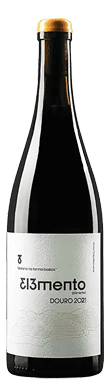
El3mento, Douro Valley, Portugal 2021

My wines
Locked score

Luís Pedro Cândido da Silva and Carmelo Peña Santana met at university and have since worked together for the likes of Raúl Pérez and Dirk...

2021

Douro ValleyPortugal

El3mento

Decanter Premium logo

Join Decanter Premium to unlock all our wines tastings and notes

Join Now

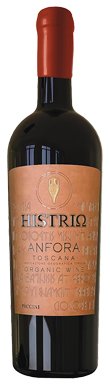
Piccini, Histrio Anfora Rosso di Toscana, Elba, Tuscany, Italy 2020
My wines

91

Alluring savoury nose with black olive tapenade over quintessential cherry and red plum notes of Sangiovese (blended with Malvasia Nera). The tannins are very soft but the vibrant acidity allows the wine to retain a firm framework, holding the sweet red fruit without it ever becoming cloying. Lingering spicy notes of black pepper, cardamom, nutmeg and allspice. One for lamb chops or medium-rare steak. Organic.

2020

TuscanyItaly

PicciniElba

Ines Salpico
Editor

Ines is Decanter’s regional editor for Spain, Portugal and South America. Born and raised in Lisbon, Portugal, she grew up chasing her grandfather among his vines in Ribatejo and thus her love for all things wine began. After completing her Masters Degree in Architecture, Ines worked as a project manager while writing about wine and doing cellar consulting on the side. After moving to London in 2015, she decided to dedicate herself fully to the wine industry and joined the sommelier team at Michelin-starred Spring, Somerset House. Stints at Noble Rot and The Laughing Heart followed, while completing her WSET Diploma in Wines and Spirits. Her work as a judge and writer eventually became her full time commitment and she joined Decanter in 2019 as wine database editor.