
Understanding Prosecco Conegliano-Valdobbiadene Superiore
We all know and love Prosecco, but not all Prosecco is equal...


Italy is the world’s leading producer of sparkling wine by volume, a feat which has largely been achieved due to Prosecco’s popularity.
The vast Prosecco DOC accounts for approximately 80% of all production. It produces approximately 485 million bottles every year from over 23,000 hectares which stretch across nine provinces in Veneto and Friuli-Venezia Giulia. These are the wines found on the shelves of every supermarket and wine merchant: perfectly drinkable in many different scenarios, very affordable, but not the best the region has to offer.
Prosecco Conegliano-Valdobbiadene Superiore is by far the larger of the two DOCGs and is the one this article will focus on.
Conegliano-Valdobbiadene Superiore
Located in the Treviso province between the towns of Conegliano to the east end and Valdobbiadene to the west end, the Conegliano-Valdobbiadene Superiore DOCG includes 8,431ha of vineyard in total, including sites used for the production of the subzones of Rive and Cartizze. 7,971ha are devoted to Conegliano-Valdobbiadene Superiore itself.
- Production: Approximately 86.3 million bottles in 2019 *92 million including Rive and Cartizze
- Producers: 182
- 15 Communes: Conegliano, San Vendemiano, Colle Umberto, Vittorio Veneto, Tarzo, Cison di Valmarino, San Pietro di Feletto, Refrontolo, Susegana, Pieve di Soligo, Farra di Soligo, Follina, Miane, Vidor and Valdobbiadene
This zone is characterised by steep hillsides covered in ‘ciglione’ – grass-covered terraces which give the area its picture-postcard looks. Distinct in appearance, and full of biodiversity, this is a designated UNESCO World Heritage Site.
Conegliano-Valdobbiadene Rive Superiore
The Rive Superiore subzone is a qualitative step up from Conegliano-Valdobbiadene Superiore. The wines must be made from any one of 43 designated communes or hamlets high in the hills. The wines must be spumante (fully sparkling), hand-harvested and from a single vintage. These stricter regulations combined with the prime sites of the Rives ensures these wines are high quality and expressive of terroir.
Rive bottlings only represent a tiny drop of Prosecco Superiore production, with 2.1 million bottles produced in 2019 from 352ha.
Valdobbiadene Cartizze Superiore
The ‘grand cru’ of Conegliano-Valdobbiadene, Cartizze Superiore covers just 108ha in the steep hills of Santo Stefano and Saccol in Valdobbiadene, producing around 1.4 million bottles in 2019. The natural amphitheatre consists of marl, sandstone and clay with high sodium content.
The vines here have the highest average age in the entire DOCG, between 60 and 70 years old, and the maximum temperatures are slightly lower than other areas of the DOCG due to the movement of fresh air from east to west.
Traditionally, the wines produced here are Dry, but it’s the balance and freshness that comes with it that has given Cartizze Superiore (or ‘Superiore di Cartizze’) its exceptional reputation.
Prosecco Superiore soils & terrain
The soils vary throughout the Prosecco Superiore DOCG.
In the west, around Valdobbiadene, marly soils absent of stones lie on steep slopes running north to south, approximately 250-300 metres above sea level. Good water retention provides the vines with above-average water throughout the growing season, leading to higher than average yields. The wines made from this area tend to be soft and delicate with floral overtones.
The majority (approximately 70%) of the northern sector of the DOCG is situated on conglomerate soils on steep slopes extending from east to west, ranging from 150-450m in altitude. The vines here can suffer from drought due to the steep inclines and shallow soil depth affecting the ground’s water-holding capability. The wines here tend to have ripe fruit flavours, sometimes even tropical fruits, with floral notes.
The south of the DOCG, encompassing Conegliano, is made up of feletti soils. The wines here can be round and rich, with ripe fruit flavours.
The east of the region is made up of morenic soils. The driest area in the DOCG with a high diurnal temperature range, the vines here benefit from fresh air running down from the Alps every morning, leading to wine which can be spicy and fruity.
The small sub-zone of Cartizze lies on calcareous soils on steep, south-facing slopes. Lower maximum temperatures are due to fresh air moving through from east to west, and the vines don’t suffer water stress as the soils retain reserves. The wines here tend to have peachy, floral notes, occasionally tropical fruits.
10 Prosecco Conegliano-Valdobbiadene Superiore DOCG wines to try:
You may also like:
Prosecco: Discovering the drier side
Ten of the best Italian vineyards & terroirs
The September releases from Italy and France
Le Colture, Prosecco, Valdobbiadene Superiore di Cartizze, Veneto, Italy
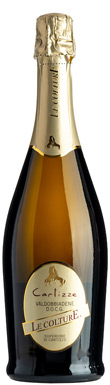

Referred to as the 'golden pentagon' due to the shape of the hill and the colour of the ripe grapes, Cartizze produces some of Prosecco's...
Le ColtureProsecco

Masottina, RDO, Prosecco, Conegliano-Valdobbiadene Superiore, Veneto, Italy, 2019
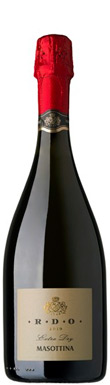
RDO stands for Rive di Ogliano. This Rive is a 1.2ha vineyard at an altitude of 150m, planted with 40- to 50-year-old vines bordered by...
2019
MasottinaProsecco
Villa Sandi, Millesimato, Prosecco, Conegliano-Valdobbiadene Superiore, Veneto, Italy, 2019
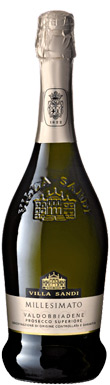
Villa Sandi are a leading producer of Prosecco Superiore. This example, sourced from various vineyards within the DOCG, has a floral nose with ripe orchard...
2019
Villa SandiProsecco
Mani Sagge, Audace, Prosecco, Conegliano-Valdobbiadene Superiore, Veneto, Italy, 2019
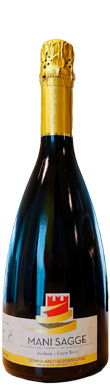
Sourced from a steep slope overlooking the town of Conegliano, close to the town's castle, this Prosecco Superiore undergoes the 'long charmat' method, leaving the...
2019
Mani SaggeProsecco
L'Antica Quercia, A, Prosecco, Conegliano-Valdobbiadene Superiore, Veneto, Italy, 2019
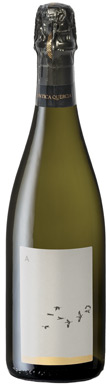
Located in the Scomigo hills north of Conegliano, this estate has been working organically since 2007. The 'sui lieviti' style (aged on the lees in...
2019
L'Antica QuerciaProsecco
Bortolin Angelo, Prosecco, Valdobbiadene Superiore di Cartizze, Veneto, Italy, 2019
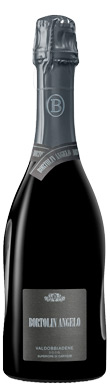
From the small Cartizze subzone within the DOCG, grown at an altitude of 250m above sea level. This Dry style packs 20g/L of residual sugar...
2019
Bortolin AngeloProsecco
Marsuret, Rive Di Guia, Prosecco, Conegliano-Valdobbiadene Superiore, Veneto, Italy, 2019
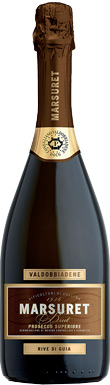
From the Rive of Guia in Valdobbiadene, this has a bright apple aroma with touches of white flower and peach. Quite tight and dry in...
2019
MarsuretProsecco
Val d'Oca, Rive Di Colbertaldo, Prosecco, Conegliano-Valdobbiadene Superiore, Veneto, Italy, 2019
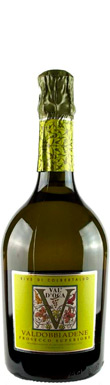
The Val d'Oca co-operative has produced this Extra-Dry wine from the Rive of Colbertaldo in Valdobbiadene. A gentle scent of slightly earthy apple leads to...
2019
Val d'OcaProsecco
Sanfeletto, Brut, Prosecco, Conegliano-Valdobbiadene Superiore, Veneto, Italy, 2019
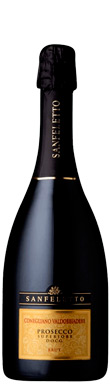
From the Feletto hills at 250-300 metres above sea level. This has a spiced apple nose and a round mouthfeel, with some steeliness and touch...
2019
SanfelettoProsecco
Bellenda, San Fermo, Prosecco, Conegliano-Valdobbiadene Superiore, Veneto, Italy, 2019
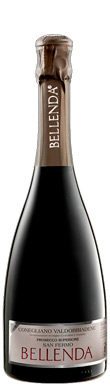
San Fermo is named after the church situated next to the vineyard, on a gentle rolling hill at 180 metres above sea level in Carpesica,...
2019
BellendaProsecco
