

Hungary has historically been called Central Europe’s pantry – not only for its highly individual wines, but also its flavoursome fruit and vegetables. Food and wine culture here have developed hand-in-hand for centuries.
But what is it that defines Hungary’s wines, and makes them such good food matches? It’s not just about pairing them with the richly spicy, hearty Hungarian dishes like paprikás or gulyás (goulash); their diverse character makes them great partners for many different cuisines from all over the world.
It’s all to do with the structure of Hungary’s wines, which are marked by a certain liveliness and vivid freshness, whether sweet or dry. This comes down to the combination of Hungary’s extraordinary array of local grapes and its widespread volcanic and limestone soils.
Perfect with Tokaji…
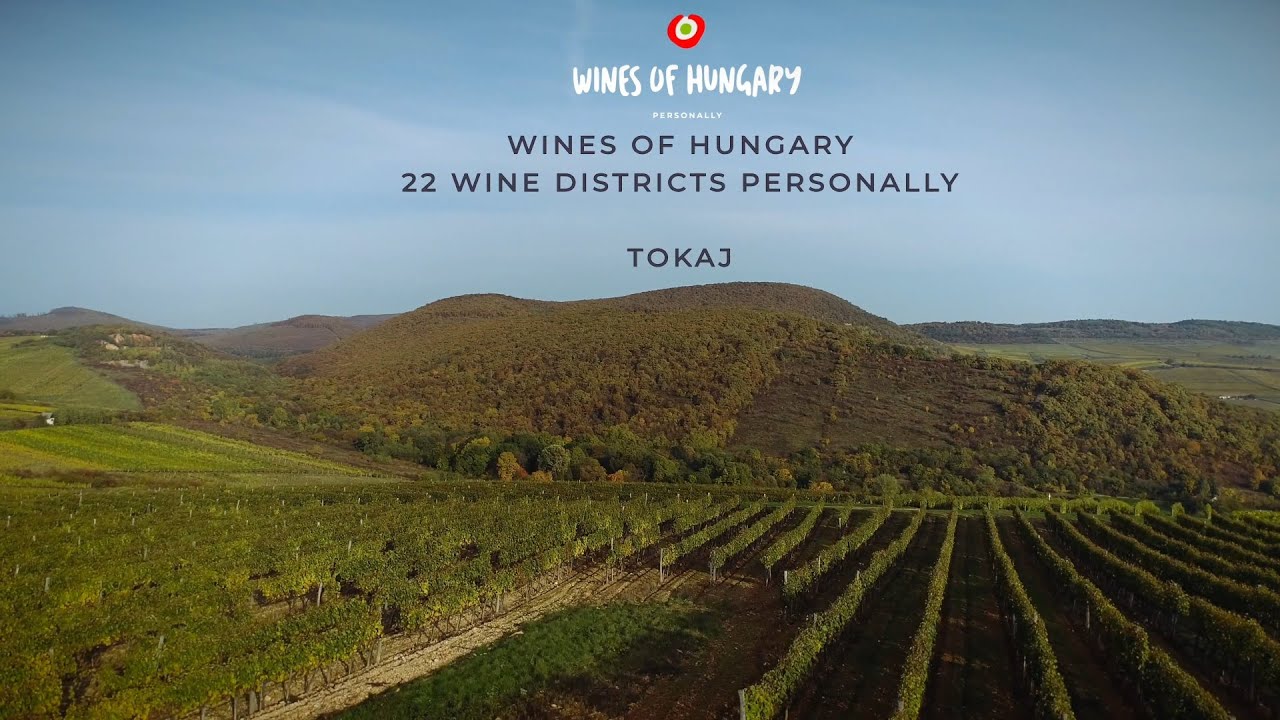
Hungary’s ace in the pack is none other than Tokaj. The sweet wines of this region are truly amazing, thanks to their wonderful balance of acidity, alcohol and sweetness, underlined by mineral notes.
In practice, this means the wines offer more than simply luscious sweetness, also bringing a distinct sensation of terroir on the finish, with the hallmark vibrant acidity providing balance and an overall elegance of character. It also means that sweet Tokaji wines deserve far greater gastronomic consideration than simply being consigned to the dessert trolley.
The crowning glory, Tokaji Aszú, is a perfect partner with goose or duck liver and pâté of all sorts; with mature and blue cheeses; even with hot and sour savoury oriental dishes. Richly spiced vegetarian dishes can also be a good pairing option – try some with a hot chana masala or Thai red-curried squash.
With its lighter sweetness, but still appetising freshness, a modern Szamorodni can be a winner to match with all sorts of meat dishes. Try it with a sticky barbecue pork rib or spicy harissa lamb shoulder, while for vegetarians, sticky sesame tofu or miso roast aubergine would be great matches.
We shouldn’t rule out desserts though, of course – they often have the same layers of flavour that feature in noble rot sweet wines, making them perfect partners. Complex and inviting notes of mango, dried apricot, ripe peach, nuts, citrus, figs, poached pears and quince are typical in the range of sweet Tokaji wines.
…and beyond
Elsewhere in Hungary, the riper but still lively whites of Eger or Somló can do justice to rich dishes based on fatty cuts of meat or creamy sauces. Lighter youthful styles can be perfect alongside trout, salmon or sea bass. The flagship Kékfrankos-based red blend, Bikavér (from either Eger or Szekszárd), is typically elegantly complex, and not too tannic. This can be wonderful with Hungary’s traditional stews, but also good with steak or wild mushrooms. A nice bottle of ripe Eger red can also be the perfect choice for a chocolate-based dessert if it is not too sweet.
Hungary’s most important indigenous black grapes, Kékfrankos and Kadarka, are generally acid-driven and fruity, often producing thrilling wines. Kadarka is light and graceful, giving well-defined, spicy, elegant wines. It’s often matched with paprika-seasoned dishes, but a roast lamb shoulder also provides perfect harmony, as do game birds such as pheasant and guinea fowl, especially served with cabbage topped with a good spoonful of sour cream. For vegetarians, try Puy lentils stewed in Kadarka.
A lawyer by training, Gabriella Mészáros is now a wine educator, writer, editor and publisher in Hungary. Her books include Terra Benedicta: Tokaj and Beyond (Akó, 2003) in English, and she publishes her work at www.meszarosgabriella.com
Find more on Hungary wines here

-
 Dalmatia: Where to enjoy the stillness of fjaka
Sponsored Content When Dalmatia slows down in the early afternoon, here are some perfect places to enjoy a little dreaminess.
-
 Why Eastern Slovenia is one of Central Europe's great unsung wine regions
Crisp whites and sensational sparkling from the heart of Central Europe...


-
 Azienda Agricola Cortese: Championing sustainability in the heart of Sicily
Sponsored Content Meet the winemakers using ancient techniques and sustainable practices to create fresh, modern interpretations of Sicilian varieties
-
 30 years of Vinistra: Where to now?
Sponsored Content Building on three decades of the Istrian wine producers’ association...
-
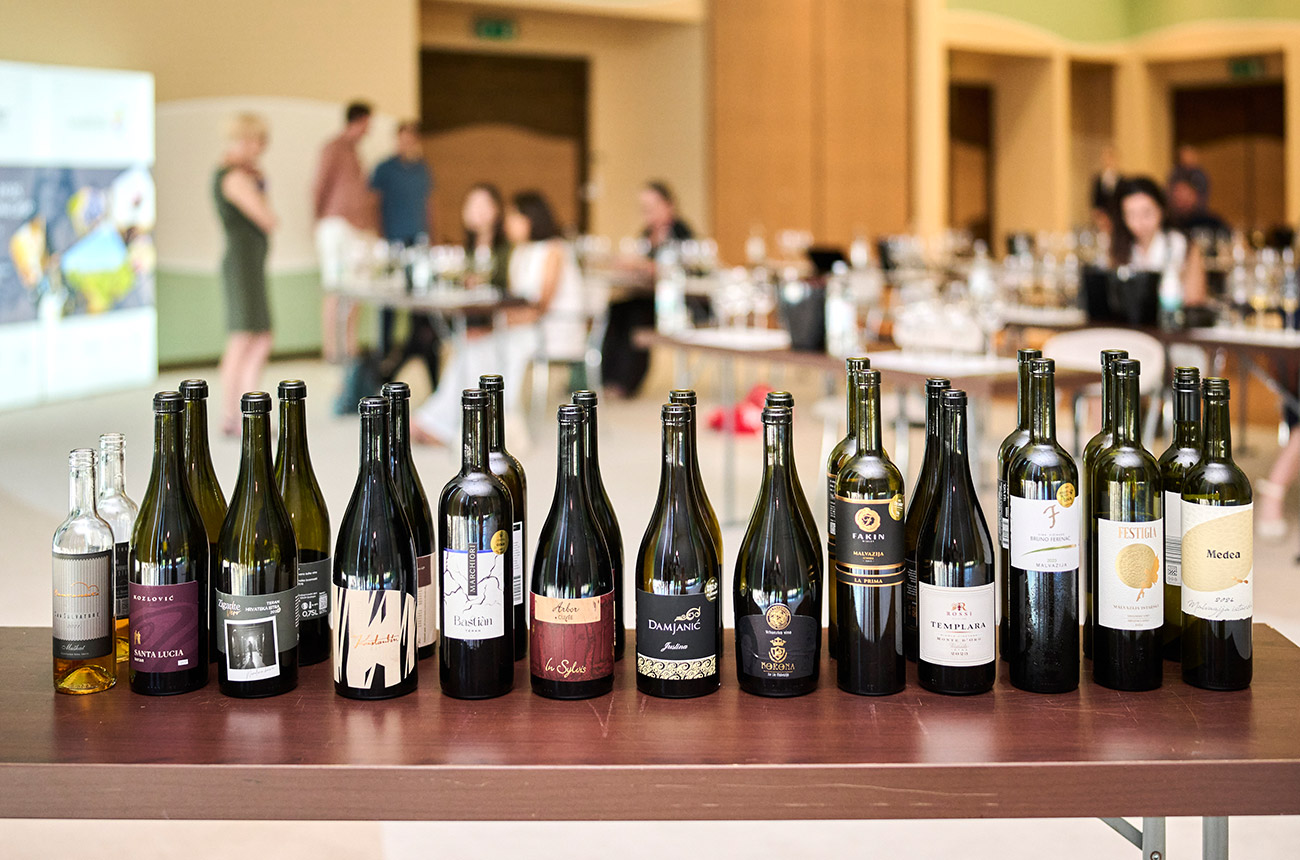 Istria’s hall of fame
Sponsored Content Top Istrian wines from the Decanter World Wine Awards...
-
 Understanding Istria’s soils
Sponsored Content Exploring how the region’s different soils shape the diversity of its wines...
-
 Decanter Winners’ Showcase 2025
Sponsored Content A celebration of Croatia’s award-winning wines hosted by Vinistra...
-
 Istria: Identity you can taste
Sponsored Content Wines with a distinctive identity, founded on a rich history, culture and terroir...
-
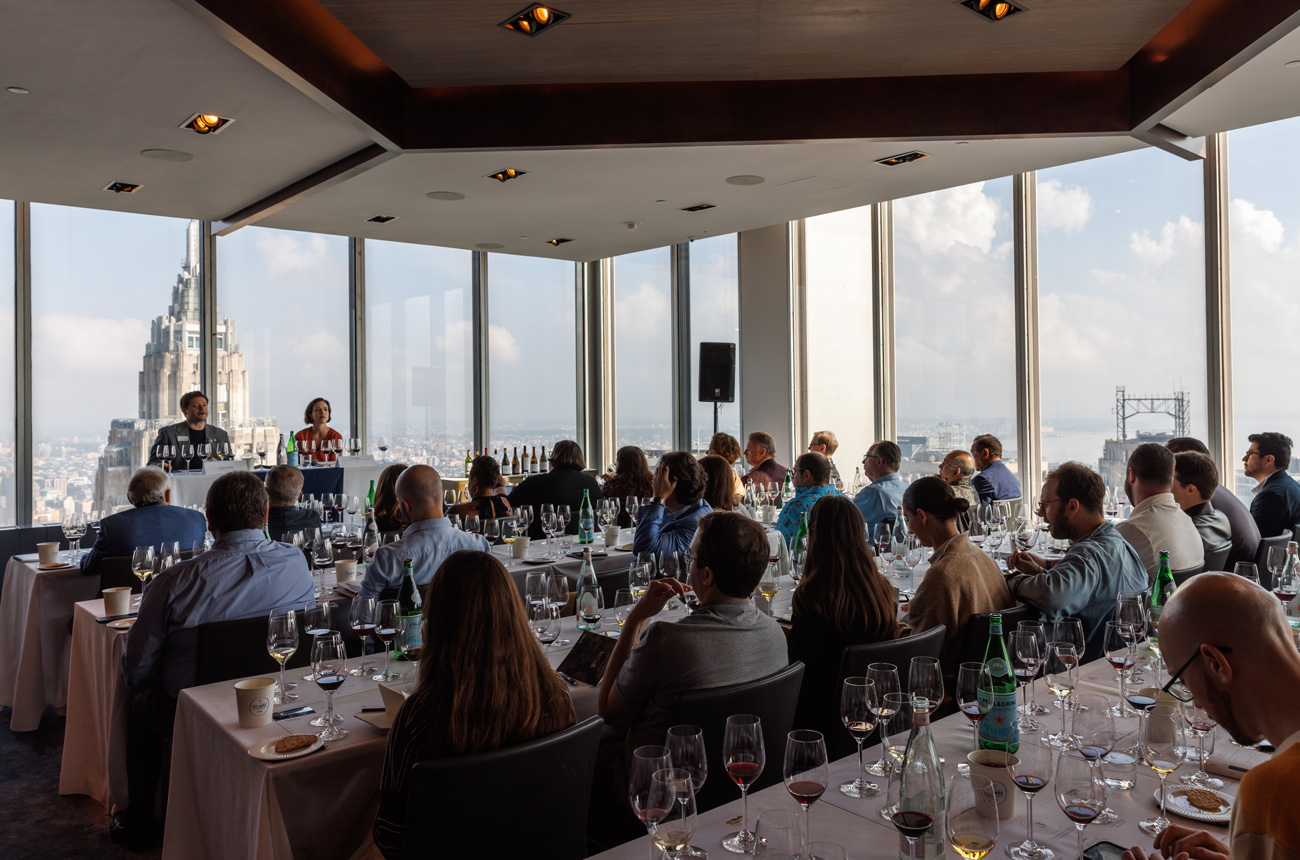 100 years of Rioja masterclass: DFWE New York 2025
A journey through the region's history, evolution and exciting future....
-
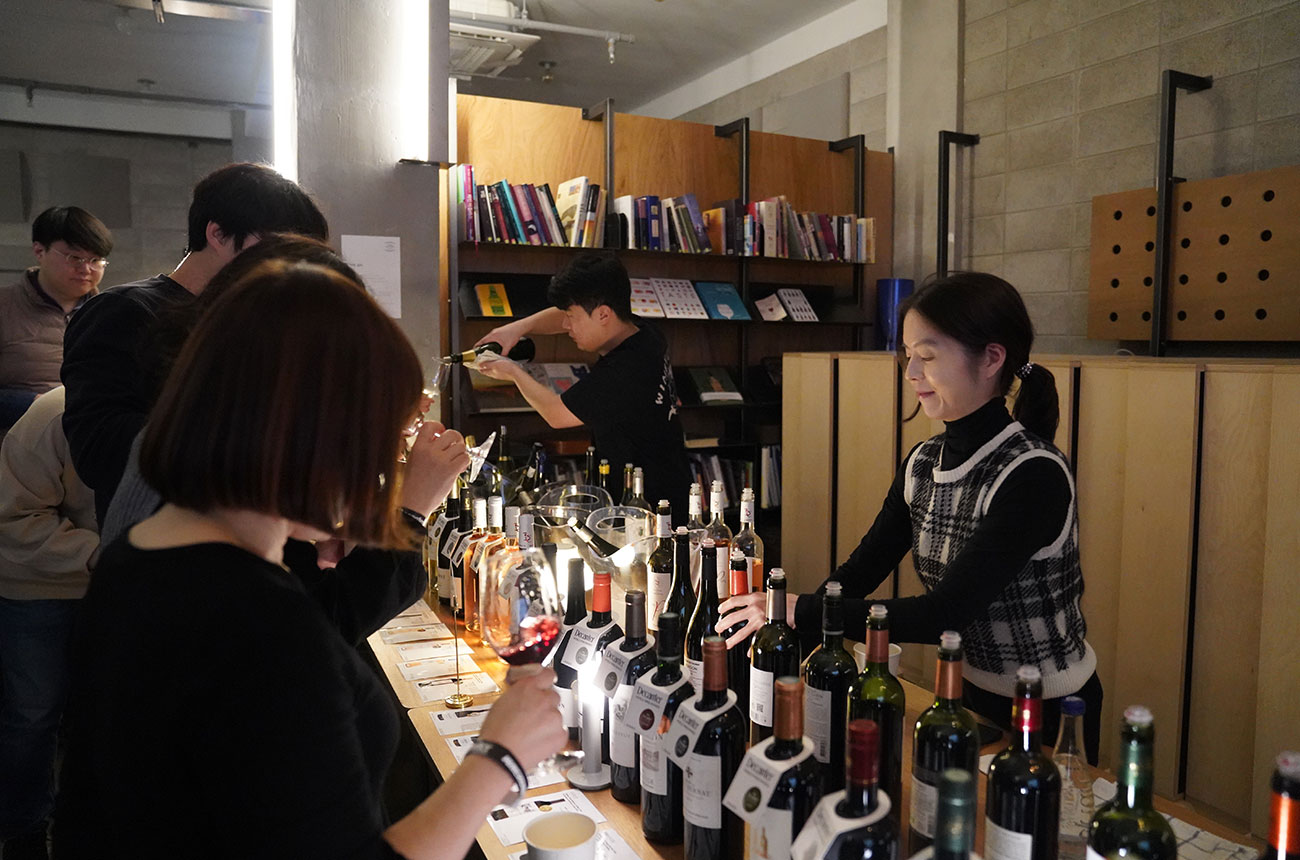 Showcasing Excellence: DWWA award-winners shine in South Korea
Seventy award-winning wines were unveiled to trade and wine enthusiasts in Seoul...


