Peak performance: The rise of high-altitude wine in South Africa
Inspired by a search for unique terroirs, winemakers in the Cape are planting higher vineyards and pushing the boundaries of viticulture in new mountainous regions. Malu Lambert investigates and recommends top wines to try.
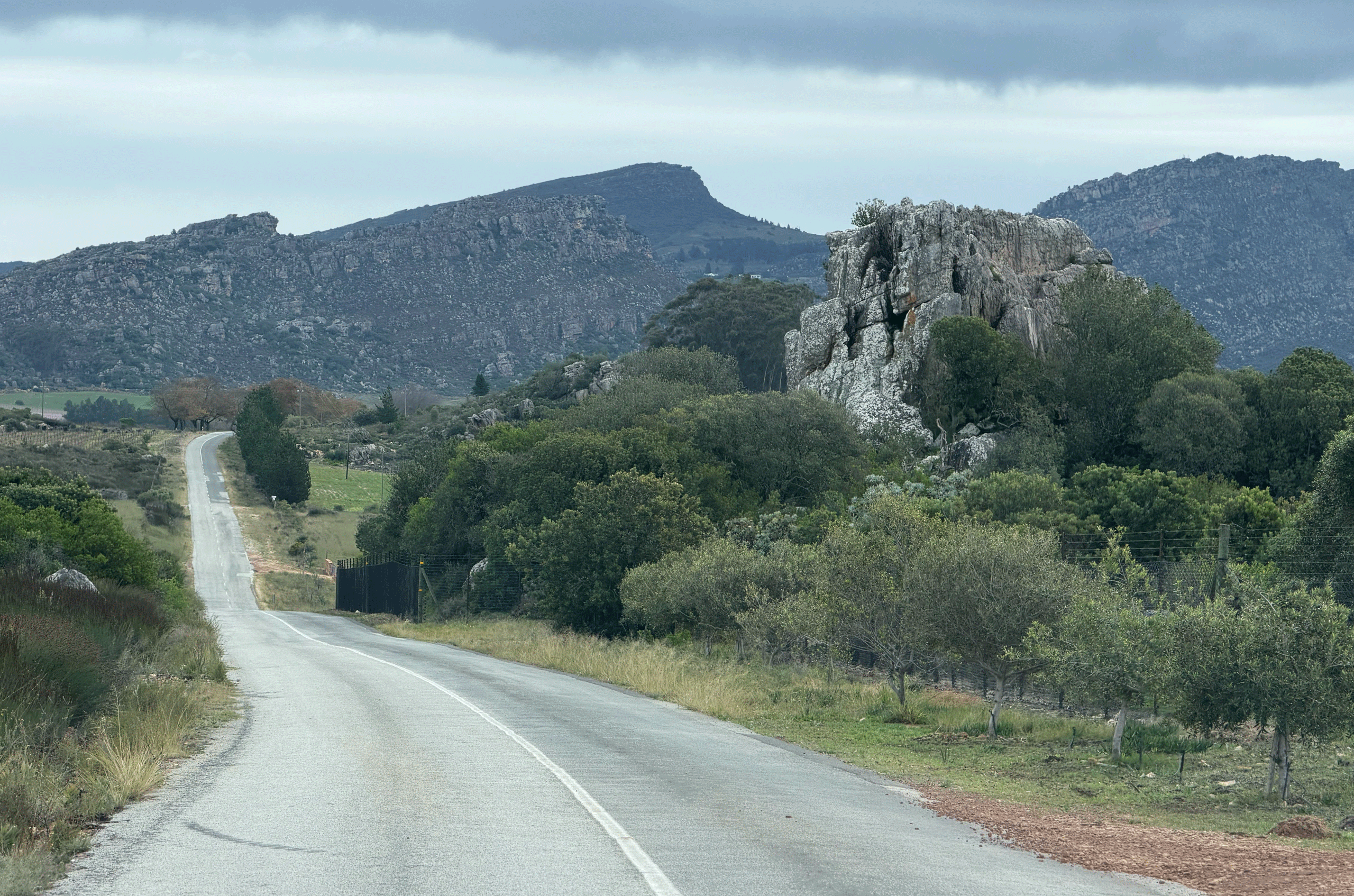
Welcome to the land of the red gods. The Cederberg is a mountain wilderness in the Western Cape, where Cape leopards roam among iron-stained sandstone, weathered over millennia into fantastical structures.
Elephants and buck are painted in ochre and clay, among thousands of such examples of San rock art. It’s also home to Cederberg Wines.
Beneath a gnarled, century-old vine, a table is set for lunch at the Nieuwoudt family' s ancestral farmhouse, where David and daughter, Emma welcome us.
The vineyards at 1,000m above sea level are spread out below, punctuated by ancient stone outcrops. At dusk, they glow orange.
This inspired the cellar’s facade; hand-cut bricks mirror the mountains, changing with the light. At night, the stars hang low.
Mountain poetry
David and Emma Nieuwoudt
The Nieuwoudts settled at Dwarsrivier in 1893, farming fruit, tobacco, vegetables and livestock. In 1997, David, then studying viticulture, told his father: ‘I think you’ve farmed the wrong produce for the last century.’
His father laughed, saying he’d heard that students went to Stellenbosch and became clever. Today, 74 of the 5,500ha are under vine.
Get our daily fine wine reviews, latest wine ratings, news and travel guides delivered straight to your inbox.
South African classic bobotie (a baked meat casserole topped with savoury custard) is served with the estate’s Five Generations Chenin Blanc 2024.
Adding to the mysticism, Emma points out her grazing horse. ‘His name is Midnight,’ she laughs. Born black, his coat has gradually turned white.
It’s an extreme landscape, snow in winter is common. The threat of black frost literally keeps the team up at night. Fans installed throughout the vineyards help mitigate this.
‘The biggest advantage of altitude is the long hang time,’ says David. Harvest stretches almost three months and an average 22°C degree difference between day and night.
As lunch comes to an end, he sums up his winemaking philosophy. ‘The wines will always be technically correct. I leave the poetry up to the mountains.’
A race to the top
An old bush vine Grenache vineyard in Piekenierskloof
The search for altitude is something vineyard consultant Rosa Kruger predicted. ‘I’ve been telling people for the last 15 years: “Plant higher.”’
She remembers standing among the old vines of the Skurfberg – an unofficial satellite ward in Citrusdal Mountains – and being struck by the combination of elevation and maritime influence.
Afternoon mist and wind were arriving from the West Coast, ‘cooling the vineyard down and hydrating it’.
In its official ward, high-altitude bush-vine farming has been going on in the Piekenierskloof for decades, if not centuries.
Many of the older vineyards at roughly 620-750m are dry-farmed and ungrafted. Grenache is the star, some vines are so old they stand as tall as a person, earning them the nickname booms, meaning ‘trees’.
Chenin Blanc is something Chris Alheit has made a devotion of. Some of his most important wines are from the Skurfberg, including Magnetic North at 540m. Rosa offered him a few rows of vines in 2011.
‘I said yes before she’d even finished her proposal,’ remembers Alheit. ‘And those first wines were just wonderful. It’s very difficult to make bad wine from that place.’
While the Skurfberg was something of a re-discovery, Rosa continues to prospect for new vertiginous potential. Just outside Ceres, a current project of hers is in the lofty Koue Bokkeveld.
Using satellite mapping, she’s implementing ‘hydrological keyline design’ to capture and direct rainwater; she considers water the most important factor when planting a vineyard.
Taking the temperature
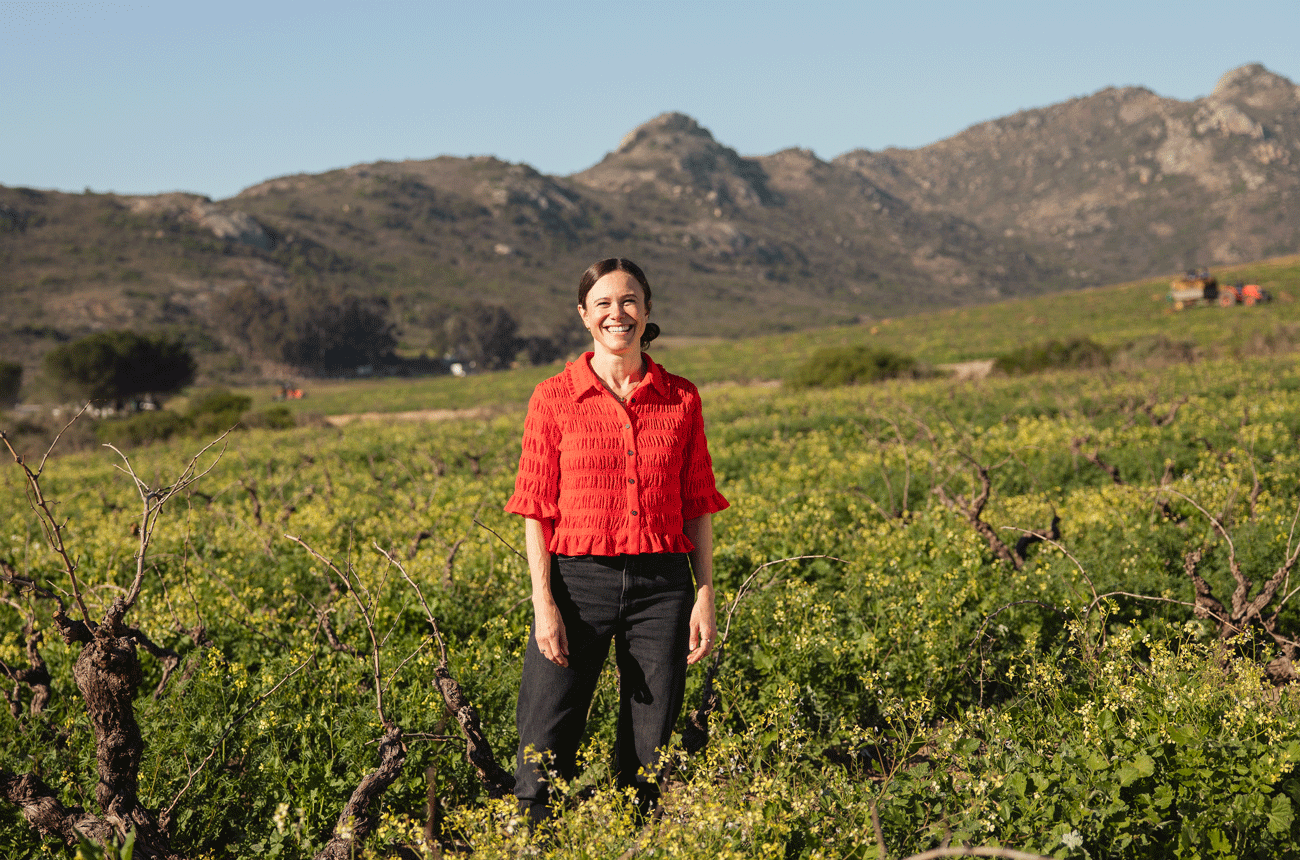
Dr Tara Southey of TerraClim
Rosa is one of the many viticulturists that climate scientist Dr Tara Southey works with. TerraClim, her climate and terrain mapping platform, uses data to interpret vineyard conditions.
‘Higher sites generally experience cooler summer maximums and dramatically fewer hours of extreme heat, potentially delaying ripening and preserving acidity and freshness,’ explains Southey.
But elevation doesn’t necessarily mean a greater diurnal swing. ‘Geography and continentality matter more,’ she says. Inland Ceres and Piekenierskloof typically record daily summer diurnal ranges of 13-15°C, compared with roughly 10°C in maritime Banghoek.
‘Two vineyards at the same elevation can behave very differently,’ notes Southey.
TerraClim’s research shows that on the Ceres Plateau, at 960-1,060m, winter temperatures fall consistently with elevation.
Meanwhile stronger UV and direct solar radiation create what Southey calls the paradox of ‘cooler air but stronger radiation’.
Pieter Walser of BLANKbottle Winery has a real-time anecdote of this effect. Entering the snow-covered pass with his team one winter, with temperatures at -5°C, he recalls: ‘We were soon in T-shirts because the sunlight was so intense.’
Aiming high
Rosa Kruger
‘If you really want to push the limits, plant in Sutherland.’
This from Rosa, whom winemaker Johan Kruger persuaded to visit the Mount Sutherland vineyard at 1,500m on the Roggeveld plateau in the Karoo region of the Northern Cape.
Convinced, she subsequently planted Chardonnay and Pinot Noir for the Rogge Cloof brand even higher at 1,516m.
‘Sutherland is a different world,’ says Rosa. ‘There is snow in winter, and vines must be pruned late to try to escape frost. The site is remote, the soils are brackish, and porcupines and dassies eat the vines.’
Farther north is Bertie and Alette Coetzee’s Lowerland farm in Prieska. At 1,000m, vines grow in Kalahari red sand over limestone. Lukas van Loggerenberg makes the wines.
The farm is regenerative; kudus wander about helping to ‘prune’, while pigs, Bonsmara cattle and sheep graze beneath the vines.
Aiming even higher still, Mile High Vineyards grows grapes at 1,690m in the Eastern Free State, within sight of Lesotho’s peaks.
Higher purpose
Delaire Graff Estate's Stellenbosch vineyards and the Simonsberg Mountain
The potential for high altitude viticulture is writ large in established wine-growing areas too, such as Stellenbosch and the Swartland.
The wards of Banghoek and Simonsberg-Stellenbosch, as well as Simonsberg-Paarl, have the potential to plant up to 700m.
Then there’s the newly rubber-stamped Piket-Bo-Berg Wine of Origin (WO) in the Northern Swartland, with slopes rising to 785m.
Admittedly, as TerraClim’s data shows, elevation is only one part of the story. Temperature, aspect, sunlight, water, wind and soil complete the picture.
But going higher could be the answer to finding places where these factors align.
Luckily, some of the country’s best wine minds are asking the right questions, Rosa Kruger and Tara Southey among them.
David Nieuwoudt’s Cederberg dream wasn’t so crazy after all. It’s a good thing he grubbed up those apples.
Prospecting potential

These are the areas, approximately north to east, where South African producers are seeking new heights:
- Simonsberg, Stellenbosch
- Banghoek, Stellenbosch
- Piket-Bo-Berg, Swartland
- Piekenierskloof, Citrusdal Mountain
- Cederberg
- Ceres, Ceres Plateau
- Sutherland-Karoo
- Prieska
- Eastern Free State
10 High altitude South African wines to try
The wine world has a new grape: South Africa's Sémillon Gris

Best Cap Classique: 12 value sparkling wines to seek out

‘It has been a defining decade for the Cape’s wine industry and the next 10 years are even more exciting’
Alheit Vineyards, Magnetic North, Piekenierskloof, Citrusdal Mountain, Olifants River, South Africa, 2025
From two old, dry-farmed, ungrafted blocks growing on ridge at 520m. Whispers of sea-shells, white peach, pear, lemon, rainwater-honey and blossom. The palate is more...
2025
Olifants RiverSouth Africa
Alheit VineyardsPiekenierskloof, Citrusdal Mountain
Cederberg Private Cellar, Five Generations Chenin Blanc, Ceres Plateau, South Africa, 2024
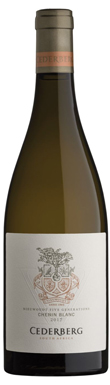
Whole-bunch pressed with a long, wild ferment in French oak and concrete egg (40-60 days). Aromatics of white ginger flowers, beeswax, earth-and-iron and ripe orange....
2024
Ceres PlateauSouth Africa
Cederberg Private Cellar
Capensis, Fijnbosch Chardonnay, Banghoek, Stellenbosch, South Africa, 2022
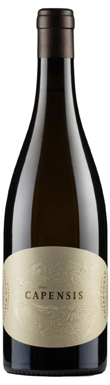
From the highest Chardonnay vineyard in Stellenbosch at 600m. Crushed rocks, kumquat-citrus (a hallmark of this site), hints of vanilla and toast, an undertow of...
2022
StellenboschSouth Africa
CapensisBanghoek
Kruger Family Wines, Karoo Chardonnay, Sutherland-Karoo, Northern Cape, South Africa, 2025
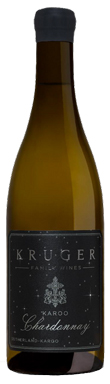
From grapes grown on the Roggeveld escarpment at 1,500m. 'This is the realisation of my dream to make wine in a place where, at night,...
2025
Northern CapeSouth Africa
Kruger Family WinesSutherland-Karoo
Dan Colombo, Agape Palomino, Piekenierskloof, Citrusdal Mountain, Olifants River, South Africa, 2025
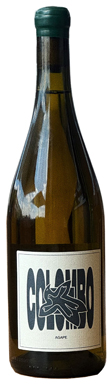
Palomino, that neutral Sherry grape, has found a special home in South Africa. Once widely planted for brandy and fortifieds, there are some surviving special...
2025
Olifants RiverSouth Africa
Dan ColomboPiekenierskloof, Citrusdal Mountain
Rall Wines, Ceres Plateau Syrah, Ceres Plateau, South Africa, 2025
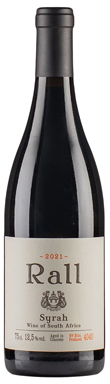
Red-fruited lambent intensity from 100% whole bunch vini. Sour cherries, num-nums fruit, red apple crunch. Vivid and bright with undertones of mountain scrub and milkwoods....
2025
Ceres PlateauSouth Africa
Rall Wines
Alinea Wines, Grenache, Piekenierskloof, Citrusdal Mountain, Olifants River, South Africa, 2025
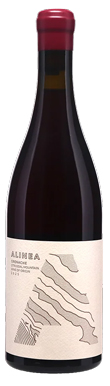
Rising-star Natasha Jacka stuns with this driven expression from vines rooted on sandstone at 750m. 60% whole bunches were crushed underfoot and wild fermented. Run...
2025
Olifants RiverSouth Africa
Alinea WinesPiekenierskloof, Citrusdal Mountain
Swartberg Wingerde, Sangiro Pinotage, Piekenierskloof, Citrusdal Mountain, Olifants River, South Africa, 2023
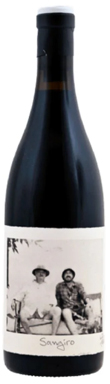
Elegant drive defines this Pinotage grown at 700m. The photogravure label depicts winemaker Rudiger Gretschel and Jurgens Hanekom, who he bought the farm from. Lacy...
2023
Olifants RiverSouth Africa
Swartberg WingerdePiekenierskloof, Citrusdal Mountain
Lowerland Wines, Tolbos Tannat, Prieska, Northern Cape, South Africa, 2024
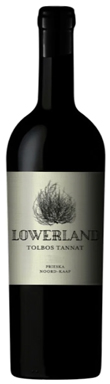
Single-vineyard organic Tannat. Made by Lukas van Loggerenberg, it’s evocatively scented with black tea, jasmine and rhubarb. Dark, velvety fruit on the palate: plums, blackberries...
2024
Northern CapeSouth Africa
Lowerland WinesPrieska
Vino pH, Pinot Noir, Ceres Plateau, South Africa, 2025
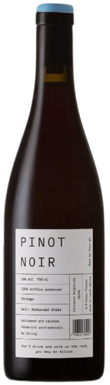
Hanneke Krüger has left AA Badenhorst Wines to concentrate on her own label. Alluring freshness and density from grapes grown on Koue Bokkeveld shale at...
2025
Ceres PlateauSouth Africa
Vino pH
Alheit Vineyards, Magnetic North, Piekenierskloof, Citrusdal Mountain, Olifants River, South Africa, 2025

From two old, dry-farmed, ungrafted blocks growing on ridge at 520m. Whispers of sea-shells, white peach, pear, lemon, rainwater-honey and blossom. The palate is more...
2025
Olifants RiverSouth Africa
Alheit VineyardsPiekenierskloof, Citrusdal Mountain
Cederberg Private Cellar, Five Generations Chenin Blanc, Ceres Plateau, South Africa, 2024

Whole-bunch pressed with a long, wild ferment in French oak and concrete egg (40-60 days). Aromatics of white ginger flowers, beeswax, earth-and-iron and ripe orange....
2024
Ceres PlateauSouth Africa
Cederberg Private Cellar
Capensis, Fijnbosch Chardonnay, Banghoek, Stellenbosch, South Africa, 2022

From the highest Chardonnay vineyard in Stellenbosch at 600m. Crushed rocks, kumquat-citrus (a hallmark of this site), hints of vanilla and toast, an undertow of...
2022
StellenboschSouth Africa
CapensisBanghoek
Kruger Family Wines, Karoo Chardonnay, Sutherland-Karoo, Northern Cape, South Africa, 2025

From grapes grown on the Roggeveld escarpment at 1,500m. 'This is the realisation of my dream to make wine in a place where, at night,...
2025
Northern CapeSouth Africa
Kruger Family WinesSutherland-Karoo
Dan Colombo, Agape Palomino, Piekenierskloof, Citrusdal Mountain, Olifants River, South Africa, 2025

Palomino, that neutral Sherry grape, has found a special home in South Africa. Once widely planted for brandy and fortifieds, there are some surviving special...
2025
Olifants RiverSouth Africa
Dan ColomboPiekenierskloof, Citrusdal Mountain
Rall Wines, Ceres Plateau Syrah, Ceres Plateau, South Africa, 2025

Red-fruited lambent intensity from 100% whole bunch vini. Sour cherries, num-nums fruit, red apple crunch. Vivid and bright with undertones of mountain scrub and milkwoods....
2025
Ceres PlateauSouth Africa
Rall Wines
Alinea Wines, Grenache, Piekenierskloof, Citrusdal Mountain, Olifants River, South Africa, 2025

Rising-star Natasha Jacka stuns with this driven expression from vines rooted on sandstone at 750m. 60% whole bunches were crushed underfoot and wild fermented. Run...
2025
Olifants RiverSouth Africa
Alinea WinesPiekenierskloof, Citrusdal Mountain
Swartberg Wingerde, Sangiro Pinotage, Piekenierskloof, Citrusdal Mountain, Olifants River, South Africa, 2023

Elegant drive defines this Pinotage grown at 700m. The photogravure label depicts winemaker Rudiger Gretschel and Jurgens Hanekom, who he bought the farm from. Lacy...
2023
Olifants RiverSouth Africa
Swartberg WingerdePiekenierskloof, Citrusdal Mountain
Lowerland Wines, Tolbos Tannat, Prieska, Northern Cape, South Africa, 2024

Single-vineyard organic Tannat. Made by Lukas van Loggerenberg, it’s evocatively scented with black tea, jasmine and rhubarb. Dark, velvety fruit on the palate: plums, blackberries...
2024
Northern CapeSouth Africa
Lowerland WinesPrieska
Vino pH, Pinot Noir, Ceres Plateau, South Africa, 2025

Hanneke Krüger has left AA Badenhorst Wines to concentrate on her own label. Alluring freshness and density from grapes grown on Koue Bokkeveld shale at...
2025
Ceres PlateauSouth Africa
Vino pH
Malu Lambert DipWSET is a multi-award winning wine writer and critic, based in South Africa.