

Castello Monaci is a leading winery in the heart of Puglia’s Salento area, the tip of the so-called ‘heel of Italy’s boot’. Founded in 1970, this landmark estate – centred around a castle-like masseria also hosting exclusive events – spans 210ha across three distinct terroirs, each contributing to the complexity and authenticity of its wines.
Distinctive expression of Salento’s terroir
Deeply rooted in Salento's traditions, Castello Monaci combines classic winemaking wisdom with advanced vineyard management and state-of-the-art cellar technology, allowing each wine to faithfully express its terroir while maintaining outstanding quality and consistency.
Among its portfolio, Primitivo occupies a central role. Yet the goal isn’t just to craft high quality expressions but also to offer a contemporary take on the variety, highlighting a finesse and versatility that is frequently traded for sheer power.
These efforts are in line with a broader shift in Salento, spearheading a radical change in its overall perception. ‘There’s a new generation of producers seeking greater balance. They’re working meticulously with old vines, in some cases harvesting earlier to preserve brighter acidity, and using oak with greater care. Overall, there’s much more precision in winemaking than in the past’ affirms Luigi Seracca, fourth-generation representative of the family that founded the estate, now part of Gruppo Italiano Vini (GIV).
‘There’s a new generation of producers seeking greater balance.’
Luigi Seracca
Castello Monaci’s core offerings
Through Pilùna, the winery offers a vibrant and approachable interpretation of the variety. ‘It originates from younger vines, and winemaking is fine-tuned to preserve Primitivo’s typically luscious aromas of Amarena cherry, plum, and spice.' explains Seracca.
Artas represents the highest expression of Primitivo, produced from low-yielding vineyards and aged in oak for 18 months to achieve exceptional complexity and longevity. As Serraca remarks, 'the fruit turns darker and deeper and notions of licorice, cocoa, tobacco and tangy spice join the scene. Richer and more structured, the tannins are mighty yet seamless, underpinning an exceptionally long finish.’
'I would say that Pilùna embodies conviviality, while Artas enhances conversation: the first is the wine you gladly uncork when gathering around the table; the second naturally invites you to relax and savour it slowly, discovering how it evolves in the glass and over the years,' he adds.

Pilùna: a vibrant and approachable interpretation of Primitivo.
Beyond Primitivo, Kreos Rosato showcases another important side of Salento's wine culture, proving that the other flagship grape, Negroamaro, can produce refined, gastronomic rosés with freshness, elegance, and a clear Mediterranean allure.
'When we first started producing it in the early 2000s, rosé in Puglia was often considered a simple wine, mostly suited for summer. We changed this preconception, treating it as a serious wine, relying exclusively on Negroamaro and focusing on delicacy through gentle pressing, low-temperature fermentations, and extended aging on the lees' concludes Seracca.
Sporting a delicate, almost blush-pink colour, it bursts with aromas of peach, pomegranate, subtle Mediterranean spice, and a light hint of almond that carries through to the palate. Fresh and delicate, yet also full of character, it reaffirms Castello Monaci’s ability to showcase a forward-thinking attitude while remaining entrenched within Salento’s history and heritage.
Discover more about Castello di Monaci
Connect on Facebook | Instagram



-
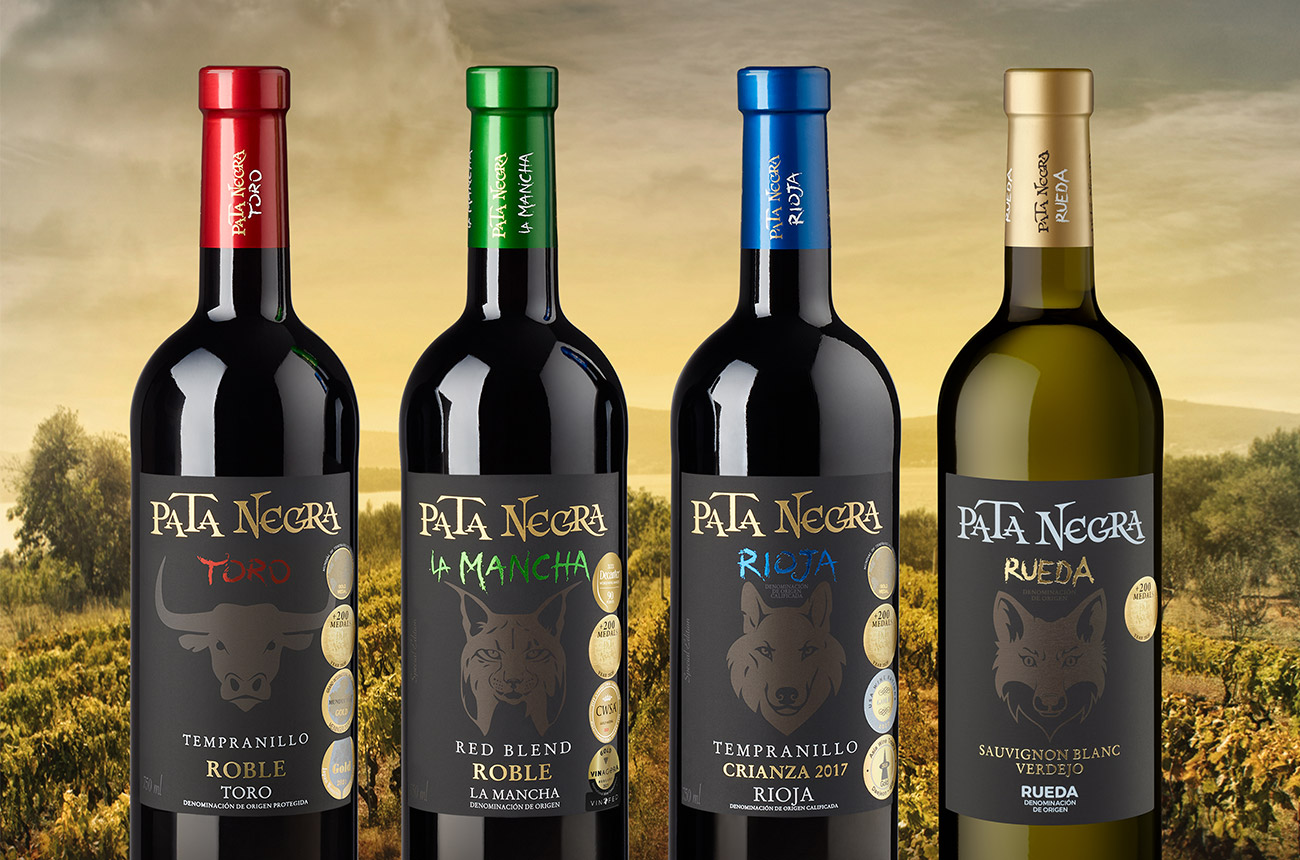 Setting the standard for Spanish wine: Pata Negra Fauna
Sponsored A journey through Spain's wine regions...
-
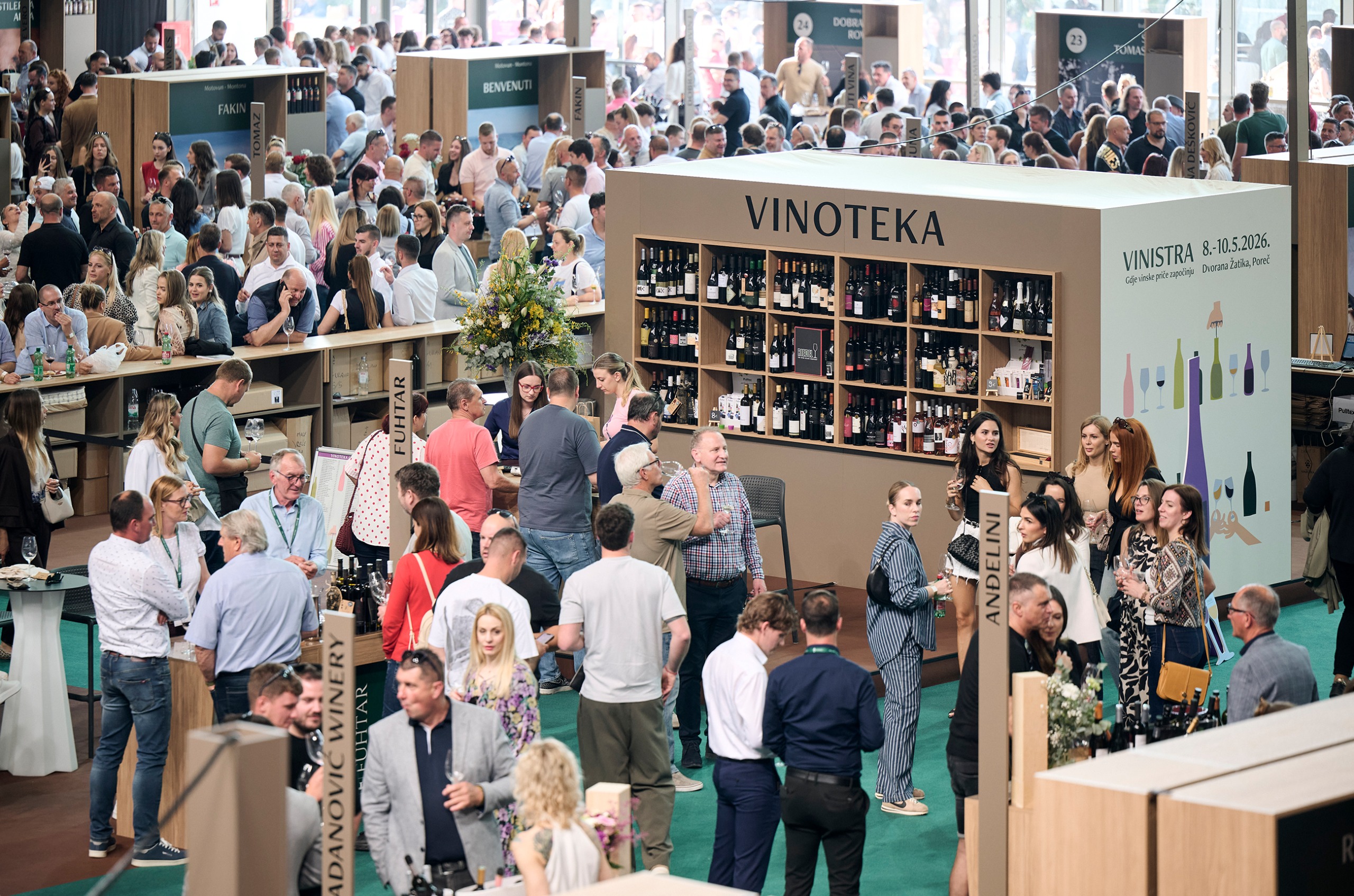 Istria: A bright future for Vinistra
Sponsored Showing Istria's diversity and quality...
-
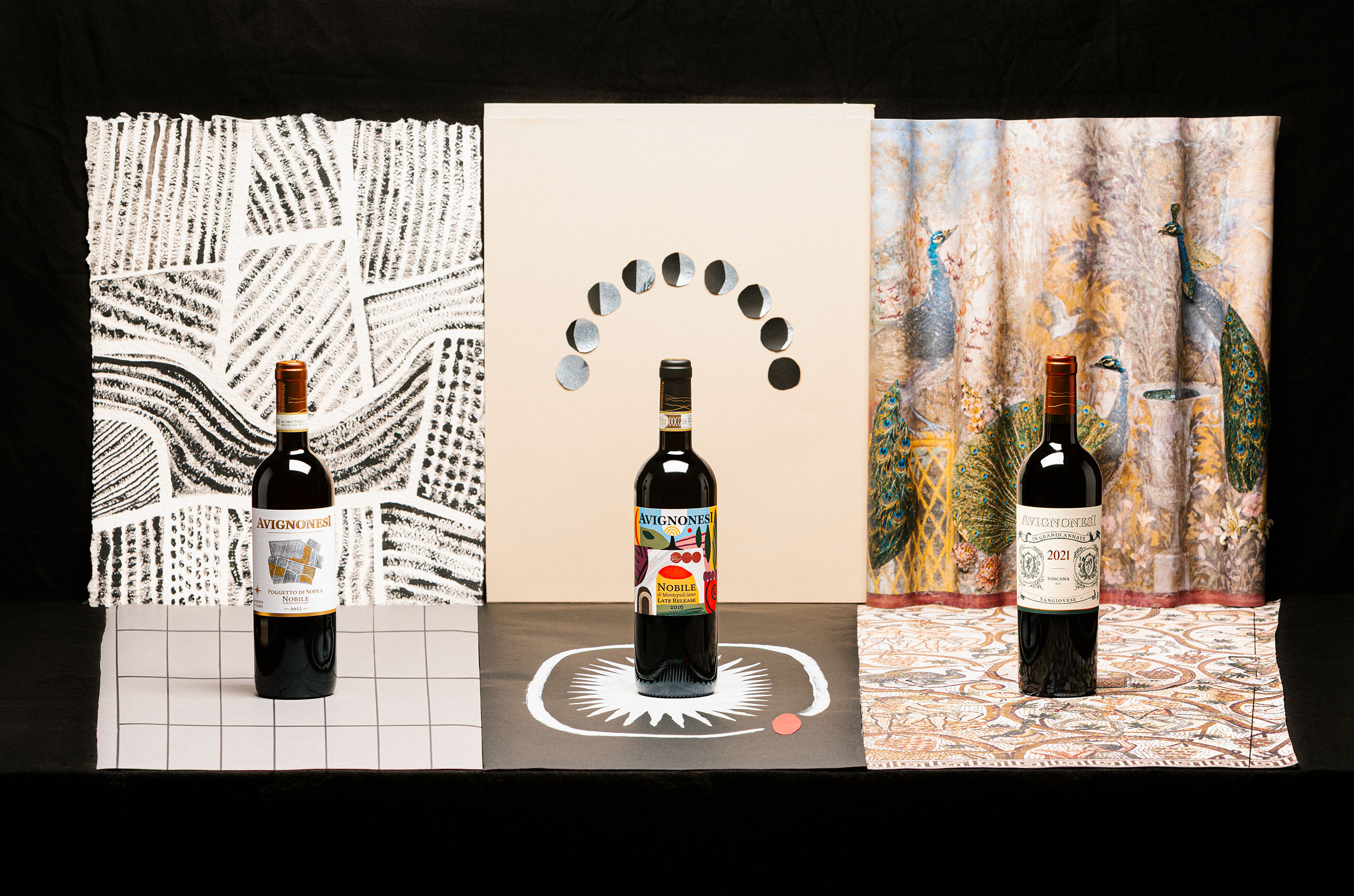 Avignonesi: The soul of Sangiovese
Sponsored Storied expressions of Tuscany’s most famous grape...
-
 Alto Adige: Where diversity meets quality
Sponsored A hidden gem...
-
 Gualtallary Wines: A Mendoza winery with an international vision
Sponsored Excellence at high altitude...
-
 Casa Real 2023: A South American icon
Sponsored A renowned Cabernet Sauvignon...
-
 Critical acclaim for Condado de Haza
Sponsored A coveted medal...
-
 The life and soul of Istrian winemaking
Sponsored The region's flagship grapes...


