

More and more grape varietals are now stepping into the limelight, reflecting the increasing curiosity of drinkers – particularly younger wine lovers in search of something new. Sometimes these varietals are rare, hard to identify and, often, shockingly hard to pronounce. Bobal, on the contrary, has a secure birthright, extensive plantings and, of course, a friendly name!
The name (pronounced ‘bow-bal’) comes from the Latin, ‘bovale’ meaning ‘in the shape of a bull’s head’. This reflects the fact that the Bobal grape cluster is tightly packed in a very distinctive shape, which could indeed be said to look similar to a bovine head.
Monastrell and Garnacha are also planted in this part of Spain, but the former can be fiercely tannic and ponderous, while the latter can make wines that are low in acidity and somewhat high in alcohol. Bobal avoids such perils: its acidity robust and refreshing; its structure powerful for sure, yet never too heavy or too heady. Instead its fine, crisp acidity and relatively low pH help to create age-worthy, complex wines.
In Utiel-Requena Bobal has a long and distinguished history; amphorae and limestone lagares from as far back as the 7th century BCE bear witness to its origins. In more recent history, there was a tendency to fashion robust and undistinguished ‘doble pasta’ styles of Bobal. Literally meaning ‘double pulp’, this referred to the practice of adding extra grape skins and pulp to fermenting grape juice. This was superseded by a strong bulk wine market and it is only relatively recently, that a true recognition of the varietal’s inherent value and undoubted appeal have emerged.
In Utiel-Requena Bobal makes up over 70% of plantings; impressively 55% of those vines are over 40 years of age. Tempranillo, Syrah, Merlot, Cabernet Sauvignon and Garnacha are all present too, but they play second fiddle to Bobal, which, by some distance, is the king here.
Discovering the wines themselves makes it easy to understand why this is the case. The grape is resistant to drought and mildew (oidium and mildium in this region) and its thick skin and deep colour ensure impressive levels of anthocyanins and tannins alike.
The resulting wine is high in resveratrol, a natural antioxidant, and, equally importantly, has a genuinely attractive fruit character; raspberry, black cherry and blueberry to the fore, with a luxuriantly silky mouthfeel and discretely persuasive yet perfectly ripe tannins. Distinctly Iberian, for sure, but with a twist of acidity to refresh and ensure a potential to age.
Spain’s second most-planted red varietal is a gem and deserves greater recognition on the international stage.

-
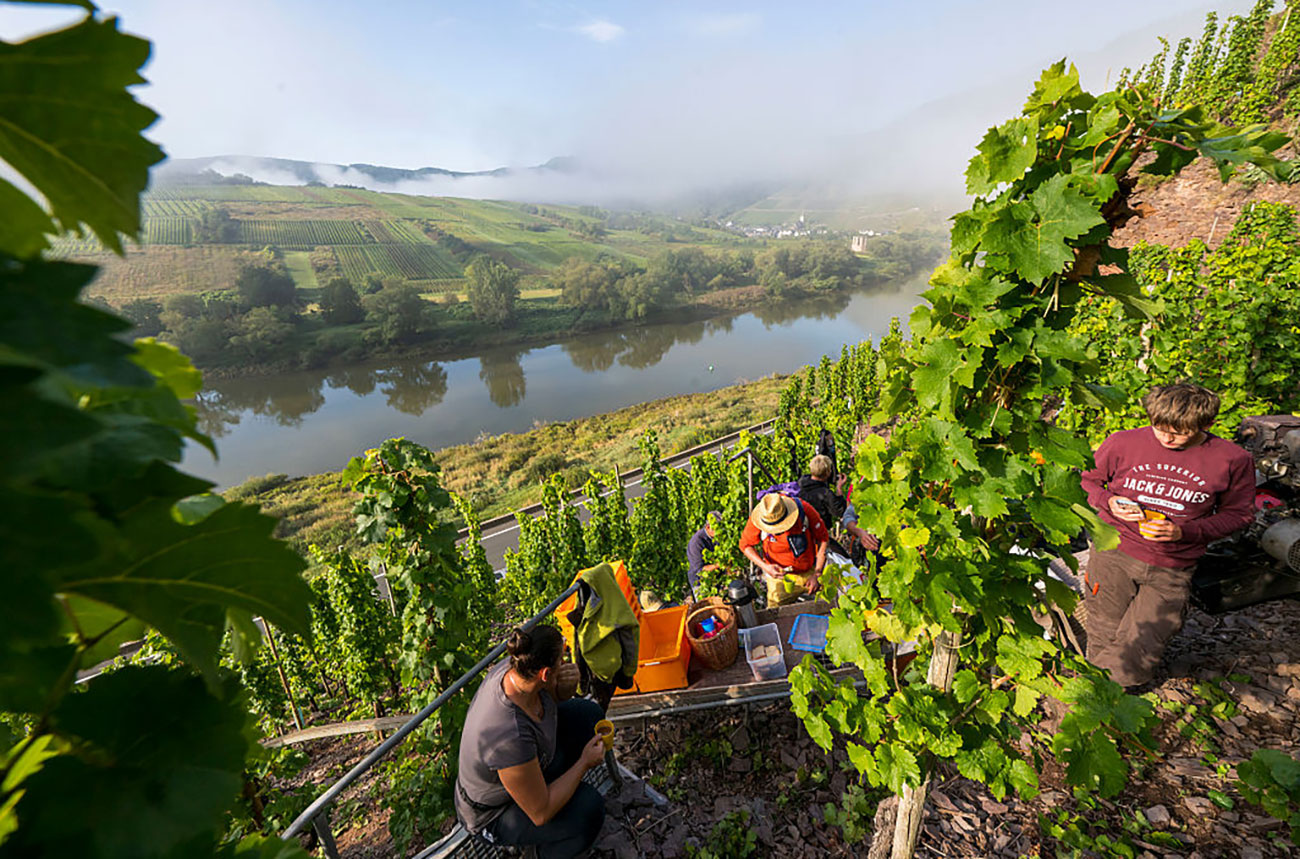 Riesling wine quiz: Test your knowledge
Can you get a perfect score?...
-
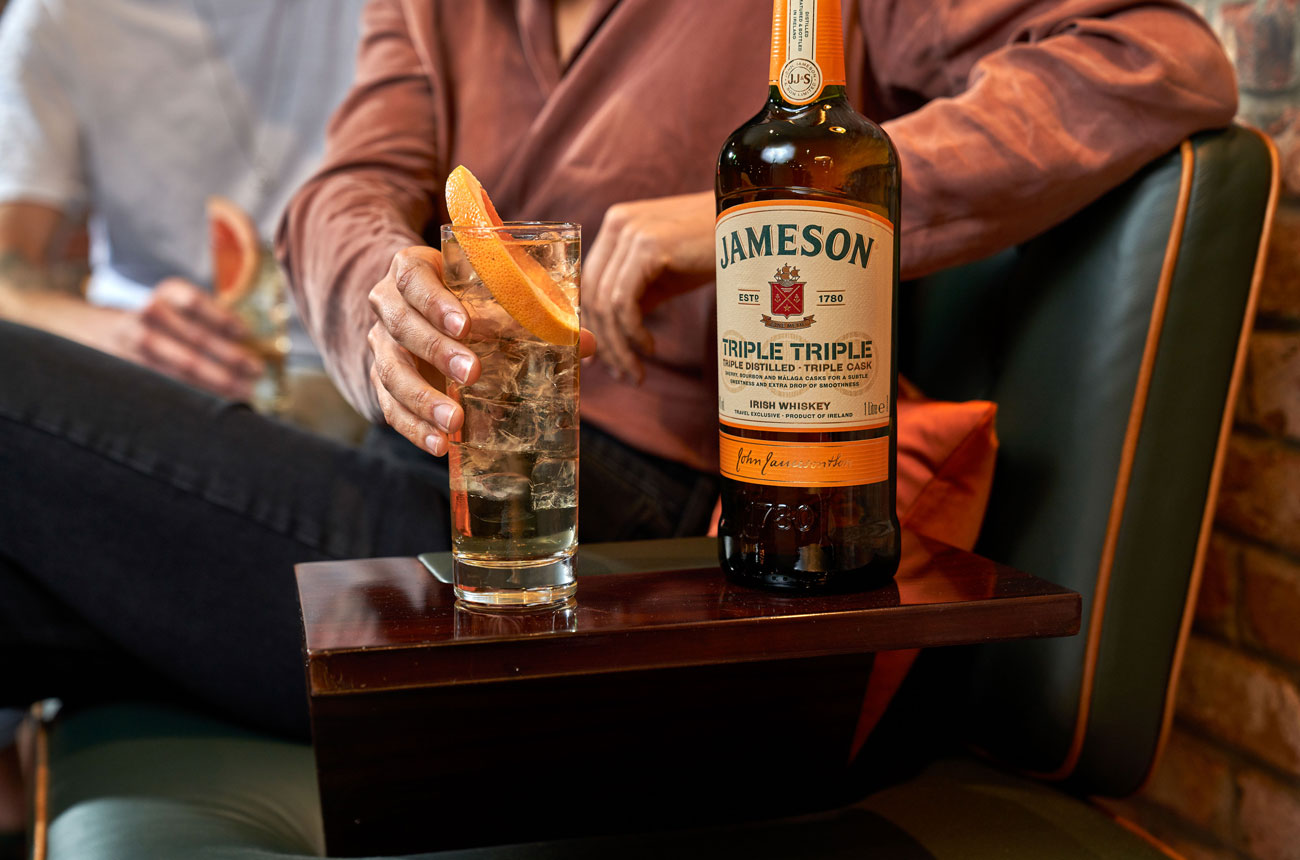 Why Irish whiskey loves sweet and fortified wine casks
Barrels used to age Marsala, Madeira and Sauternes have a special affinity with triple-distilled Irish whiskeys, thanks to a combination of history and distilling. This St Patrick’s Day, explore the sweeter side of drams from the Emerald Isle, with six great bottles to try.


-
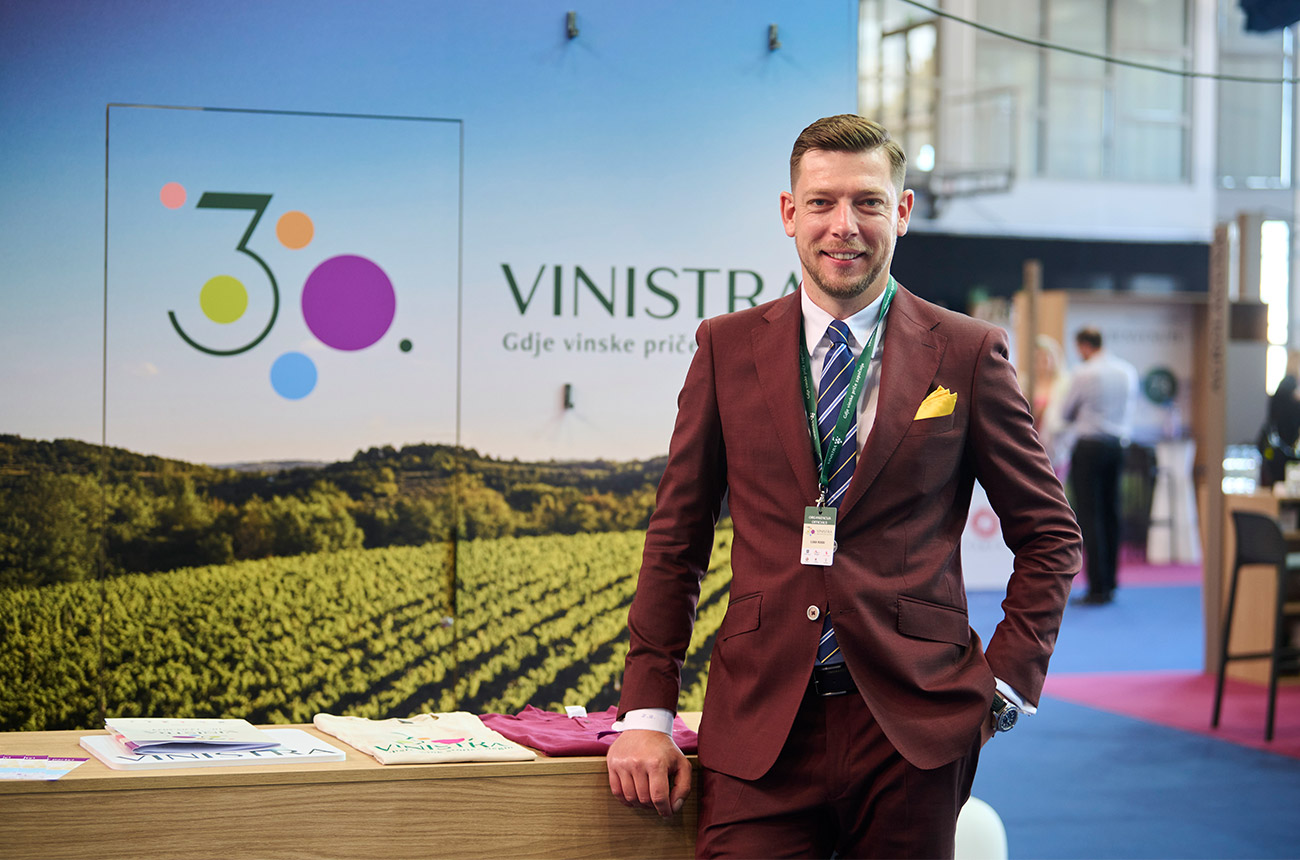 30 years of Vinistra: Where to now?
Sponsored Content Building on three decades of the Istrian wine producers’ association...
-
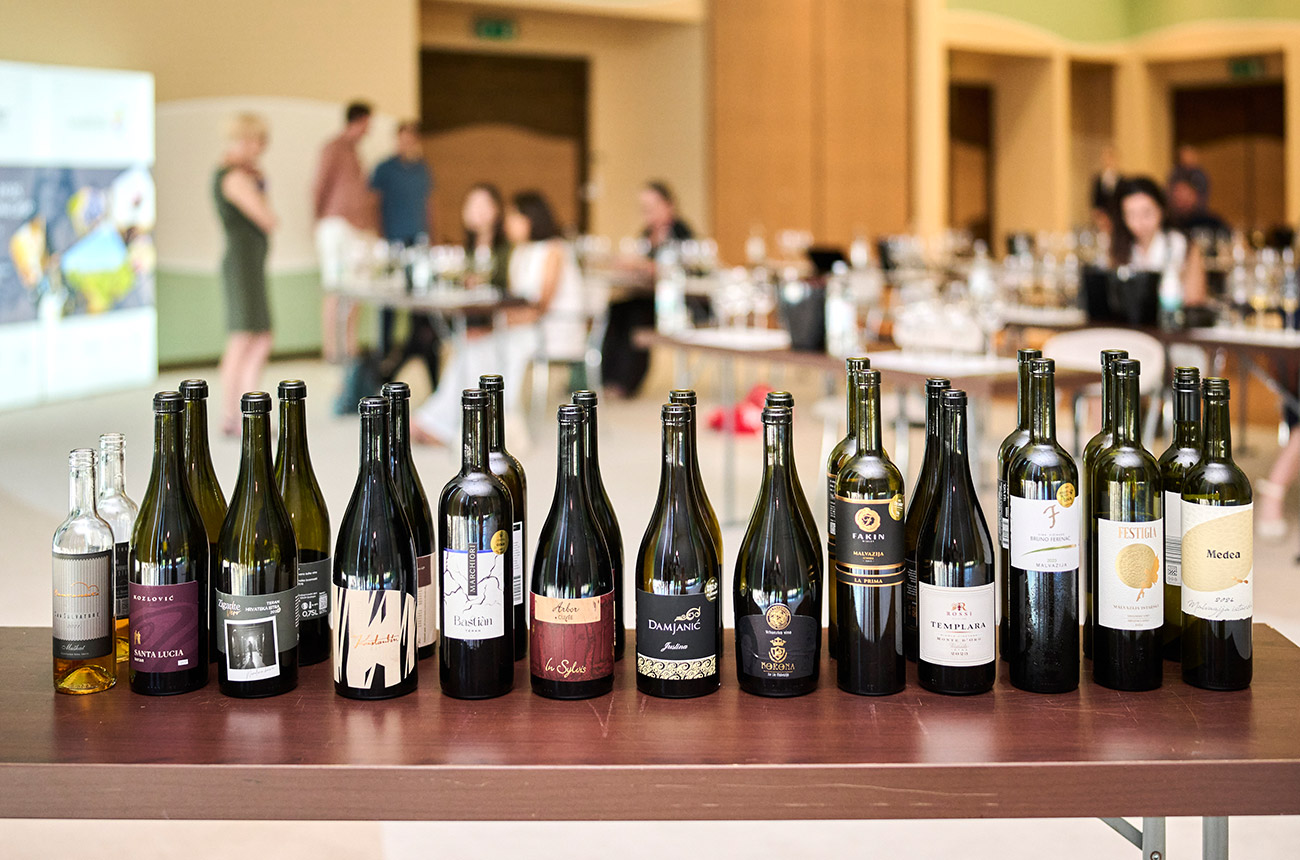 Istria’s hall of fame
Sponsored Content Top Istrian wines from the Decanter World Wine Awards...
-
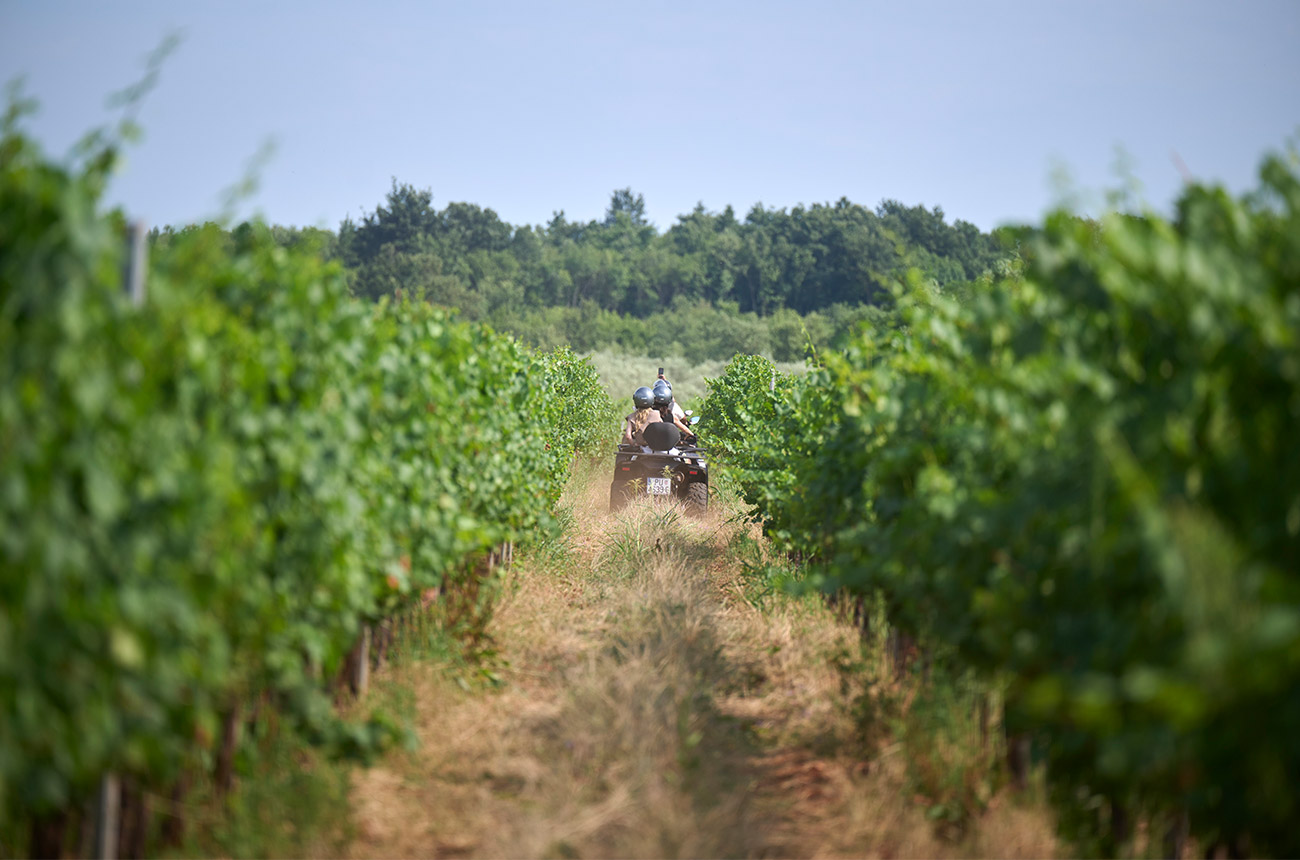 Understanding Istria’s soils
Sponsored Content Exploring how the region’s different soils shape the diversity of its wines...
-
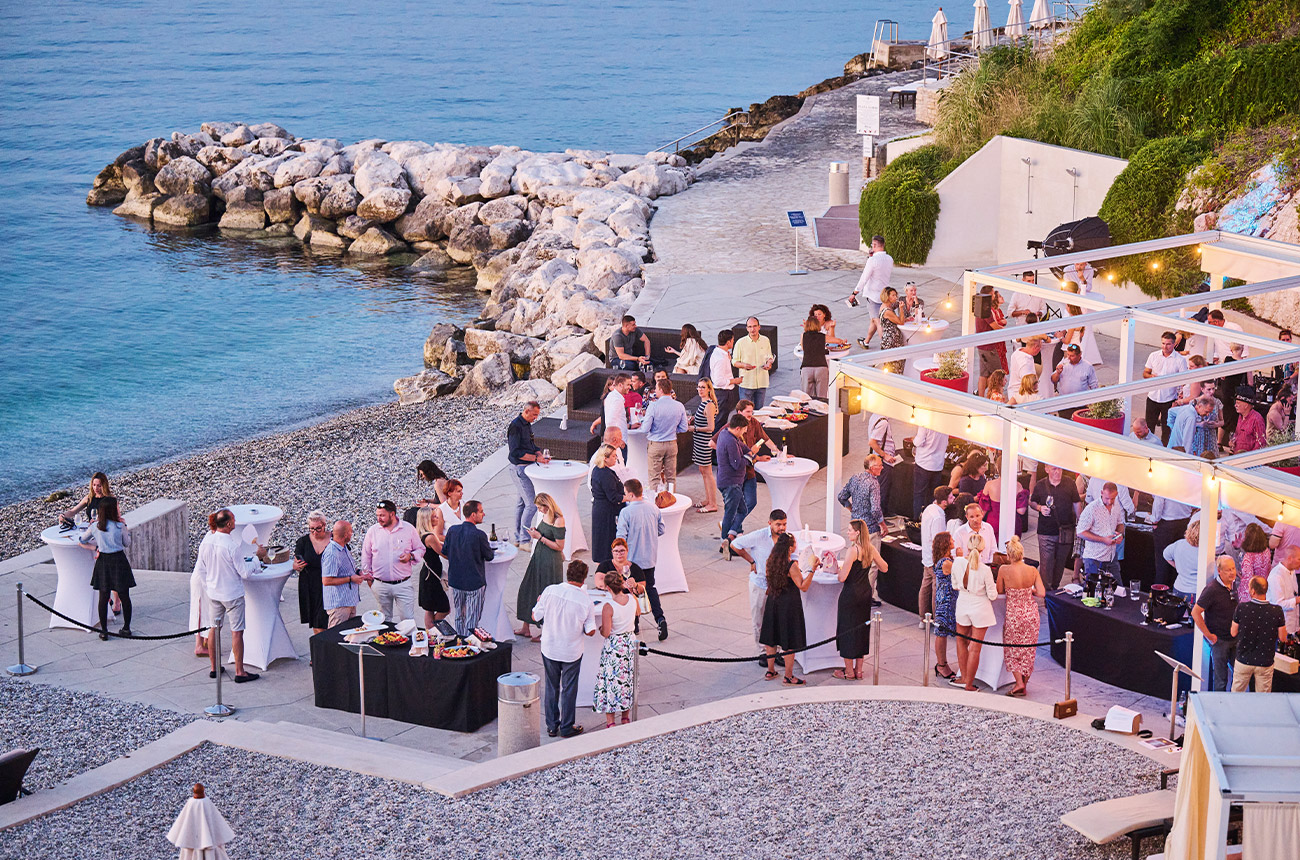 Decanter Winners’ Showcase 2025
Sponsored Content A celebration of Croatia’s award-winning wines hosted by Vinistra...
-
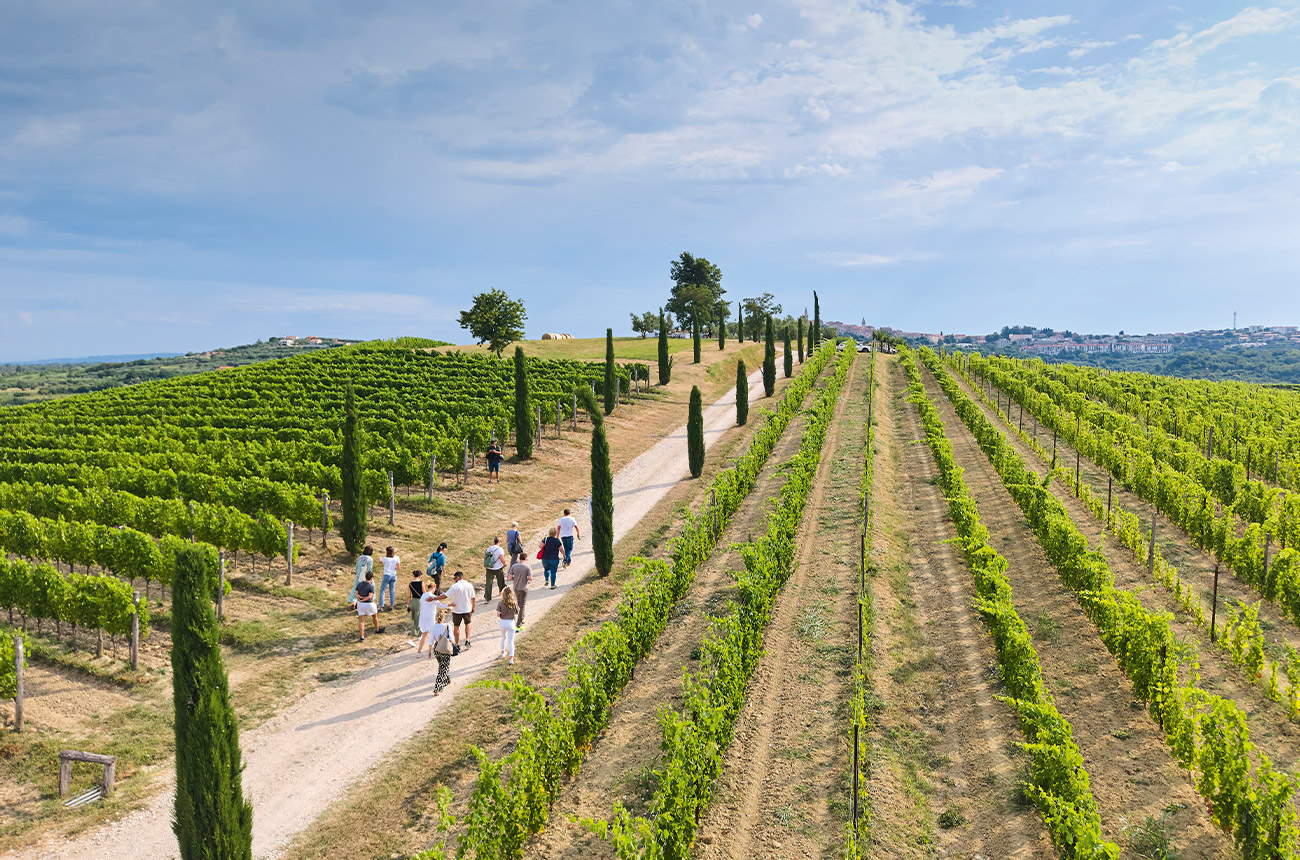 Istria: Identity you can taste
Sponsored Content Wines with a distinctive identity, founded on a rich history, culture and terroir...
-
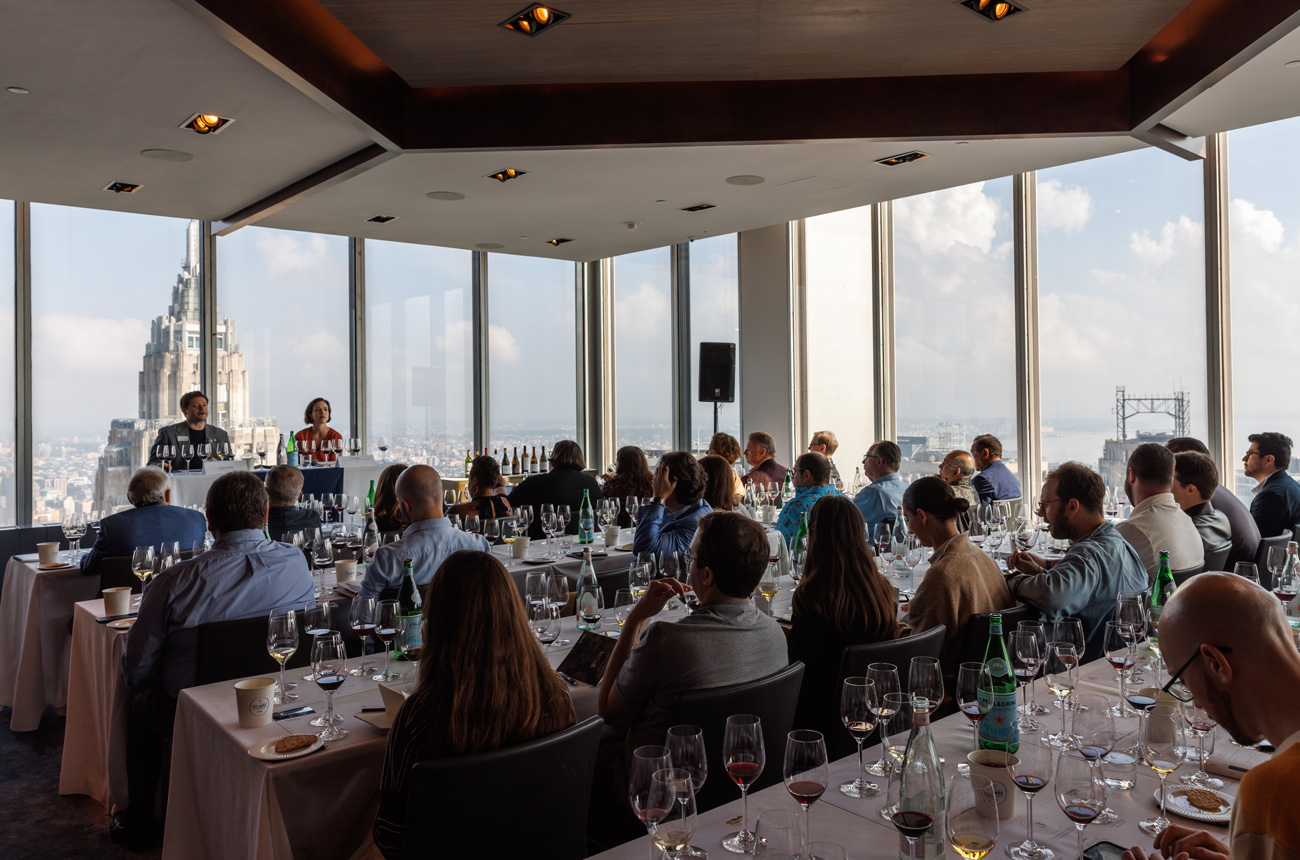 100 years of Rioja masterclass: DFWE New York 2025
A journey through the region's history, evolution and exciting future....
-
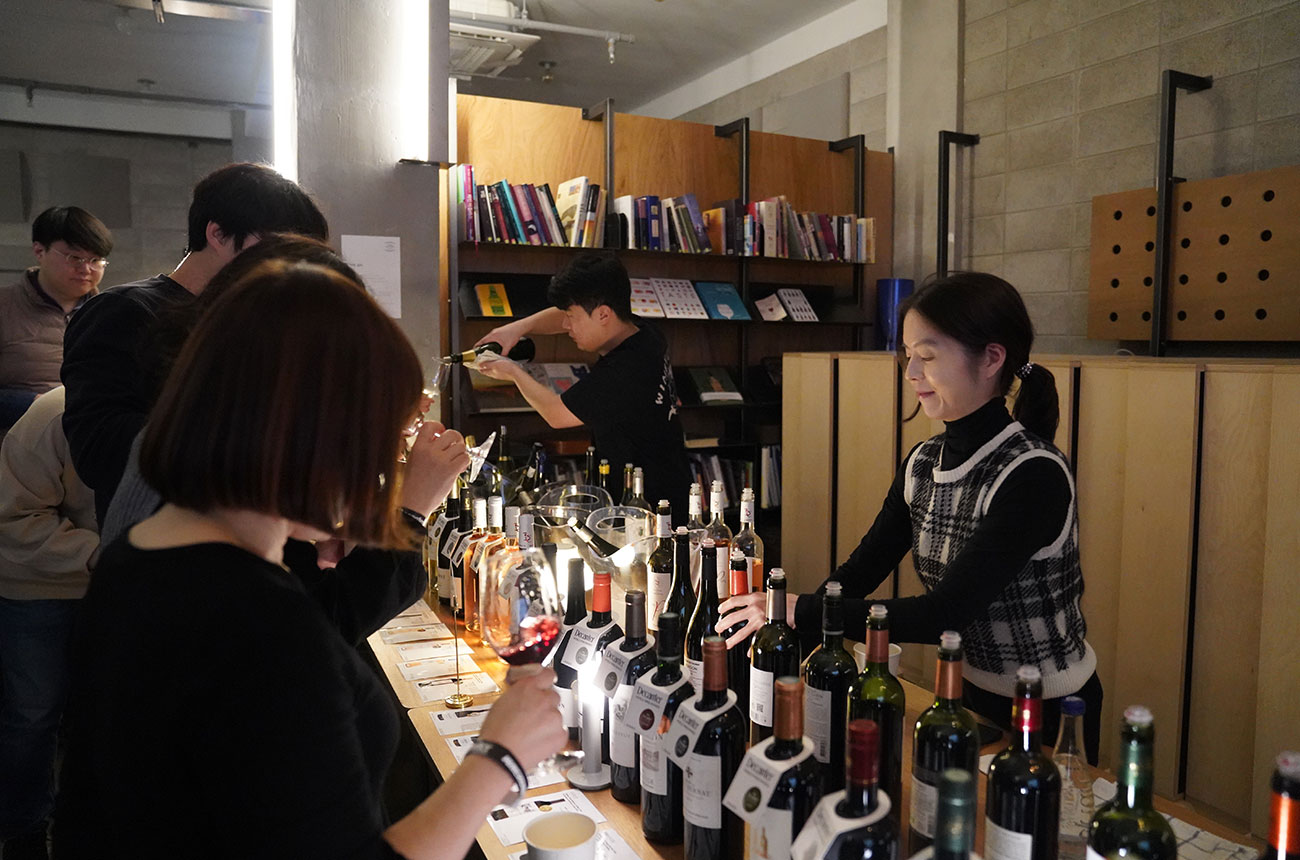 Showcasing Excellence: DWWA award-winners shine in South Korea
Seventy award-winning wines were unveiled to trade and wine enthusiasts in Seoul...
-
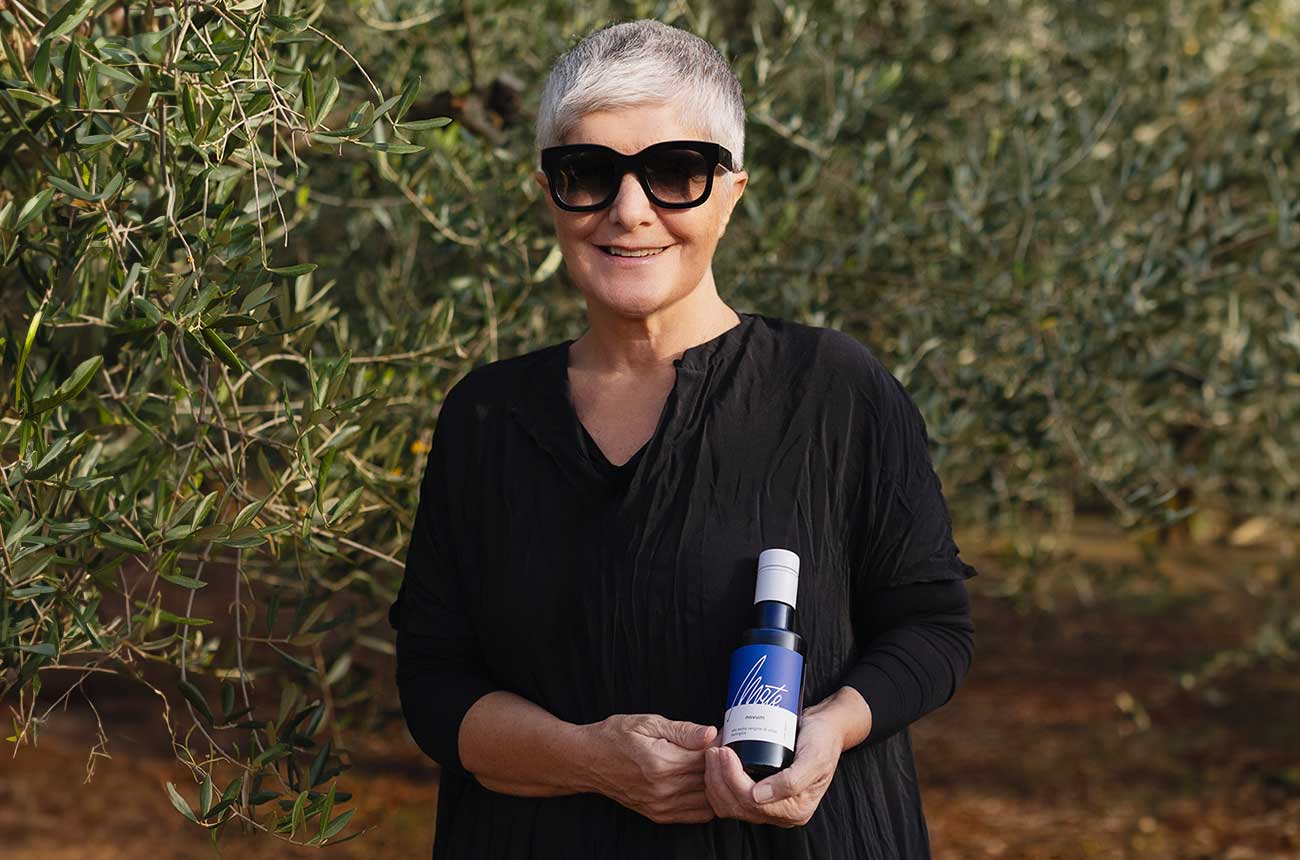 In conversation with olive oil producer Aleksandra Vekic
Sponsored Content The story behind Mate's exceptional Istrian olive oil...


