
Asti and Moscato d’Asti: expert’s choice
These delightfully grapey-fresh, lower-alcohol Piedmont sparklers make for a fun, light summer fizz, as James Button discovers.


It’s easy to overlook the wines of Asti, given the other vinous treasures on offer in the Piedmont region.
In fact, the western border of the Asti DOCG zone extends to Serralunga d’Alba, home to some of Barolo’s most noteworthy wines. Yet Asti is central to the region’s wine industry, representing about 35% of its total production.
According to the Consorzio dell’Asti, 85% of Asti production is exported; key international markets include Germany, Russia and the US.
Scroll down to see tasting notes and scores for the top Asti and Moscato d’Asti wines
The Asti DOC was established in 1967 and was promoted to DOCG status in 1993, although winemaking here predates the modern legislation by centuries.
The DOCG covers 9,700ha of vines in the provinces of Asti, Alessandria and Cuneo, with three defined sub-zones (Santa Vittoria d’Alba, Strevi and Canelli – the latter set to attain its own DOCG as of the 2022 harvest) and four styles of wine.
What are the styles of Asti DOCG?
The two most common styles and the focus of this tasting are Asti and Moscato d’Asti, while the other two styles cover Asti Metodo Classico – of which I’ve included one example – and the rare late-harvest Moscato d’Asti Vendemmia Tardiva.
All four wine styles must consist of at least 97% Moscato Bianco, with the difference made up by other local aromatic varieties, but in practice most Asti wines are single-varietal.
Asti
What was officially called Asti Spumante until 1993 is now officially just ‘Asti’ – not to be confused with the Asti DOCG in its entirety.
Asti has suffered from a bad rap, at least in the UK, for being low-priced, simple and sweet. This is not entirely fair, however, as in the hands of skilled winemakers these wines effortlessly showcase the incredible fragrance of Moscato Bianco (Muscat Blanc à Petits Grains) when combined with Piedmont’s altitudinal freshness.
It was Federico Martinotti, from the province of Asti, who invented the tank method for controlled fermentation in large vats in 1895.
Fifteen years later, Eugène Charmat developed the autoclave design that is still used today. This Martinotti-Charmat method is used for many sparkling wines, including Prosecco, but Asti is unique in that the grape must is fermented only once. It absorbs some of the carbon dioxide during fermentation in pressurised autoclaves, which gives it its sparkle, and the single fermentation retains all the aromatic fruity freshness of the Moscato grape.
When the desired alcohol level is reached, the autoclave is chilled to stop fermentation and the wine is filtered to remove the yeast before bottling.
Production regulations traditionally stipulated that sparkling Asti should have alcohol no higher than 9.5%, but modifications in 2017 and 2020 eliminated this limit, meaning that today Asti can be fermented to dryness, naturally reaching 11%-11.5% alcohol.
Among the 24 sparkling Asti samples I tasted for this feature, there were only a trio of dry (secco) Asti, but I found that this style worked excellently with the delicate floral, fruity character of Moscato.
The additional alcohol and leaner, fresher feel give these secco wines a bit more punch and structure compared to traditional sweet (dolce) wines. The Asti Secco style is well suited to modern consumer tastes, so expect to see more of it on the shelves.
See all 59 Moscato and Moscato d’Asti wines tasted for this feature
Moscato d’Asti
Moscato d’Asti is the sweeter, frizzante alternative to slightly drier and fully sparkling Asti.
The complexity of floral notes – especially in wines from the Canelli sub-zone – and juicy exotic fruits, combined with subtle licks of cream, gentle fizz and rounding sugar, makes Moscato d’Asti a superb sunshine wine – and its low alcohol level is ideal for lazy lunches!
Just be aware that while the alcohol level might encourage you to polish off a bottle by yourself, Moscato d’Asti generally contains more sugar per litre than Coca-Cola at 106g/L!
The top Asti and Moscato d’Asti wines:
See all 59 wines tasted for this feature
Related content
Langhe Nebbiolo 2019 and 2018: top-scoring wines
Best sparkling wine under £20: 30 wines to try
Chiaretto 2020: 22 top Italian rosés worth seeking out
Araldica, Dolce, Asti, Piedmont, Italy
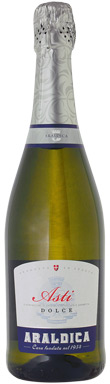

From vineyards in the Monferrato hills, this has a very fresh nose of ripe green apple, a touch of grape and some floral notes. The...
AraldicaAsti

Canti, Millesimato, Asti, Piedmont, Italy, 2020
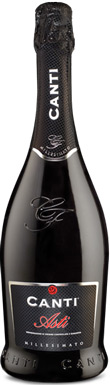
A floral, grapey nose with pear and apple notes. Fine, fresh almost saline acidity accompanies clean flavours of apple, pear, peach and mango, plus a...
2020
CantiAsti
Cuvage, Millesimato Dolce, Asti, Piedmont, Italy, 2017
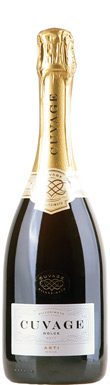
Only founded in 2011, Cuvage specialises in metodo classico wines. Nonetheless, this a delicious Asti. Matured for seven months in stainless steel, it has a...
2017
CuvageAsti
Romano Dogliotti, La Selvatica, Asti, Piedmont, Italy
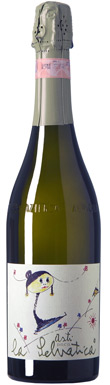
Subtle, earthy nose of apple and grape with good concentration on the palate of peach and apple fruit, balanced by incisive steely acidity and a...
Romano DogliottiAsti
Fontanafredda, Asti, Piedmont, Italy
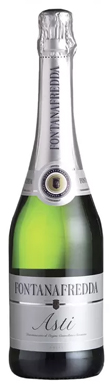
Founded in 1858, Fontanafredda's 120ha of vineyards have been certified organic since 2018, making it the largest certified estate in Piedmont. This Asti has a...
FontanafreddaAsti
Gancia, Cuvée Asti 24 Mesi Metodo Classico, Asti, Piedmont, Italy
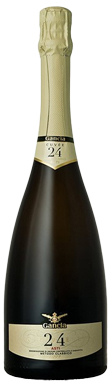
Founder Carlo Gancia created the first sparkling wine in Italy made from Moscato back in 1865, produced in the metodo classico style. The winery still...
GanciaAsti
Martini, Asti, Piedmont, Italy
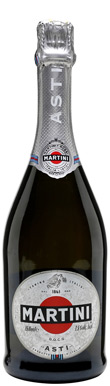
The most famous Asti brand thanks to judicious use of marketing, particularly in the 1980s, Martini has been producing wine since 1863. The grapey, appley...
MartiniAsti
Roberto Sarotto, Secco 28, Asti, Piedmont, Italy
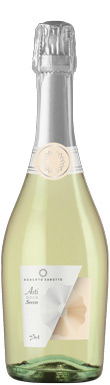
Grown at between 300 and 450 metres above sea level, this dry Asti features lemon and apple aromas and a subtle creamy note. In the...
Roberto SarottoAsti
Bosio, Secco Millesimato, Asti, Piedmont, Italy, 2020
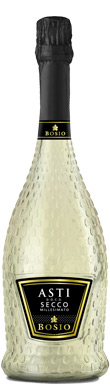
This dry vintage-designated Asti is fermented for 10 days in steel tanks at a cool 15°C before maturing for three months on its lees. It...
2020
BosioAsti
Acquesi, Asti, Piedmont, Italy
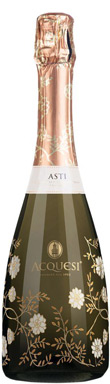
A label of the Cuvage winery, this Acquesi Asti has a fragrant grape and apple nose, with some soft white peach and honey. The palate...
AcquesiAsti
Gancia, Asti, Piedmont, Italy
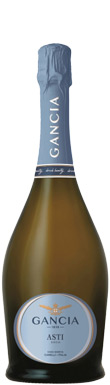
While Gancia's other entry is metodo classico, this example is made using the more typical Martinotti method, giving a clean aromatic profile of pear, grape...
GanciaAsti
Antichi Poderi dei Gallina, Poderi Gallina, Moscato d'Asti, Piedmont, Italy, 2020
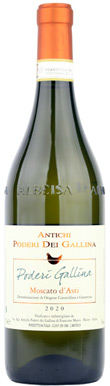
Made by Francone, which has created this dedicated label for its wines sourced from the prestigious hill vineyard of Gallina di Neive. This is absolutely...
2020
Antichi Poderi dei GallinaMoscato d'Asti
Giacomo Scagliola & Figlio, SiFaSol, Moscato d'Asti, Piedmont, Italy, 2020
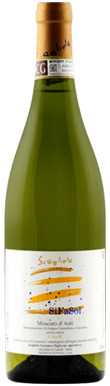
Scagliola was founded in 1939 and now run by the fourth generation. From the Canelli subzone, this has a minerally, floral nose with soft peach...
2020
Giacomo Scagliola & FiglioMoscato d'Asti
Forteto della Luja, Piasa Sanmaurizio, Moscato d'Asti, Piedmont, Italy, 2020
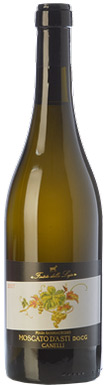
Giovanni Scaglione follows organic practices to produce this Moscato d'Asti in the Canelli subzone. Fresh peachy, floral scents and good concentration in the mouth make...
2020
Forteto della LujaMoscato d'Asti
Michele Chiarlo, Nivole, Moscato d'Asti, Piedmont, Italy, 2020
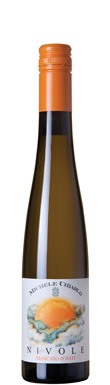
Some of the carbon dioxide produced when grape sugars ferment into alcohol is captured in Moscato d’Asti, giving the wine its gentle fizz. Michele Chiarlo’s...
2020
Michele ChiarloMoscato d'Asti
Coppo, Moncalvina, Moscato d'Asti, Piedmont, Italy, 2020
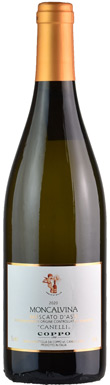
Grapes from the Canelli subzone give this wine a particularly floral nose, accompanied by pear and apple notes leading to a concentrated palate with a...
2020
CoppoMoscato d'Asti
Cascina Cerutti, Surì Sandrinet, Moscato d'Asti, Piedmont, Italy, 2019
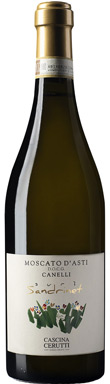
From the Canelli subzone. Nose of honey, elderflower and apricot. Intense and concentrated, with a pithy edge to the peach skin, juicy nectarine, apple, lime,...
2019
Cascina CeruttiMoscato d'Asti
Marcarini, Moscato d'Asti, Piedmont, Italy, 2020
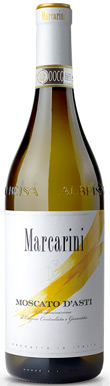
Peardrop and white flower scents, with some bright apple and a touch of peach. Good concentration in the mouth, with refreshing acidity aligned with succulent...
2020
MarcariniMoscato d'Asti
Terrabianca, Vignot, Moscato d'Asti, Piedmont, Italy, 2020
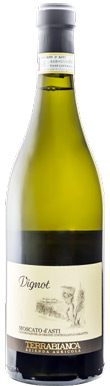
From the Canelli subzone, this has a very floral nose with white peach and pear fruit. The palate has an intense mineral edge and very...
2020
TerrabiancaMoscato d'Asti
Braida, Vigna Senza Nome, Moscato d'Asti, Piedmont, Italy, 2020
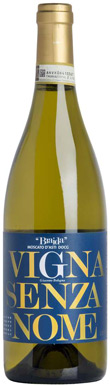
From an estate vineyard in the village of Mango, this has lovely apricot, pear and flower scents. The prickly attack has a good intensity of...
2020
BraidaMoscato d'Asti
Batasiolo, Bosc Dla Rei, Moscato d'Asti, Piedmont, Italy, 2020
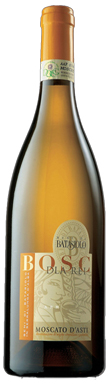
Gentle notes of peach, white flowers and a touch of apple with a light fizz. In the mouth it offers honeyed apricots, baked apple and...
2020
BatasioloMoscato d'Asti
Acquesi, Casarito, Moscato d'Asti, Piedmont, Italy, 2020
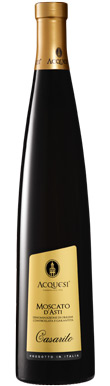
Light apple and peach aromas lead to a fairly intense palate reflective of the nose, with a soft mousse, fresh acidity and good balance. A...
2020
AcquesiMoscato d'Asti
Marchese di Barolo, Zagara, Moscato d'Asti, Piedmont, Italy, 2019
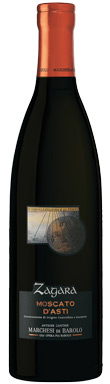
From steep-sloping vineyard sites, this scented, floral Moscato d'Asti is deliciously drinkable. Soft and honeyed, the palate displays apple, pear and peach flavours followed by...
2019
Marchese di BaroloMoscato d'Asti
