Médoc grand cru classé 2016: Panel tasting results
2016 was a highly rated vintage for Médoc grand cru classé, so how are the wines stacking up? Very well, going by the high scores, though many can be left to mature further.
Get our daily fine wine reviews, latest wine ratings, news and travel guides delivered straight to your inbox.
You are now subscribed
Your newsletter sign-up was successful
Georgie Hindle, Vincenzo Arnese and Robert Mathias MW tasted 55 wines, with 11 Outstanding and 28 Highly recommended
Médoc grand cru classé 2016: Panel tasting scores
55 wines tasted
Exceptional 0
Outstanding 11
Highly recommended 28
Recommended 16
Commended 0
Entry criteria: producers and UK agents were invited to submit their 2016 vintage red wines from any appellation in the Médoc, including grand cru classé and second wines
Get our daily fine wine reviews, latest wine ratings, news and travel guides delivered straight to your inbox.
Scroll down to see the top-scoring wines from the Médoc grand cru classé 2016 tasting
Positive outlook
It’s fair to say that expectations were high going into this Left Bank grand cru classé tasting, with the 2016 vintage hailed as one of the region’s finest in recent decades, celebrated for its balance, structure and ageing potential.
What began as a wet, soggy spring turned into a long, hot and exceptionally dry summer with refreshing rains just before ideal harvest conditions set in.
The result: concentrated reds with ripe tannins, bright acidity and intense fruit, drawing comparisons to 2005 and 2010 but distinguished by vibrant freshness.
A clearly successful tasting, with 20% of wines achieving the Outstanding rating, reassuringly identical to the St-Emilion GCC 2016 panel tasting in our 2023 Bordeaux guide (with 11 outstanding out of 59 wines).
Robert Mathias MW noted: ‘There’s a really good minimum level of quality. I maybe expected a little more charm, but equally I do like the seriousness of the 2016s.
‘Tannins are a bit chunky, sometimes heavy-handed in extraction and oak, yet freshness and balanced alcohol were positives. The best were excellent. I think 2016 is the first vintage in the new “modern” era of Bordeaux.’
Secondary rewards
Mathias highlighted St-Julien’s consistency and northern Médoc’s strength (Margaux was more variable), adding: ‘Second wines are drinking now, for sure, and for another five years, which is impressive, while the grands vins are more muscular and tightly coiled.
‘These are impressive wines which are fun to open to see how they develop in the glass,’ he continued. ‘But there’s not necessarily a rush to pull the cork on many of the top cru classé wines – in fact they’re quite closed.’
Vincenzo Arnese agreed: ‘Second labels are more approachable and ready now. There were a few dry wines but also real freshness across the board, with low alcohols. Some wines truly shone – and they’ll have impressive ageing abilities.’
The tasting underscored 2016’s excellence, and yet not everything was perfect.
Roughly 10% of the wines showed faults, notably cork taint and oxidation – a significant reminder of the challenges posed by traditional closures, even at the highest level.
See all recommendations from the Médoc grand cru classé 2016 tasting
What to eat with Médoc 2016, by Fiona Beckett
Given the judges’ conclusion that many of these wines are still quite closed, it’s going to be a question of what food would go best with the second wines at the moment.
Does the ‘new era of Bordeaux’ mean a new era of food pairing? Not necessarily – it’s still hard to beat the classics – but there is a growing realisation that many of the cuisines that might have been regarded as inimical to appellations such as St-Julien, Margaux and Pauillac are no longer so.
Dishes like Korean bulgogi or braised short rib, for instance. Of course, there’ll always be a place for these wines with what I would call gentleman’s club food: homely dishes like steak pie and shepherd’s pie.
Top Bordeaux can shine with a fair amount of rusticity, too. I’ve enjoyed Pauillac with cassoulet.
Traditional options are so familiar that it’s easy to overlook the elements that can throw or skew a mature wine.
An over-reduced jus, a hotter-than-usual horseradish sauce or a strongly flavoured vegetable such as red cabbage can all take their toll on a good bottle. Avoid if you can.
Médoc grand cru classé 2016 panel tasting results
Wines were tasted blind
The judges
Georgia Hindle is Decanter’s Regional Editor for Bordeaux, and Editor of Decanter Premium online
Vincenzo Arnese is the director of wine at Raffles London at the OWO. Born in Naples, he worked at top hotels in Italy, Switzerland and Australia, and later Alain Ducasse at The Dorchester. A DWWA judge, in 2022 he won the coveted title of Taittinger UK Sommelier of the Year
Robert Mathias MW is senior buyer at wine merchant Lay & Wheeler, having previously worked in similar roles for Bordeaux Index and Bibendum Wine. He is a Senior Judge for Bordeaux and Burgundy at the DWWA
Related articles
- Bordeaux newsletter: Sign up today
- Bordeaux’s famous ‘5’ vintages
- Best value Bordeaux 2024 wines tasted en primeur
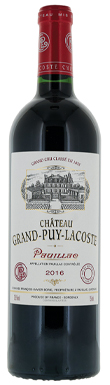
Château Grand-Puy-Lacoste, Pauillac, 5ème Cru Classé, Bordeaux, France, 2016

A Pauillac fifth growth estate with a strong reputation for outperforming its classification, Grand-Puy-Lacoste remains family-owned and run by François-Xavier Borie. The estate’s 58ha of vines in production are located on deep gravel soils. The 2016 is a blend of 79% Cabernet Sauvignon and 21% Merlot, vinified in stainless steel and aged for 18 months in French oak barrels (75% new). Georgie Hindle: Aromatic and forward. Lively, powerful, firm with plentiful tannins. Cherry, cranberry and ripe plum. Lashings of liquorice, cola and mint. Not overly spiced but still quite tight. Vincenzo Arnese: Elegant nose, very floral, hints of roses. Integrated sweet spice. The palate is fresh, with good structure. Nicely balanced. Robert Mathias MW: A Pauillac of great poise. A strong mineral inflection, with kelp and iodine notes that accentuate the ripe, dark berry fruit. Hints of black tea and cocoa. Very fine.
2016
BordeauxFrance
Château Grand-Puy-LacostePauillac
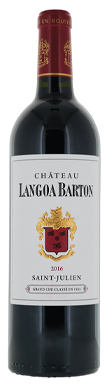
Château Langoa Barton, St-Julien, 3ème Cru Classé, Bordeaux, France, 2016

Owned by the Barton family since 1821, Langoa Barton is a third growth St-Julien estate known for its traditional approach and consistent quality. The 20ha of vines average 35 years in age and are planted on deep gravel soils. The 2016 blend of 55% Cabernet Sauvignon, 37% Merlot, 8% Cabernet Franc was vinified in temperature-controlled wooden vats and aged 18 months in French oak barrels (60% new). Georgie Hindle: Ripe, concentrated, evocative nose: sweet florals, toasted tobacco and clove. Linear and a touch strict, wet stone and graphite, toasted cedar on the finish. Great classicism and ageing potential. Vincenzo Arnese: Fresh, lifted and nicely leafy. Palate shows good freshness and structure. Very elegant with a moderate finish. Robert Mathias MW: Violets, cassis, pencil shavings and warm gravel: all the hallmarks of a classic St-Julien. Iodine and oyster shell, accents of cocoa and cedar.
2016
BordeauxFrance
Château Langoa BartonSt-Julien
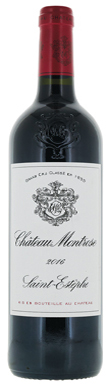
Château Montrose, St-Estèphe, 2ème Cru Classé, Bordeaux, France, 2016

Founded in 1815, Château Montrose is a St-Estèphe icon revered for ageworthy reds. Under the Bouygues family's ownership since 2006, major investments in the 95ha gravel and clay vineyard and cellar have helped push the quality of this second growth estate even higher. The 2016 blend of 68% Cabernet Sauvignon, 25% Merlot, 7% Cabernet Franc was vinified in stainless steel and aged 18 months in French oak barrels (60% new). Georgie Hindle: Strongly scented, firm and full. Detailed fruit. Chewy, fleshy, but with a sweetness to the black fruit. Cooling menthol minerality. Gorgeous. Vincenzo Arnese: Good intensity, rich and crisp, good freshness on the palate with nice texture and finish. Some leafiness and attractive spiciness. Robert Mathias MW: Some incense and five spice on the nose. Quite robust and muscular palate with a real sense of finesse and purpose. Saline and gravelly, there is also a brilliant lift of violets and liquorice. A captivating wine.
2016
BordeauxFrance
Château MontroseSt-Estèphe
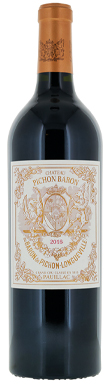
Château Pichon Baron, Pauillac, 2ème Cru Classé, Bordeaux, France, 2016

This prestigious Pauillac second growth, owned by insurance company AXA Millésimes, has become known for its structured, ageworthy wines since major investments began in the 1980s. The 75ha vineyard is planted primarily to Cabernet Sauvignon, with Merlot and small amounts of Cabernet Franc and Petit Verdot. This is a blend of 85% Cabernet Sauvignon and 15% Merlot, vinified in stainless steel and aged 18 months in French oak barrels (80% new). Georgie Hindle: Dark fruit and salty stones. Clean, clear palate, lovely finesse to the fine tannins; sinewy and precise with cool blueberry and liquorice accents. Crystalline finish. Vincenzo Arnese: Notes of tobacco smoke and charcoal. Good intensity and richness on the palate, and the finish is balanced and crisp. Good tannin integration. Robert Mathias MW: Restrained and brooding at the moment, yet there’s plenty of depth beneath. Ripe bramble fruit, black tea and aniseed build on the palate. It’s a muscular wine that has a lot of potential.
2016
BordeauxFrance
Château Pichon BaronPauillac
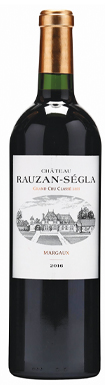
Château Rauzan-Ségla, Margaux, 2ème Cru Classé, Bordeaux, France, 2016

This Margaux second growth has seen a remarkable resurgence under the ownership of Chanel since 1994, with current technical director Nicolas Audebert overseeing the 2016 vintage. The vineyard spans 70ha of deep gravel and clay-limestone soils, planted predominantly with Cabernet Sauvignon and Merlot. The 2016 is crafted from 68% Cabernet Sauvignon, 30% Merlot and 2% Petit Verdot, vinified in stainless steel and aged for 18 months in oak barrels (60% new). Georgie Hindle: Cherries, strawberries and cola. Supple with good energy and focus. Not the biggest wine, but it has great definition and confidence. Bounce, sweetness, crispness and focus, and a cooling, minty fresh finish. Vincenzo Arnese: Mellow, with great integration and richness, yet composed and creamy. Tannins are powerful, but with good and finish. Great structure. Robert Mathias MW: Dense and serious. Ripe hedgerow fruit, five spice and lots of detail on the palate. Fleshy fruit framed by a supple grip of tannins. Salinity and a sense of confidence. Excellent.
2016
BordeauxFrance
Château Rauzan-SéglaMargaux
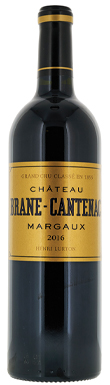
Château Brane-Cantenac, Margaux, 2ème Cru Classé, Bordeaux, France, 2016

Owned by the Lurton family celebrating their centenary in 2025, this Margaux second growth estate is known for its elegance and focus on Cabernet Sauvignon. Henri Lurton has led significant improvements in vineyard precision and winemaking over the past two decades, including a new cellar finished in 2025. The estate’s 72ha are planted mostly on deep gravel soils with natural drainage on the Brane plateau. The blend is 70% Cabernet Sauvignon, 27% Merlot, 2% Cabernet Franc and 1% Carmenère, vinified in oak casks, aged 18 months in French oak barrels (70% new). Georgie Hindle: Milk chocolate sweetness, pomegranate and cherry. Nice energy and focus. Pure, with plenty of structure, firm tannins but overall detail and definition. Powerful and poised, fruity and lively with cool blueberries, soft cola, liquorice and blackcurrants. Vincenzo Arnese: Elegant and fresh, balanced with good ripeness. Integrated and rich, good structure with nicely handled tannins. Robert Mathias MW: Violets, pomegranate, wild cherry and hedgerow fruit. Silky and very fine-textured, this has freshness and energy. Some dried herbs and subtle spice.
2016
BordeauxFrance
Château Brane-CantenacMargaux
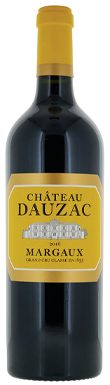
Château Dauzac, Margaux, 5ème Cru Classé, Bordeaux, France, 2016

One of the oldest estates in Margaux, Château Dauzac is a fifth growth with a 42ha vineyard on deep gravel soils near the Gironde. Long focused on sustainable viticulture, the estate is known for its research into biodiversity and the use of native yeasts as well as its relatively new ungrafted 100% Cabernet Sauvignon Franc de Pied. The 2016 grand vin blend is 71% Cabernet Sauvignon and 29% Merlot, vinified in wooden casks and aged 15 months in 68% new French oak barrels. Georgie Hindle: Dried herbs, blueberries and cherries. Smells lovely and evocative, sweet and lifted. Crisp fruit and almost piercing acidity. Nice combination of power and focus. Succulent, sappy and juicy, really moreish. Vincenzo Arnese: Intense and ripe. Good structure and body, good finish. Ripe tannins are still present and are rather drying. Robert Mathias MW: Bright, with violets, black cherry and iris. A mineral element of iodine and oyster shell. A real lift of violets and liquorice. Tightly coiled, just starting to show its potential.
2016
BordeauxFrance
Château DauzacMargaux
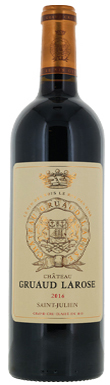
Château Gruaud-Larose, St-Julien, 2ème Cru Classé, Bordeaux, France, 2016

This historic St-Julien second growth has long championed the motto ‘The king of wines, the wine of kings’. Now under the stewardship of the Merlaut family, the estate continues to build on its legacy with a focus on organic and biodynamic practices. The 82ha vineyard (the same as when it was classified in 1855) is planted to Cabernet Sauvignon, Merlot, Cabernet Franc and Petit Verdot. The 2016 blend is based on 69% Cabernet Sauvignon with 29% Merlot and 2% Cabernet Franc, vinified in wood and cement and aged in French oak barrels, 80% new. Georgie Hindle: Shy nose. Tobacco, warm earth, dried herbs, bramble fruit. Sleek and well defined. Cool and creamy with silky smooth tannins and crystalline fruit. ‘Cooler’ in style than many in the tasting. Juicy, lifted and really accessible. A hint of salinity and oak on the finish. Vincenzo Arnese: Delicate yet crisp with good intensity and richness. Some development but with a good fruit profile and a good finish. Robert Mathias MW: Ripe, caressing and serious. Bramble fruit and a nod to violets, pomegranate and iris root. Mineral inflection adds a tantalising bitterness to juxtapose the sucrosity of the fruit. Seamless with a hint of tea leaf.
2016
BordeauxFrance
Château Gruaud-LaroseSt-Julien
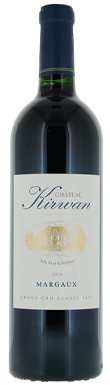
Château Kirwan, Margaux, 3ème Cru Classé, Bordeaux, France, 2016

This third growth Margaux estate has seen extensive investment since the late 1990s under the stewardship of the Schÿler family, which acquired the property in 1926. With a modern gravity-fed winery and renewed vineyard management, Kirwan has seen a significant rise in quality. The 37ha vineyard is planted on gravel and clay-limestone soils. The 2016 is a blend of 55% Cabernet Sauvignon, 33% Merlot, 7% Cabernet Franc and 5% Petit Verdot, vinified in concrete and aged 18 months in French oak barrels (50% new). Georgie Hindle: Ripe but not opulent nose. Tobacco, liquorice, cola and black fruit. Juicy and lively, nice bite, with berry fruits and salty, stony edges. Focused and bright. Still some leanness and tension but great potential. Streamlined. Juicy easy finish. Vincenzo Arnese: Great cherry nose, powerful, showing intense violet notes. The tannins are integrated and rich, with a good finish. Robert Mathias MW: Restrained power. Classy nose with subtle sandalwood and incense. Very Margaux palate, with fine detail and pixelated tannin. Very fluid, with charm and lift on the finish.
2016
BordeauxFrance
Château KirwanMargaux
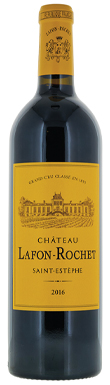
Château Lafon-Rochet, St-Estèphe, 4ème Cru Classé, Bordeaux, France, 2016

A St-Estèphe fourth growth with a bright future, Château Lafon-Rochet has been going through a quiet renaissance under the Tesseron family and, since 2021, the Lorenzetti family, which also owns Lilian Ladouys (St-Estèphe) and Pédesclaux (Pauillac 5GCC). The vineyard covers 45ha of gravel and clay, planted mainly to Cabernet Sauvignon and Merlot. The 2016 is a blend of 67% Cabernet Sauvignon, 25% Merlot, 6% Cabernet Franc and 2% Petit Verdot, vinified in both concrete and stainless steel vats, and aged for 12 months in oak barrels, 50% new. Georgie Hindle: Blackcurrant and plum, fleshy and focused. Less demonstrative than some, but has definition and persistence. Juicy strawberries, cranberries and raspberries, tannic but not too dry, with sweetly spiced oak on the finish. Vincenzo Arnese: Fresh and young. A bit shy, but the palate is rich with good intensity. A powerful style, showing good integration of oak and a pleasant finish. Robert Mathias MW: Spice, incense and nutmeg aromas. Dark cherry and cassis fruit is very focused. Gravelly mineral core and bright acidity. Real balance and tension here.
2016
BordeauxFrance
Château Lafon-RochetSt-Estèphe
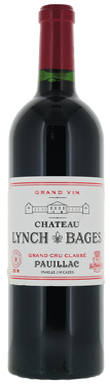
Château Lynch-Bages, Pauillac, 5ème Cru Classé, Bordeaux, France, 2016

A powerhouse of Pauillac, and another fifth growth estate that has long punched above its classification. Owned by the Cazes family since 1939, and now under Jean-Charles Cazes, Lynch-Bages combines tradition with a modern, international outlook. The 2016 vintage marked the end of an era before construction began on a new winery. The vineyard covers 90ha of deep gravel, planted mostly to Cabernet Sauvignon. The 2016 blend is 75% Cabernet Sauvignon, 19% Merlot, 4% Cabernet Franc and 2% Petit Verdot, vinified in stainless steel and wood, and aged 18 months in French oak barrels, 75% new. Georgie Hindle: Sweet toasted spices, bramble berry fruit. Muscular and powerful but also supersleek and defined. A classic Pauillac that needs time, yet it’s cool, crisp and very moreish. Vincenzo Arnese: Morello cherry, intense and rich. Great structure and body. Rich with a good finish and integrated tannins. Robert Mathias MW: A slightly toasty nose, with cedar, sandalwood and five spice. Ample cassis fruit on a charming, forward palate. Plenty going on, with Pauillac’s gravelly focus and drive.
2016
BordeauxFrance
Château Lynch-BagesPauillac
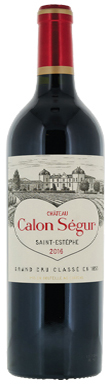
Château Calon Ségur, St-Estèphe, 3ème Cru Classé, Bordeaux, France, 2016

Intense and expressive, concentrated aromas of dark fruit, graphite and herbal nuances. Bold and muscular, with integrated tannins, espresso and cocoa notes, leading to a clean, structured finish. Great ageing potential.
2016
BordeauxFrance
Château Calon SégurSt-Estèphe
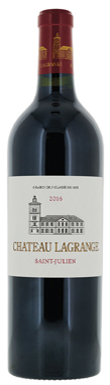
Château Lagrange, St-Julien, 3ème Cru Classé, Bordeaux, France, 2016

Intense and ripe, with blackcurrant, cherry and subtle liquorice. Muscular yet restrained, with fine tannins and great acidity. A clean, sculpted structure with hints of tobacco and graphite. A promising future marked by finesse.
2016
BordeauxFrance
Château LagrangeSt-Julien
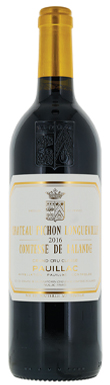
Château Pichon Longueville Comtesse de Lalande, Pauillac, 2ème Cru Classé, Bordeaux, France, 2016

Lively red fruit notes of cherry, raspberry and blackcurrant. Intense and rich, with well-defined structure, firm tannins and a promising finish. Shows character, development and great ageing potential.
2016
BordeauxFrance
Château Pichon Longueville Comtesse de LalandePauillac
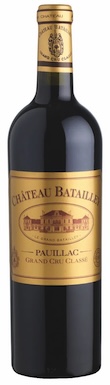
Château Batailley, Pauillac, 5ème Cru Classé, Bordeaux, France, 2016

Aromas of cinnamon, clove, vanilla and blackcurrant. Vibrant with firm tannins, a chalky core and salty minerality. Great structure and body, with richness and development. A classic, muscular Pauillac with developing complexity.
2016
BordeauxFrance
Château BatailleyPauillac
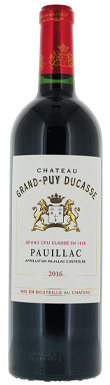
Château Grand-Puy Ducasse, Pauillac, 5ème Cru Classé, Bordeaux, France, 2016

Liquorice, tar, chocolate and cinnamon spices complement vibrant fruit. The palate is structured and slightly tight with chalky tannins but offers confidence, freshness and a toasty finish, showcasing great character.
2016
BordeauxFrance
Château Grand-Puy DucassePauillac
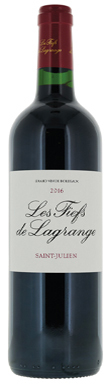
Château Lagrange, Les Fiefs de Lagrange, St-Julien, Bordeaux, France, 2016

A crisp, vegetal uplift with integrated richness and ripe intensity. Fine, grippy tannins meet lively acidity and ripe fruit, balanced by a cooling undertone and wet stone. Powerful yet delicately presented, with vibrancy and a persistent finish.
2016
BordeauxFrance
Château LagrangeSt-Julien
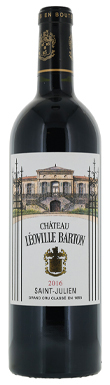
Château Léoville Barton, St-Julien, 2ème Cru Classé, Bordeaux, France, 2016

The nose offers sun-kissed raisin and plum, while the palate is juicy and energetic with fleshy bramble fruit, exotic spices and a hint of blue fruit. Great structure. A powerful, flamboyant wine with a lasting finish.
2016
BordeauxFrance
Château Léoville BartonSt-Julien
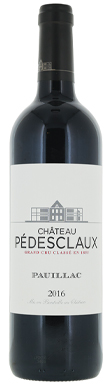
Château Pédesclaux, Pauillac, 5ème Cru Classé, Bordeaux, France, 2016

Blueberry, blackcurrant and crisp violet notes. Impressively fresh and sturdy with a lean structure, supporting fleshy bramble fruit, liquorice, cedar spice and cooling graphite. Clean, precise finish.
2016
BordeauxFrance
Château PédesclauxPauillac
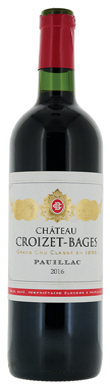
Château Croizet-Bages, Pauillac, 5ème Cru Classé, Bordeaux, France, 2016

A floral nose with ripe red fruits and vibrant, crisp freshness. Structured, a touch of tartness with moderate tannins. Cocoa, forest floor and game evolve, finishing with mineral notes and supple tannins.
2016
BordeauxFrance
Château Croizet-BagesPauillac
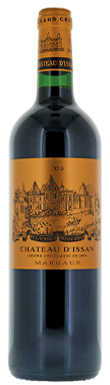
Château d'Issan, Margaux, 3ème Cru Classé, Bordeaux, France, 2016

Toasty with red cherry, blackcurrant and hints of nuts, coffee, tobacco and graphite. Vibrant, with integrated tannins, mineral edges and a clean, crystalline finish. A youthful, expressive wine with finesse and appeal.
2016
BordeauxFrance
Château d'IssanMargaux
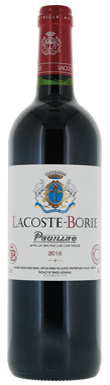
Château Grand-Puy-Lacoste, Lacoste-Borie, Pauillac, Bordeaux, France, 2016

Elegant and fresh with aromas of ripe raspberry, redcurrant, tarragon and integrated sweet spices. Good weight, layering ripe dark fruit, cinnamon, graphite and minerality. Clean, with power and finesse.
2016
BordeauxFrance
Château Grand-Puy-LacostePauillac
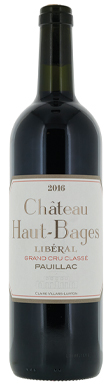
Château Haut-Bages Libéral, Pauillac, 5ème Cru Classé, Bordeaux, France, 2016

Aromas of rose petals, cranberry, raspberry and a touch of pyrazine. The palate is expressive yet rich, showing bramble and briary fruit, Flor de Madre spiced notes, fresh cassis and a vibrant finish with firm tannins.
2016
BordeauxFrance
Château Haut-Bages LibéralPauillac
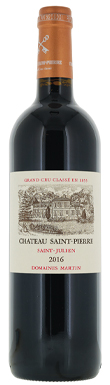
Château Saint-Pierre, St-Julien, 4ème Cru Classé, Bordeaux, France, 2016

Aromas of dried flowers and bramble fruit with fleshy blackcurrant and strawberry. Ripe and rich with good intensity. Firm tannins and a touch of liquorice lead to a crisp, intense finish.
2016
BordeauxFrance
Château Saint-PierreSt-Julien
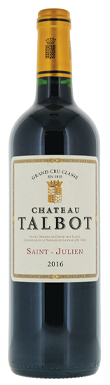
Château Talbot, St-Julien, 4ème Cru Classé, Bordeaux, France, 2016

Good intensity and richness with earthy, leafy notes and integrated structure. Cumin, dark chocolate, toasted spice and black fruit provide balance, supported by soft tannins.
2016
BordeauxFrance
Château TalbotSt-Julien