

Promotional feature
Can Australia be hot and cool at the same time? Definitely! Hot because its creative artisan and young gun winemakers have taken the wine scene by storm, enticing sommeliers, bar owners and new crowds to Aussie wine. And excitingly cool thanks to a bunch of winemakers tapping into a growing demand for wines from coastal and higher altitude sites.
Promotional feature
Australia: hot winemakers and cool wines
Anyone who thinks that Australian wine is just Chardonnay, Shiraz and Cabernet Sauvignon has either forgotten, or perhaps never knew, that the Aussie wine tradition is based on innovation. Check out Rootstock, a festival in Sydney, to get a taste of this modern, exciting approach to wine and food. While state-of-the-art, large wineries came to represent the sheer consistency of Australian wine in the 1990s, the artisans have made it their mission to re-discover the individuality of location and diversity of style, communicating it in a refreshing way that has fun and enjoyment at its heart.

Never mind that the young guns have done their classical wine training at Roseworthy or Charles Sturt University or gone on to gain valuable experience in high-tech wineries. Doing stages in Europe, sharing views and tastings, their aim is to bring their personal imprint to their wines by creatively un-learning what they were once taught. With a unique attitude and approach, these groundbreakers are happy to travel out on a limb to create a new kind of quality using bold and innovative techniques in the vineyards and pushing winemaking boundaries. They are often influenced by talented winemakers from overseas such as Dirk Niepoort, or the home-grown talent of the likes of Steve Pannell and Larry Cherubino, winemakers who’ve left the big companies behind to focus on their own thing.
The mavericks are picking for freshness, introducing beneficial predators, going organic or biodynamic in an environmentally friendly reaction against excessive synthetic inputs. They are respectful towards oak by using less of it and in larger formats. They are looking for ways to keep alcohol levels within drinkable limits. They are experimenting: with less or even no sulphur, fewer additions, fermenting with wild yeasts, practising whole bunch fermentation, barrel fermentation and extending maceration and lees contact.

The Alternatives
Scoffing at Europe’s rigid rules of appellation, the young guns have grasped the nettle of emerging grape varieties to make exciting small batch wines. From Barbera, Grüner Veltliner, Saperavi, Dolcetto, Nebbiolo and many more.
Winemakers experimenting with alternative varieties include Riverland-born Con-Greg Grigoriou of Delinquente, boutique Adelina’s creative Jennie Gardner and Col McBryde, rebel-with-a-Grüner-cause Tom Keelan from the Pawn Wine Co, sisters Ruth and Rebecca Willson in Langhorne Creek and award-winning Jaysen Collins of Massena.
The Cool
Discover some of the trailblazers for cool climate regions: the engaging Mac Forbes, with his focus on sub-regions, whole-bunch specialist Timo Mayer, and Andrew Marks of non-irrigated, hand-pruned Gembrook in the Yarra Valley. There’s also Brendan and Laura Carter at Unico Zelo in the Adelaide Hills, the skateboarding Brendon Keys at BK Wines in the Adelaide Hills, with Aaron Drummond and Dan Buckle from Mornington’s Circe.
The Terroir Hunters
Sense of place is at the heart of Gary Mills of Jamsheed’s Syrah, Riesling and Roussanne, punk-loving Taras and Amber’s superholistic Ochota Barrels made from exceptional sites in South Australia, not forgetting killer D.J. David Bowley of Vinteloper, selecting sites across South Australia, and ex-big-company winemaker Sue Bell of Bellwether making fine Nero d’Avola in the Riverland and Chardonnay in Tasmania.

The Naturals and Minimalists
Luke Lambert is one of the minimalists, combining minimal intervention with traditional techniques such as the use of wild yeasts and little oak. So too sommelierturned-winemaker, James Erskine of Jauma, sourcing grapes from select plots in the McLaren Vale and Adelaide Hills. Believing in the importance of soil health and the ecosystem, with an understanding of the seasons and climate change, natural winemakers include Sarah Morris and Iwo Jakimowicz of organic Si Vintners in Margaret River. Ex-neuroscientist Ray Nadeson too from Lethbridge Wines in Geelong aims to express the terroir through organic and biodynamic practices as do Erinn and Janet Klein of Ngeringa in the Adelaide Hills, viticulturalists Suzi and Wayne Ahrens of Smallfry, along with biodynamic advocates Julian Castagna in Beechworth and Xavier Goodridge of Xavier in Victoria.
You may not have heard of many of these names because the contemporary Australian wine scene inevitably takes its time to translate onto the shelves of mainstream retailers. But as the drumbeat gets louder and the demand for exciting new styles grows, independent wine merchants, wine bars and restaurants outside Australia are starting to respond to the call of the wild young guns. Look out for wines not just from the winemakers already mentioned, but also the new guys, the up-and-coming talent recognised for instance by Australia’s Young Gun of Wine Awards.
Through innovation, disruption and determination, the Aussie artisans have captured the spirit of fun and enjoyment that lies at the heart of good wine. Australia has got its mojo back alright and it’s thanks to the latest generation of maverick winemaker.
For more information see: www.wineaustralia.com www.younggunofwine.com


-
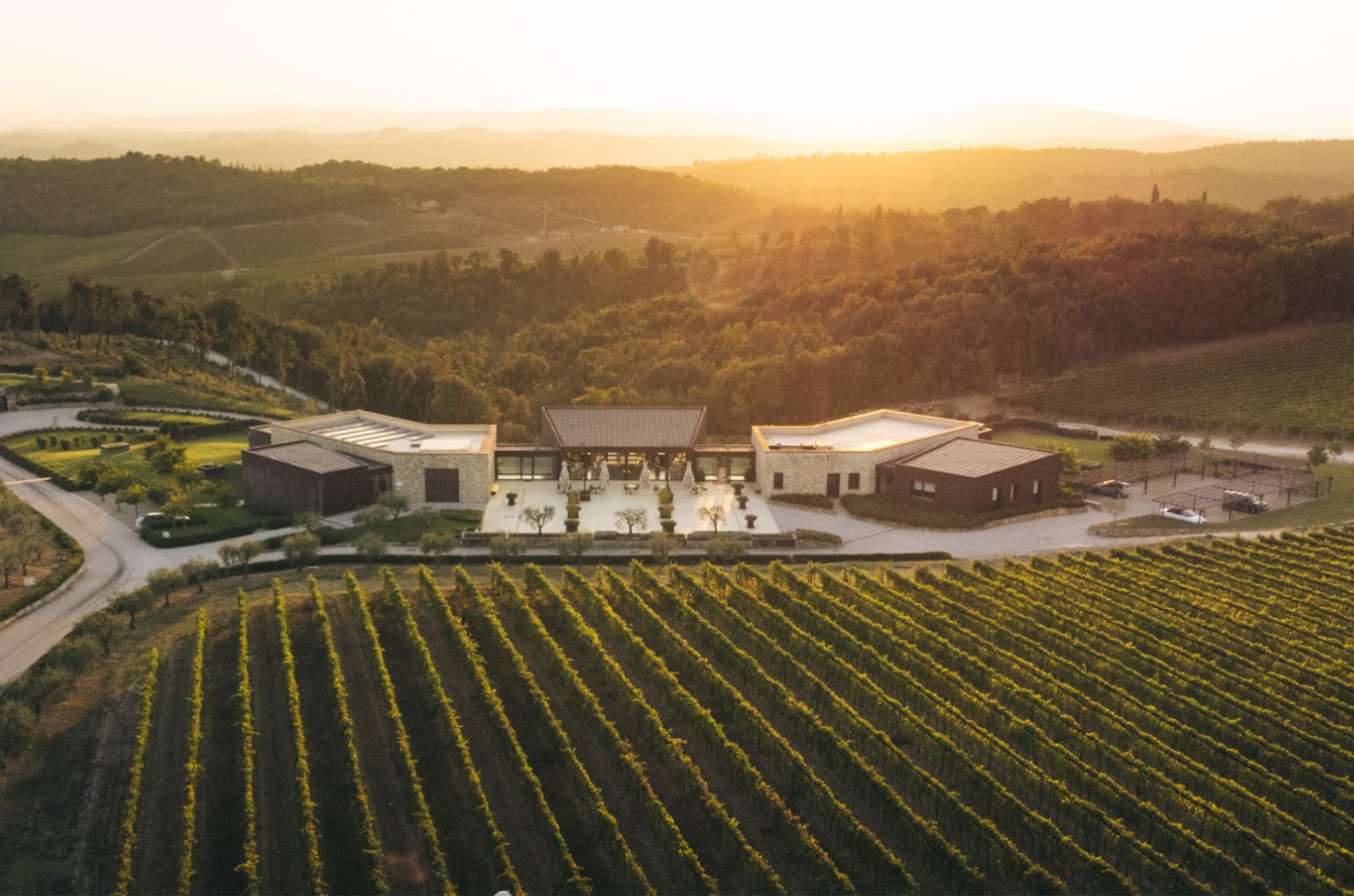 Vallepicciola: Tourism and winemaking in the Chianti hills
Sponsored Winemaking and luxury hospitality...
-
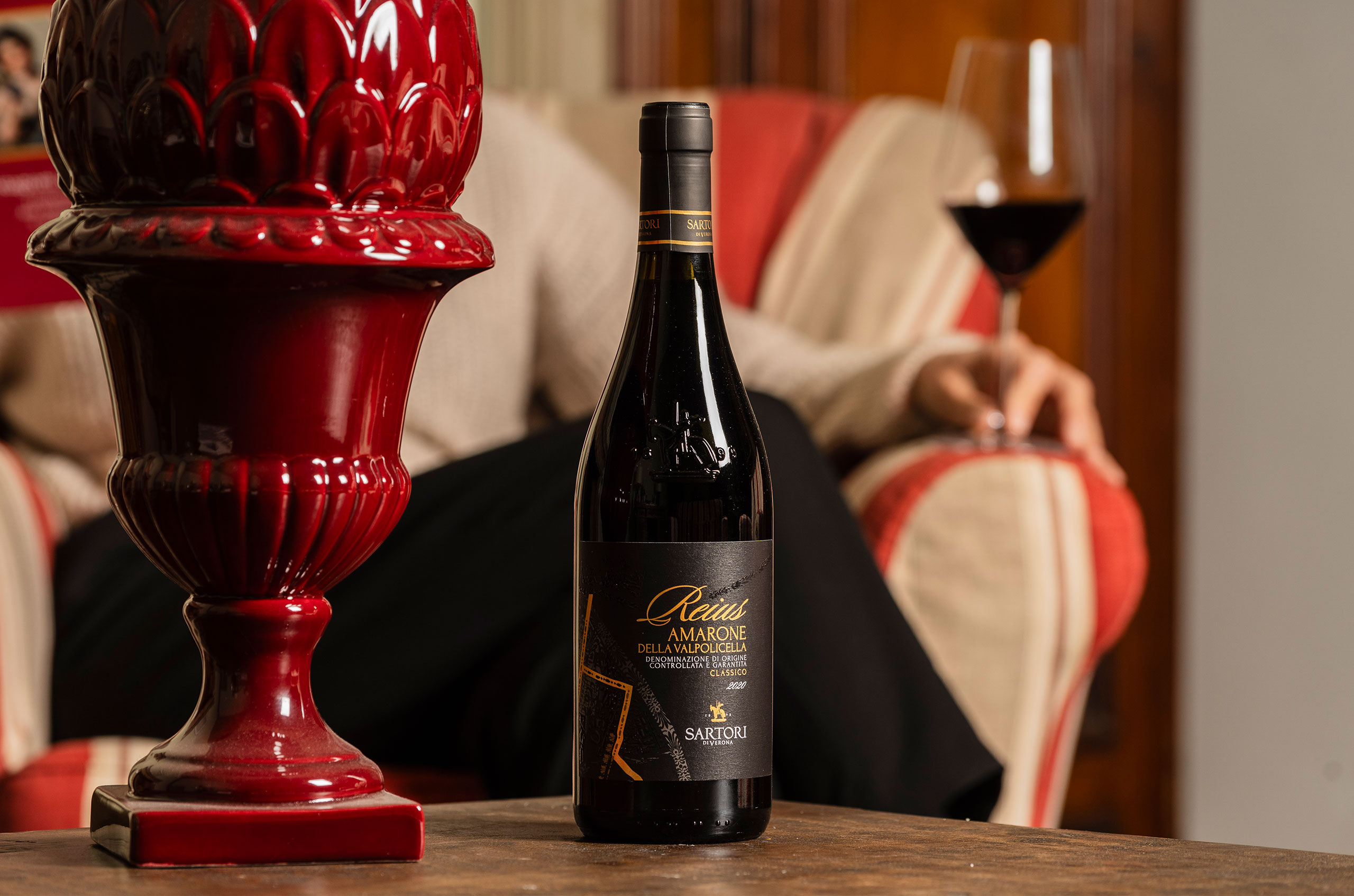 A standout voice in Valpolicella
Sponsored A key name for Valpolicella and Amarone...
-
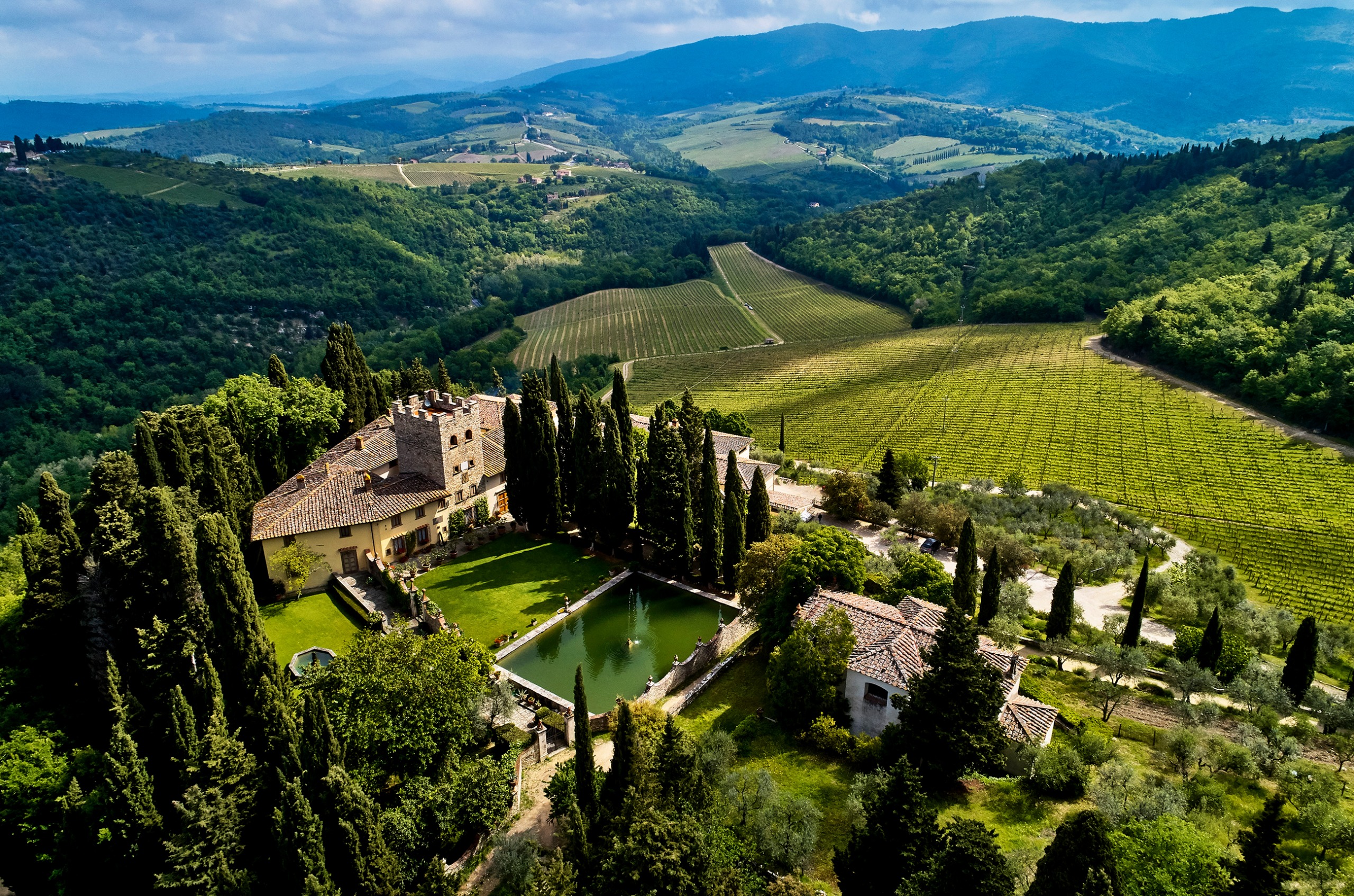 Discover the world of Castello di Verrazzano
Sponsored An ancient castle set amid sprawling vineyards...
-
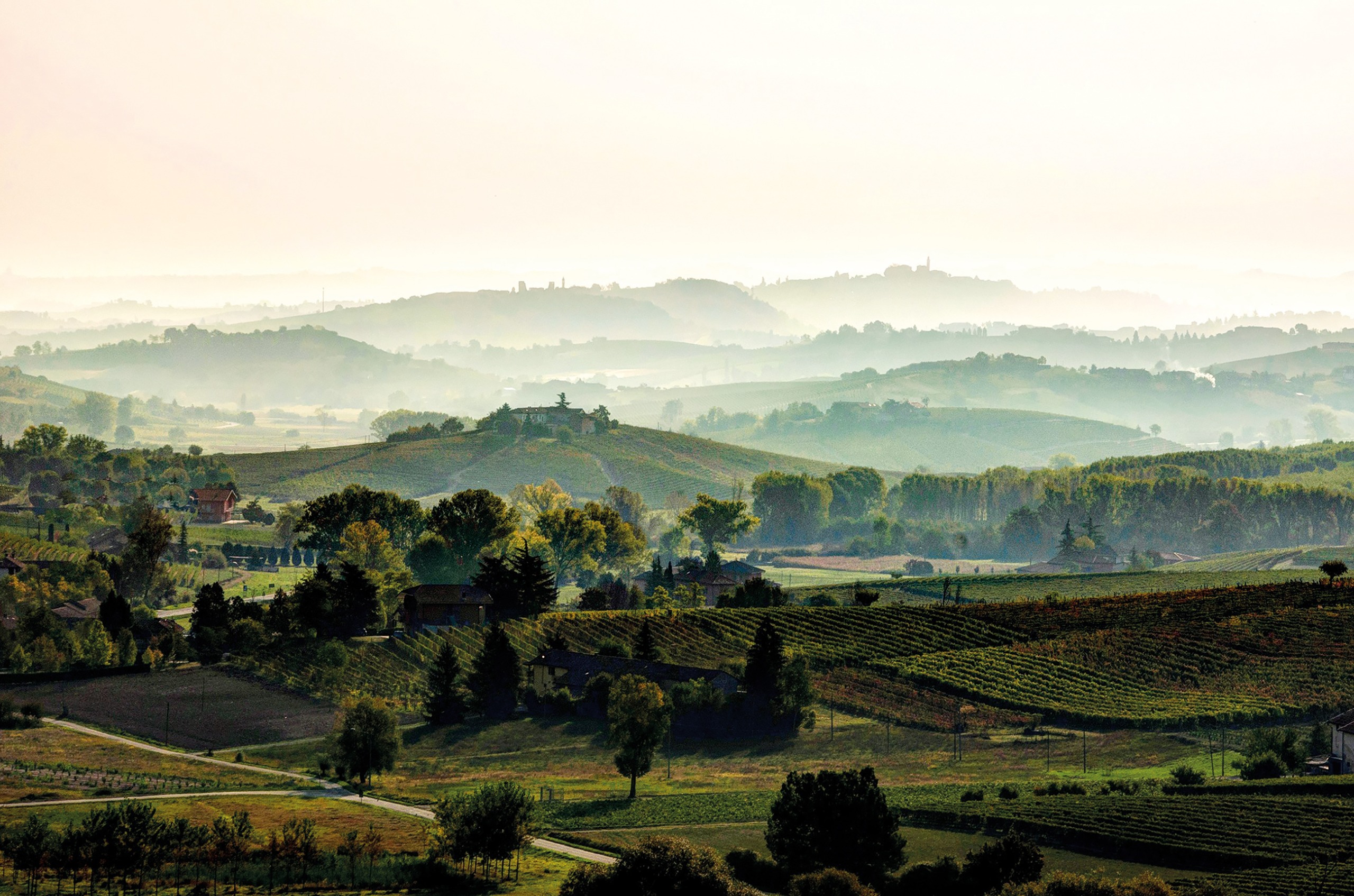 Barbera d'Asti DOCG: Tradition and modernity in Piedmont
Sponsored Many expressions of one variety...
-
 Sergio Mottura: Excellence in Tuscia
Sponsored A renowned figure in Lazio...
-
 Florio: Winning new fans while respecting Marsala’s history
Sponsored An important milestone in Marsala...
-
 Sensi Vini: The gateway to your Italian wine exploration
Sponsored Chianti and beyond...
-
 Celebrating European diversity
Sponsored Introducing the ‘Celebrate the Diversity’ project...


