

Located within the perimeter of the Hoces del Cabriel Natural Park, Finca Cor Ví is a privileged part of one of Europe’s most unspoiled landscapes. Pure water, clean air, starry skies, silence and no wifi signal (!), make it a haven of biodiversity, where sustainable viticulture is not a choice – it is quite simply the natural way of this land. This same purity and unpretentiousness is reflected in Cor Ví’s wines and its wine tourism project, both an invitation to discover the very essence of Utiel-Requena.
Venturing into the land of Bobal
Luis Corbi Coloma had already established a name and reputation with the creation of Clos Cor Ví, his award-winning estate of organic certified DO Valencia white wines, renowned for its characterful expressions of Riesling, Viognier and the indigenous Verdil. Troubled by the desire to venture into the world of reds, he says it was a clear and inevitable decision to look for a property in Utiel-Requena, a region with ‘a unique character and with its own variety, Bobal, with a strong identity of its own.’
Corbi Coloma was lucky to find a property nestled in the pristine landscape of Hoces del Cabriel , with 77 hectares of unspoiled woodland, olive groves and old vines of Bobal. Although almost abandoned, the potential and value of the estate was very clear – recognising it, what is now known as Finca Cor Ví was brought back to life.

The project’s priorities were clear from the outset: recover the existing old vines, preserve the estate’s biodiversity, and create a place where visitors can experience unique beauty and clarity with all five senses. At the helm of Finca Cor Ví alongside her father, Reyes Corbi led the development of the hospitality component of the estate, which is as fundamental to its philosophy as the wines it produces. The two long years of the pandemic were a period of great effort and focus during which the team rebuilt the winery and manor house, the old vineyards were brought back to production and new plantings added to the total area under vine (now 22 hectares). An arduous work now coming into fruition with the first releases of Finca Cor Ví and the first guests enjoying the incredible starry skies of Hoces del Cabriel, free of light pollution.
Pure, unspoiled Bobal
The project’s aim is not one of growth but of increasing complexity and attention to detail. The currently 22 hectares of vineyards, all planted to Bobal, will remain as the only production area within the larger estate. There’s a clear determination to invest and explore Bobal in its full potential and character, particularly recognising its unique adaptation to the terroir of Utiel-Requena.
In the winery, winemaker Yosu Lopez, vinifies each parcel separately, selecting the fermentation vessel according to the profile of the fruit (all of which is hand-harvested) that reaches the cellar. Fermentation is done spontaneously following up to two days of cold maceration. Gentle extractions ensures a softness of texture and drinkability that will likely become the trademarks of Finca Cor Ví.

So far only one wine – with four months in oak and two months in tinaja – was released, but the aim is, as the vineyards mature, to produce a wider range which might include wines with extended ageing. All organic and all Bobal in its purest essence.
Finca Cor Ví’s inaugural release:
Tasted and reviewed by the Decanter team

Maloco, 2021
Alc 14%; 100% Bobal
An alluring yet playful wine, with an angular quality to the blackberry, blackcurrant and plum flavours. Delicious crunchiness supported by refreshing acid and fine tannins. Earthy nuances of oregano, thyme and black olives. Although approachable and unpretentious, the character and poise give it a certain gravitas and invite to savour it at length.
Discover more about Finca Cor Ví
Connect onFacebook | Instagram


-
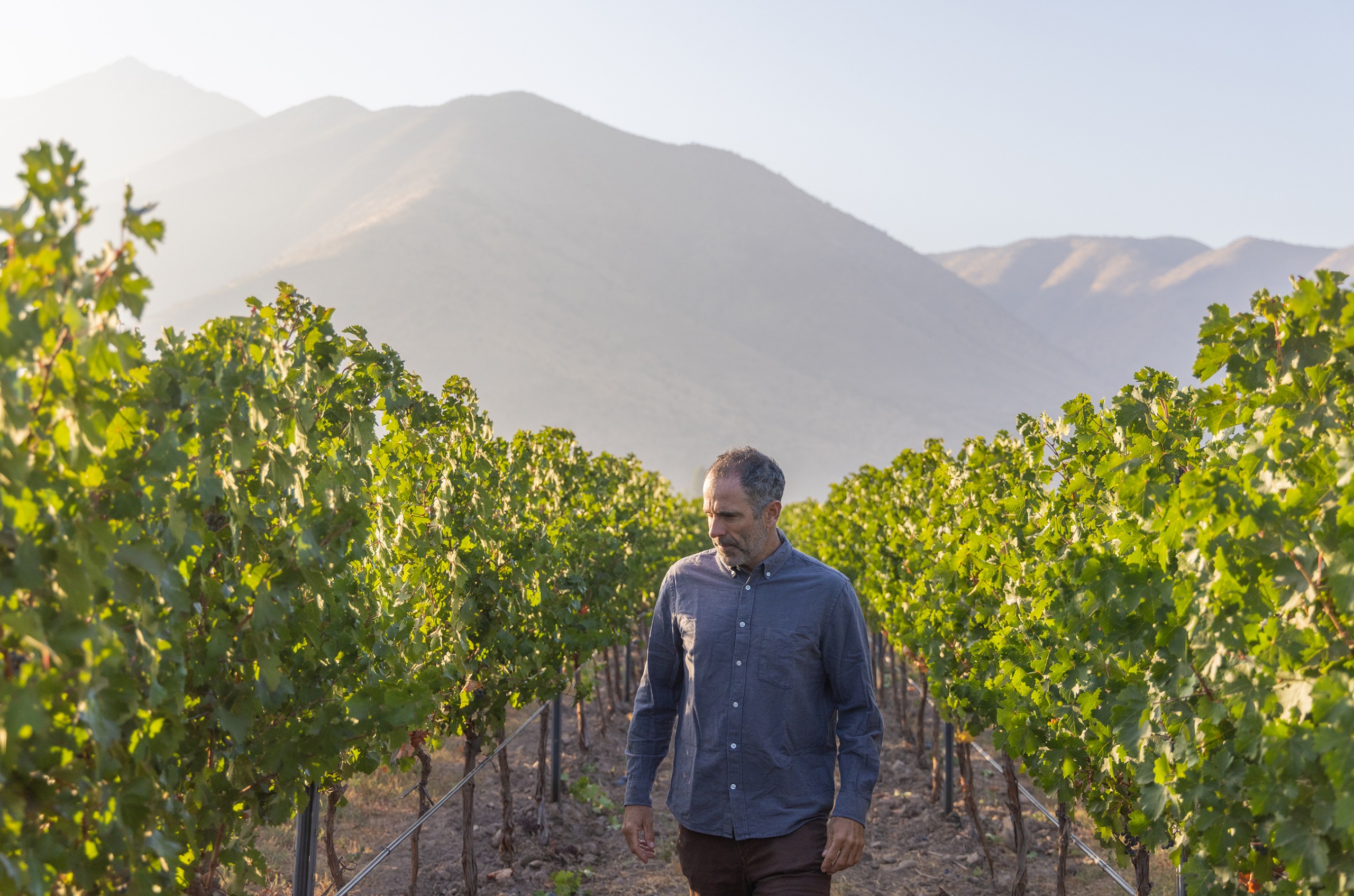 Casa Real 2023: A South American icon
Sponsored A renowned Cabernet Sauvignon...
-
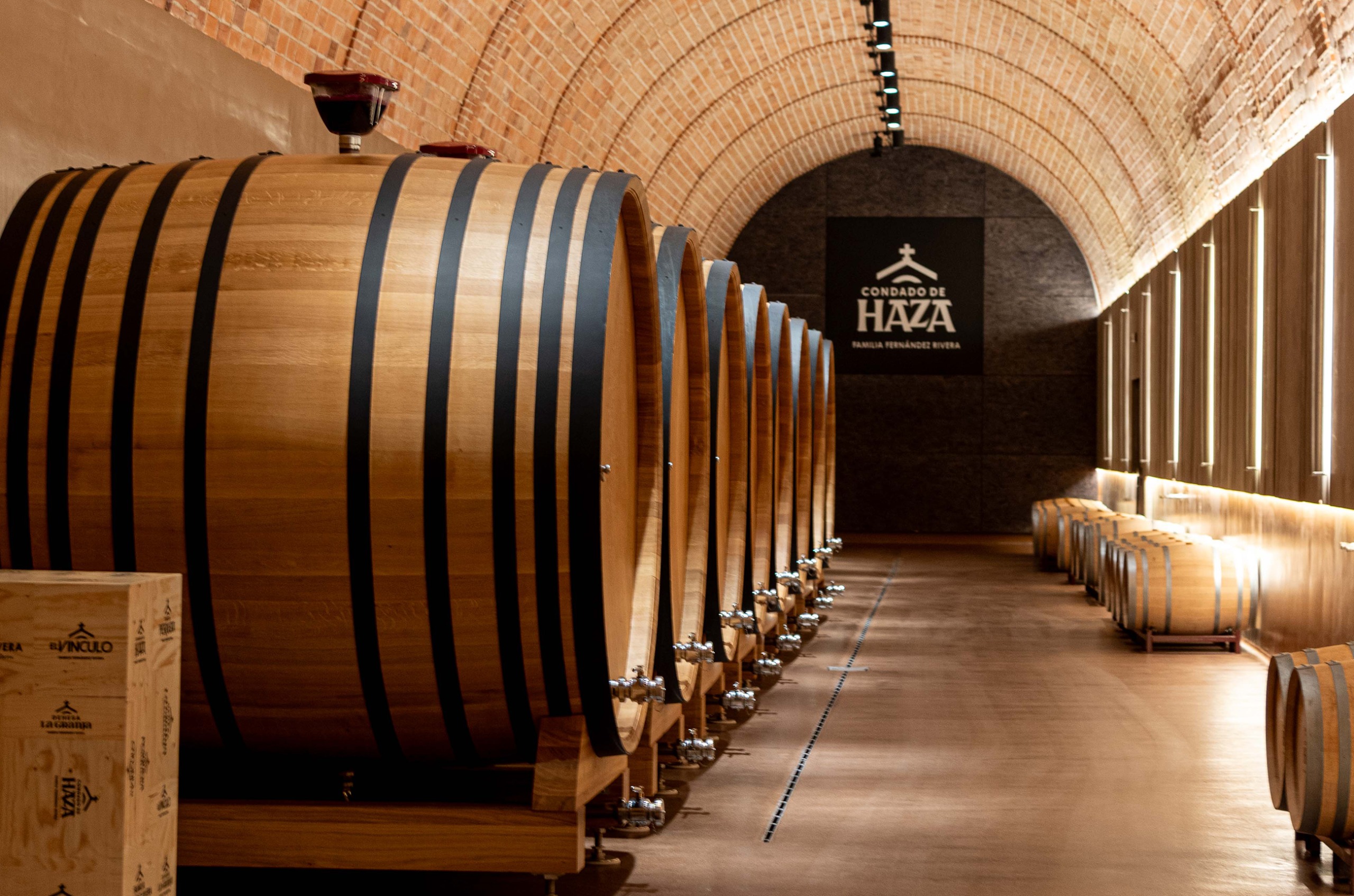 Critical acclaim for Condado de Haza
Sponsored A coveted medal...
-
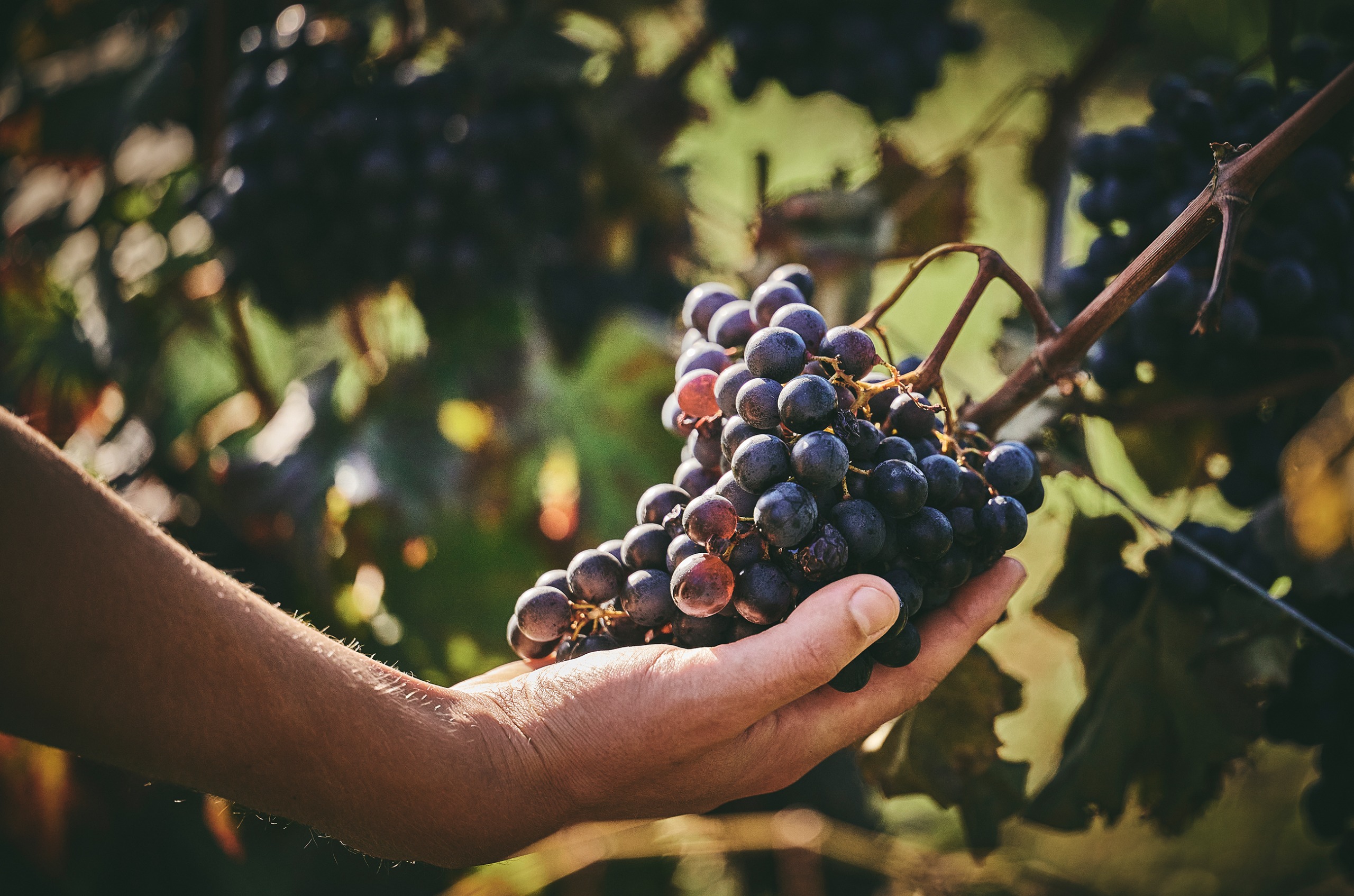 The life and soul of Istrian winemaking
Sponsored The region's flagship grapes...
-
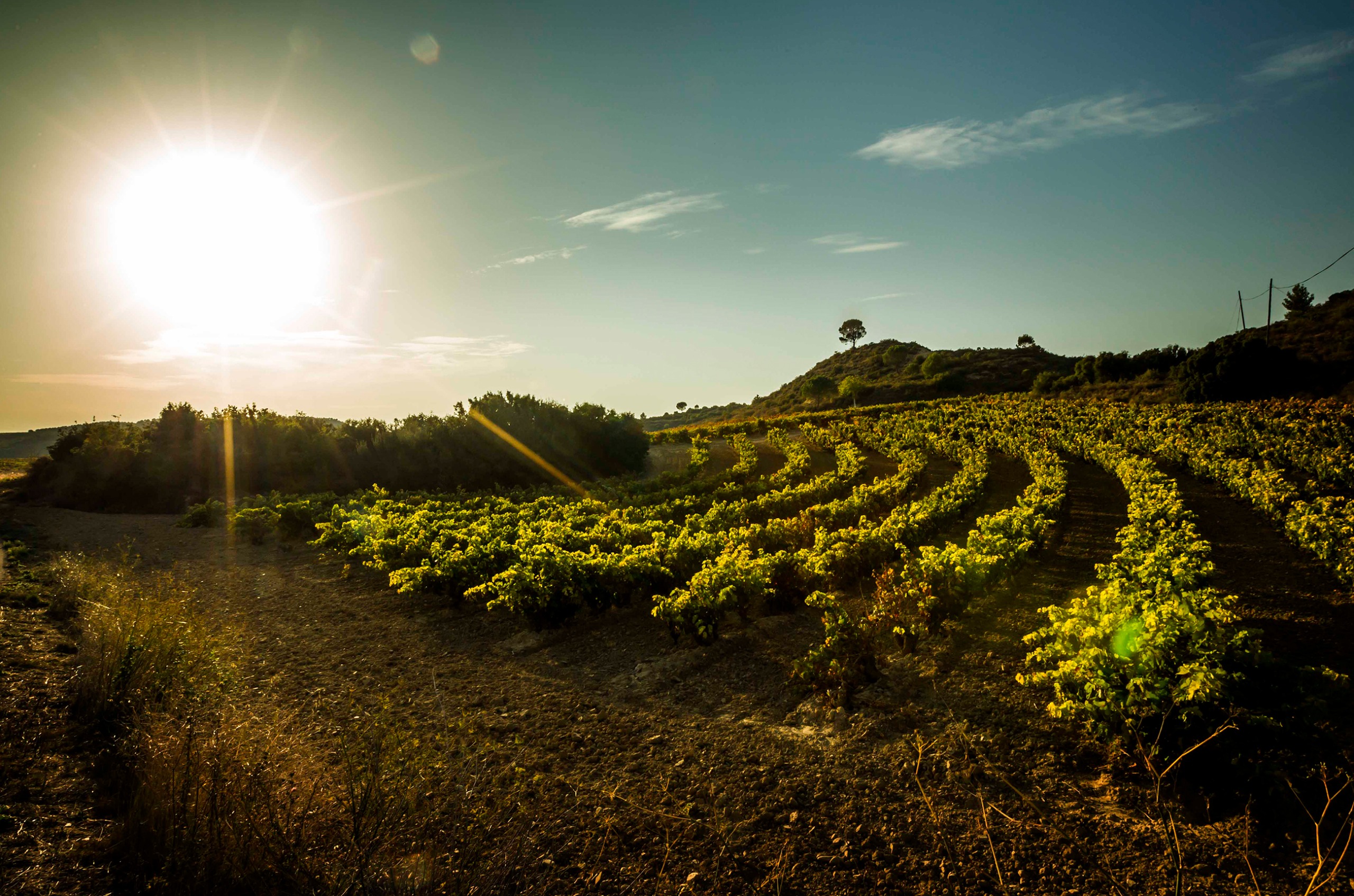 Bringing the spirit of Rioja to the UK
Sponsored Spain's leading wine region...
-
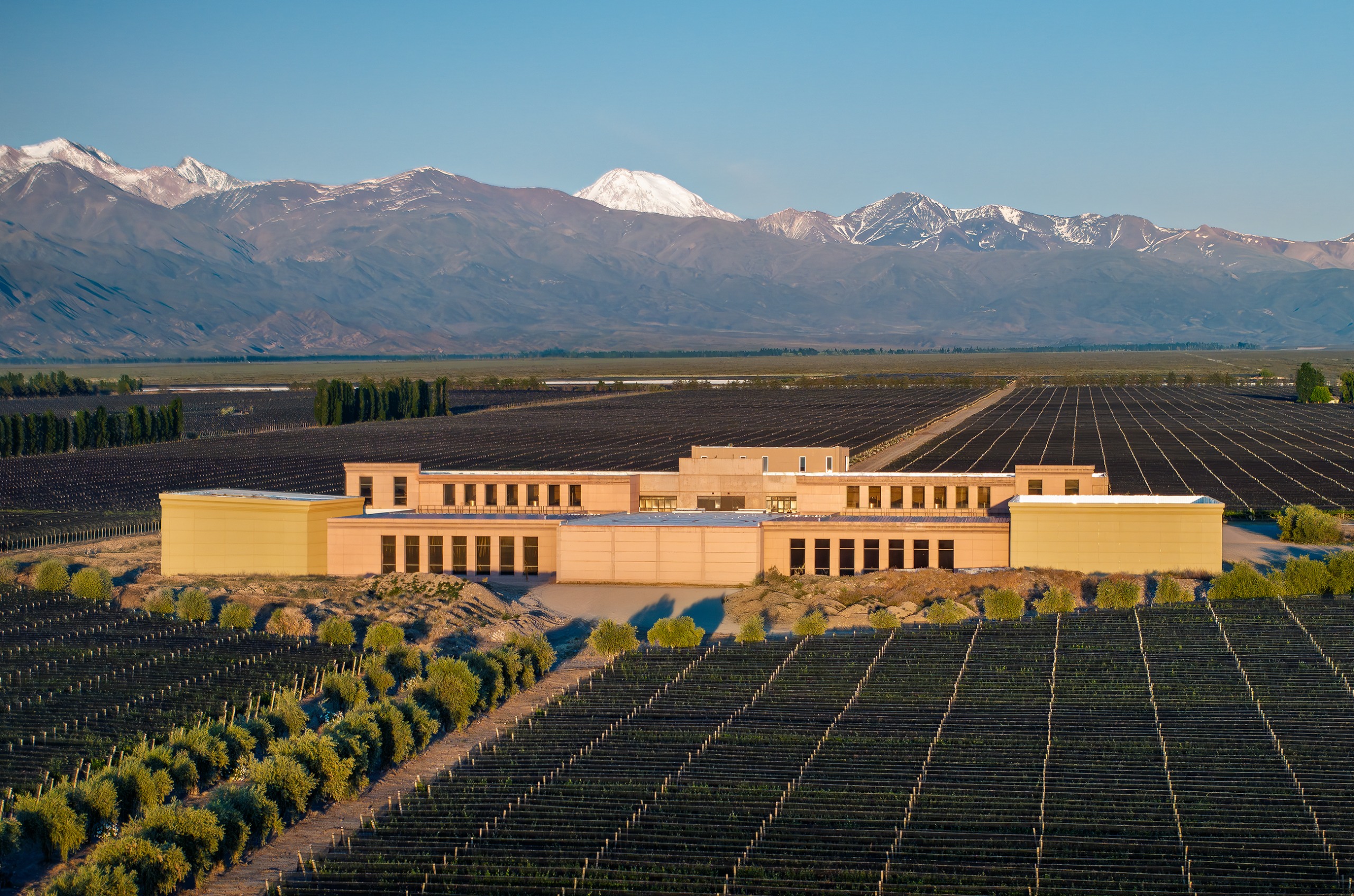 Apartado: Elegant interpretations of the Uco Valley from Rutini Wines
Sponsored The essence of the Uco Valley...
-
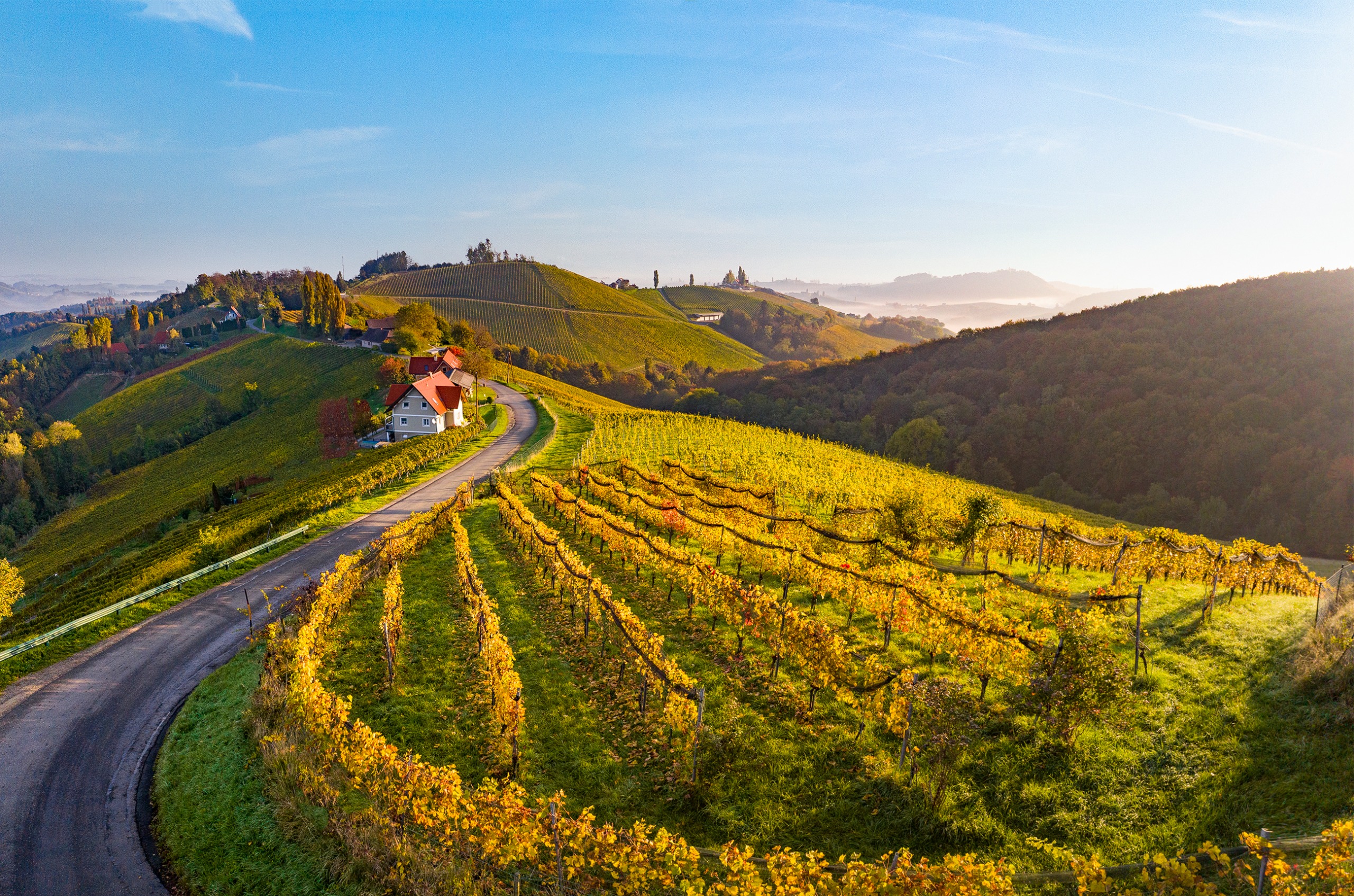 Award-winning wines from Austria
Sponsored Quality and diversity...
-
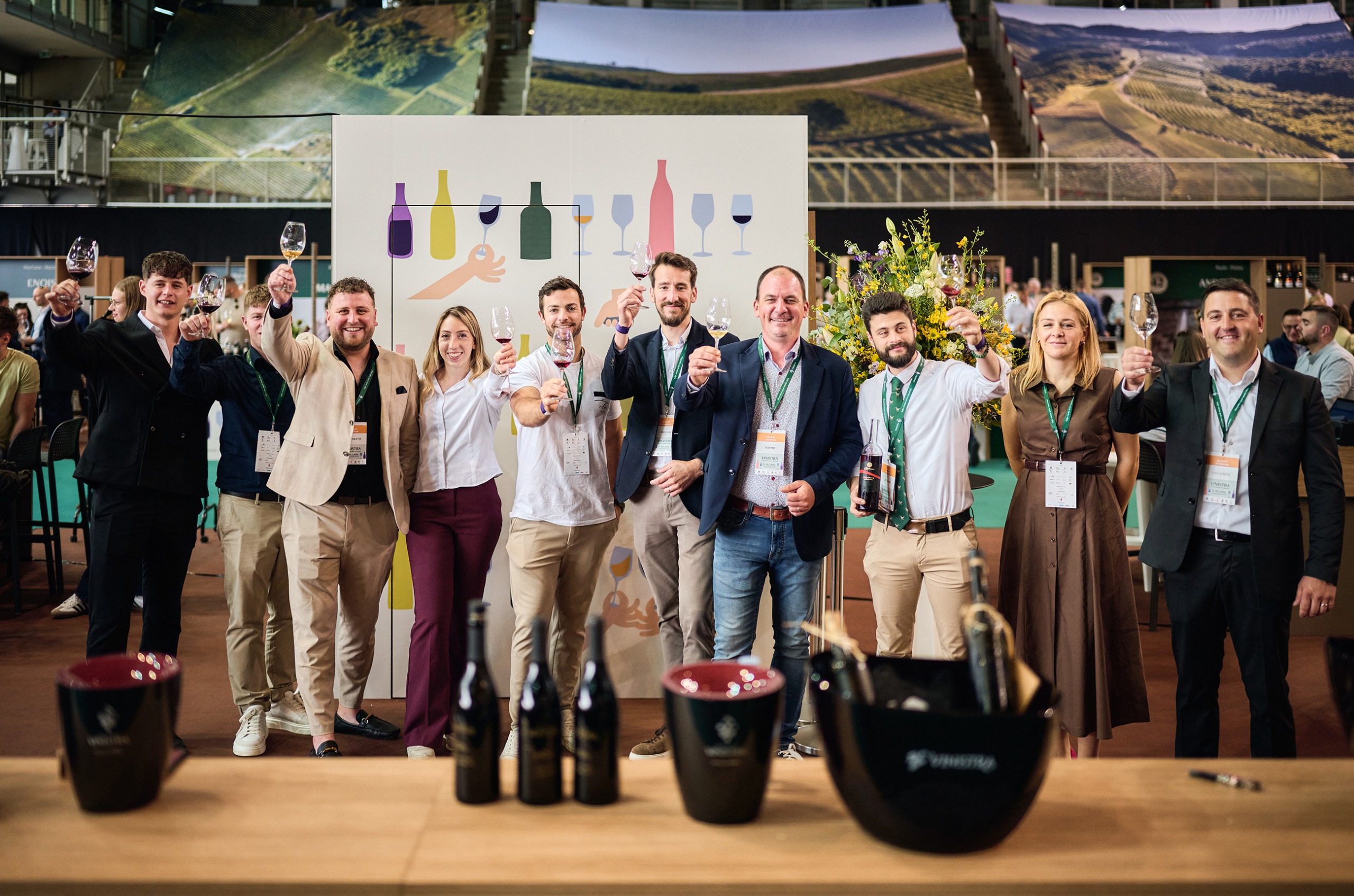 Gen V: The new face of Istria
Sponsored Taking Istria into the future...
-
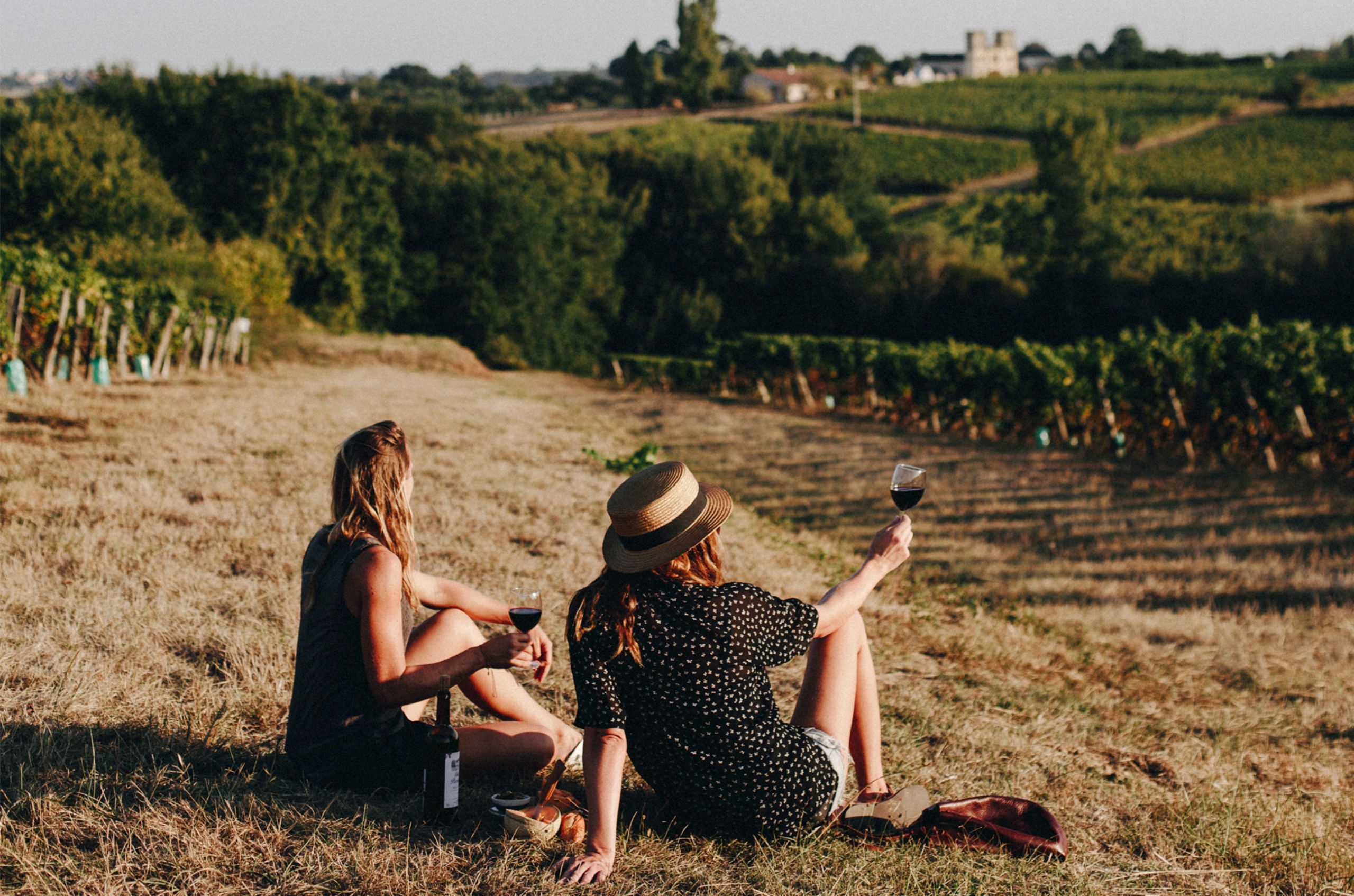 Bordeaux: One region, many voices
Sponsored Bordeaux reds in all shades...


