

Ken and Akiko Freeman are the husband and wife behind the family-owned estate on the dynamic West Sonoma Coast. As the winemaker, Akiko’s role is to translate the climatic extremes of their dynamic coastal terroir into nuance and subtlety in their Pinot Noir.
Founded in 2001, Freeman’s winemaking has always aimed to produce elegant wines, eschewing ripeness for grace and sophistication. Akiko worked alongside consulting winemaker Ed Kurtzman before taking on the winemaking herself with the 2009 vintage. Akiko now works alongside Eiji Daniel Akaboshi, her associate winemaker, making for an all-Japanese winemaking team at Freeman. The two share a culture and approach to winemaking, and Brazilian-born Akaboshi has deep family roots in the Sonoma region. He is an ancestor of one of the region’s founding winemakers, Kanae Nagasawa, who made wine in the area over 120 years ago.

Pursuit of elegance
Having grown up in Tokyo, Akiko’s upbringing has influenced her pursuit of elegance in the wines she has made since the beginning. When the winery launched in 2001, it immediately leaned into a more refined style. While Sonoma County Pinot Noir and Chardonnay styles have since evolved towards finer, more delicate wines, that was not the predominant trend in California in the early 2000s.
‘When we first started,’ says Ken Freeman, ‘the style, particularly of Chardonnay, was about opulence and oak. The bigger the wine, the bigger the scores. Our early wines were more restrained and with less oak from the beginning.’ The initial markets for the Freeman wines were in fine dining, working to help chefs and sommeliers see the similarities between their cool Sonoma Coast wines and those of Burgundy.
‘Many wineries will use the term “neutral oak”, but we’re using six, seven, and eight-year-old barrels,’ Akiko says. The winery’s aim is to highlight the vineyard site and purity of fruit, often with minimal intervention winemaking, to allow for the truest expression of the different grape varieties.

Commitment to a sense of place
The Freeman Pinot Noirs come from two separate estate sites. The Gloria Estate Vineyard is where the family home and winery are located, whilst the Yu-Ki Vineyard is further out on the rugged Sonoma Coast. State regulations and land preservation laws prevent timberlands from being cleared, so any new vineyard site must be planted on former farmland: Yu-Ki was a one-time sheep farm and Gloria a fruit orchard.
While both vineyards produce wonderful Pinot Noir today, the Gloria site has been an exercise in reclamation and recovery. Purchased in 2005, the 8-acre (3.5ha) site had seen substantial chemical usage during its time as an apple orchard. As a result, before planting could commence, the Freemans had to work on rebuilding soil health, a process that continues to this day.
‘We started with cover crops like clover and sweet peas to get nitrogen back into the soils’, says Akiko. The initial approach was to use tilling to tackle soil compaction and to help introduce more oxygen into the soil. However, upon understanding the impact this was having on microorganism habitats, the Freemans put an end to tilling in favour of planting daikon radishes. The roots of the radish help to break up compact layers of soil, without releasing carbon and destroying soil surface structure. ‘We planted about a million daikon in our vineyard,’ Akiko says.
The Freemans are farming both of their estate vineyards organically and are in the process of gaining certification. They use regenerative no-till practices, with plenty of cover crops, raptors for pest control, and minimising spraying unless absolutely necessary.

Pinot Noir as an expression of terroir
The Gloria Estate Vineyard is planted with six different clones of Pinot Noir in as many blocks. The clones include Swan, Pommard, 115 and two blocks of Calera clone Pinot Noir. Akiko uses only a small percentage of whole cluster (5-8%) in her winemaking and only after pressing. She uses a maximum of 30% new oak in a given vintage.
Whilst the winery produces Chardonnay wines from fruit purchased from non-estate vineyards, the Freeman Pinot Noirs communicate a special sense of place that is reflective of their vineyards and winemaking philosophy. ‘Pinot Noir is a wine of great transparency, and it tells the story of the spirit of these sites and our Sonoma Coast terroir,’ says Akiko. ‘I just try to let it be itself.’
Discover more about Freeman Winery
Connect onFacebook | Instagram


-
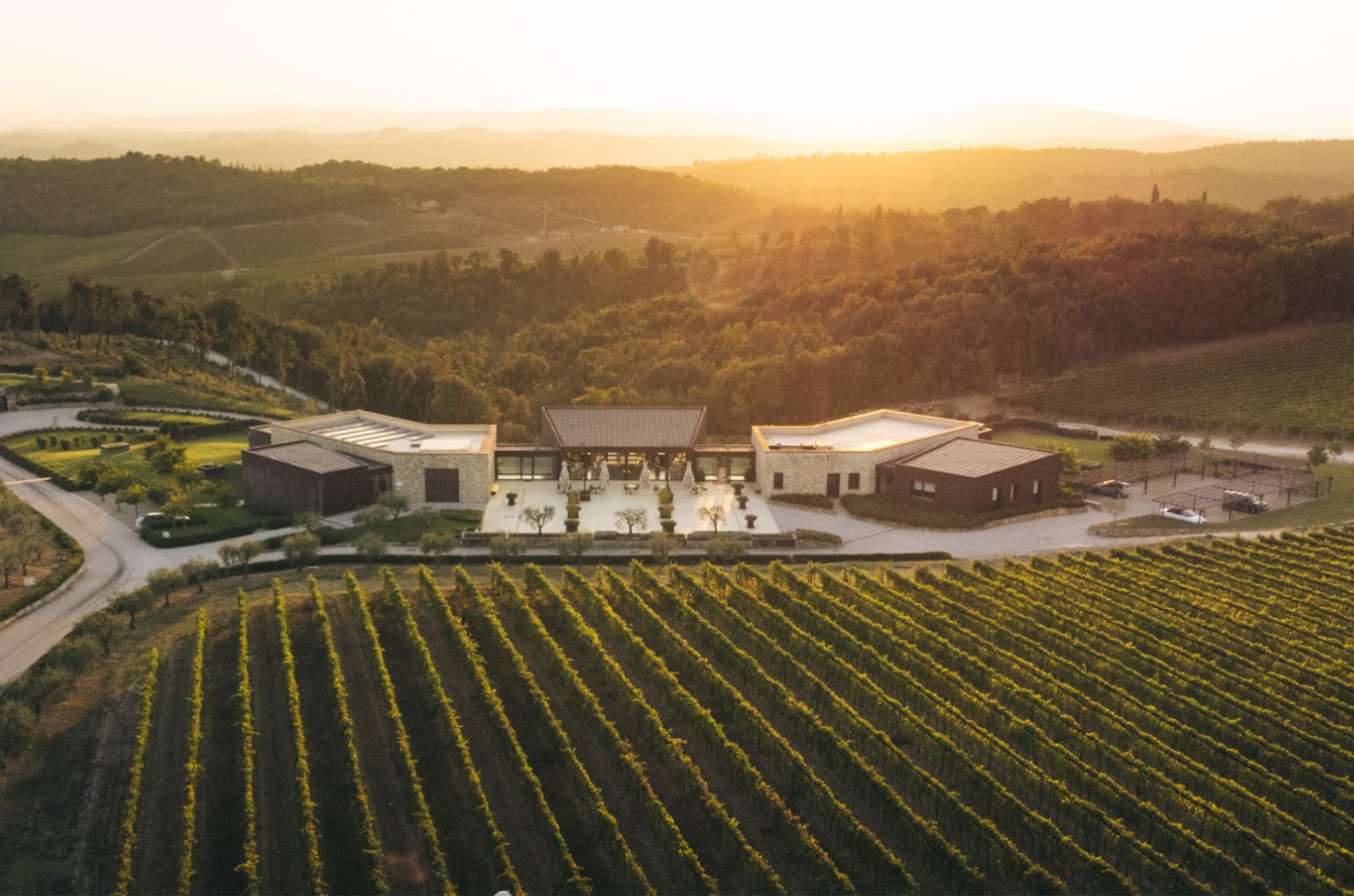 Vallepicciola: Tourism and winemaking in the Chianti hills
Sponsored Winemaking and luxury hospitality...
-
 Wine educators win 2026 Barca-Velha Golden Vines MW Scholarships
The Gérard Basset Foundation, Douro producer Casa Ferreirinha and Liquid Icons have named Christy Fuhrman and Loreto Pancorbo as the recipients of the 2026 Barca-Velha Golden Vines MW Scholarships.


-
Vallepicciola: Tourism and winemaking in the Chianti hills
Sponsored Winemaking and luxury hospitality...
-
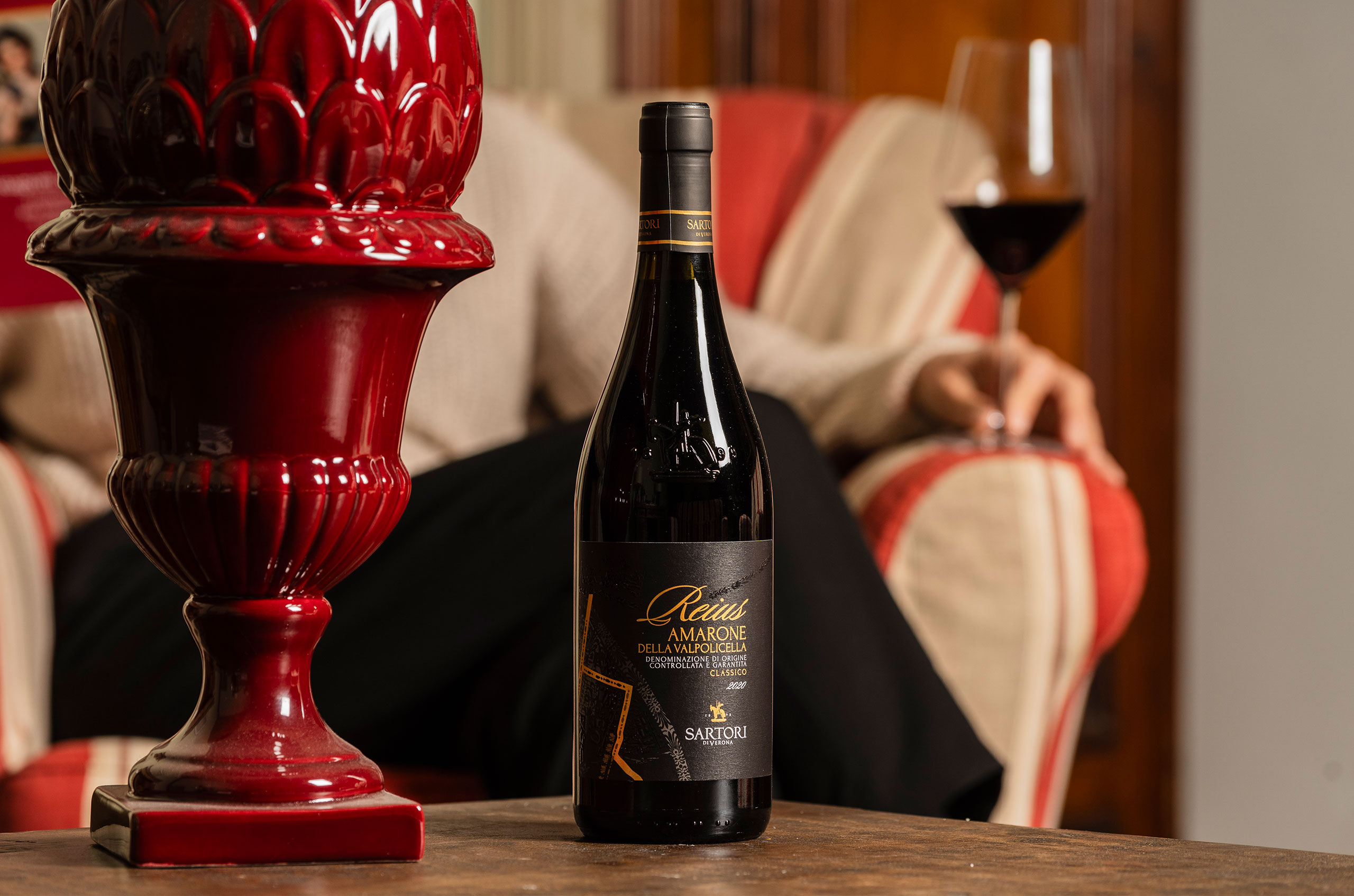 A standout voice in Valpolicella
Sponsored A key name for Valpolicella and Amarone...
-
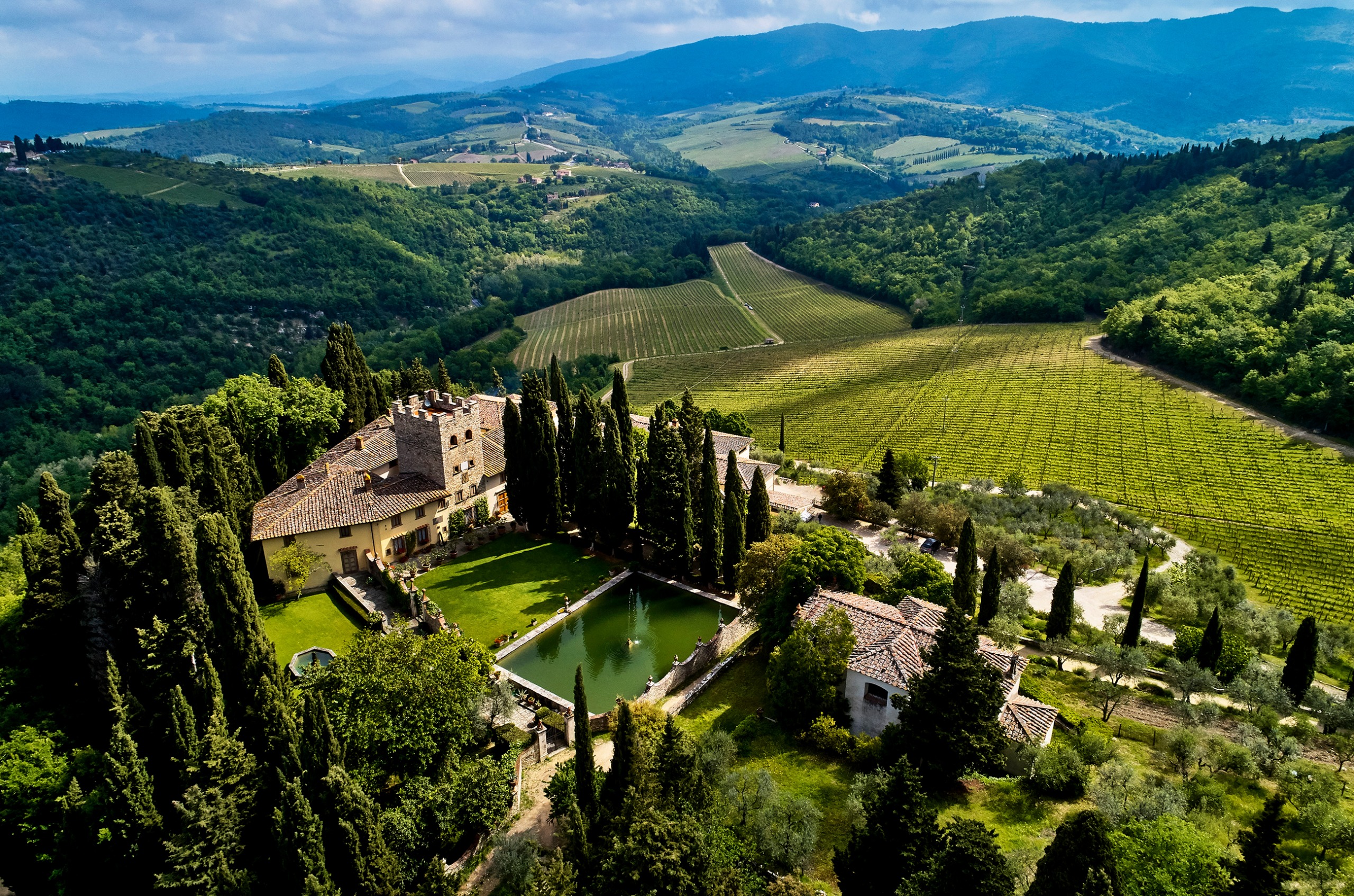 Discover the world of Castello di Verrazzano
Sponsored An ancient castle set amid sprawling vineyards...
-
 Barbera d'Asti DOCG: Tradition and modernity in Piedmont
Sponsored Many expressions of one variety...
-
 Sergio Mottura: Excellence in Tuscia
Sponsored A renowned figure in Lazio...
-
 Florio: Winning new fans while respecting Marsala’s history
Sponsored An important milestone in Marsala...
-
 Sensi Vini: The gateway to your Italian wine exploration
Sponsored Chianti and beyond...
-
 Celebrating European diversity
Sponsored Introducing the ‘Celebrate the Diversity’ project...


