

The Spanish sparkling wine scene, spearheaded by Cava producers, is changing fast. Emerging categories, the rise of organic viticulture and an ongoing single-vineyard revolution have given the DO a fresh new identity, and re-energised vision. Today, Cava’s most distinctive brands are making waves, with major innovators like Jaume Serra leading the charge.
Building a reputation
Jaume Serra’s charming original building and walled farm, called ‘El Padruell’, date back to 1647, and the estate is well known to sommeliers and wine lovers across Spain. Situated less than 5km from the Mediterranean, the winery offers breathtaking views of the Catalan coast, where vineyards merge into the sea. This was the landscape that captured the imagination of Don Jaume Serra Güel in 1943, prompting him to establish his eponymous estate.
After an extended visit to the idyllic vineyards of Jaume Serra in Vilanova i la Geltrú, in the province of Barcelona, Catalonia, the García-Carrión family purchased the winery in 1997. Jaume Serra was the perfect addition to the firm’s premium portfolio, alongside other renowned brands and building upon García-Carrión’s winemaking tradition, spanning over 125 years. The acquisition of Jaume Serra allowed the strategic expansion of the leading, pan-regional brand Pata Negra.
By introducing a Cava to the Pata Negra collection, Garcia Carrión was able to bring both its award-winning brand and Spanish sparkling wines to a wider worldwide audience. It consolidated Pata Negra’s position in key markets, while also propelling the Cavas bottled under the Jaume Sierra name itself. Today, the two brands are synonymous with quality Cava in 157 countries, leading the DO’s presence in England, Belgium and Germany and continuously growing in the United States and Asia.

Innovation meets tradition
The winery at Jaume Serra, built by its founder, opened in 1986. Since then, it has maintained a judicious balancing act between tradition and dynamism. Here, the cellar master blends different grape varieties before they undergo a secondary fermentation in bottle. The best cuvées are then aged for up to five years before disgorgement, enriching the wine with yeast autolysis. The result is an array of Cavas with lovely precision and focus, allied to creamy complexity.
But there is another side to Jaume Serra that is almost space-age. Indeed, this historic estate is, paradoxically, one of the most innovative producers in Catalonia; state-of-the-art automation technology is harnessed to augment and improve the winemaking processes at Jaume Serra. For instance, impressive laser-guided robots meticulously prepare pallets for the secondary fermentation. The same pallets then smoothly traverse the interior of the cellars towards gyro-palettes, where lees stirring occurs, and the bottles subsequently proceed to the disgorging line.
Meanwhile, a top team of 10 oenologists – drawn from a diverse range of backgrounds – busy themselves with fashioning the perfect blend of terroirs and grape varieties. There are few wineries where innovation and tradition coexist on such equal terms as they do at Jaume Serra. This isn’t merely a skin-deep slogan either – it’s the overarching philosophy which underpins the company’s long-term strategy. A twenty-first-century approach that elevates an incredible legacy.

A diverse range
Yet the proof, of course, is in the wines. Three local varieties (Macabeo, Xarel·lo, Parellada) are principally used to make white Cava at Jaume Serra, complemented by the Chardonnay grape. The rosé iterations, meanwhile, rely on varying percentages of Trepat and Pinot Noir. The palette of varieties provides the raw material for a diverse range, defined by its impeccable freshness, minerality and focus: from the seductive Jaume Serra Bouquet to the rich, complex Jaume Serra Brut Nature Vintage, by way of the Jaume Serra Chardonnay Gran Reserva and the gastronomic Cava Jaume Serra Pinot Noir Rosado. Meanwhile, Pata Negra’s three sparkling labels are defined by an approachable, fruit-driven exuberance that has made them absolute favourites among consumers.

Ethical winner
The Jaume Serra Blanc de Blancs Gran Reserva is one of the finest Cavas made in Spain today, matured in French barrique and aged on its lees for at least 30 months. Its smooth elegance, rich autolytic flavours and freshness have earned it many awards and international acclaim. It contributed – alongside the longstanding success of the Pata Negra wines which, with its wines from eight different Spanish regions, continues to swipe up awards – to García-Carrión’s outstanding success in 2023. The family were awarded more than 1,000 medals, including high praise from Decanter’s own judges at the DWWA.
García Carrión is also part of a global firmament that displays a sincere commitment to sustainable wine production. Encompassing social, environmental and economic missions, the company has spearheaded a major reduction in carbon footprint with the installation of solar technology in nine facilities. Today, 30% of the energy requirements at Jaume Serra are produced from solar panels, while the remaining 70% also comes from renewable sources. So, if you thought Cava was a static wine category, you need only look to the hills of Vilanova i la Geltrú to be pleasantly surprised. Buoyed by a singular focus on quality and significant R&D investment – with proven results – Jaume Serra is taking Cava and ethical winegrowing to the next level.
Discover more about Jaume Serra
Connect onFacebook | Instagram | Twitter | YouTube

-
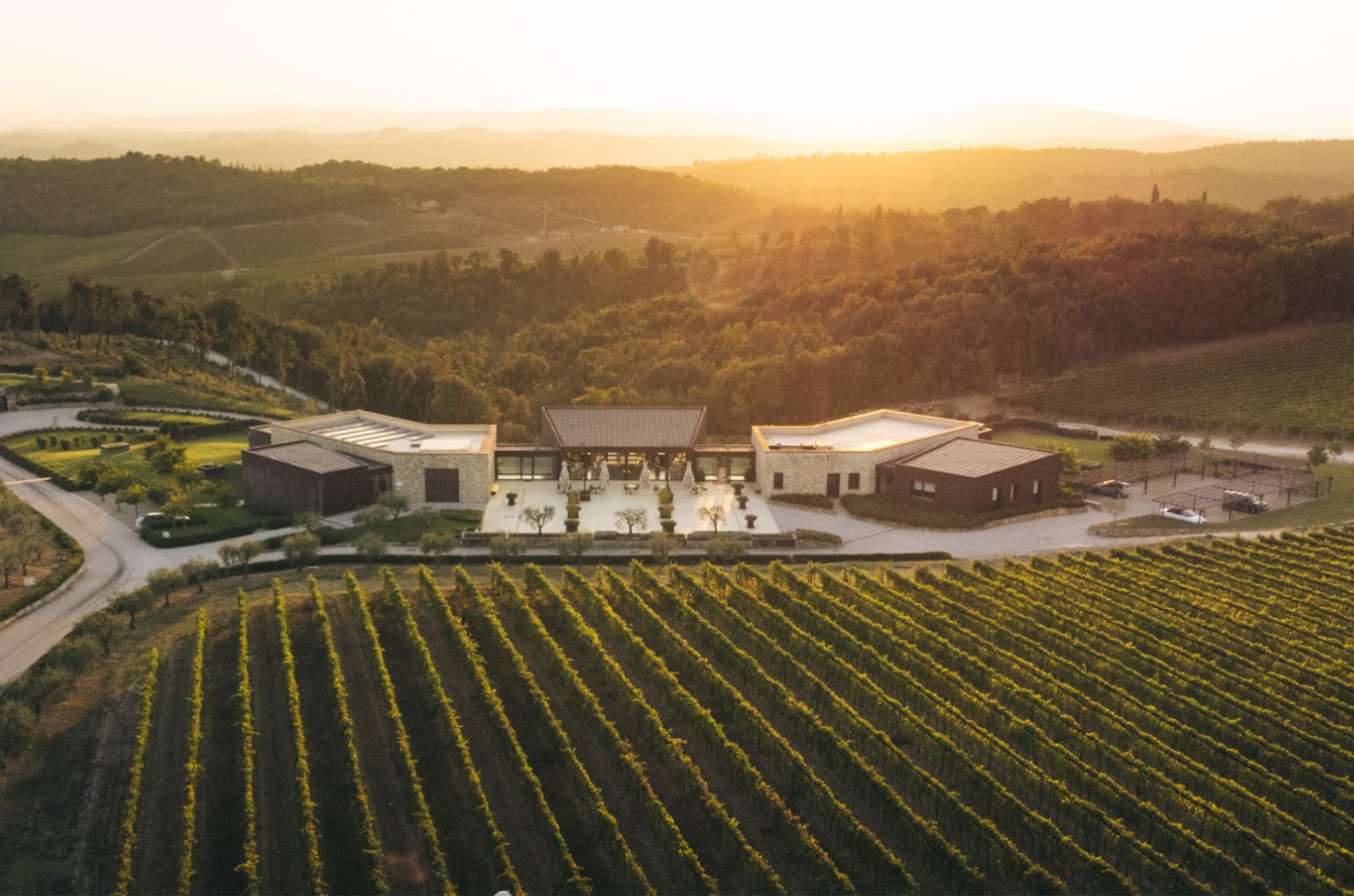 Vallepicciola: Tourism and winemaking in the Chianti hills
Sponsored Winemaking and luxury hospitality...
-
 Wine educators win 2026 Barca-Velha Golden Vines MW Scholarships
The Gérard Basset Foundation, Douro producer Casa Ferreirinha and Liquid Icons have named Christy Fuhrman and Loreto Pancorbo as the recipients of the 2026 Barca-Velha Golden Vines MW Scholarships.


-
Vallepicciola: Tourism and winemaking in the Chianti hills
Sponsored Winemaking and luxury hospitality...
-
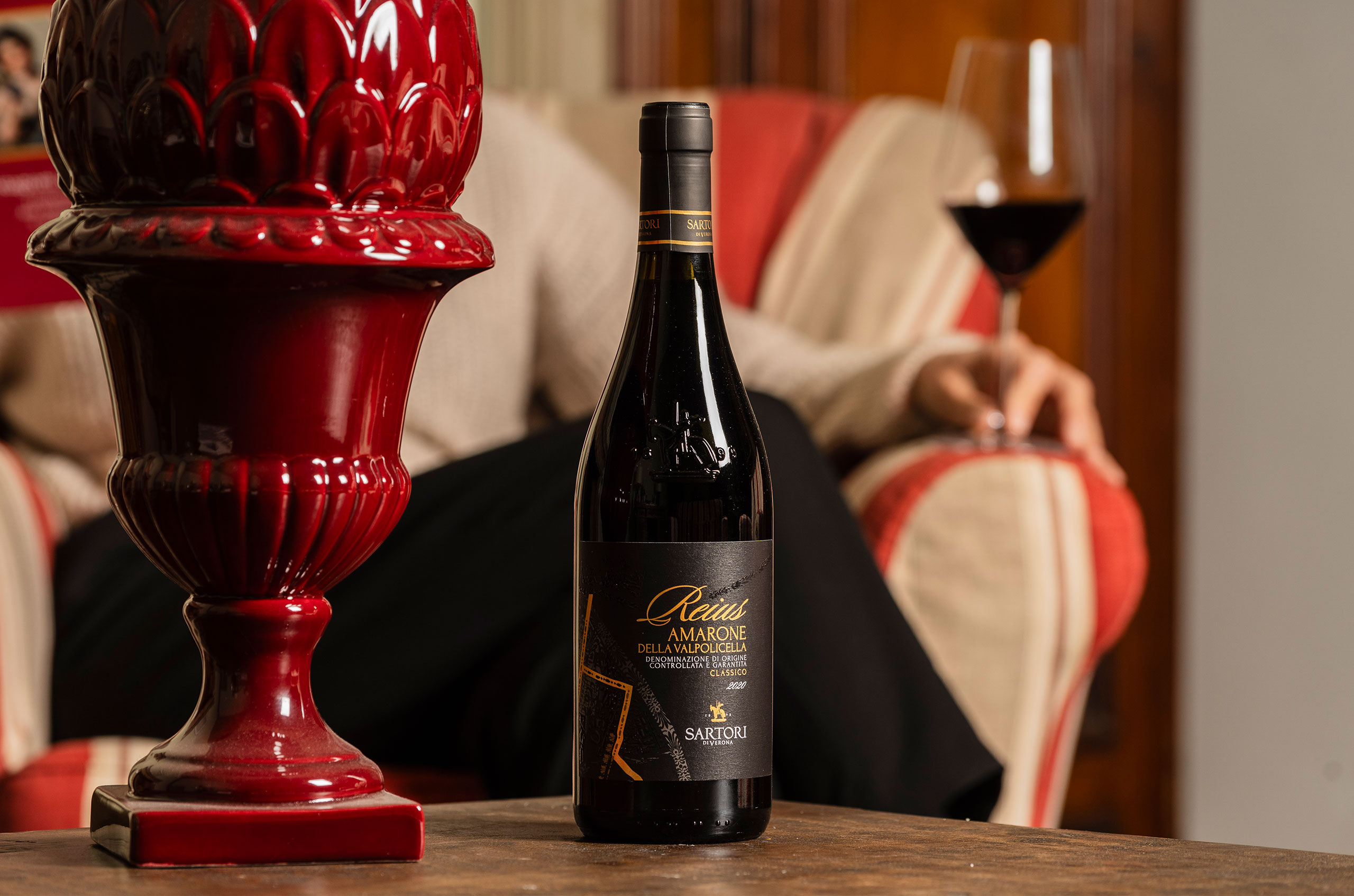 A standout voice in Valpolicella
Sponsored A key name for Valpolicella and Amarone...
-
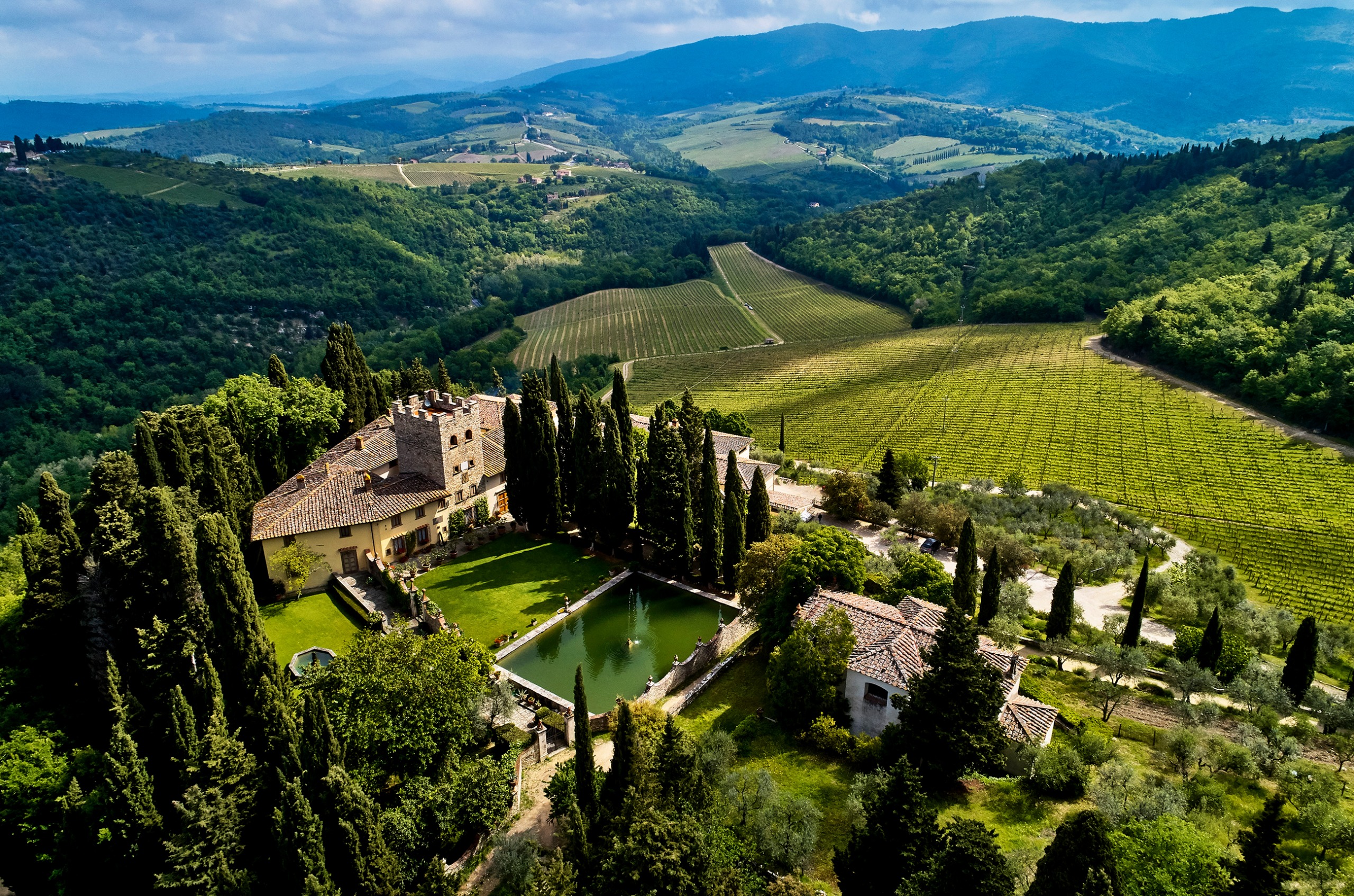 Discover the world of Castello di Verrazzano
Sponsored An ancient castle set amid sprawling vineyards...
-
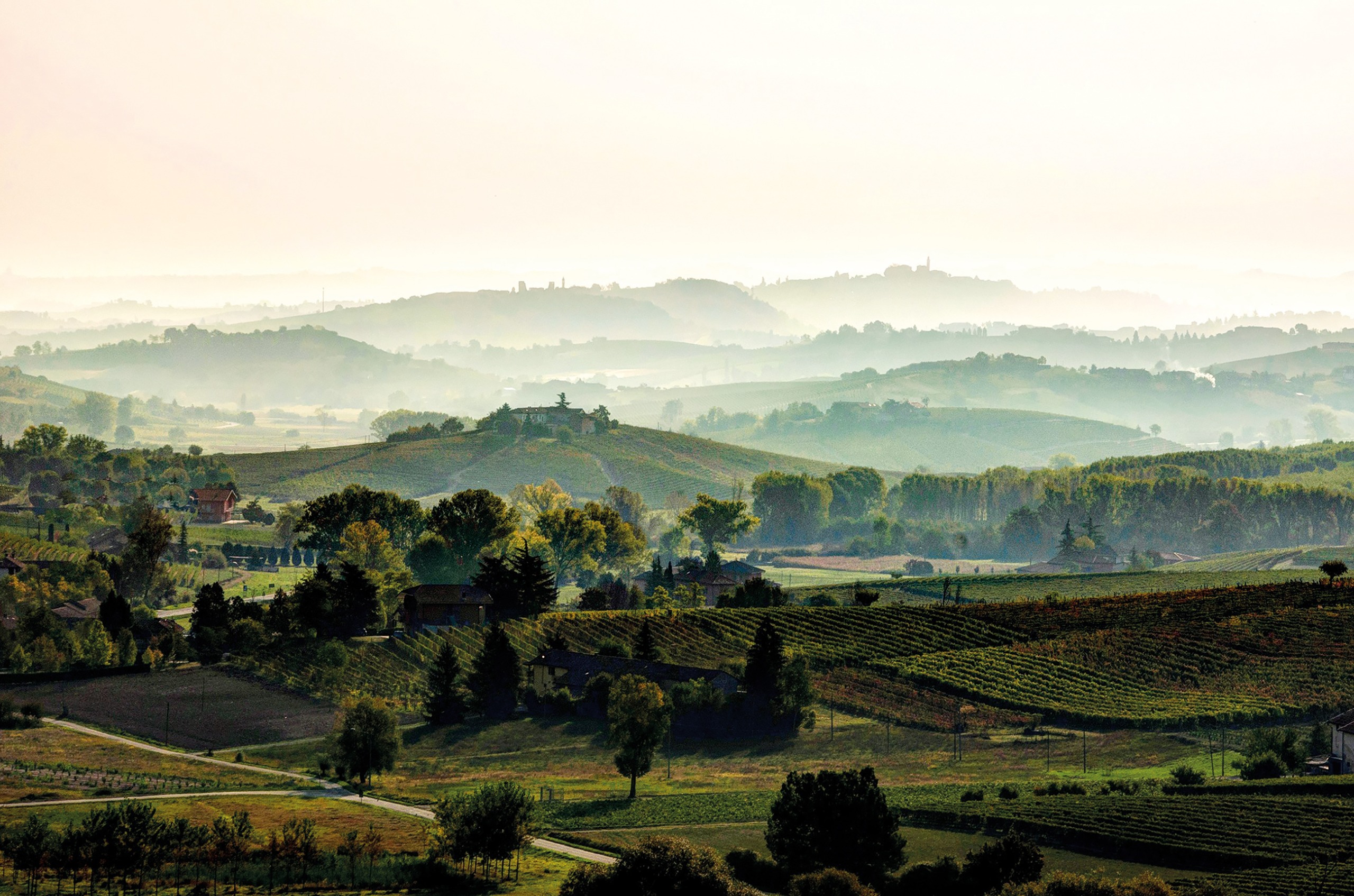 Barbera d'Asti DOCG: Tradition and modernity in Piedmont
Sponsored Many expressions of one variety...
-
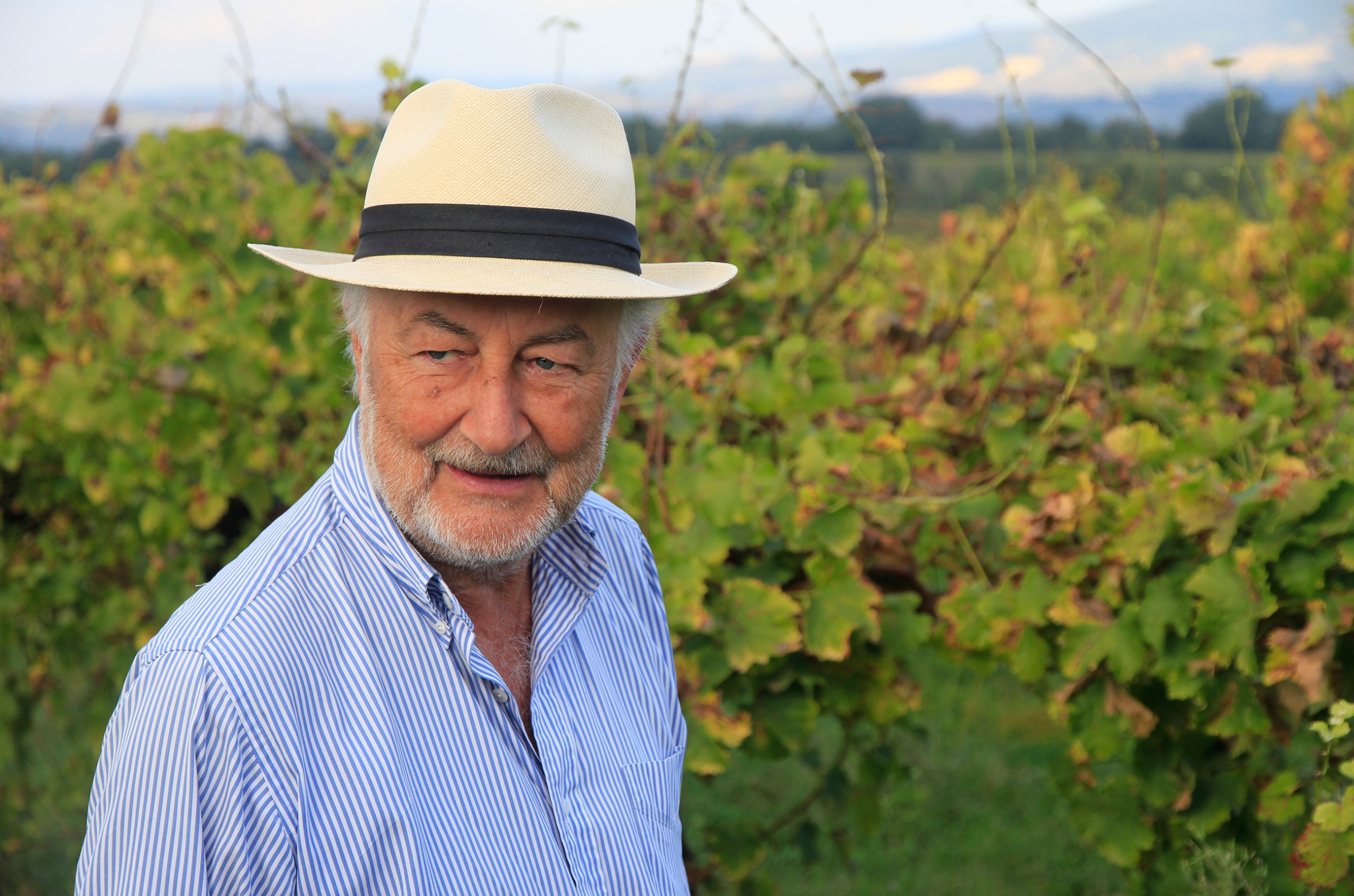 Sergio Mottura: Excellence in Tuscia
Sponsored A renowned figure in Lazio...
-
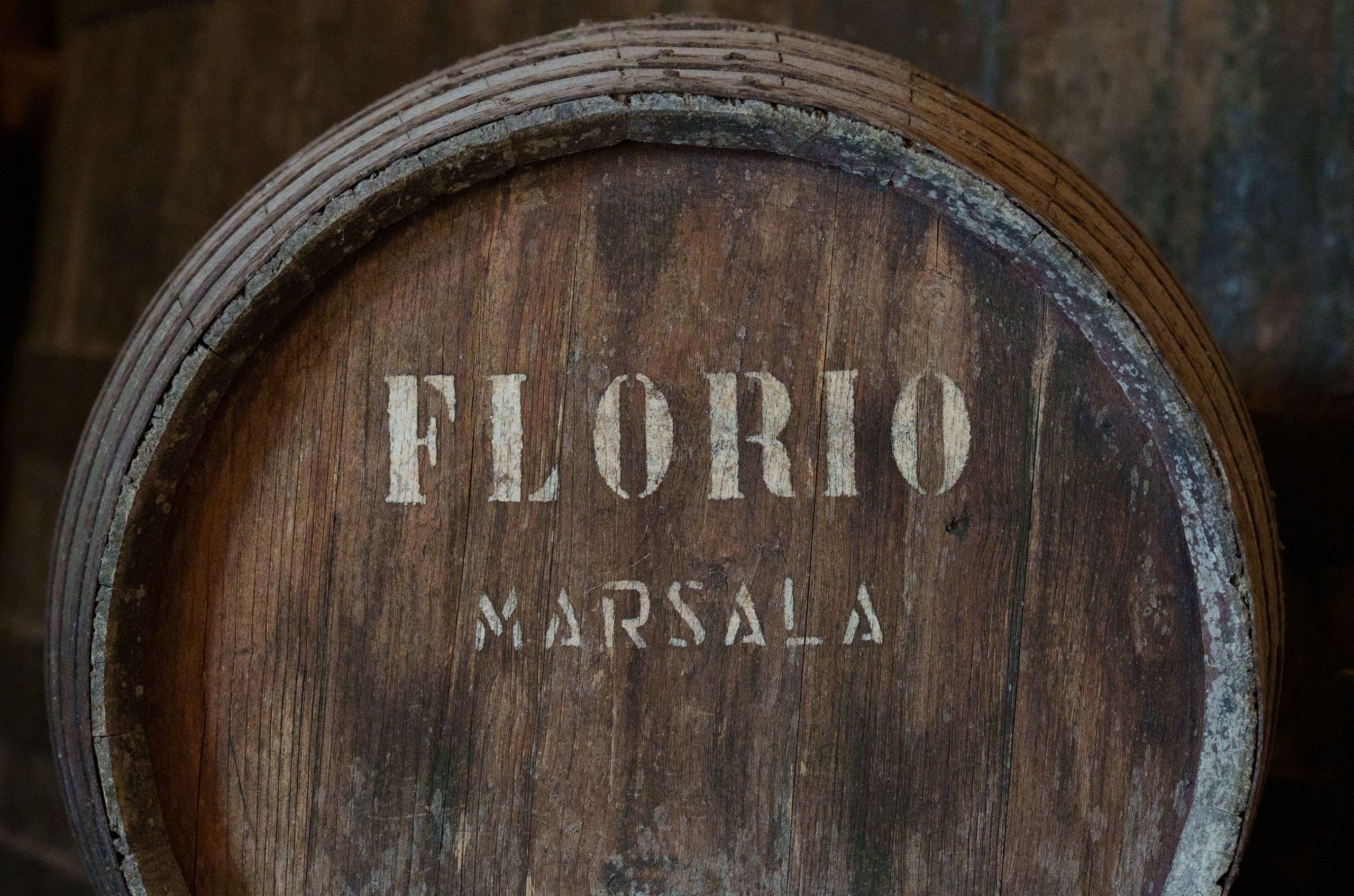 Florio: Winning new fans while respecting Marsala’s history
Sponsored An important milestone in Marsala...
-
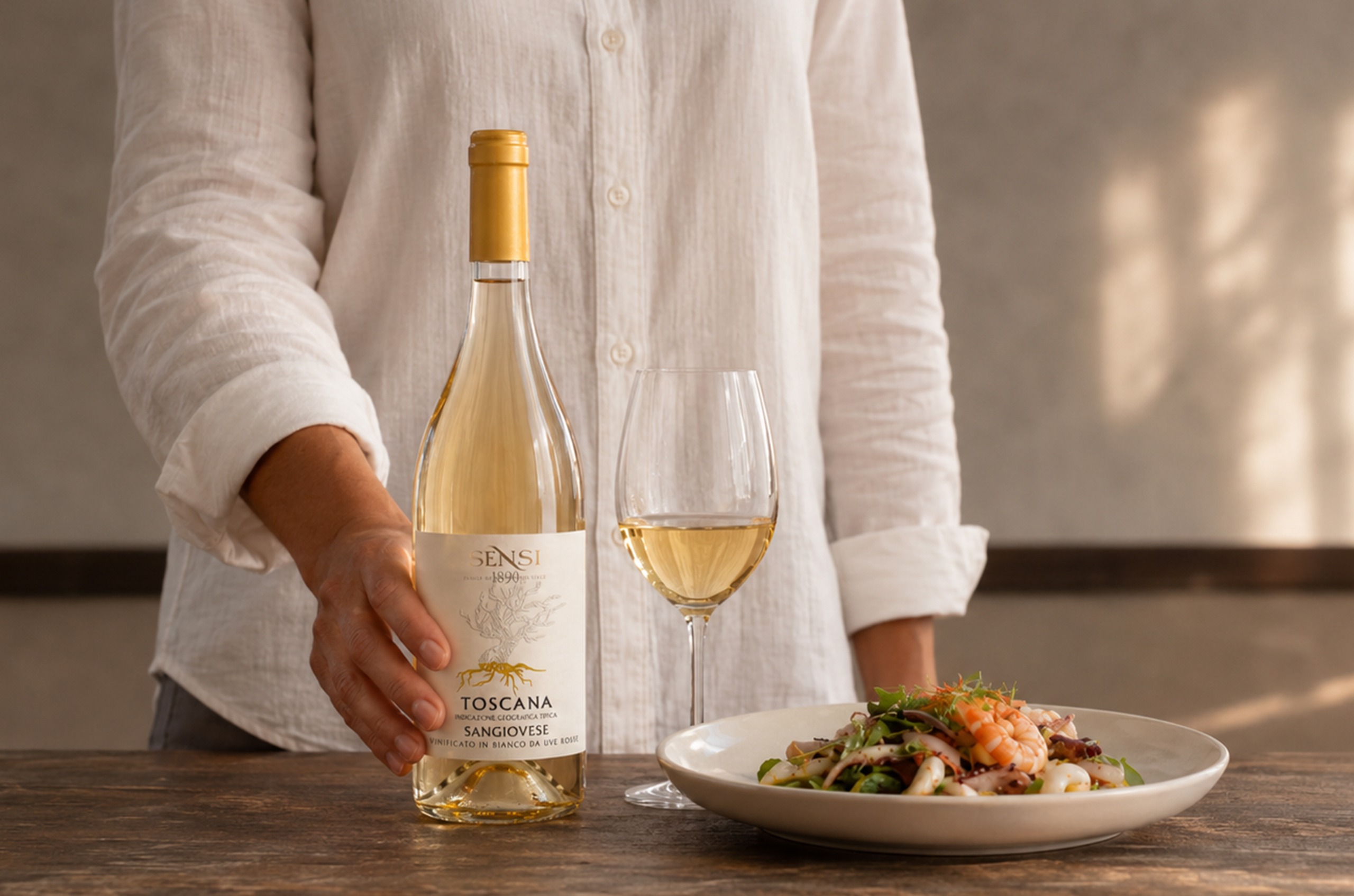 Sensi Vini: The gateway to your Italian wine exploration
Sponsored Chianti and beyond...
-
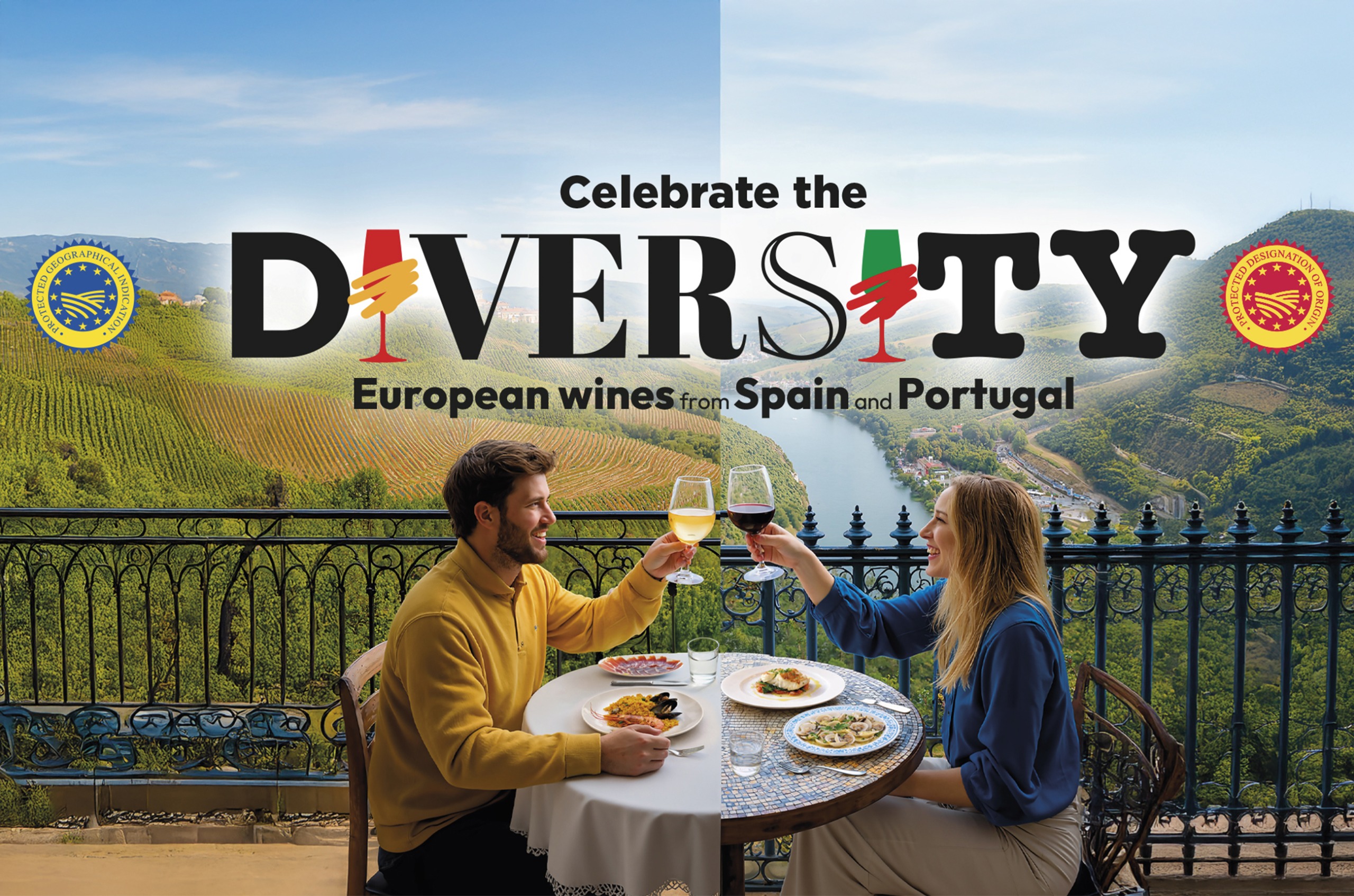 Celebrating European diversity
Sponsored Introducing the ‘Celebrate the Diversity’ project...


