

High in the hills in the heart of the Chianti Classico there’s a place called Lamole that has all the characteristics of a country idyll. Quiet, pristine countryside and a small agricultural village. The Romans first planted vines and olive trees here, and the Gherardini family from Florence built a large castle to control the area in the Middle Ages. Which now lies in ruins, except for the cellars, which are used to host the barrels where Lamole di Lamole Chianti Classico undergoes its maturation process.
This is the centre of an estate comprising 40ha of vineyards lying at between 350-655 metres a.s.l. in the commune of Greve, south of Florence. The estate is called Lamole di Lamole, and it’s run with what might be called pragmatic idealism. Viticulture is organic, but it’s organic to reduce labour and grow better grapes, not as a dogmatic creed. Grape picking is meticulous, but even better when aided by an optical scanner. Ageing in wooden barrels uses the traditional larger barrel size to reduce the amount of influence the wood might have on the wine.
The wines produced here are powerful and elegant, made with passion and skill, the fruits of a unique terroir. There’s the full declension of Chianti Classicos, including the most prestigioius terrior-recognising label that is Gran Selezione. And of course, this being a traditional estate and something of an idyll, some delicious dessert wine in the form of Vinsanto, too.

Lam’Oro
Which should be enough for any idyllic estate in the heart of Tuscany. Except that the 2015 harvest saw the creation of the first of a new type of wines for this estate, a SuperTuscan Toscana IGT wine called Lam’Oro. “Lam” from Lamole and “Oro” from the Italian for gold. And it’s out for release now.
Lam’Oro comes from the hillside vineyards of Lamole, the high-lying vines that surround the rocky ravines cut into the hills that give Lamole its name, and the gold is the Italian sun which lights up this “terrace” dominating the Chianti Classico area, protected by Monte San Michele to the north.
The gold is also the gold leaf label which is the calling card of this iconic bottle: a precious blend of Sangiovese, Cabernet Sauvignon and Merlot grapes in almost equal quantities, picked from the winery’s own vineyards at an altitude of between 420 and 655 metres above sea level.
These are the best bunches of grapes from tiny vineyards. Sangiovese is used to give the wine richness, Cabernet Sauvignon to give elegance, and Merlot for texture. Each variety is picked and vinified separately and given 6 months ageing in barriques before assemblage.
The 2015 vintage is the embodiment of this unrivalled terroir and the quintessential expression of its potential, a SuperTuscan in other words, in its purest form as the soul of a Tuscan wine taken to its ultimate expression, based around specially selected grapes, cultivated in the most suitable terroirs and produced using the most appropriate methods and techniques.
Lam’Oro is a wine nurtured through every stage of its life in this unique habitat where nature is truly respected and biodiversity and woodlands are actively safeguarded, and it’s the way Lamole di Lamole renews and recreates the idyll that is Tuscany.
Lamole di Lamole Chianti Classico range

Chianti Classico
Sangiovese, Canaiolo
Fermentation is carried out on the skins for about seven to ten days at a controlled temperature of 24-26°C. After spending six months in steel, the wine is racked into big oak casks for 12-15 months.
Tasting note: Deep, vibrant ruby red. Typical hints of violets on the nose with cherries and berry fruits, lifted by a grace note of minerality. Full-bodied with savoury freshness to the fore on the mid-palate, before the delicious fruity finish.
Chianti Classico Blue Label
Sangiovese, Cabernet Sauvignon, Merlot
Temperature-controlled fermentation at 26°C lasts for around 8-10 days, with pumping over in an open vat during the initial phase. The malolactic fermentation follows immediately. Sangiovese grapes are matured in traditional 50hl oak casks, while the Cabernet Sauvignon and Merlot grapes are matured in French oak barriques with various degrees of toasting.
Tasting note: Deep ruby red colour with aromas of black cherries, berry fruit and flower-like aromatics with sweet spiciness. Full-bodied with fruity finish dominated by fruit and spice sweetness.
Chianti Classico Riserva
Sangiovese, Canaiolo
Vinification takes place in small metal vats using selected yeasts with high alcohol resistance capacity, 10-12 days maceration at a controlled temperature (24-26°C) and targeted pressing and racking. After ageing in steel for 6 months the wine matures in oak for around 2 years.
Tasting note: Intense ruby red in colour. On the nose, a progression of floral, fruity, spiced and mineral notes. Typical Sangiovese tastes on the palate with astringent tannins and a dynamic taste evolution with balance of heat and freshness, savoury and mineral tones, aromatic structure and depth, subtlety and power, focus and nuance.
Chianti Classico Gran Selezione Vigneto di Campolungo
Sangiovese and Cabernet Sauvignon
Meticulously selected grapes ferment in 50hl steel tanks and truncated conical vats at controlled temperatures of 22-26°C with daily pumping-overs. When fermentation is complete, the wine is racked into barrels for about three years.
Tasting note: Opaque ruby red. Ripe fruit aromas are backed up floral tones nuanced with balsam, mint, spiciness and sweet tobacco. Superb balance on the palate where structure, softness, acidity, extract and savouriness come together perfectly, leading into an aroma-rich finale that thrills to warm notes of ripe fruit.


-
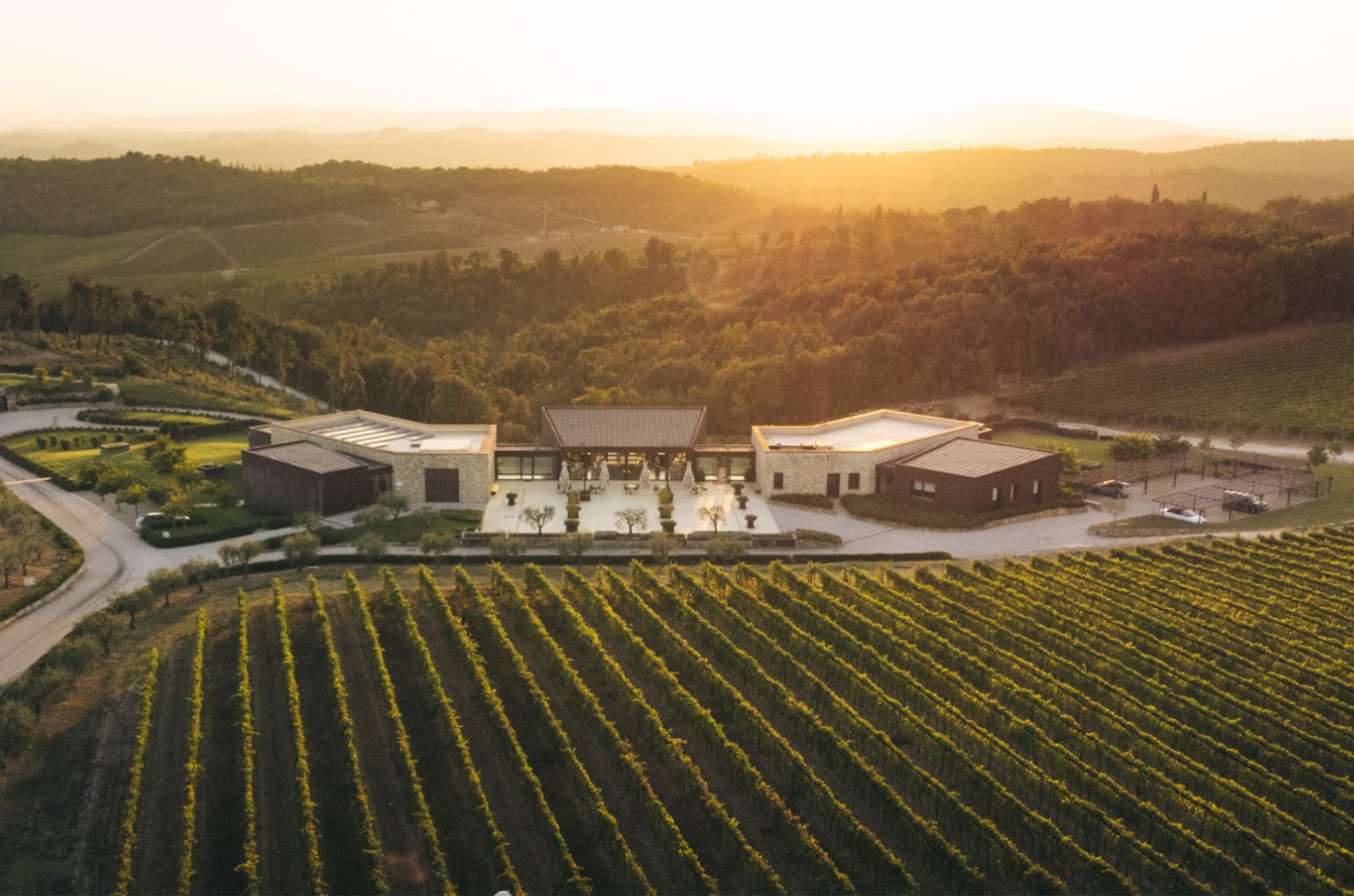 Vallepicciola: Tourism and winemaking in the Chianti hills
Sponsored Winemaking and luxury hospitality...
-
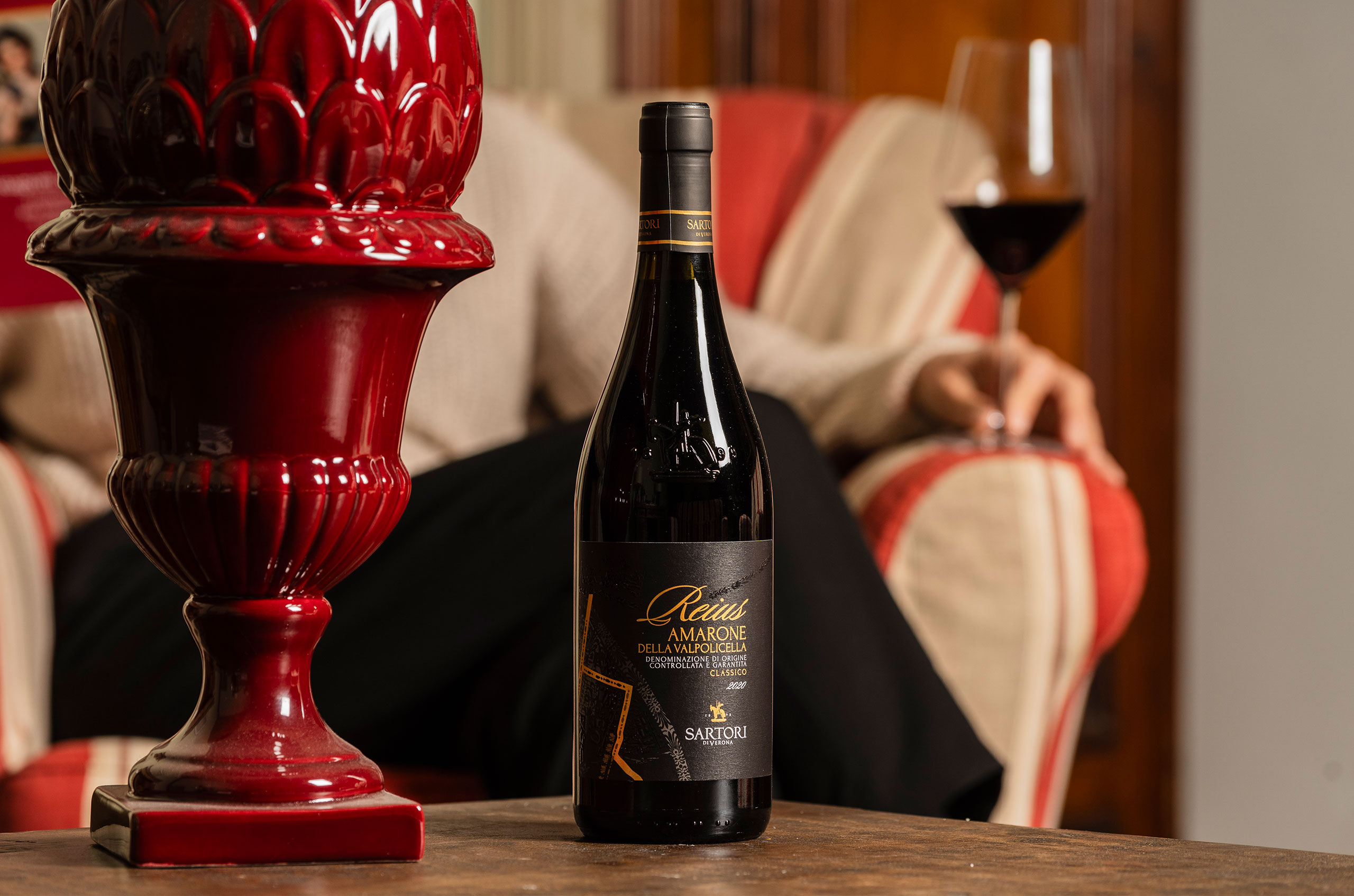 A standout voice in Valpolicella
Sponsored A key name for Valpolicella and Amarone...
-
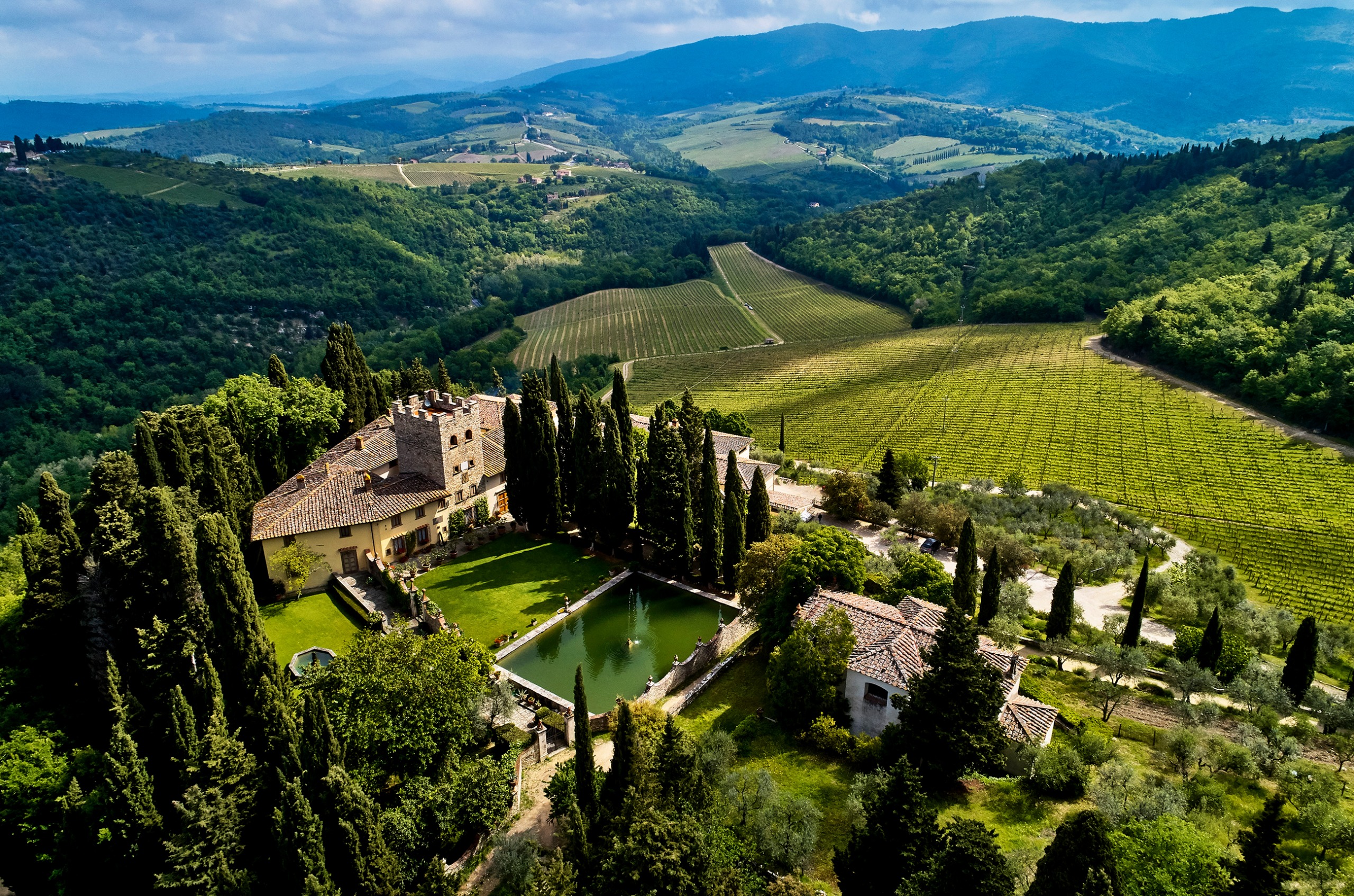 Discover the world of Castello di Verrazzano
Sponsored An ancient castle set amid sprawling vineyards...
-
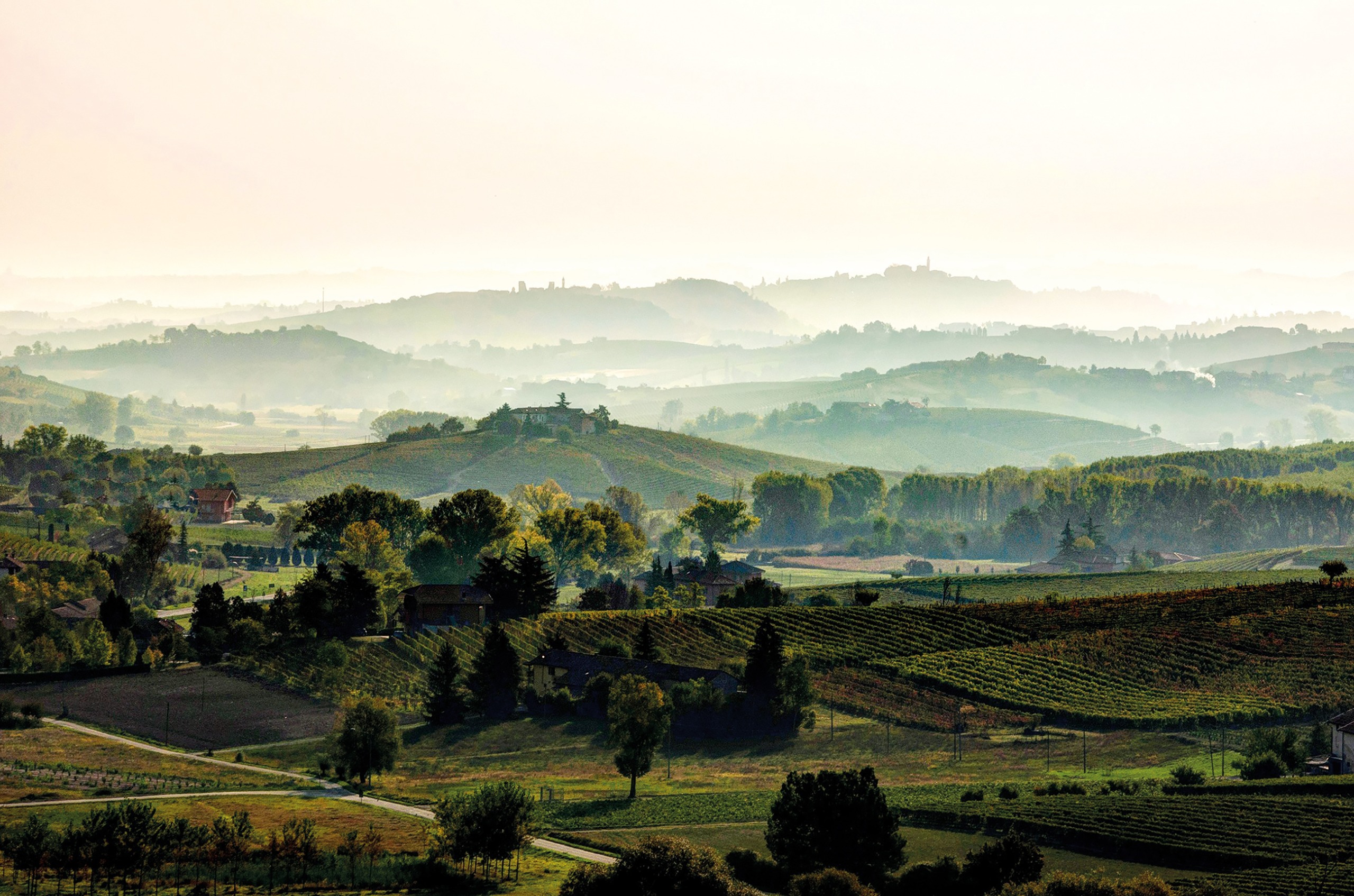 Barbera d'Asti DOCG: Tradition and modernity in Piedmont
Sponsored Many expressions of one variety...
-
 Sergio Mottura: Excellence in Tuscia
Sponsored A renowned figure in Lazio...
-
 Florio: Winning new fans while respecting Marsala’s history
Sponsored An important milestone in Marsala...
-
 Sensi Vini: The gateway to your Italian wine exploration
Sponsored Chianti and beyond...
-
 Celebrating European diversity
Sponsored Introducing the ‘Celebrate the Diversity’ project...


