

Granted DO status in 1980, Rueda might be a relatively new denomination of origin but its importance in the wider context of Spanish wine is tremendous.
The reasons for this relevance are many: the size of its production (one of the country’s leading for DO-stamped wines); the crucial technical developments it introduced and crystalised in Spanish winemaking in the 1980s; the preservation of an invaluable stock of old (including pre-phyloxeric) vines.
Understanding the ongoing exciting transformation of the region’s wines – built upon a fresh appreciation for tradition and greater terroir expressiveness – is also, in many ways, getting a deeper insight into the evolution of the Spanish wine scene more broadly. Furthermore, it is an opportunity to engage with a community of producers that deserve more attention.
Rueda at a glance
Located in the heart of Castilla y León, on the south bank of the Duero River, DO Rueda (named after the eponymous village) encompasses 74 municipalities across three provinces – Valladolid, Segovia and Ávila. Rueda was the first region in Castilla y León to be granted DO (Denominación de Origen) status in 1980, then covering white wine production only.
Since 2008, rosé and red wines can also be produced with the DO stamp. The Verdejo grape dominates plantings and, with documented presence in the region dating back to the 11th century, it’s inextricably linked to Rueda’s identity.

Far from monotonous or repetitive, the pleasure of tasting upwards of 250 wines for this report – the vast majority of which single-varietal Verdejos – was experiencing a refreshing diversity, shaped both by terroir and craftsmanship.
The spectrum of aromatic and textural expression was remarkably broad, leveraging the geological nuances of Rueda, the versatility of its flagship grape and the identity of each producer.
Confidence and nuance
A great deal of this added nuance and subtle differentiation is the product of a conscious effort to explore the complexity within the strong core identity Rueda has forged for itself. There is a welcome recognition that greater value can be found in the exploration of difference within a coherent whole. This movement is happening along two main vectors: producer exploration and terroir differentiation.
One of the key conclusions of this report is that, following spectacular technical evolution over the last three decades, Rueda is now at a point where the baseline quality is extremely and consistently high; producers are therefore now both willing and able to comfortably explore stylistic expressiveness with confidence and ease. Hopefully that confidence will only become stronger.
Meanwhile, the regulatory council is, in partnership with the University of León, conducting a comprehensive study of the soils in the region, seeking a better understanding of the character and needs of each village and plot. So far, this differentiation has been largely determined by a contrast between the Châteauneuf-du-Pape-like gravelly soils of the region’s northwest and the sandier southeast.
The aim is to form a more granular understanding of the geological diversity of the region, informing growers about the needs of their vineyards and substantiating differences in quality potential and character. With 200 test pits already dug and set to be finished by 2027, the study will hopefully have a far-reaching impact on how the producers themselves interpret their grapes from different sources.

Beyond the whites
The array of styles is also notable. Beyond the many varied takes on white winemaking, Rueda’s fortifieds (see here) deserve attention for their historical relevance and, crucially, for their quality and character.
It’s both unfair and pointless to make a comparison with their renowned counterparts from Jerez; Rueda’s Dorados and Pálidos have a character entirely of their own. Discovering them in turn calls for a fresh look at their unfortified siblings as they place Verdejo’s plasticity and structural energy in stark relief.
The lineup of reds tasted for this report was too small to justify a section in the following pages. However, the limited showing delivered crunchy freshness and drinkability, precision and moreish intrigue.
Although Rueda is – both in numbers and in spirit – a ‘white wine region’, the local red wines should not be overlooked, especially following the addition of Cenicienta as a main red variety – not only a point of difference but an important resource in the face of climate change.
Prepared for the future
While Rueda is certainly not among the Spanish denominations most severely affected by the changing climate, the region is not immune to it. Unpredictable weather events and drought have taken their toll in recent vintages, highlighting the need to preserve the highly adapted stock of old vines, while also introducing greater varietal diversity.
The Consejo’s expansive move – following the recent revision of rules and approved grape varieties – is a refreshing contrast to the narrowing limitations that for many decades strangled producers across Europe’s appellations of origin.
Rueda is following a quality-led (rather than rules-led) trajectory of evolution; somewhat of a blueprint for other regions that have failed to set production rather than stylistic standards as key identity markers.

Engaging with complexity
I believe that this engagement with complexity will bring added value to the wines of Rueda and the work of producers and growers – not just by introducing diversity in the glass but also because it will reinforce the terroir component of Rueda’s wines – that can perhaps be forgotten with the easy (and equally valuable) enjoyment of a ‘glass of Verdejo’.
My hope is that this report – and its future iterations – will provide a window into the interesting period of both consolidation and reinvention that Rueda is going through. It leverages the deep understanding of the region’s flagship indigenous grape while adding increasing interest for the many nuances of Rueda’s geology and winemaking community.
The articles that constitute this report offer a journey through the dynamic questioning of a region with little to prove to others but a lot to prove to itself.
Rueda report 2026: Contents
- Verdejo’s essence
Rueda’s young Verdejo wines are joyful, refreshing and drinkable, but also show remarkable detail and diversity – for everyday drinking and so much more - Sauvignon Blanc
The region’s take on this much-loved international variety surprises and delights in its combination of textural appeal, freshness and definition. Think you know Sauvignon Blanc? Think again - Verdejo reimagined
Wonderfully different expressions of Verdejo that demonstrate the variety’s plasticity as well the inventiveness and craftsmanship of Rueda’s producers - Fortified (Dorado, Pálido)
The exciting revival of historical oxidative and biologically aged styles that stand out for their complexity and singular character - Gran Vino de Rueda
This category, launched in 2020, showcases the potential of Rueda’s oldest vineyards while offering a lesson in modern classicism - Producers to watch
It’s impossible to list all the interesting, quality-led projects leading Rueda’s evolution. These are six whose wines – forged at the intersection of technical expertise, individual character and terroir expressiveness – stood out at the tasting for this report
Discover more about DO Rueda: dorueda.com
Connect on: Facebook | Instagram | YouTube


-
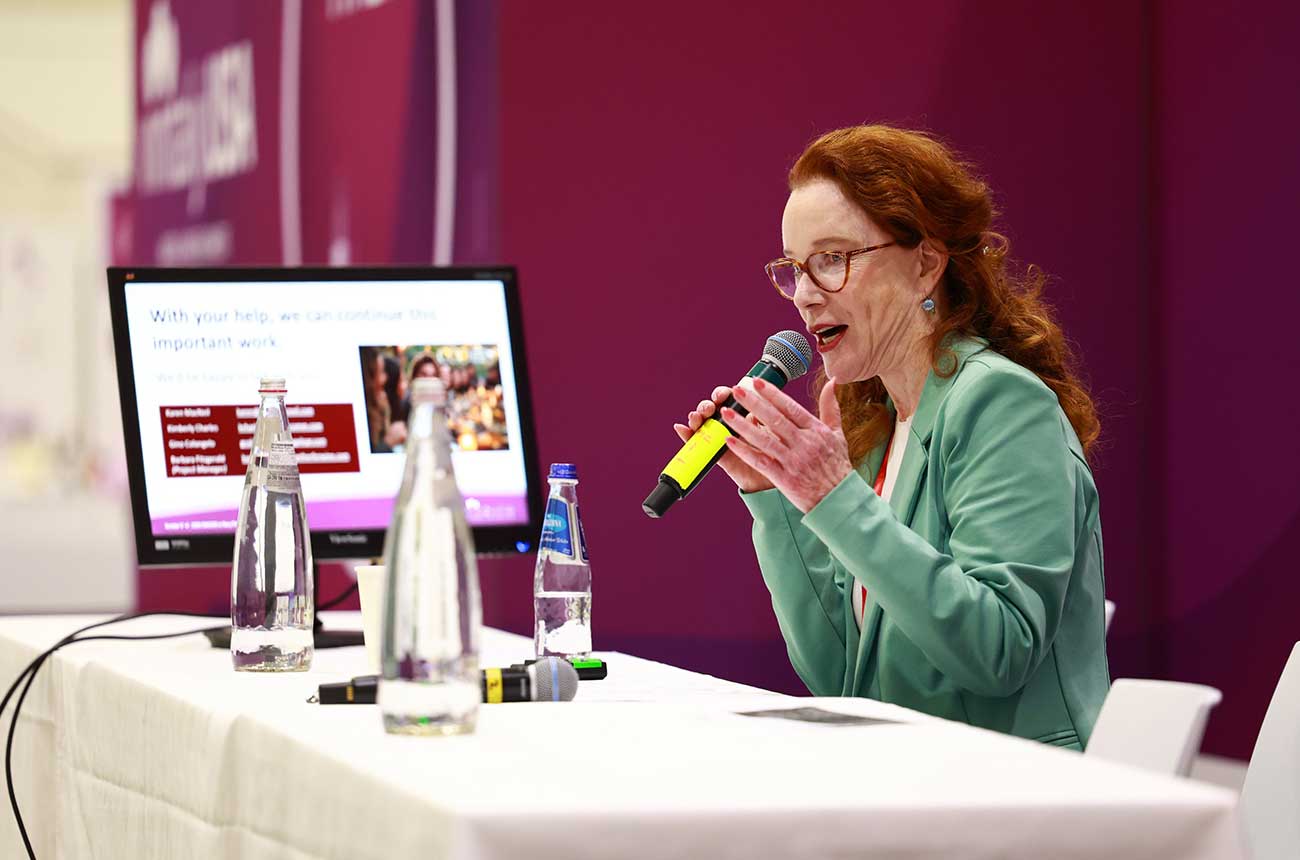 Vinitaly.USA: Where Italian wine meets the US market
Sponsored Bringing opportunities and encounters to New York...
-
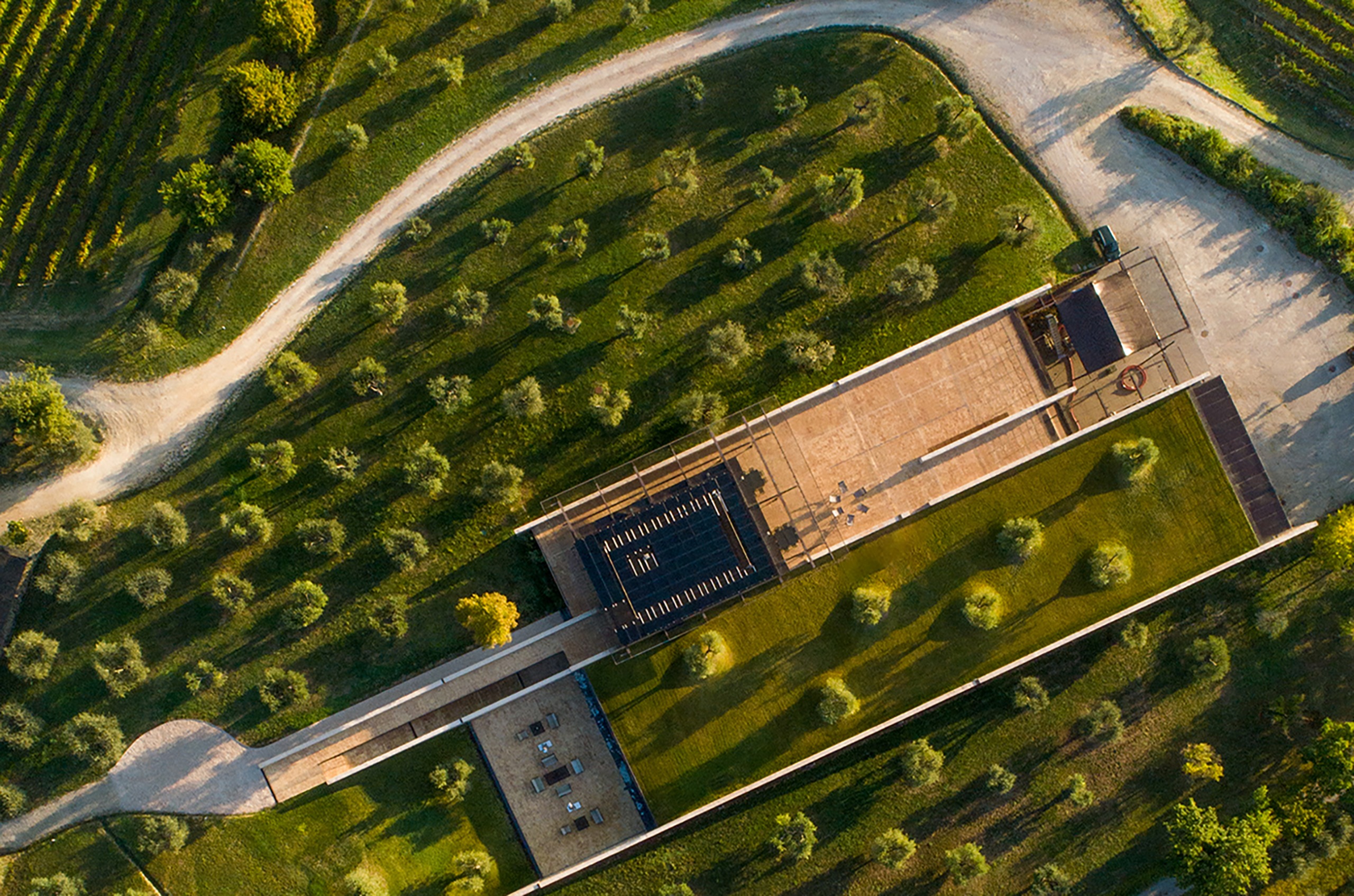 PoderNuovo a Palazzone: Where Cabernet Franc finds its Tuscan voice
Sponsored Distinguished Tuscany...
-
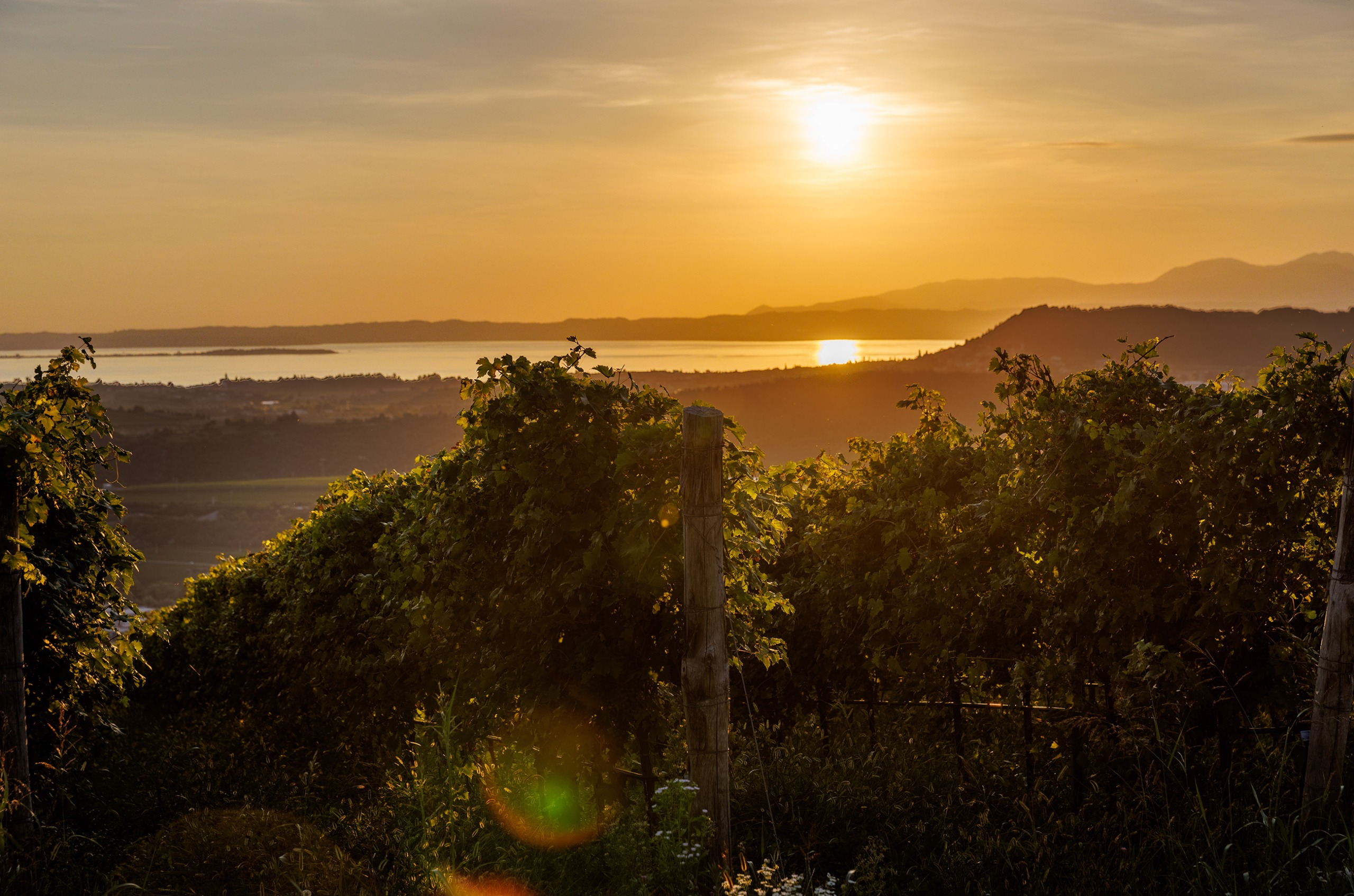 From Garda with love
Sponsored The spirit of the lake...
-
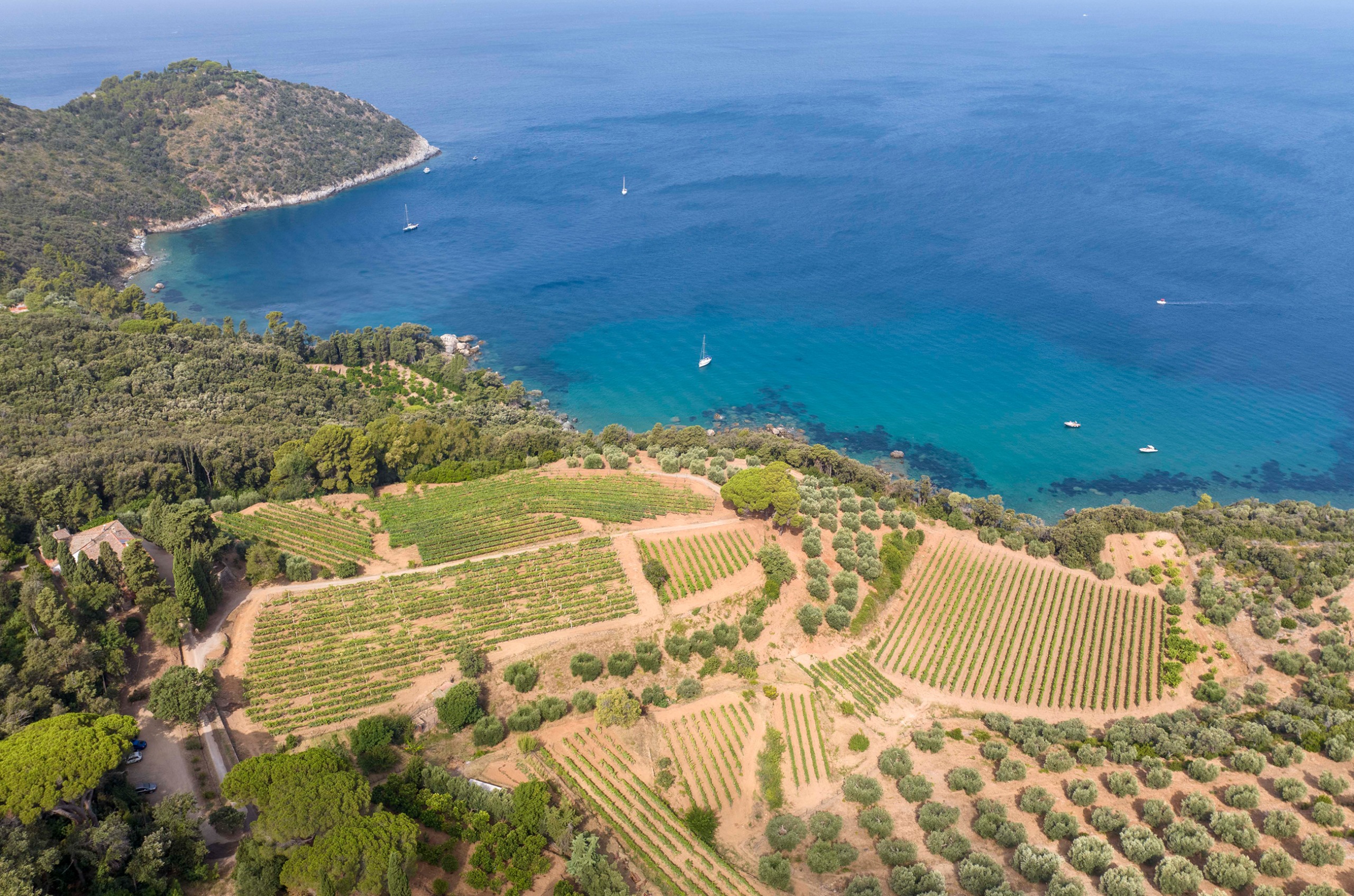 The Maremma: Southern Tuscany’s untamed wine country
Sponsored Fresh Vermentino and characterful reds...
-
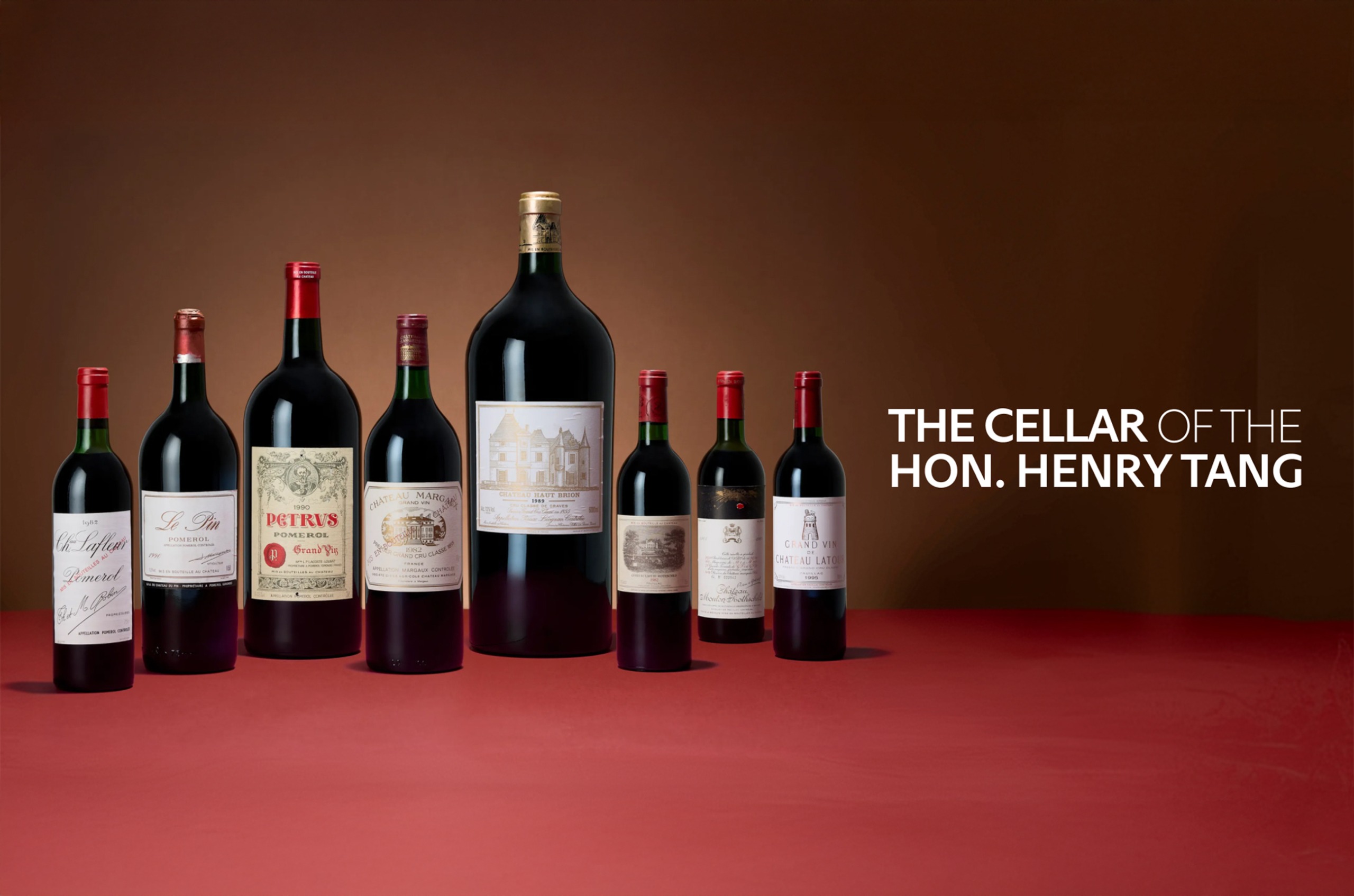 Christie’s to auction the cellar of the Hon. Henry Tang
Sponsored Featuring legendary wines...
-
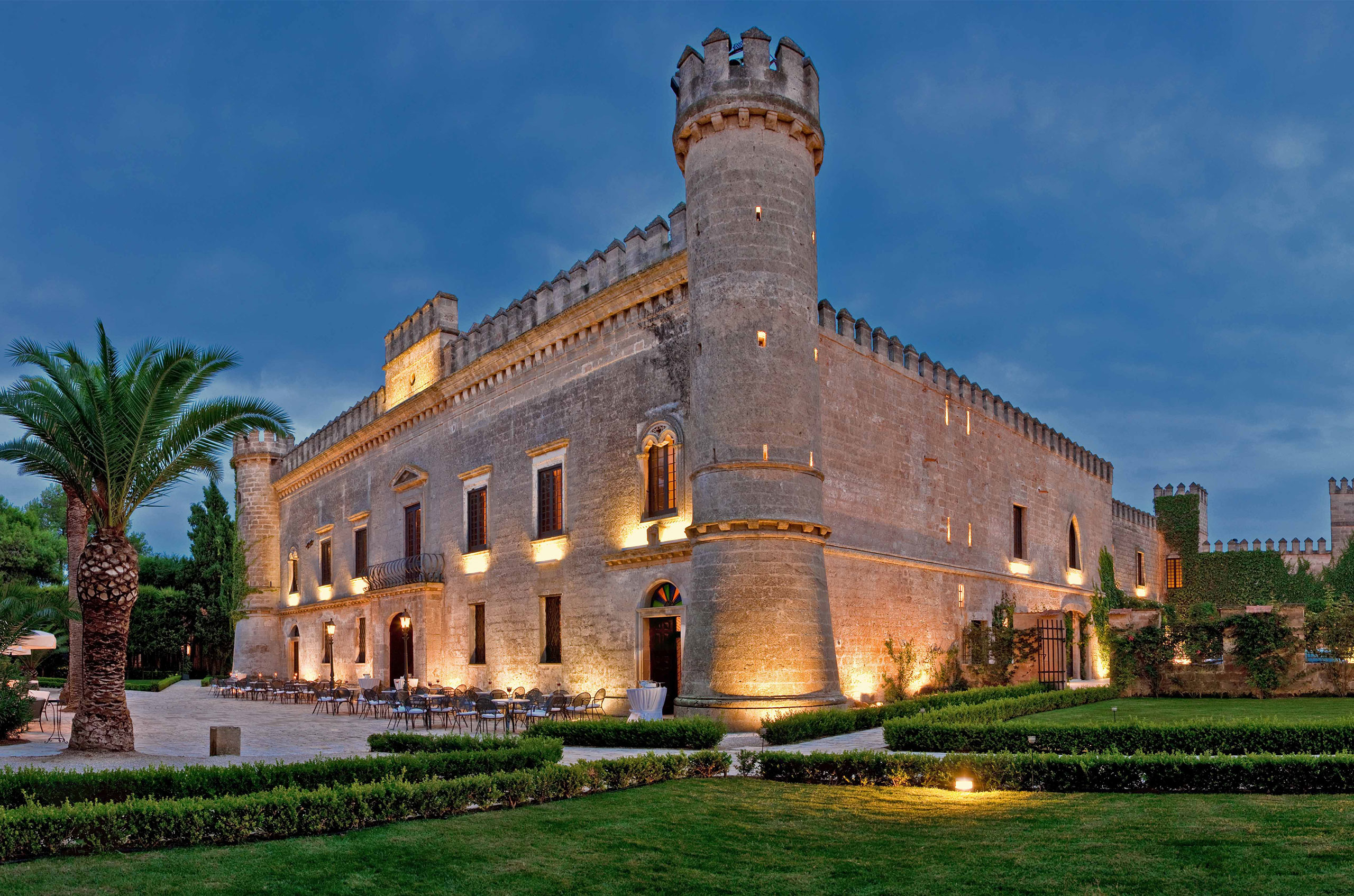 Castello Monaci: History and heritage in Salento
Sponsored Winemaking excellence in Puglia...
-
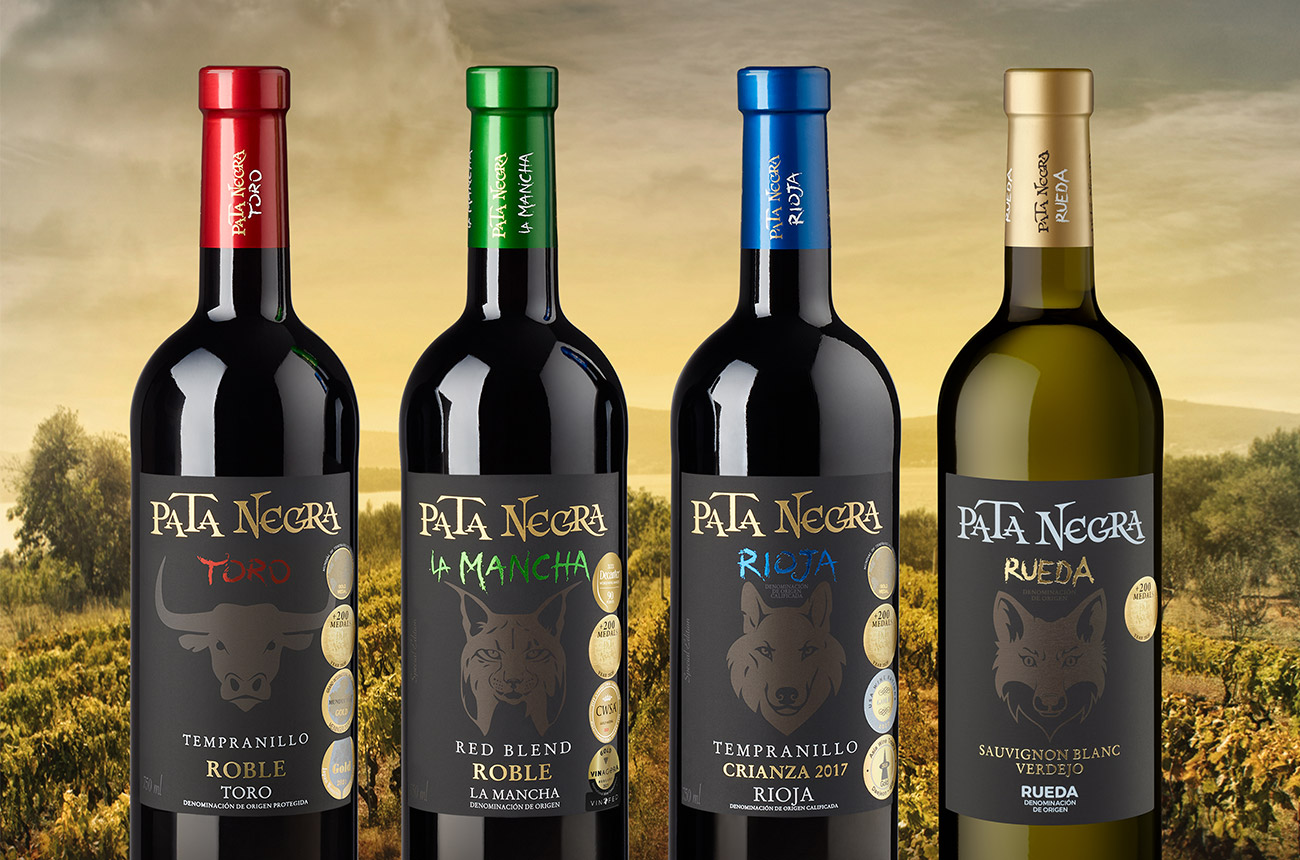 Setting the standard for Spanish wine: Pata Negra Fauna
Sponsored A journey through Spain's wine regions...
-
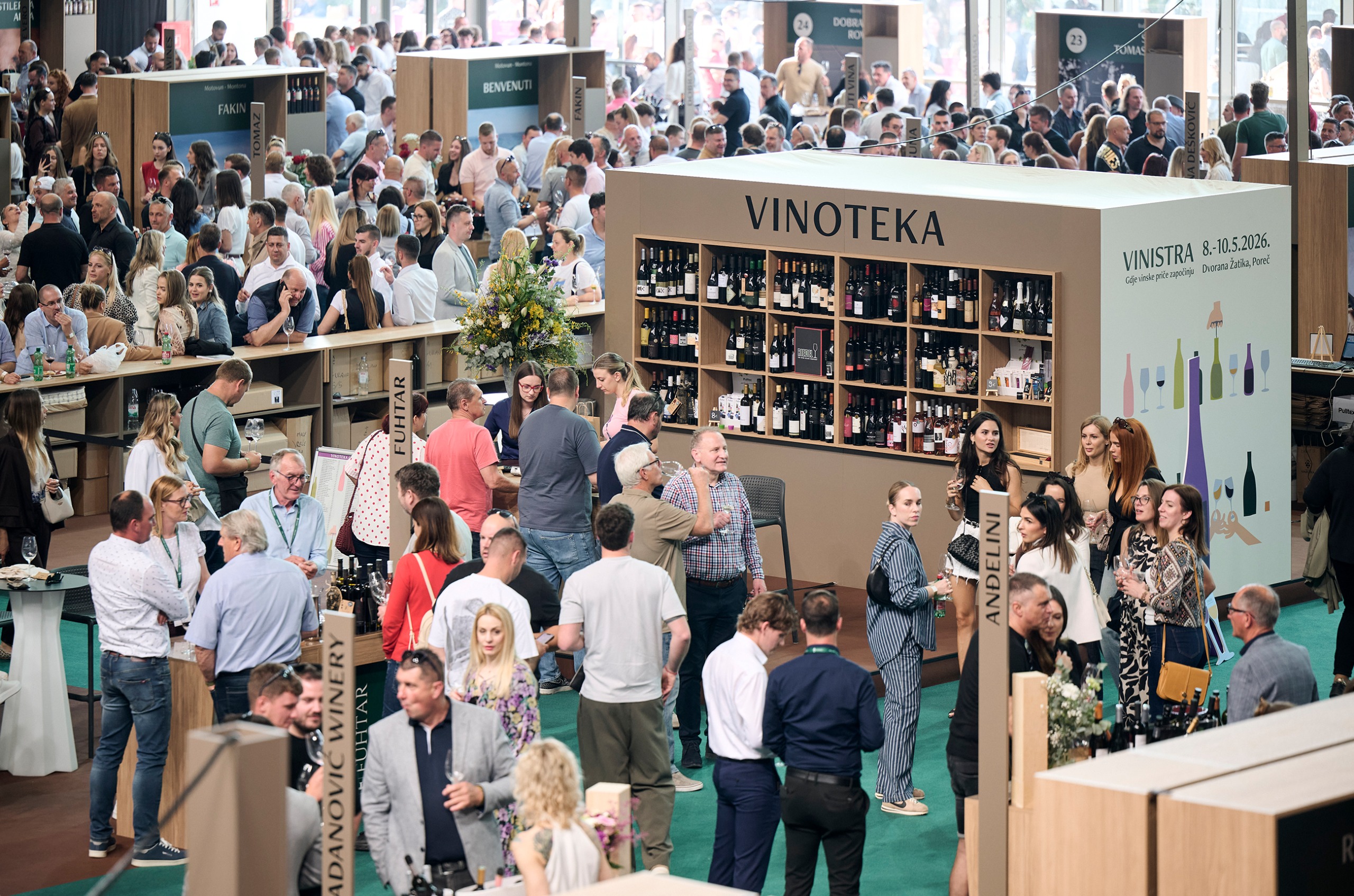 Istria: A bright future for Vinistra
Sponsored Showing Istria's diversity and quality...


