

The picturesque hills of Asolo, between the Dolomites and the Adriatic, have been an escape for centuries. This is a land of Palladian villas and Veronese frescoes, with a long history of poets, sculptors and artists, offering visitors the chance to enjoy an area of Italy that was once the secret of Venetian aristocrats seeking refuge from the hustle of the lagoon.
Discovering Asolo Prosecco Superiore DOCG
Surrounded by vineyards, the small town of Asolo is the intelligent traveller’s choice, situated within easy reach of Venice. Asolo is the smallest of the Prosecco Superiore DOCGs and stands for the highest level of refinement, delicacy and finesse in premium Prosecco wines – and a cut above the more widely-produced Prosecco DOC.
The staggeringly steep vineyards of the region are worked by hand, each bunch handled gently to ensure the freshest fruit and highest quality in the final wine. Local and historical varieties such as Verdiso, Perera and Bianchetta complement the famous Glera, and the limestone-rich soils give a distinct mineral sensation that is unique to the Asolo Prosecco Superiore DOCG.
Asolo wines are most commonly made in a dry style – the region pioneered the Extra Brut classification in 2014 – which makes for a perfect aperitif and pairs beautifully with delicate risotto bianco and the fish dishes of the Venetian kitchen.

Steep vines are worked by hand.
At the foot of Monte Grappa, the area is also home to the small-production Montello DOCG and Montello Asolo DOC, designations which produce some of Italy’s most under-the-radar Bordeaux blends. These red wines are made from Cabernet Sauvignon, Cabernet Franc, Merlot and Malbec, which thrive on the clay soils of the Montello slopes.
Thanks to the efforts of local producers, the indigenous Recantina grape has also been revived over half a century of hard work, and its deeply coloured wine adds a local accent to the timeless Bordeaux blends of Montello. The best way to enjoy both the sparkling and still wines is to understand them as part of the wider culture of Asolo, which embraces fine gastronomy, active lifestyles and abundant beauty.
With only a small percentage of land under vine, the region is defined by its biodiversity, from olive groves to pasture land and forest – a richness the Consorzio works hard to protect. ‘Our territory has many attractions to offer. For this reason, we have decided to create the Asolo Montello Visitor Guide, a practical and user-friendly resource,’ says Michele Noal, President of the Consorzio Tutela Vini Asolo Montello.
The guide, available at asolomontello.it, orientates visitors on activities throughout the region and highlights wineries which offer accommodation and the chance to wake up among the vines.

The village in the hills.
Architecture, sculpture & poetry
The region was home to Antonio Canova, one of Italy’s most famous sculptors, whose work around the turn of the 18th century represented a new pinnacle of technical mastery and Neoclassical refinement. A visit to his Gypsotheca in Possagno offers a unique insight into how his sculptures were made.
Andrea Palladio worked in the region, and his Villa di Maser provides a wonderful example of Renaissance architecture at its most refined: symmetrical, ordered and in harmony with its landscape – part of which now falls within the UNESCO Monte Grappa Biosphere Reserve.
Life in and around the town of Asolo was the subject of a poem by Robert Browning called ‘Asolando’. Taking inspiration from the Italian word asolare – to take pleasure in the aimless passing of time – it is a celebration of the area’s vineyards and countryside.

The steeps slopes of Asolo.
Eat like the locals
Visitors to the region are guaranteed a warm welcome and a full table. Local Monte Grappa truffles, mountain cheeses and slow-cured Sopressa Trevigiana are perfect accompaniments to the region’s wines, with Radicchio Rosso di Treviso, duck ragù and dishes cooked with local chestnuts also popular on menus.
Olive oil is produced here from some of the most northerly groves in Italy, reflecting the favourable climate. Arrive in November, and you may even have the opportunity to enjoy roasted goose – an excellent pairing with the Montello reds – to mark the celebration of Saint Martin’s Day.
With abundant attractions and discreet charm, Asolo, Montello and their surroundings are a natural complement to a Venetian visit. Few corners of Italy are so complete, or so ready to be discovered.
Connect on Instagram | Facebook


-
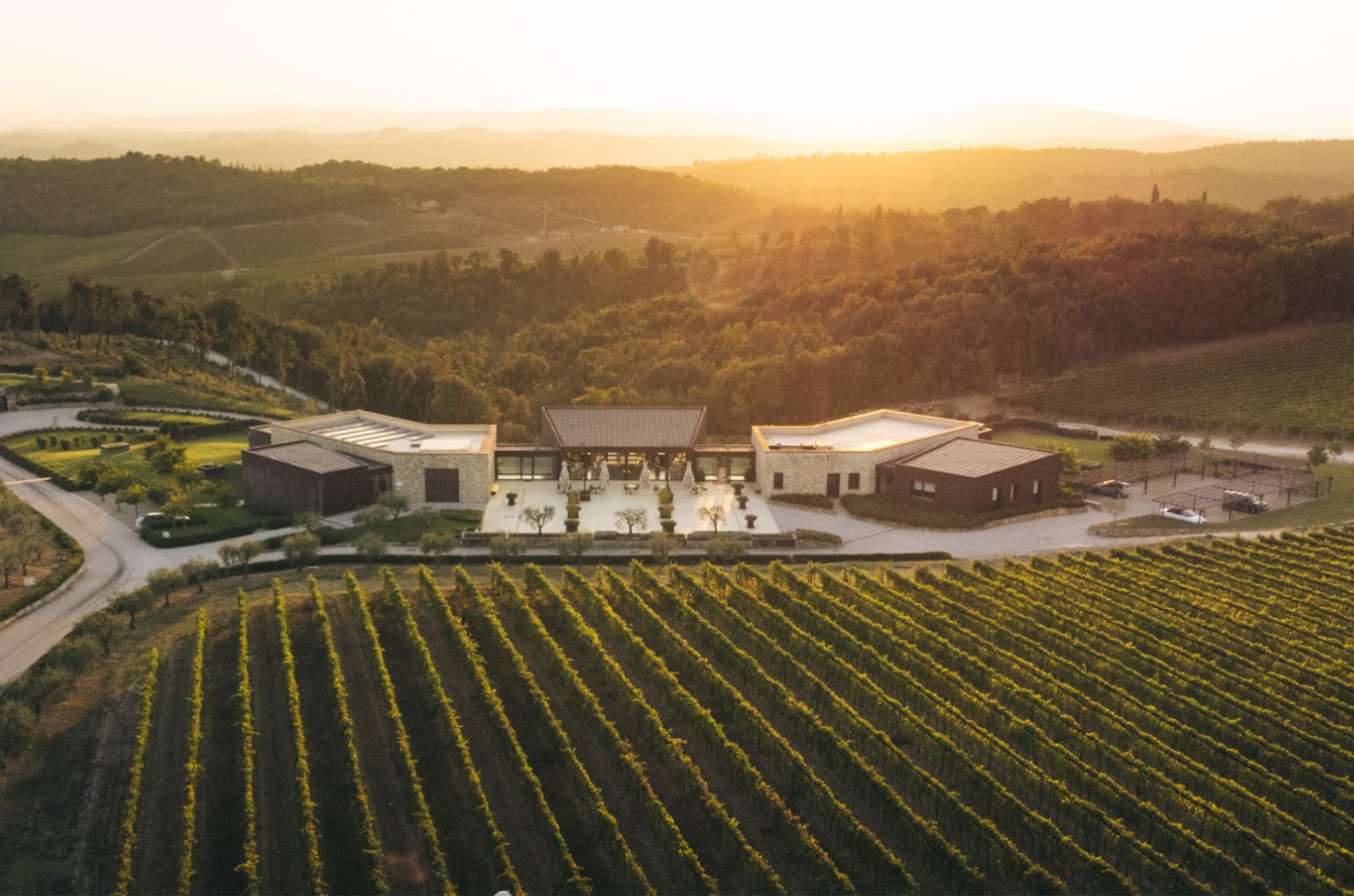 Vallepicciola: Tourism and winemaking in the Chianti hills
Sponsored Winemaking and luxury hospitality...
-
 Wine educators win 2026 Barca-Velha Golden Vines MW Scholarships
The Gérard Basset Foundation, Douro producer Casa Ferreirinha and Liquid Icons have named Christy Fuhrman and Loreto Pancorbo as the recipients of the 2026 Barca-Velha Golden Vines MW Scholarships.


-
Vallepicciola: Tourism and winemaking in the Chianti hills
Sponsored Winemaking and luxury hospitality...
-
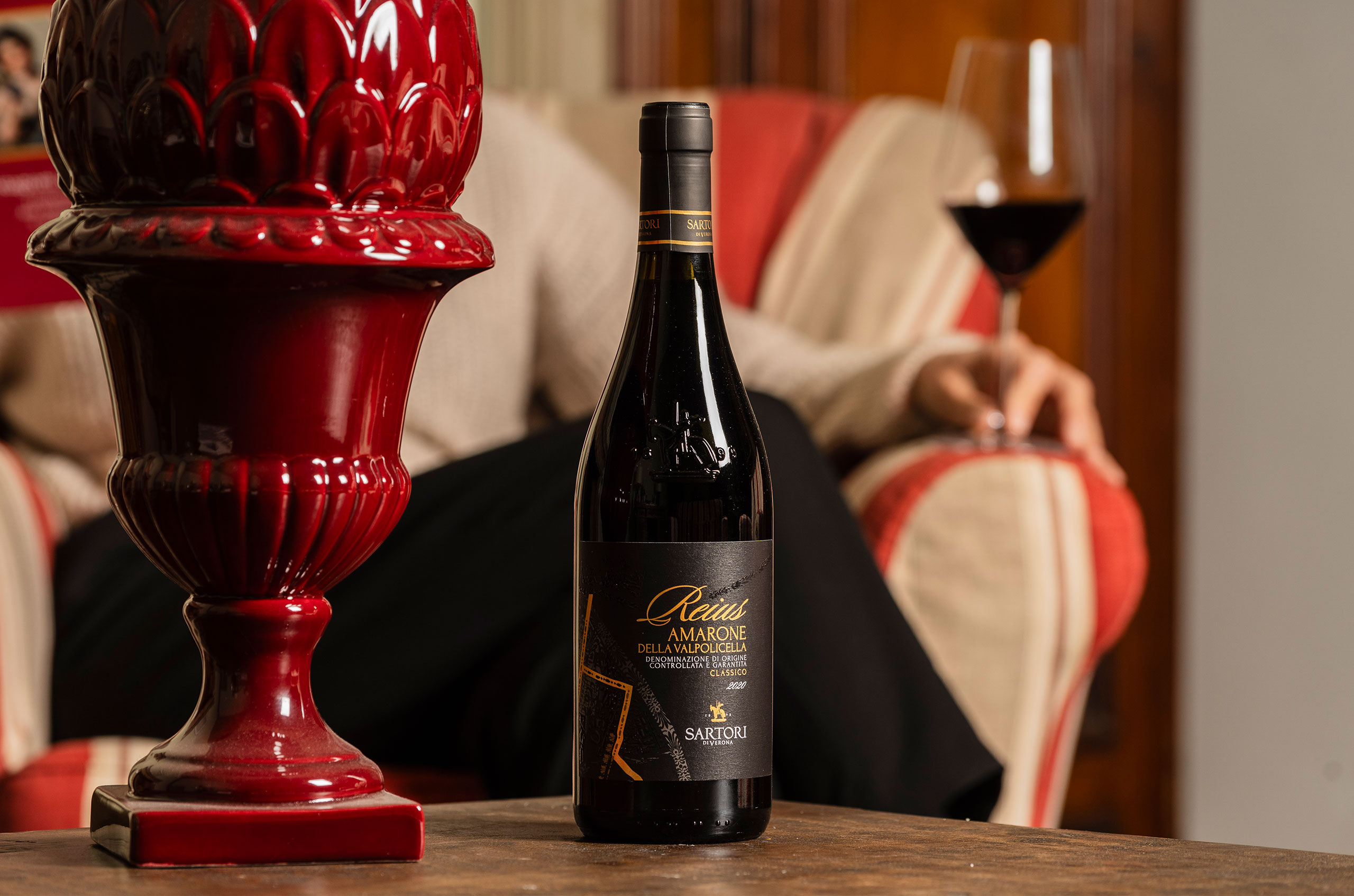 A standout voice in Valpolicella
Sponsored A key name for Valpolicella and Amarone...
-
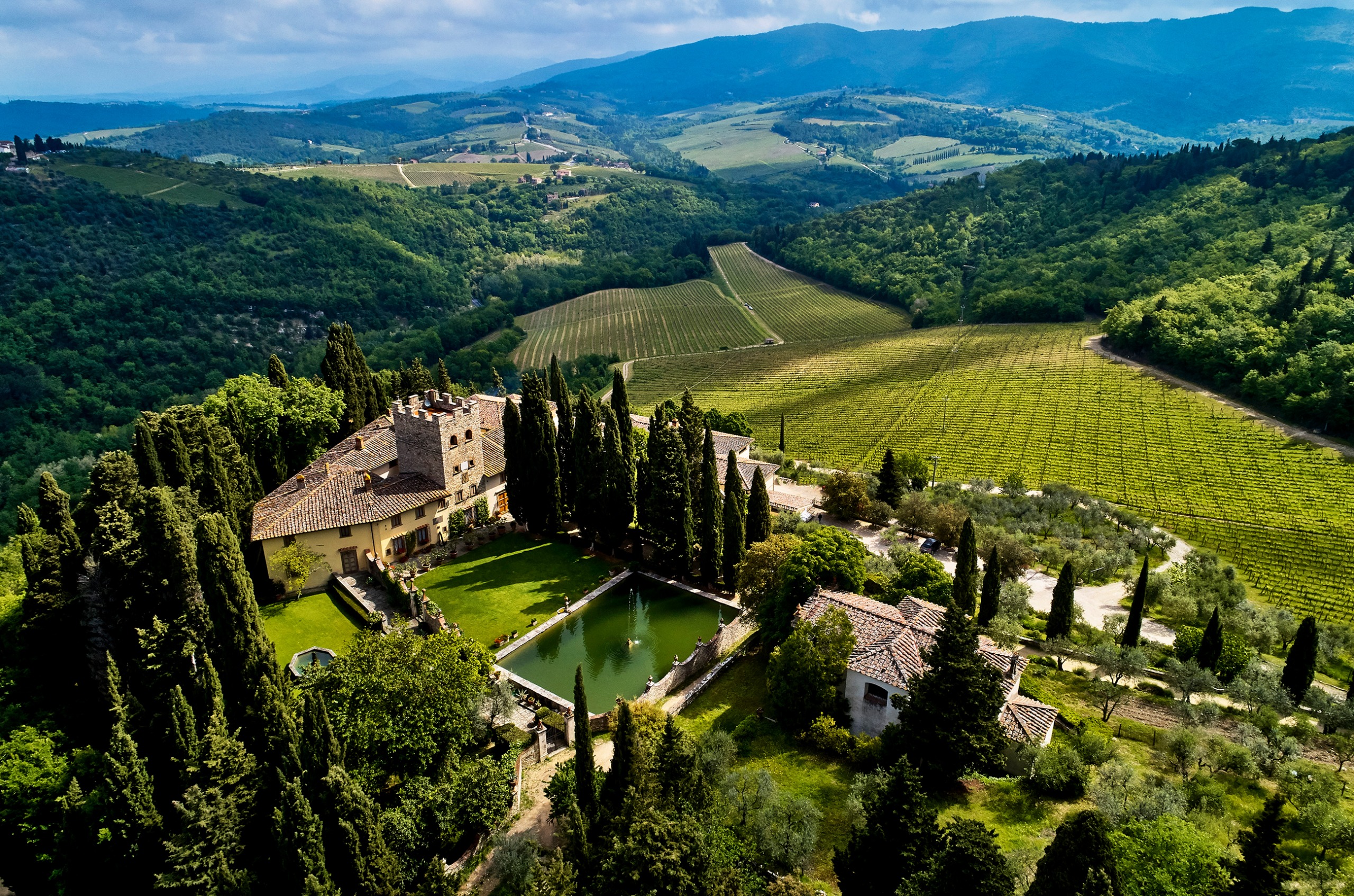 Discover the world of Castello di Verrazzano
Sponsored An ancient castle set amid sprawling vineyards...
-
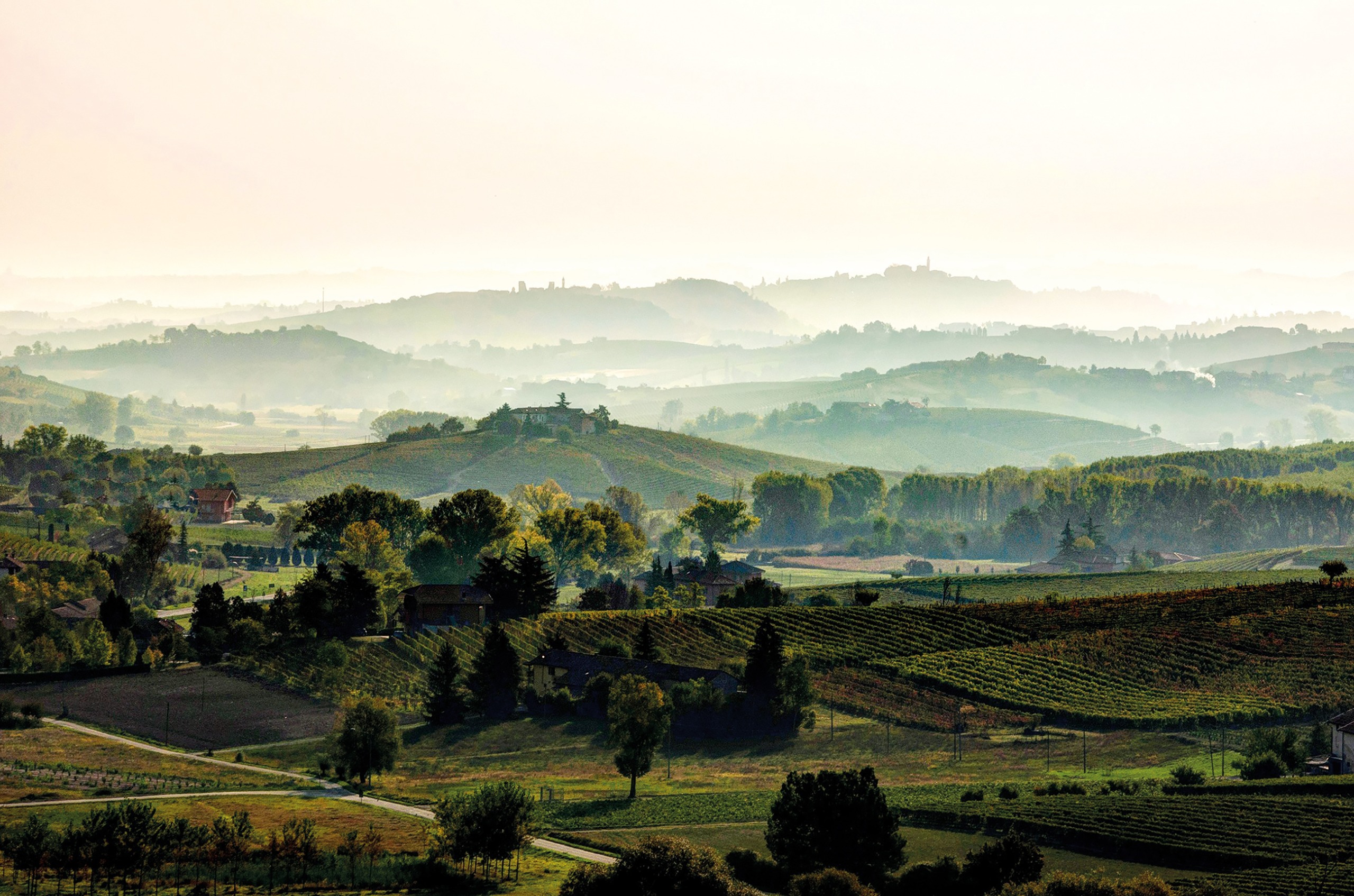 Barbera d'Asti DOCG: Tradition and modernity in Piedmont
Sponsored Many expressions of one variety...
-
 Sergio Mottura: Excellence in Tuscia
Sponsored A renowned figure in Lazio...
-
 Florio: Winning new fans while respecting Marsala’s history
Sponsored An important milestone in Marsala...
-
 Sensi Vini: The gateway to your Italian wine exploration
Sponsored Chianti and beyond...
-
 Celebrating European diversity
Sponsored Introducing the ‘Celebrate the Diversity’ project...


