

When an Italian Verdicchio was voted one of Decanter’s Wines of the Year for 2020, it was no surprise that a long-heralded denomination of quality wines was the subject of the accolade, and it was equally no surprise that the Sartarelli company was the winning winery.
Just for the record, the wine in question was the Sartarelli, Balciana, Verdicchio dei Castelli di Jesi 2017, and it got an extraordinary 95 points, putting it in the top echelons of the Wines of the Year 2020 category.

What lies behind this winery? What’s the secret?
Sartarelli is a family winemaking company, founded in 1972, with a clear philosophy: quality wines focusing only on Verdicchio, emphasising the best and greatest characteristics of this wine varietal. Patrizio and Donatella run it, ably assisted by Caterina (marketing and PR) and brother, Tommaso,who is also, crucially, the oenologist of the family.

There are 55ha of prime hillside vineyards, equal to 135 acres, and 6 hectares with 2,300 olive trees.
And there is only one single grape variety grown on the estate: so all wines are 100% Verdicchio, and there is the same vinification process for all the wines, namely in stainless steel tanks.
However, because all the property is made up of smaller parcels, smaller plots with several different exposures to the sun, different micro-climate conditions, different ripening times for the grapes and so different picking times from the end of August to mid-November, They make no fewer than 5 very distinctive variations of Verdicchio at varying times.

5 different wines, from the sparkling to the sweet, ranging from a basic wine to one using a selection of the best grapes, and a late harvest wine.
Such is the Sartarelli passion for quality and commitment to the development of Verdicchio, that they actually grow their own vines rather than buy clones from a nursery. This gives them complete control over the product. And they also manage a sustainability project called Sartarelli.Zero, giving an official framework to the kind of vineyard management practices that they have always preferred.

What of the future?
2022 is going to be a celebratory year. 50 years of the company will be accompanied, of course, by a specially created cru Verdicchio.
Look out for it!
Notes on the 3 principal Sartarelli wines, all Verdicchio dei Castelli di Jesi:
Sartarelli Classico
Sartarelli Classico is definitely the most representative wine for the company as its taste is the typical expression of Verdicchio: a very immediate wine, easy to drink, very versatile, and always very approachable, with great character.
Tralivio
This wine is the result of carefully selected grapes in our best south-facing vineyards with an average age of 25 years. Named after a vineyard site documented as far back as the 17th century. The first vintage of Tralivio was in 1990, making it one of the precursors of single vineyard wines in the region. Grapes are hand picked and soft pressed, in the traditional manner, just like all the other wines.
Tralivio has a very good minerality. This is due to the soil and to the microclimate conditions.
Balciana
The grapes for this wine come from a single 9.5ha vineyard planted in 1990 with a north-east exposure at an altitude of 300 meters above sea level. Named after the region where the vineyard is located, called “Valsana”, or “Valle Sana”, meaning the Healthy Valley, in medieval times.
This is a late harvest wine, dating back to a fortunate experiment in 1994, when Patrizio decided to see what would happen if the grapes were left to over-ripen on the vines. The result was an unexpected triumph, which continues to this day.
In fact, Patrizio is still the only one able to understand when the harvest time here must start. He has always dedicated himself heart and soul to the creation of this premium wine, the one which regularly wins the highest accolades and has changed the future of Sartarelli together with the whole Verdicchio category.
www.sartarelli.com


-
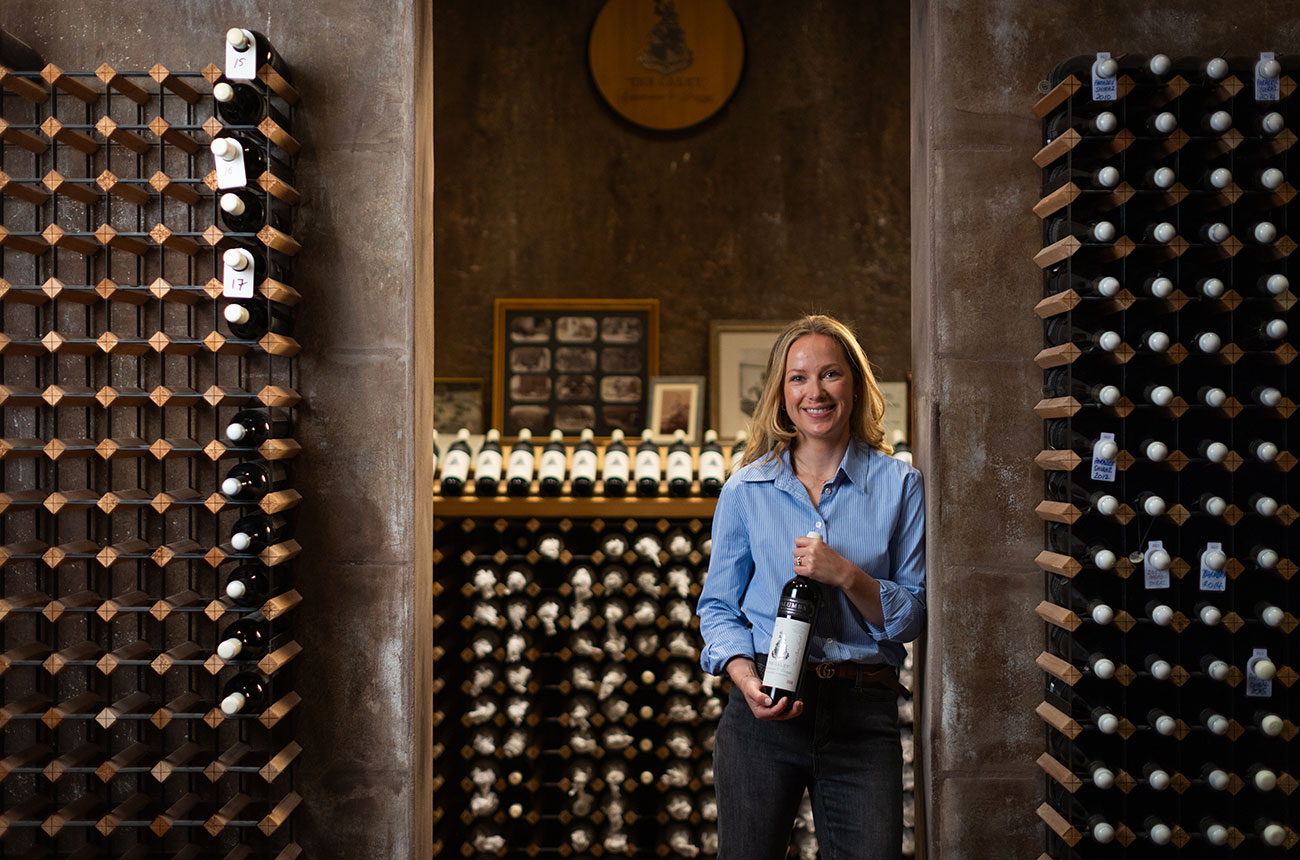 At the table with Yalumba's Lucy Hill-Smith: Top Barossa wine 'can age almost indefinitely'
Ahead of hosting a lunch at Decanter's Fine Wine Encounter London, Lucy Hill-Smith, sixth-generation family member at leading Australian winery Yalumba, offers insider tips to Barossa's wine scene, names her top dinner pairings and recalls the sophisticated palates of her grandma's kangaroos...
-
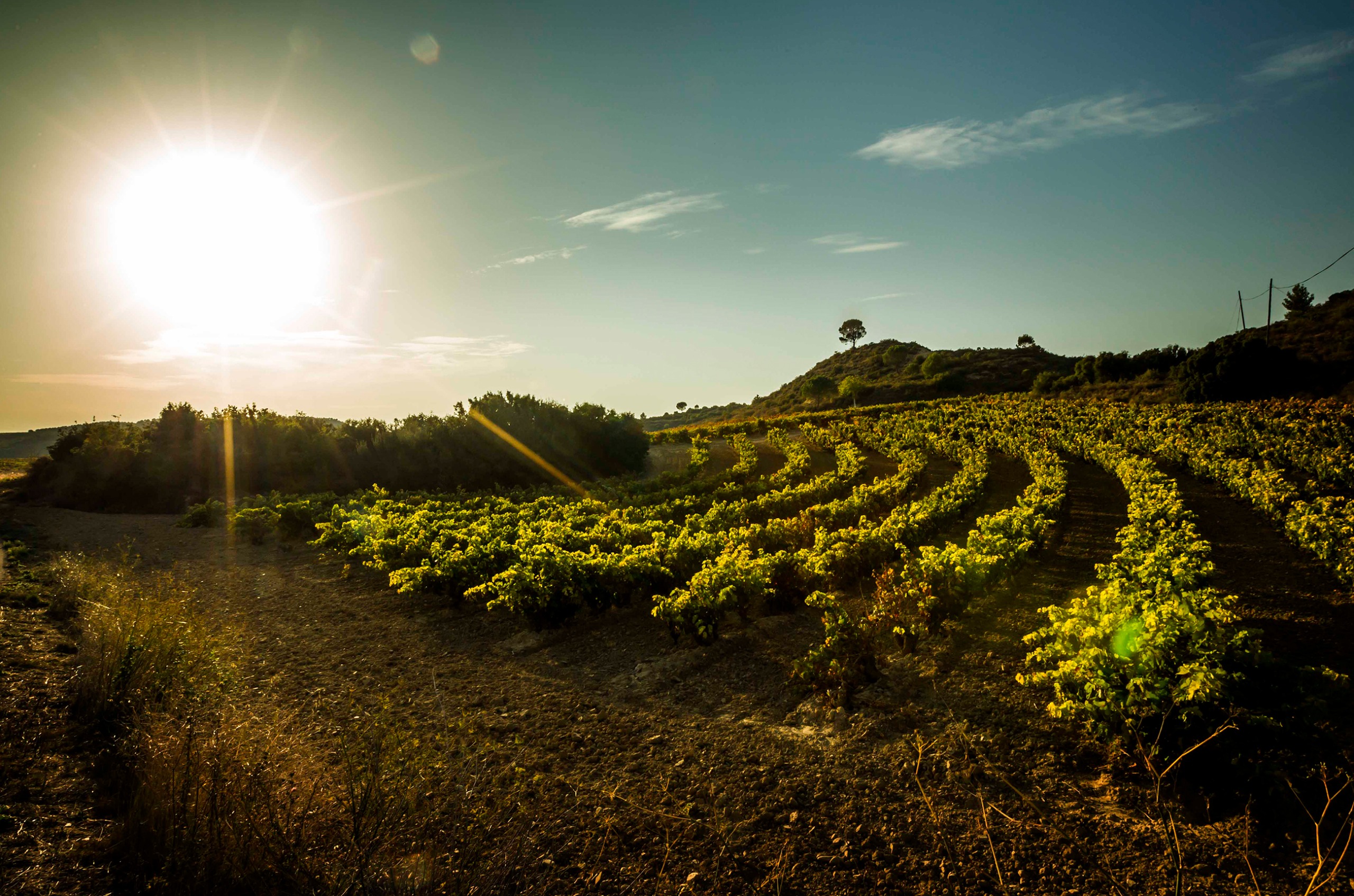 Bringing the spirit of Rioja to the UK
Sponsored Spain's leading wine region...


-
Bringing the spirit of Rioja to the UK
Sponsored Spain's leading wine region...
-
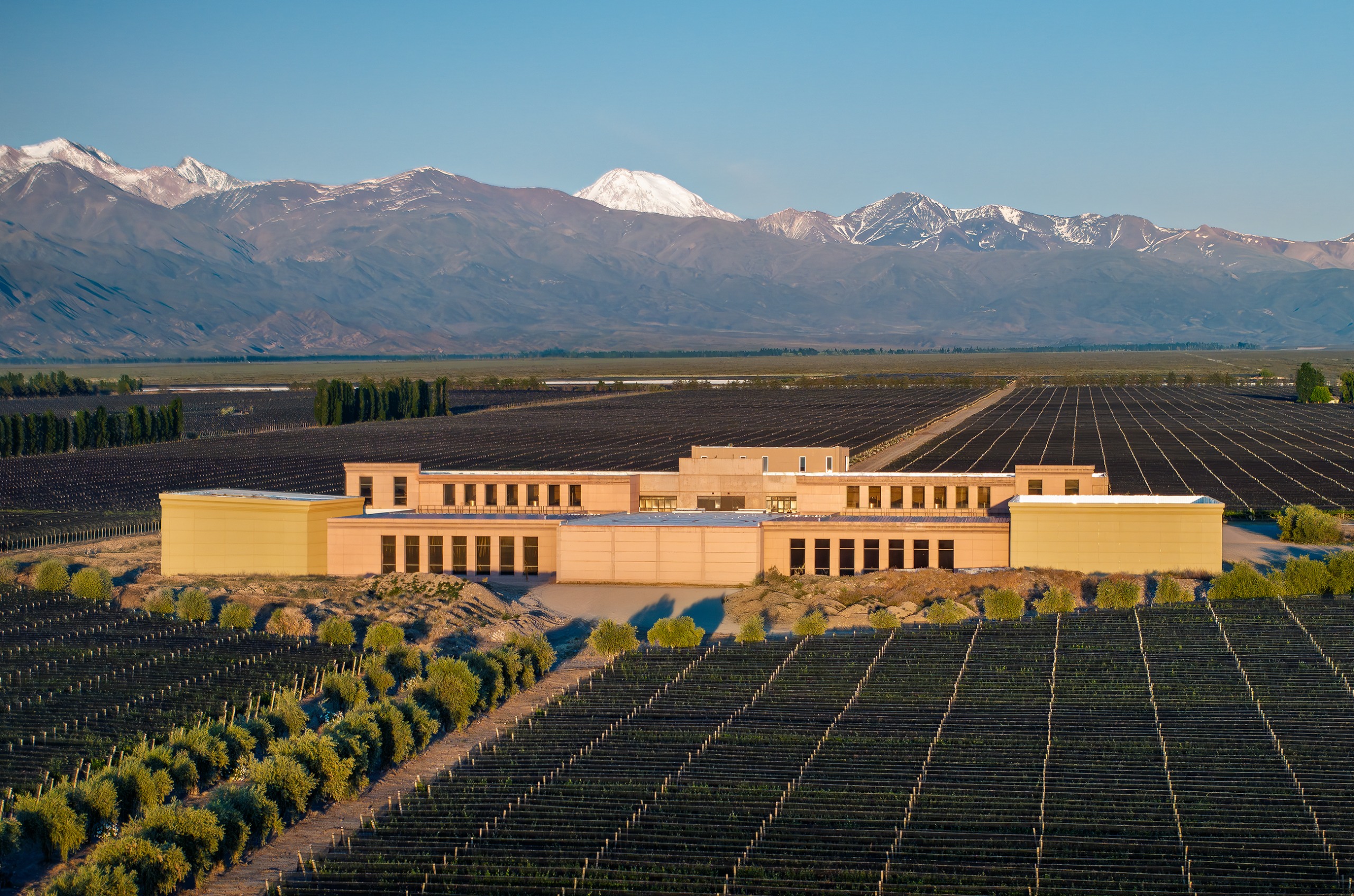 Apartado: Elegant interpretations of the Uco Valley from Rutini Wines
Sponsored The essence of the Uco Valley...
-
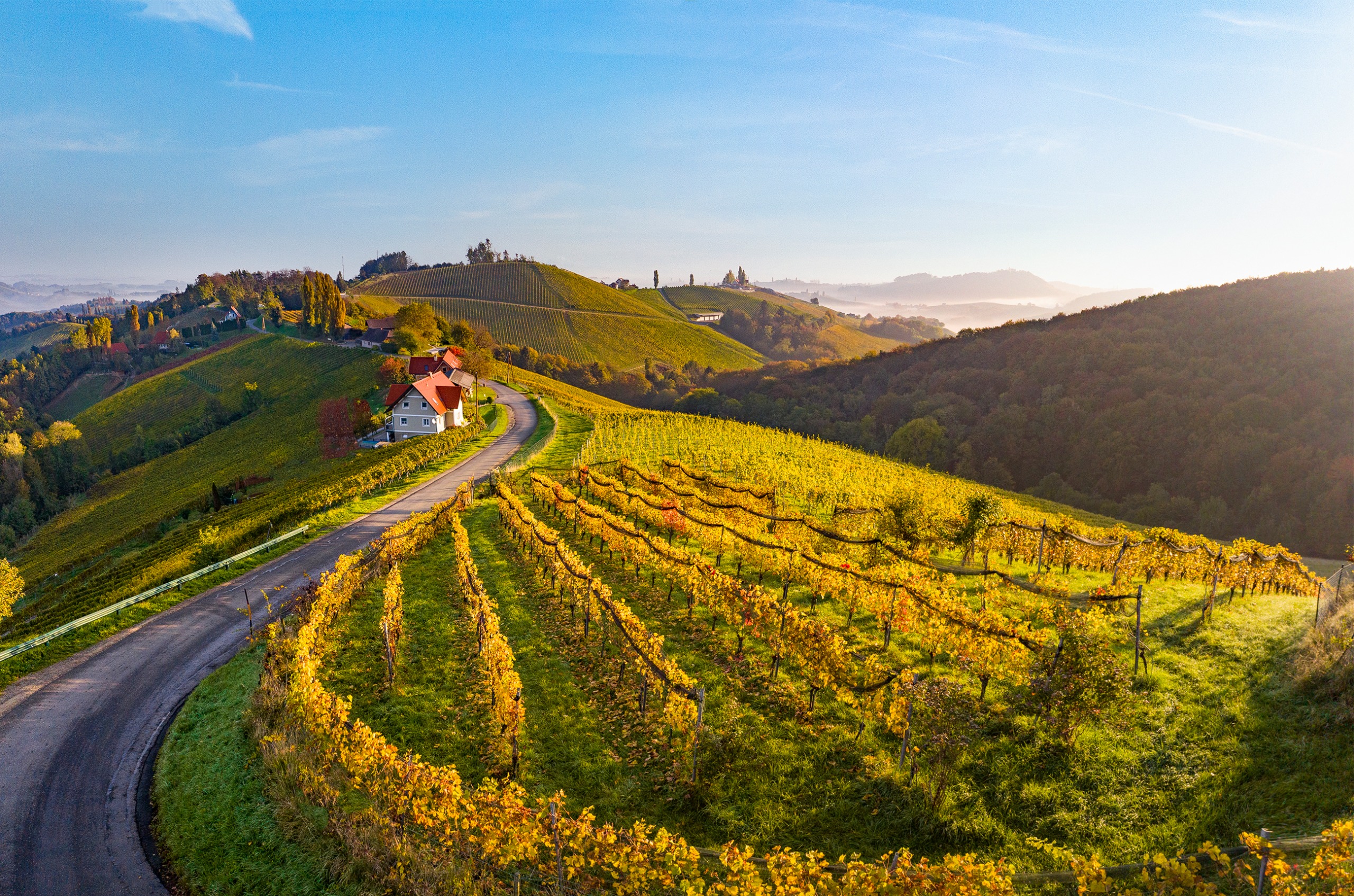 Award-winning wines from Austria
Sponsored Quality and diversity...
-
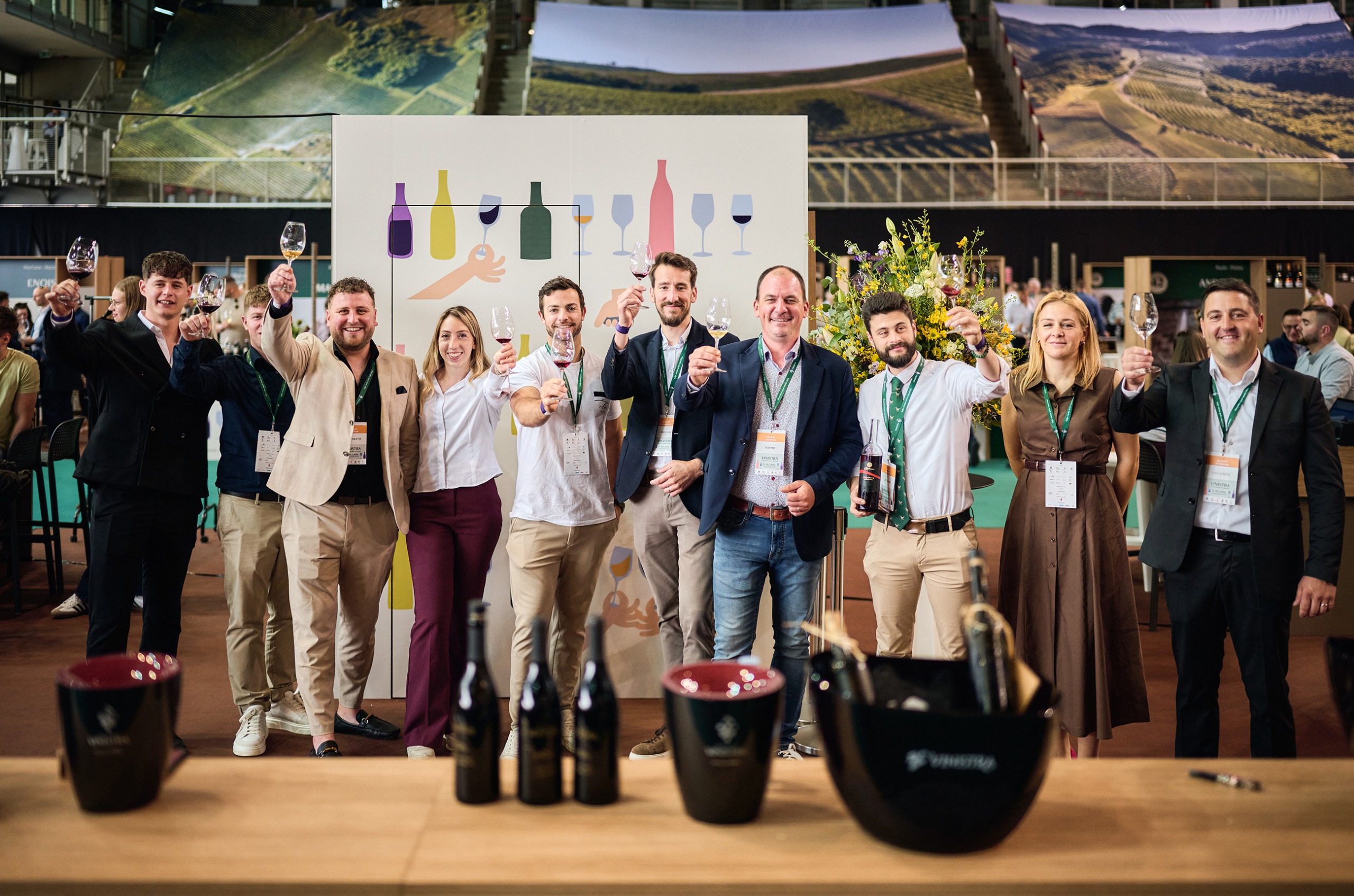 Gen V: The new face of Istria
Sponsored Taking Istria into the future...
-
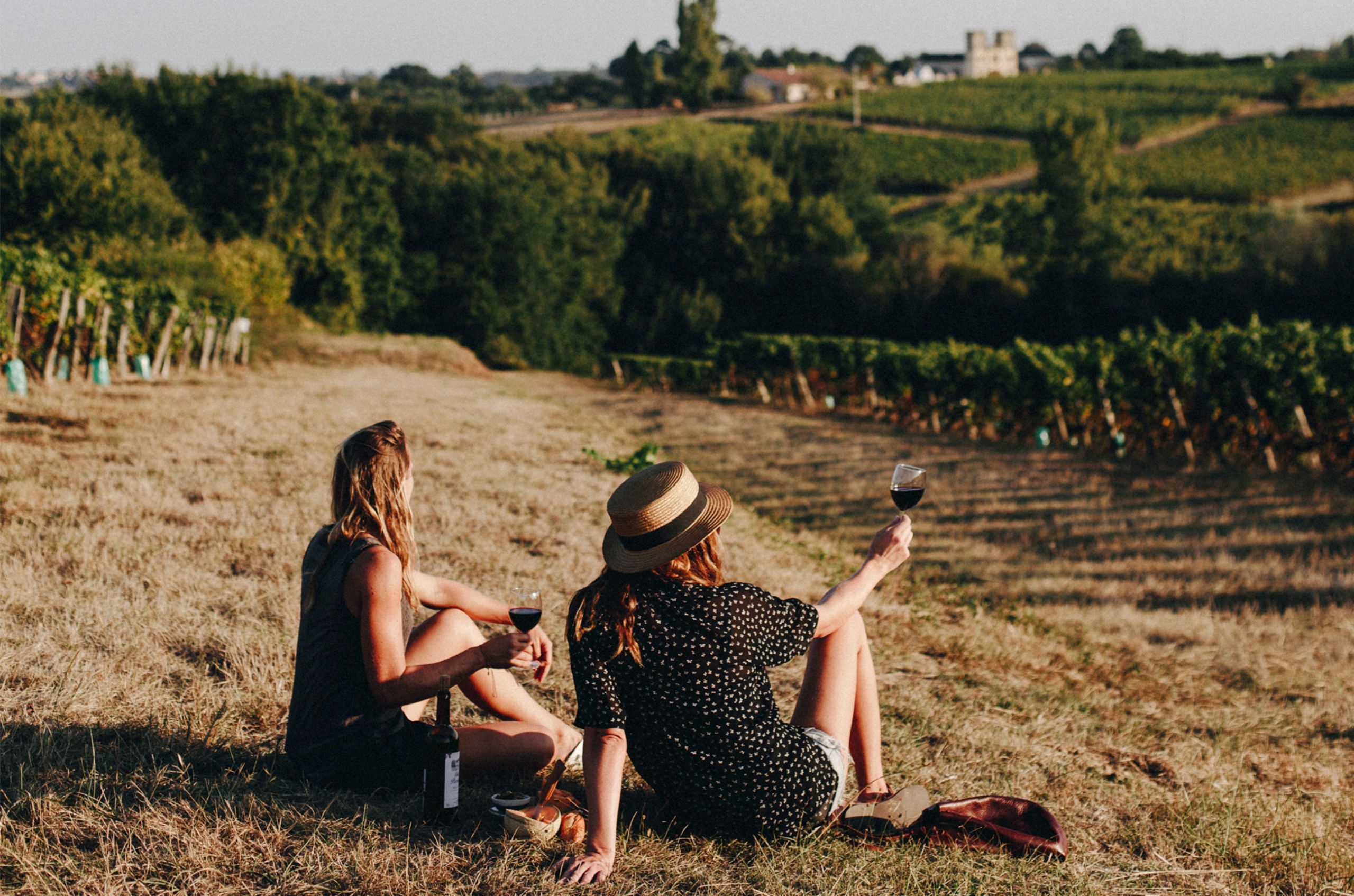 Bordeaux: One region, many voices
Sponsored Bordeaux reds in all shades...
-
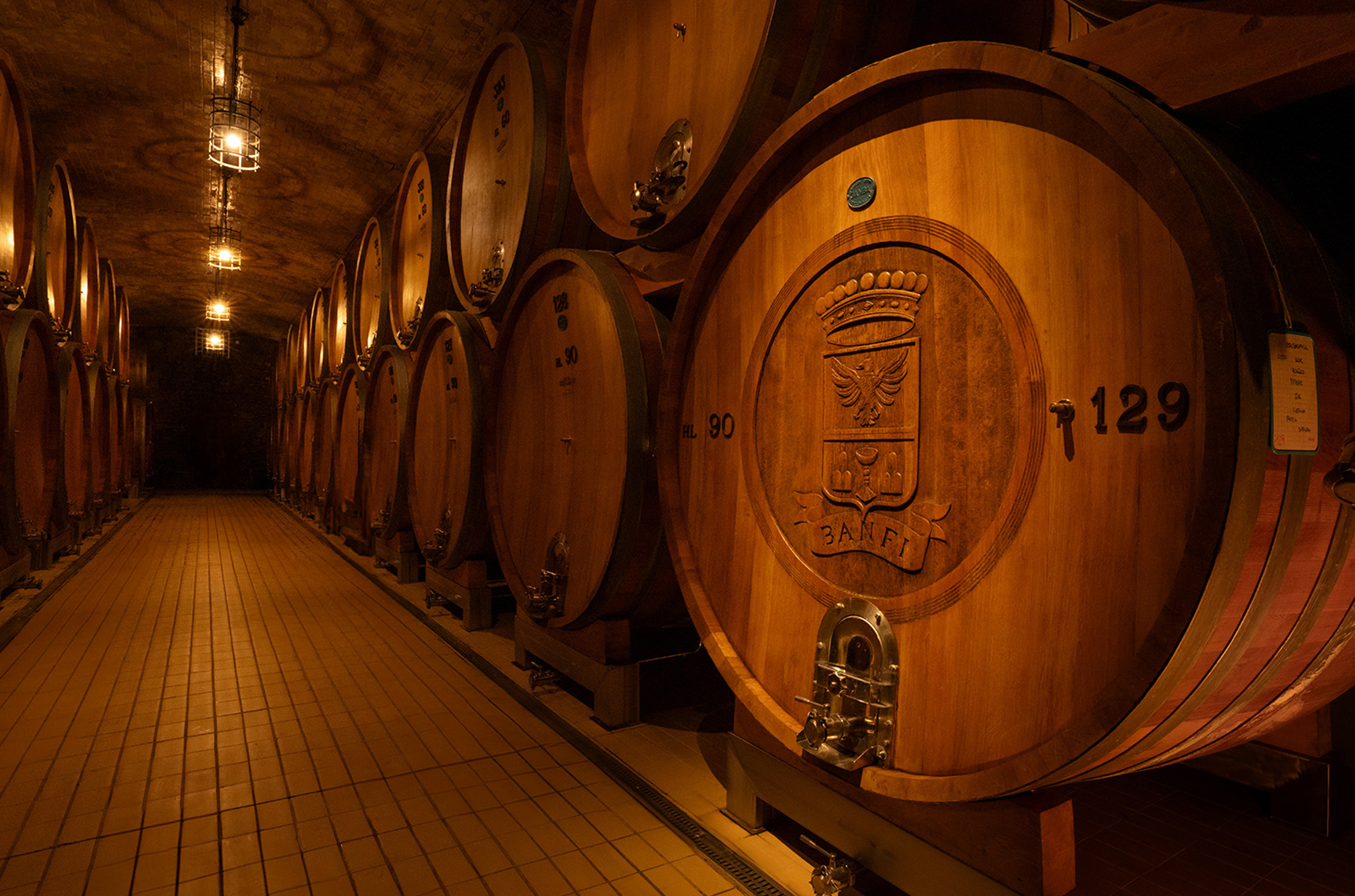 Poggio alle Mura: The Brunello that defines Banfi
Sponsored More than Brunello...
-
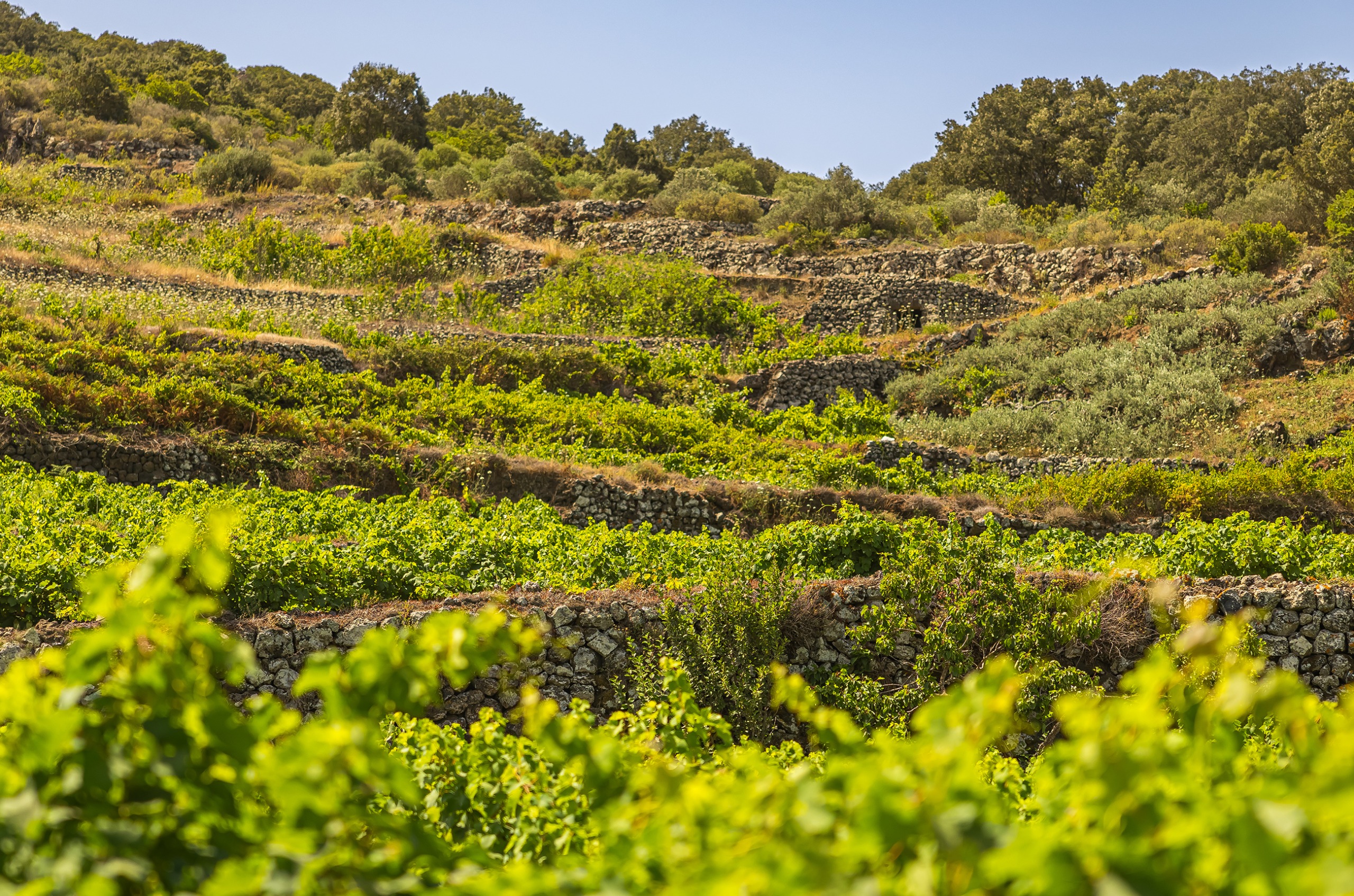 Committed to its craft: Pellegrino’s Sicilian legacy
Sponsored A legacy of quality...
-
 Bouvet Ladubay: 175 years of sparkling know-how
Sponsored One of the Loire's oldest producers...


