
Grand Auxerrois: The go-to region for value Burgundy?
Get to know the names of these hitherto under-the-radar appellations, which lie just outside the Chablis region. The Grand Auxerrois could be the new epicentre for the best value wines in Burgundy.


The Grand Auxerrois describes a large area in the Yonne department surrounding Chablis in the north of Burgundy. More than a century ago, this was one of the most important wine-producing areas in France, before it was devastated by the phylloxera bug and changing economic conditions.
In the mid-19th century, there were more than 40,000ha of vines, but by 1980, this had fallen to less than 3,000ha (of which Chablis accounted for more than half).
Today, there are a little more than 7,000ha under vine in all. Chablis remains the dominant force in the Yonne and, with the continued rise in prices for wines from the Chalonnaise, Mâconnais and the Côte d’Or, is still one of the few major Burgundian appellations where prices remain affordable.
Scroll down to see notes and scores of 10 fantastic wines from the Grand Auxerrois
But, with continued strong demand, even that is changing, so the areas around Chablis are receiving greater attention as sources of high-quality, terroir-driven wines from Burgundy’s northern extremities.
Geographically, the Grand Auxerrois is closer to Champagne than the Côte d’Or, with many of the appellations situated on Kimmeridgian/Portlandian soils and bearing similar characteristics to those of Chablis and Champagne’s southerly Aube region.
Although frosts remain a major threat, in recent decades the changing climate has had some positive impacts, with warming temperatures enabling Chardonnay, Aligoté and, particularly, Pinot Noir to ripen more fully.
Vincent Wengier in Chablis, says that, ‘global warming has been very beneficial for our region’, while Maison Simonnet-Febvre general manager Paul Espitalié observes: ‘Over the past 15 years, climate change has been very important, particularly for the reds.’
Lay of the land
The Grand Auxerrois comprises four key zones. West of Chablis and south of the town of Auxerre are the appellations of Irancy (the region’s best Pinot Noir), Coulanges-la-Vineuse, Côtes d’Auxerre, Chitry and St-Bris (Burgundy’s sole appellation for Sauvignon Blanc). East of Chablis is the Tonnerrois area, with the two appellations of Epineuil and Tonnerre.
Northwest of Auxerre lies the town of Joigny, home to the tiny, historical appellation of Côte St-Jacques. The fourth sector – Vézelay – is situated 50km southeast of Auxerre.
Here the geology and climate are different to those further north, although the appellation has a deservedly high reputation.
Within the Yonne department, other permitted appellations include Bourgogne Rouge, Rosé and Blanc, together with Coteaux Bourguignons Rouge (for which César and Tressot varieties are also permitted: see below) or Blanc (Sacy).
As with most of Burgundy, Chardonnay and Pinot Noir are the key grape varieties (with limited use of Pinot Gris for some rosé wines).
Some appellation rules permit the use of Sacy (a white grape mostly used as part of a Crémant de Bourgogne blend), Tressot (an historical but virtually extinct red grape) and César – a tannic, rustic red variety sometimes used to add structure and colour to Pinot Noir.
The Sauvignon Blanc of St-Bris has a markedly different character to those from Italy, South Africa and the New World. In St-Bris the restrained style bears more similarity to Chardonnay in Chablis, and Sauvignon Blanc from Sancerre.
Aligoté is another surprise. The grape has a reputation further south for uncomplicated, sometimes overly acidic wines, so it might be assumed that in the cooler climate of the Grand Auxerrois,
Aligoté would become even more strident. Yet here, Aligoté is treated as a high-quality grape, often planted on the most favourable sites with fine exposition, combining with old vines and low yields to give wines that are ripe, rounded and complex.
Clotilde Davenne, one of the area’s most dynamic producers, is a big fan: ‘The Aligoté is filled with sunshine and always ripens at the right time to make wines of beautiful regularity and freshness.’
Wengier agrees, noting: ‘Aligoté surprises me every year with its aromas. It is a sponge which captures both the soil where it was planted and the climate of the harvest year.’

Guide to the appellations of the Grand Auxerrois
Regional appellations
Bourgogne Epineuil
Close to Tonnerre, this appellation includes red and rosé. Red wines must be 100% Pinot Noir and tend to be lighter, red berry in character, with smoky, peppery notes to finish.
Rosés can be made from Pinots Noir or Gris. Epineuil has white pebbly soils similar to those of Chablis.
Bourgogne Tonnerre
Located northeast of Chablis, this appellation is 100% Chardonnay. Vineyards are located on the river Armançon, on clay-limestone soils, with many small valleys providing different expositions. Dry, fruity and aromatic.
Bourgogne Chitry
Chitry is a very close neighbour of Chablis and, with Kimmeridgian soils, it is no surprise that the white wines bear a strong similarity. The appellation includes red, rosé and white wines.
Reds have more pronounced tannins and cherry/red-berry fruit while whites are floral with citrus and gunflint notes.
Bourgogne Coulanges-la-Vineuse
Located south of Auxerre on the left bank of the Yonne, Coulanges is an appellation for red, rosé and white wines.
Red wines from Pinot Noir dominate, although some César is permitted in the blend. Coulanges wines are lighter than those from Irancy.
Bourgogne Côtes d’Auxerre
An important appellation for red, rosé and white wines. Only Pinot Noir and Chardonnay are permitted. Expect lighter, velvety reds and mineral-charged whites.
Located on both sides of the Yonne river, on Portlandian and Kimmeridgian soils.
Bourgogne Côte St-Jacques
Home to the most northerly vines in the Bourgogne region, planted on slopes facing southeast and overlooking the town of Joigny.
Red, white and rosé wines are produced predominantly from Pinot Noir and Chardonnay, with a little Pinot Gris.
Soils are chalky, with some flint lower down the slopes. Red wines tend to be fruity and delicate, and the whites and ‘gris’ style rosés fresh and fragrant, ideal as accompaniments to snacks, starters or lighter dishes of all kinds.
Village appellations
Irancy
An appellation since 1999, on the right bank of the river Yonne and 15km southeast of Auxerre. Irancy can include up to 10% César, which adds tannins and colour.
Home of the Auxerrois’ best Pinot Noir, an amphitheatre of vineyards surrounds the village on all sides giving ideal exposure. Lying at 130m-250m, the soils are mostly Kimmeridgian marls together with some brown limestone.
The top estate is Richoux (see ‘names to know’, below), while revered Chablis producer Vincent Dauvissat makes a fine Pinot Noir here.
St-Bris
The only Burgundy appellation that permits Sauvignon Blanc, the appellation St-Bris was established in 2003, replacing that of Sauvignon de St-Bris.
Given the popularity of this grape worldwide, perhaps this was a retrograde step? Jurassic soils of Portlandian/ Kimmeridgian, together with some alluvial deposits, result in a distinctive style offering exotic fruits combined with blackcurrant leaf and mineral notes.
Vézelay
Located 50km south of Auxerre, on both sides of the Cure river – a tributary of the Yonne – the soils of Vézelay are formed from Jurassic marls and limestone, with vineyards facing south/southeast at 190m-330m.
Citrus and mineral on the palate, with stone fruit and notes of acacia and nuts. 100% Chardonnay.
Emerging talent
Espitalié points to the opportunities emerging in the Grand Auxerrois, with the area providing many options for a new generation of young winemakers to find suitable (and affordable) land.
‘Chablis is virtually 100% planted, so in the Auxerrois we are seeing completely new vignerons and estates,’ he says.
He believes the most exciting appellations are those of St-Bris – ‘very good value, fresh and interesting wines from Kimmeridgian or Portlandian soils’ – and Irancy, which he sums up as: ‘The best appellation in the Grand Auxerrois – while it used to be tannic and rustic, now it is fruity, balanced and rounded.’
Today, the major concern for Burgundy drinkers is not the quality or diversity of wines coming from the Grand Auxerrois. Climate change seems to have had some positive benefits here and prices remain very attractive.
More of a challenge is finding a good range of wines from the different appellations. Searching at specialist, local retailers should provide some exciting opportunities.
Eight Grand Auxerrois names to know
Clotilde Davenne

A force to be reckoned with in the Grand Auxerrois, Clotilde Davenne first planted vines in 1992 at what later became her own estate: Les Temps Perdus.
Graduating in oenology, she worked in Beaujolais and California before returning to Burgundy. Davenne worked as winemaker at Domaine Jean-Marc Brocard until 2005 before focusing on her own operation.
The estate now totals more than 30ha across Irancy, St-Bris and Chablis. Davenne produces one of the region’s best Aligotés but also has a particular fondness (and reputation) for Sauvignon from St-Bris.
Domaine Céline & Frédéric Gueguen

Céline (daughter of JM Brocard) and Frédéric (ex-winemaker at Domaine Durup and Brocard) established their own Chablis estate in 2013, now totalling 36ha with vines in Chablis, Chichée, La Chapelle-Vaupelteigne, St-Bris and Irancy.
Since 2015, only organic vineyard practices have been employed. The Gueguens are a dynamic duo with a tasting venue in the centre of Chablis and smart rental apartments.
Domaine Guilhem & Jean-Hugues Goisot

A leading St-Bris estate. Jean-Hugues (known as ‘the Pope of St-Bris’) started to work at the domaine aged 16, and his son Guilhem joined in 2005.
Working organically since 1993 and Demeter-certified biodynamic since 2001, the Goisots believe in the importance of a healthy vineyard, the primacy of terroir and harvesting as late as possible.
The estate (now 30ha) produces some of the finest Bourgogne Aligoté in the Yonne, as well as Pinot Noir, Sauvignon Blanc and a small amount of Sauvignon Gris.
Domaine Jean-Marc Brocard

Now working with son Julien, Brocard has built this Préhy-based estate into one of the most influential in Chablis.
The Brocards champion biodiversity and organic principles, and have a growing range of wines from other appellations in the Auxerrois.
Domaine Richoux

Acclaimed as the finest producer in Irancy, Thierry Richoux (now with sons Gabin and Félix at the helm) makes stunning Pinot Noirs which compete with the Côte d’Or’s finest.
The family has been working the slopes of Irancy since 1620. It’s now a 19ha estate, and a new winery was set up in 2019.
The Richouxs use natural yeasts, minimal sulphur and prefer to de-stem, with ageing in foudres and large oak barrels.
Domaine Verret

Domaine Verret has been cultivating vines and making wine for five generations. Bruno Verret now runs the family business of 66ha in St-Bris, Irancy and Chablis, producing some 350,000 bottles every year.
Verret adopts as natural an approach to wine-growing as possible, promoting biodiversity. The estate produces Chablis, Côtes d’Auxerre red and white, Aligoté, Irancy and Coteaux Bourguignons red and white.
Domaine Vincent Wengier

The 27ha family estate of Vincent Wengier is located in Préhy. Vincent and Sophie are the fourth generation, although they only put their own names to the wines from 2018.
The Wengier’s have a strong focus on respect for the environment, gaining HVE (high environmental value) certification in 2019, and organic certification from 2023.
Soils are Kimmeridgian clay-limestone with the estate producing Chablis and Petit Chablis in addition to Bourgogne Chardonnay, Pinot Noir and Aligoté.
Maison Simonnet-Febvre

Established in 1840, Maison Simonnet-Febvre owns estates across Chablis and the Auxerrois. In 2003, it was acquired by Maison Louis Latour.
Simonnet-Febvre has extensive holdings in Chablis, as well as producing Grand Auxerrois wines from Irancy, Epineuil, Chitry, St-Bris and Vézelay.
Further to the southwest of Chablis, Simonnet-Febvre is now setting out to reinvigorate the vineyards of the lesser-known IGP Coteaux de l’Auxois.
Discover Grand Auxerrois: Howard’s pick of 10 to try
Related articles
- The perfect weekend in Beaune for wine lovers
- Decanter magazine March 2025: See what’s inside
- 2023 Burgundy Vintage Report on Decanter Premium
Jean Hugues & Guilhem Goisot, Exogyra Virgula, St-Bris, Burgundy, France, 2022
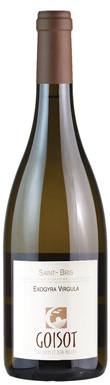

An intriguing and individual style of Sauvignon Blanc. Late-harvested with low yields. Ripe and fleshy (with flavours edging towards tropical fruits like guava/papaya) but cut...
2022
Jean Hugues & Guilhem GoisotSt-Bris

Clotilde Davenne, St-Bris, Burgundy, France, 2022
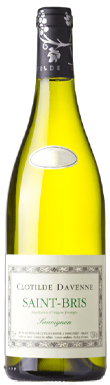
Clotilde Davenne is a huge fan of Sauvignon from St-Bris and this is a very fine example. From vines planted in the 1990s on Portlandian...
2022
Clotilde DavenneSt-Bris
Domaine Céline & Frédéric Gueguen, Côtes Salines, Bourgogne, Burgundy, France, 2023
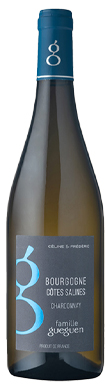
A dynamic estate run by Céline Gueguen, daughter of Chablis producer Jean-Marc Brocard, and husband Frédéric. As well as producing fine Chablis wines, the Gueguens...
2023
Domaine Céline & Frédéric GueguenBourgogne
Domaine La Croix Montjoie, L'Elégante, Vézelay, Burgundy, France, 2021
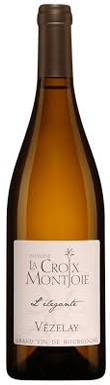
Domaine La Croix Montjoie has 15ha in Vézelay, certified organic since 2021. This was aged for nine months in tank and older barrels. Despite coming...
2021
Domaine La Croix MontjoieVézelay
Domaine Vincent Wengier, Bourgogne, Aligoté, Burgundy, France, 2023
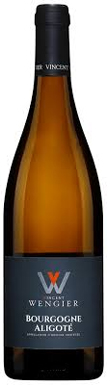
An Aligoté balancing acidity and ripeness on the palate, this will surprise many as an example of Aligoté from this far north. Acidity is as...
2023
Domaine Vincent WengierBourgogne
Domaine Verret, Bourgogne, Côte d'Auxerre, Burgundy, France, 2022
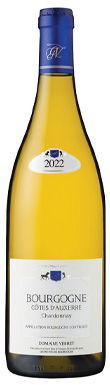
With vineyards around the Grand Auxerrois (Chablis, Chablis 1er Cru Beauroy, St-Bris and Aligoté), Domaine Verret is based in St-Bris-le-Vineux. In a blind tasting, this...
2022
Domaine VerretBourgogne
Famille Brocard, Belle Margote, Bourgogne, Burgundy, France, 2022
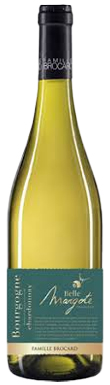
From the stable of leading Chablis producer Jean-Marc Brocard, this Bourgogne Blanc is produced from vines between Chablis and Sancerre (90km to the southwest). Unoaked,...
2022
Famille BrocardBourgogne
Domaine Gabin & Félix Richoux, Irancy, Burgundy, France, 2019
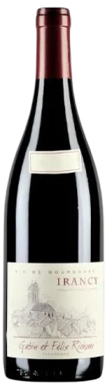
Thierry Richoux is considered the best producer of Irancy, and has now been joined by sons Gabin and Félix. This is a spectacular example of...
2019
Domaine Gabin & Félix RichouxIrancy
Simonnet-Febvre, Paradis, Irancy, Burgundy, France, 2022
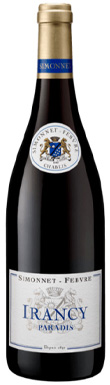
An exciting Irancy which takes this producer's straight Irancy cuvée to an even higher level. Refined and perfumed, with crisp acidity, this has the finesse...
2022
Simonnet-FebvreIrancy
Domaine Vincent Wengier, Les Ardillers, Bourgogne, Burgundy, France, 2023
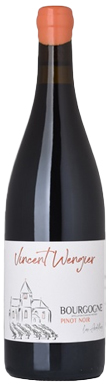
Les Ardillers comes from a 1.8ha sloping site on Kimmeridgian soils south of Chablis. Malolactic fermentation in barrel before 12 months' ageing in 228-litre Burgundy...
2023
Domaine Vincent WengierBourgogne
Jean Hugues & Guilhem Goisot, Exogyra Virgula, St-Bris, Burgundy, France, 2022
An intriguing and individual style of Sauvignon Blanc. Late-harvested with low yields. Ripe and fleshy (with flavours edging towards tropical fruits like guava/papaya) but cut...
2022
Jean Hugues & Guilhem GoisotSt-Bris
Clotilde Davenne, St-Bris, Burgundy, France, 2022
Clotilde Davenne is a huge fan of Sauvignon from St-Bris and this is a very fine example. From vines planted in the 1990s on Portlandian...
2022
Clotilde DavenneSt-Bris
Domaine Céline & Frédéric Gueguen, Côtes Salines, Bourgogne, Burgundy, France, 2023
A dynamic estate run by Céline Gueguen, daughter of Chablis producer Jean-Marc Brocard, and husband Frédéric. As well as producing fine Chablis wines, the Gueguens...
2023
Domaine Céline & Frédéric GueguenBourgogne
Domaine La Croix Montjoie, L'Elégante, Vézelay, Burgundy, France, 2021
Domaine La Croix Montjoie has 15ha in Vézelay, certified organic since 2021. This was aged for nine months in tank and older barrels. Despite coming...
2021
Domaine La Croix MontjoieVézelay
Domaine Vincent Wengier, Bourgogne, Aligoté, Burgundy, France, 2023
An Aligoté balancing acidity and ripeness on the palate, this will surprise many as an example of Aligoté from this far north. Acidity is as...
2023
Domaine Vincent WengierBourgogne
Domaine Verret, Bourgogne, Côte d'Auxerre, Burgundy, France, 2022
With vineyards around the Grand Auxerrois (Chablis, Chablis 1er Cru Beauroy, St-Bris and Aligoté), Domaine Verret is based in St-Bris-le-Vineux. In a blind tasting, this...
2022
Domaine VerretBourgogne
Famille Brocard, Belle Margote, Bourgogne, Burgundy, France, 2022
From the stable of leading Chablis producer Jean-Marc Brocard, this Bourgogne Blanc is produced from vines between Chablis and Sancerre (90km to the southwest). Unoaked,...
2022
Famille BrocardBourgogne
Domaine Gabin & Félix Richoux, Irancy, Burgundy, France, 2019
Thierry Richoux is considered the best producer of Irancy, and has now been joined by sons Gabin and Félix. This is a spectacular example of...
2019
Domaine Gabin & Félix RichouxIrancy
Simonnet-Febvre, Paradis, Irancy, Burgundy, France, 2022
An exciting Irancy which takes this producer's straight Irancy cuvée to an even higher level. Refined and perfumed, with crisp acidity, this has the finesse...
2022
Simonnet-FebvreIrancy
Domaine Vincent Wengier, Les Ardillers, Bourgogne, Burgundy, France, 2023
Les Ardillers comes from a 1.8ha sloping site on Kimmeridgian soils south of Chablis. Malolactic fermentation in barrel before 12 months' ageing in 228-litre Burgundy...
2023
Domaine Vincent WengierBourgogne
