
Italy in Australia: setting down roots
Could Italian grape varieties be the next giant leap for Aussie wine? A dedicated band of producers are devoting their best efforts to finding out, seeking the best locations and the right wine styles. Michaela Morris reports, recommending great examples - including tasting notes exclusively for ,.


Did the Aussies get it wrong? Perhaps Shiraz, Cabernet Sauvignon and Chardonnay aren’t the right grapes for Down Under. Surely this is an irreverent, preposterous suggestion. These grapes have enjoyed raging success.
Scroll down for Morris’ best Australian wines made with Italian grapes
Yet it is impossible to ignore the increasing number of labels touting grapes such as Montepulciano, Arneis or Sagrantino. While they aren’t threatening the hegemony of French varieties, Italian grapes are unequivocally on the rise in Australia.
Rather than approaching this new frontier with an overly confident swagger, producers are adopting Italy’s native grapes with guileless enchantment. Acclaimed Riesling producer Stephanie Toole at Mount Horrocks in South Australia’s Clare Valley went to the dark side after tasting Nero d’Avola in a wine bar in Rome. ‘I’d never tried it, nor even heard of it before,’ she admits. She is now crafting one of Australia’s finest examples.

Beyond the grape varieties themselves, the style of wine they produce has appealed to winemakers’ sensibilities. ‘I want savoury, medium-bodied, textural wines that have some tannin and grip,’ says Sam Scott. His La Prova label drinks like a love letter to Italy.Stephen Pannell, who makes wine in the maritime region of McLaren Vale in South Australia, sees them as a better fit with the local lifestyle and food. ‘I’m aware of living next to the ocean, yet we are renowned for making big red wines. Those two things don’t sit well with each other,’ he argues. Indeed, the region’s delicate King George whiting and Kangaroo Island squid beg for restrained, refreshing whites. Enter Fiano and Vermentino.
Geographic spread
Soul-searching in Australia is not new, and the rise of Italian grape varieties has been simmering for the last 40 years. Boasting the country’s first commercial plantings of Italian varieties, the Montrose winery in Mudgee, New South Wales, released a Sangiovese in the late 1970s, though it was discontinued after a few vintages. The mantle was then taken up by Coriole’s Mark Lloyd, who established a vineyard in McLaren Vale in 1985.
‘My inspiration for planting Sangiovese was questioning why we didn’t have anything from Italy, and why there weren’t more characters or differences,’ Lloyd explains.

Australia has been strongly dominated by just a handful of French varieties for some time. ‘It’s like vinous racism,’ declares Pannell.
The stampede for Italian grape varieties is particularly palpable in McLaren Vale. Gill Gordon-Smith, who makes tiny quantities under her Fall From Grace label, asserts: ‘They have given the region a point of difference from Shiraz, especially for small producers.’
The landscape here even bears some resemblance to Italy. The hills conjure up Tuscany while, looking out to the ocean, it evokes Sardinia or Sicily. After World War II, numerous southern Italians migrated to McLaren Vale. Many worked as market gardeners and established vineyards. Though Italian varieties weren’t readily available at the time, now growers like the Maglieri family at Serafino, the Grilli family of Primo Estate and the Zerella family are proudly embracing the grapes of their homeland.
Well adapted
Beyond the Vale, Italian grape varieties have taken hold throughout South Australia. From Langhorne Creek to Adelaide Hills, through Barossa and Riverland and all the way to Clare Valley, plantings of Aglianico, Barbera, Lagrein, Mammolo and Zibibbo are popping up. ‘They grow brilliantly and are made for our Mediterranean climate,’ says Scott.
A key selling point is the ability these grapes have to retain acidity even at full flavour ripeness. Adjusting wine for acidity is common in Australia and usually necessary for balance. However, for her Clare Valley Nero d’Avola, Toole doesn’t need to do any manipulation. ‘The acid is just perfect,’ she states. At the nearby Koerner winery, brothers Damon and Jonathan Koerner work with varieties such as Sangiovese and Vermentino for this very reason. ‘We choose grapes we think are suited to this area and climate,’ says Damon. ‘Chardonnay isn’t, and personally I don’t think Shiraz is either because here in Clare you have to add so much acid.’
Italian grapes in Australia
Top five white grapes (by estimated tonnes harvested, 2018)
Muscat Blanc à Petits Grains (aka Moscato Bianco) 22,322t
Prosecco (officially known as Glera in Italy) 7,082t
Moscato Giallo 2,785t Fiano 2,075t
Vermentino 1,959t
Others Arneis, Bianco d’Alessano, Biancone, Falanghina, Friulano, Garganega, Grechetto, Greco, Grillo, Inzolia (officially Ansonica), Malvasia Istriana, Pecorino, Ribolla Gialla, Trebbiano group, Verdicchio, Verduzzo, Zibibbo
Top five red Italian grapes (by estimated tonnes harvested, 2018)
Sangiovese 3,996t
Lambrusco family 1,884t
Dolcetto 973t
Nero d’Avola 898t
Montepulciano 760t
Others Aglianico, Aleatico, Barbera, Brachetto, Colorino, Lagrein, Mammolo, Marzemino, Nebbiolo, Negroamaro, Piedirosso, Sagrantino, Schioppettino, Teroldego, Uva di Troia
Heat and drought tolerance are an equal draw, especially as climate change has exacerbated weather extremes. In the particularly dry, hot conditions of 2018, ‘the French grape varieties struggled, but not the Italians – they just soldiered through it’, says Scott. Since the late 1990s, the Australian Wine Research Institute has been educating the industry about climate change and the solution of alternative Mediterranean grapes. Brad Hickey and Nicole Thorpe of Brash Higgins took heed after a trio of hot vintages from 2007 to 2009. ‘We were the first in McLaren Vale to plant Nero d’Avola and removed a block of Shiraz,’ recalls Hickey. While this was considered foolhardy from a commercial standpoint, Hickey estimates that there are now 30 people growing it.
Healthy concern
Unshackled by the kind of appellation regulations in place in Europe, winemakers have greater freedom to play with these grapes. Nevertheless, Australia has its own constraints. Strict regulations on plant material entering the country mean producers can’t simply arrive home with Nebbiolo cuttings from their favourite Barolo cru and stick them in the ground. Incoming vines are quarantined, cultivated, then tested for virus. If, and only if, a plant is clean is it released. The vine then needs to be propagated. It is a lengthy process. Toole put herself on the waiting list for Nero d’Avola in 2003 and wasn’t able to produce a wine until 2012.
Vine nurseries are therefore fundamental in the growth of alternative varieties in Australia. Yalumba’s Barossa nursery is a notable source, while Chalmers’ Victoriabased operation specialises exclusively in Italian cultivars. It has partnered with the Vivai Cooperativi Rauscedo of Fruili, which is the world’s largest vine nursery. To date, Chalmers has made almost 40 native Italian grape varieties available to Aussie growers. ‘We’ve sold over two million vines of these varieties to between 300 and 400 different producers,’ estimates owner Kim Chalmers.
As impressive as this is, not every desired grape has made it through. ‘I would like to have planted Nerello Mascalese five years ago but it’s still not available,’ says Chester Osborn of d’Arenberg, who is already working with Sagrantino and Aglianico.
On the flip-side, Chalmers’ latest imports include popular grapes such as Falanghina, Pecorino and Ribolla Gialla. However, Chalmers insists that, rather than fashion, her first consideration is viticulture. She focuses on grapes that are suited to warm climates and resilient to the effects of climate change.
‘Our hit list of attributes are thick skins, loose bunches, very early or very late ripening (so that we are picking before the majority of heat or well after), heat and drought tolerance, and high natural acidity,’ she explains. She then looks at what tastes good.
Front runners
Italian grape varieties span Australia from as far west as Margaret River all the way east to New South Wales. Though still far from mainstream, they are no longer outliers as they were when Mark Lloyd and his cohorts Garry Crittenden and Mark Walpole in Victoria started championing them. The tipping point will be when big companies such as Casella or Treasury Wine Estates get behind them.
For the time being, producers are still trying to determine which grapes do best where. Jeffrey Grosset struggled with Aglianico in the Clare Valley for seven years and it didn’t ripen. ‘It was too lean. Most of it went down the drain,’ he confesses. With time, patterns might emerge, such as Nero d’Avola and Fiano in McLaren Vale.

It is also too soon to talk about a definitive Australian style, though current releases are impressive. What is most stunning is the brilliant, mouthwatering natural acidity and reasonable alcohol levels.
Whites are being made without oak or with neutral oak and everyone is talking texture. Fiano is truly a standout, with a range of expressions. Some are made exclusively in stainless steel, others go through partial barrel fermentation, and lees contact varies. La Prova, Grosset and Bondar are just a few to look out for.
As for Vermentino, a number of producers are trying too hard to mimic Sauvignon Blanc, but Oliver’s Taranga makes a lovely version comparable in quality to the winery’s excellent Fiano. Meanwhile, for something completely different, Koerner offers two very distinct Clare Valley Vermentinos.
Aiming high
For the reds, there are scores of mid-weight examples loaded with intriguing flavours. Oak, gloriously, is rarely overdone. The fruit tends to have a glossier sheen and tannins are typically less assertive than in the Italian counterparts. Sagrantino may be the exception to this, though it generally has plush fruit to support. Aphelion in McLaren Vale is aiming for refinement and the embryonic 2018 shows promise. Montepulciano (or Monte as the Aussies affectionately call it) is fruity yet polite, and lacking its rustic edge. Fall From Grace has just released a dry, dark rosato version along the lines of a Cerasuolo d’Abruzzo. Above all, Nero d’Avola is a winner.
Considered Italy’s most noble varieties, Sangiovese and Nebbiolo will likely come under the most scrutiny. For Sangiovese, Coriole is still a reference. Zerella is going for a long-aged, Brunello-esque version whereas Koerner and McLaren Vale’s Juxtaposed are making a juicy-fruit style.
In terms of Nebbiolo, it takes a certain fanatic to tangle with this finicky grape. Stephen Pannell, as well as Luke Lambert in Yarra Valley and Pizzini in King Valley, are among the most gorgeous successes.
As difficult as it is not to make comparisons with Italy, Australia’s producers are adamant that they are not trying to make wines that look like something else. ‘We need to create our own industry, not copy,’ says Pannell. ‘That requires creativity, ingenuity and bravery.’
Australia has a solid track record of this. Surely it won’t be long before wines made from Italian grapes are sitting next to Australian benchmarks of French varieties.
Morris’ top Australian wines made with Italian grapes
The first 15 wines were included in the original feature in the June 2019 issue of Decanter magazine. The following wines are an additional selection exclusively for Decanter Premium members.
You may also like
Time to try cool-climate Australian ShirazNebbiolo beyond Italy – Ask DecanterAustralian wines: A family affairPinot Bianco: Italy’s northern star plus 12 top wines to try
Oliver's Taranga, Fiano, McLaren Vale, South Australia, Australia, 2018
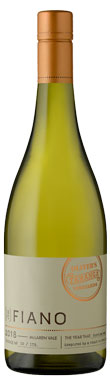

The mother vines for this wine hail from Cantine Bruno in the Avellino region of Campania in southern Italy. Three months on the lees in...
2018
Oliver's TarangaMcLaren Vale

Oliver's Taranga, Sagrantino, McLaren Vale, South Australia, Australia, 2014
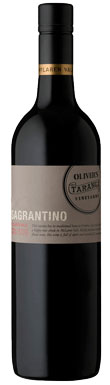
Extended maceration for a portion of the wine softens Sagrantino’s assertive tannins. Concentrated, plush structure with seductive notes of baked plum, bay leaf and leather.
2014
Oliver's TarangaMcLaren Vale
Coriole, Fiano, McLaren Vale, South Australia, Australia, 2018
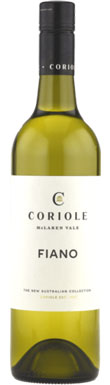
Besides pioneering Sangiovese, Mark Lloyd can also boast Australia’s first Fiano with the 2005 vintage of Coriole. Round and almost glycerol in texture, this layered...
2018
CorioleMcLaren Vale
La Prova, Fiano, Adelaide Hills, South Australia, Australia, 2018
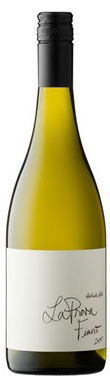
Sam Scott uses just the free-run juice here, barrel fermenting 40% in used French oak to build texture. Juicy acidity counters fleshy stone fruit, revealing...
2018
La ProvaAdelaide Hills
Adelina, Eternal Return Arneis, Adelaide Hills, South Australia, Australia, 2018
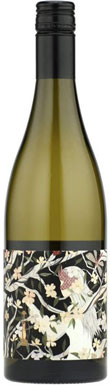
Winemaker Colin McBryde coaxes character from Arneis by picking a little later and fermenting a small portion in old oak barriques. Delicate white blossom and...
2018
AdelinaAdelaide Hills
Zerella, La Gita Fiano, McLaren Vale, South Australia, Australia, 2017
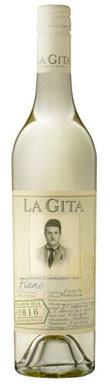
The Zerella family came from Campania to McLaren Vale in 1956. The second vintage of Fiano, which was grafted over Shiraz in 2013, this is...
2017
ZerellaMcLaren Vale
Luke Lambert, Nebbiolo, Yarra Valley, Victoria, Australia, 2016
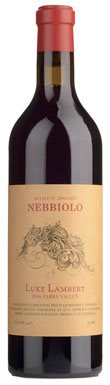
Lambert paid his dues in Barolo working at Giacomo Brezza and Cordero di Montezemolo. Roses, currant and raspberry aromas, sweet mossy earth. Firmly moulded palate...
2016
Luke LambertYarra Valley
Koerner, La Korse, Clare Valley, South Australia, Australia, 2018
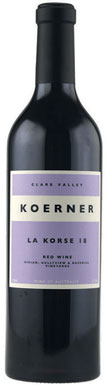
A Sangiovese-led blend crafted from 100% whole berries and aged in amphorae. Pale, crunchy and light on its feet, it’s a delightful tangle of cherry,...
2018
KoernerClare Valley
Alpha Box & Dice, Siren Nero d’Avola, McLaren Vale, South Australia, Australia, 2017
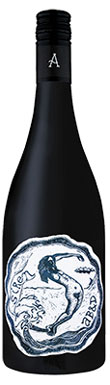
Two-thirds of the grapes are picked early and left as whole bunches. Cherry and blueberry pie, a dash of sundried tomato. Rather velvety, though a...
2017
Alpha Box & DiceMcLaren Vale
Architects of Wine, Lagrein, Langhorne Creek, South Australia, Australia, 2017
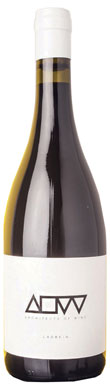
Crafted with 30% whole bunches and spontaneous fermentation, unfined and unfiltered with just a touch of SO2 added at bottling. The black cherry fruit is...
2017
Architects of WineLanghorne Creek
d'Arenberg, The Athazagoraphobic Cat Sagrantino-Cinsault, McLaren Vale, South Australia, Australia, 2013
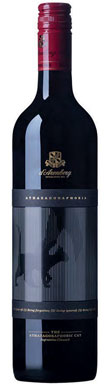
Chester Osborn describes 2013 as a year with lots of Barolo-like tannins. Still backward, the nose hints at dried baking spice and heather. Rich blue...
2013
d'ArenbergMcLaren Vale
Henschke, The Rose Grower Nebbiolo, Eden Valley, South Australia, Australia, 2014
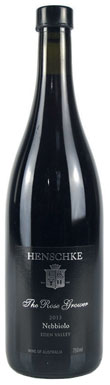
Planted in 2002 on a cool north-facing rocky slope, Henschke’s Nebbiolo is redolent of tea, smoky dried leaves and baked red fruit on the mid-palate....
2014
HenschkeEden Valley
Kangarilla Road, Brierly Vineyard Montepulciano, McLaren Vale, South Australia, Australia, 2017
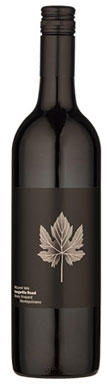
Made since 2014. Matures slowly in used barrels. A dash of savoury spice complements fragrant red cherry, and it’s loaded with juicy acidity and polished...
2017
Kangarilla RoadMcLaren Vale
Hesketh, Negroamaro, Barossa Valley, South Australia, Australia, 2016
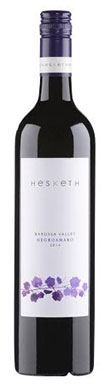
Hesketh’s take on Puglia’s heat and drought-resistant Negroamaro grape is soft, easy-going and accessible. Black raspberries mingle with dried tarragon, while ageing in seasoned French...
2016
HeskethBarossa Valley
SC Pannell, Nebbiolo, Adelaide Hills, South Australia, Australia, 2016
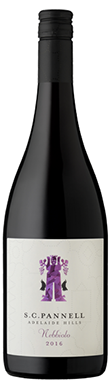
To balance Australia's natural tendency to richness, Stephen Pannell looks for skinnier varieties with high acidity and ample tannins. His portfolio of 'alternative' grapes is...
2016
SC PannellAdelaide Hills
Grosset, Apiana Fiano, Clare Valley, South Australia, Australia, 2018
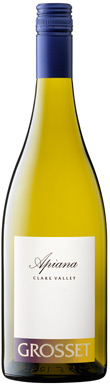
Grosset now has two clones of Fiano and feels that the bigger, juicier berries of the newly introduced Savio selection balance out the extreme intensity...
2018
GrossetClare Valley
Pizzini, Nebbiolo, King Valley, Victoria, Australia, 2014
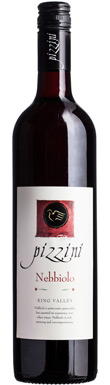
The Pizzini family is among the many Italians who immigrated to Australia in the 1950s. Originally potato then tobacco farmers, they started growing grapes in...
2014
PizziniKing Valley
Bondar, Fiano, McLaren Vale, South Australia, Australia, 2018
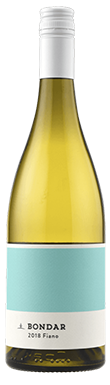
While the Bondar label focusses primarily on Grenache and medium-weight Shiraz, Andre Bondar tried his hand at Fiano in 2017, when a friend offered him...
2018
BondarMcLaren Vale
Koerner, Pigato Vermentino, Clare Valley, South Australia, Australia, 2018
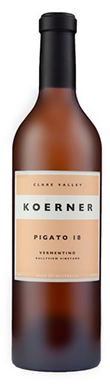
Koerner makes two distinct Vermentinos: one is identified by the French synonym, Rolle, while the Pigato bottling borrows the name of the Ligurian biotype of...
2018
KoernerClare Valley
Brash Higgins, ZBO Ricca Terra Farms Zibibbo, Riverland, South Australia, Australia, 2017
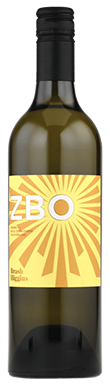
Looking for a grape he could submit to long skin contact without losing its personality, winemaker Brad Hickey sourced 70-year-old bush-vine Zibibbo (aka Muscat of...
2017
Brash HigginsRiverland
La Prova, Nero d'Avola, McLaren Vale, South Australia, Australia, 2017
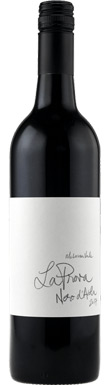
From two sites in McLaren Vale: one is higher up and fresher but with lots of sun, while the other is warmer with richer soil...
2017
La ProvaMcLaren Vale
Chalmers, Aglianico, Heathcote, Victoria, Australia, 2016
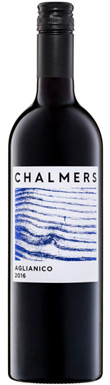
Imported in 2001 and first vinified in 2004, this Aglianico is grown on the red Cambrian soil of Heathcote's Mount Camel range. Chalmers has switched...
2016
ChalmersHeathcote
Beach Road, Greco, Langhorne Creek, South Australia, Australia, 2017
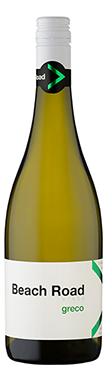
Owned by accomplished winemaker Briony Hoare, Beach Road Wines is dedicated to Italian native grapes. The Greco ripens at the end of April - very...
2017
Beach RoadLanghorne Creek
Zerella, La Gita Etrurian Sangiovese, McLaren Vale, South Australia, Australia, 2013
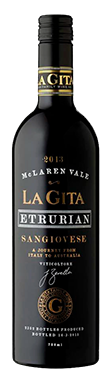
Zerella's flagship wine hails from 15-year-old vines grown at just 44 metres above sea level. The fruit is hand-harvested and the wine is aged for...
2013
ZerellaMcLaren Vale
Casa Freschi, Nebbiolo, Langhorne Creek, South Australia, Australia, 2015
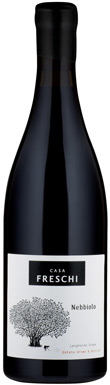
David Freschi is the son of Italian parents who emigrated from the Veneto region to Australia in the 1950s. His Nebbiolo is a combination of...
2015
Casa FreschiLanghorne Creek
Juxtaposed, Bigger Boat Fiano, McLaren Vale, South Australia, Australia, 2018
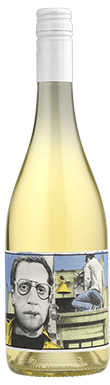
The Juxtaposed label is a joint venture between McLaren Vale viticulturist Peter Bolte and Canadian winemaker Wes Pearson, also a senior sensory scientist at the...
2018
JuxtaposedMcLaren Vale
Chalmers, Rosato, Heathcote, Victoria, Australia, 2018
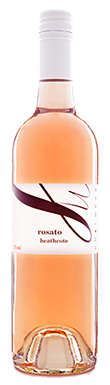
Besides providing dozens of wineries across Australia with the most extensive roster of Italy's native grape varieties, Chalmers also makes wine under their own label....
2018
ChalmersHeathcote
Adelina, Eternal Return Nebbiolo-Barbera-Dolcetto, Adelaide Hills, South Australia, Australia, 2017
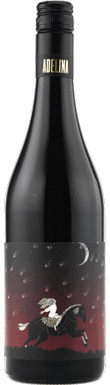
Winemaker Colin McBryde possesses an encyclopaedic knowledge of Barolo's producers, and his debut vintage of this Piedmontese blend evokes those of the Langhe. The Nebbiolo...
2017
AdelinaAdelaide Hills
Alpha Box & Dice, Rebel Rebel Montepulciano, Langhorne Creek, South Australia, Australia, 2018
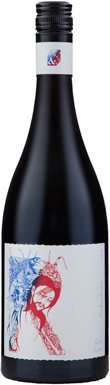
In 2016, Alpha Box & Dice's winemaker Sam Berketa had the opportunity to work with Barolo's Chiara Boschis. Back on his own turf, he plays...
2018
Alpha Box & DiceLanghorne Creek
