

Asti’s roots
The world was in turmoil when the Consorzio per la tutela dell’Asti was founded in 1932; between two world wars and with western society going through deep changes, the determination of the Asti producers remained firm.
Striving to protect their land, grape variety (Moscato Bianco) and the quality of their wines, they also helped sustain a sense of hope, enjoyment and community. Because Asti was, and remains, about celebrating the good moments in life and invoking that unique sense of joy that emerges when a bottle of wine is shared among friends.
The pioneering spirit that united the Asti producers then, in an entrepreneurial avant-garde gesture, remains the same. Asti wines are, more than ever, of their own time and place: expressive, unpretentious, sophisticated, with low alcohol and elegant aromatic intensity.
Today, as in the dawn of the 20th century, Asti is propelled by energy and innovation, as seen in the many partnerships and collaborations with chefs, sommeliers and mixologists.
Gastronomic vocation
With celebrity chef and restaurateur Alessandro Borghese, Asti has developed a series of videos explaining the character of each wine style and the basic principles of food and wine pairing. Top flair bartender Giorgio Facchinetti, meanwhile, has created unique cocktails, based on Asti Spumante and Moscato d’Asti, showcasing their amazing potential in mixology.

These initiatives help convey how characterful and diverse Asti is. It all starts with the best Moscato Bianco grapes, encapsulating a luscious array of aromas that can range from fresh citrus to ripe orchard fruits, jasmine, linden, sage, orange blossom and, of course, the trademark muskiness that captures the essence of the variety.
Moscato d’Asti DOCG makes the most of this aromatic complexity by halting fermentation at a mere 5% alcohol; this creates a fruity, juicy vino frizzante, with vibrant flavours and light, refreshing pétillance.
Asti Spumante DOCG, on the other hand, brings terroir and winemaking expertise to the forefront: hand harvested grapes from chalky slopes are fermented to dryness and then undergo a secondary fermentation either through the Martinotti Method (named after Asti-native Federico Martinotti, who invented the process and also known as Charmat, an eponym of Eugéne Charmat, who patented the equipment to put it into practice) or Metodo Classico (Traditional Method).
Produced in an array of styles, from inviting Dolces, with balanced sweetness and well-defined aromas, to Extra-Dry and poised Bruts, in which Moscato Bianco offers a welcome counterpoint to stern minerality, Asti Spumante DOCG is a distinct sparkling wine unlike any of its counterparts. It speaks of its region, grape variety and community of producers in a very particular way.

Few appellations and wine styles are so inextricably linked, as Asti Spumante and Moscato d’Asti, to the essence of food and wine culture, and to simple, hedonistic pleasure.
At the crossroads of terroir expressiveness, varietal character, winemaking craftsmanship and stylistic power, these are wines made with celebration in mind – vehicles for storytelling, ways of creating shared memories.
Asti has a long history but remains young at heart – passionate growers harvest grapes grown on UNESCO World Heritage sites to produce two of the most innovative, characterful DOCG wines. It is their energy and wonder that sparkles in each glass, allowing you to bring something truly special and vibrant to your own meals and gatherings.
Discover the stories and people behind each bottle. Drink the energy in each glass. Share the joy in each toast. Bevi. Asti. Vibe.

Discover more about Asti
Connect on Facebook, Instagram, Twitter, YouTube


-
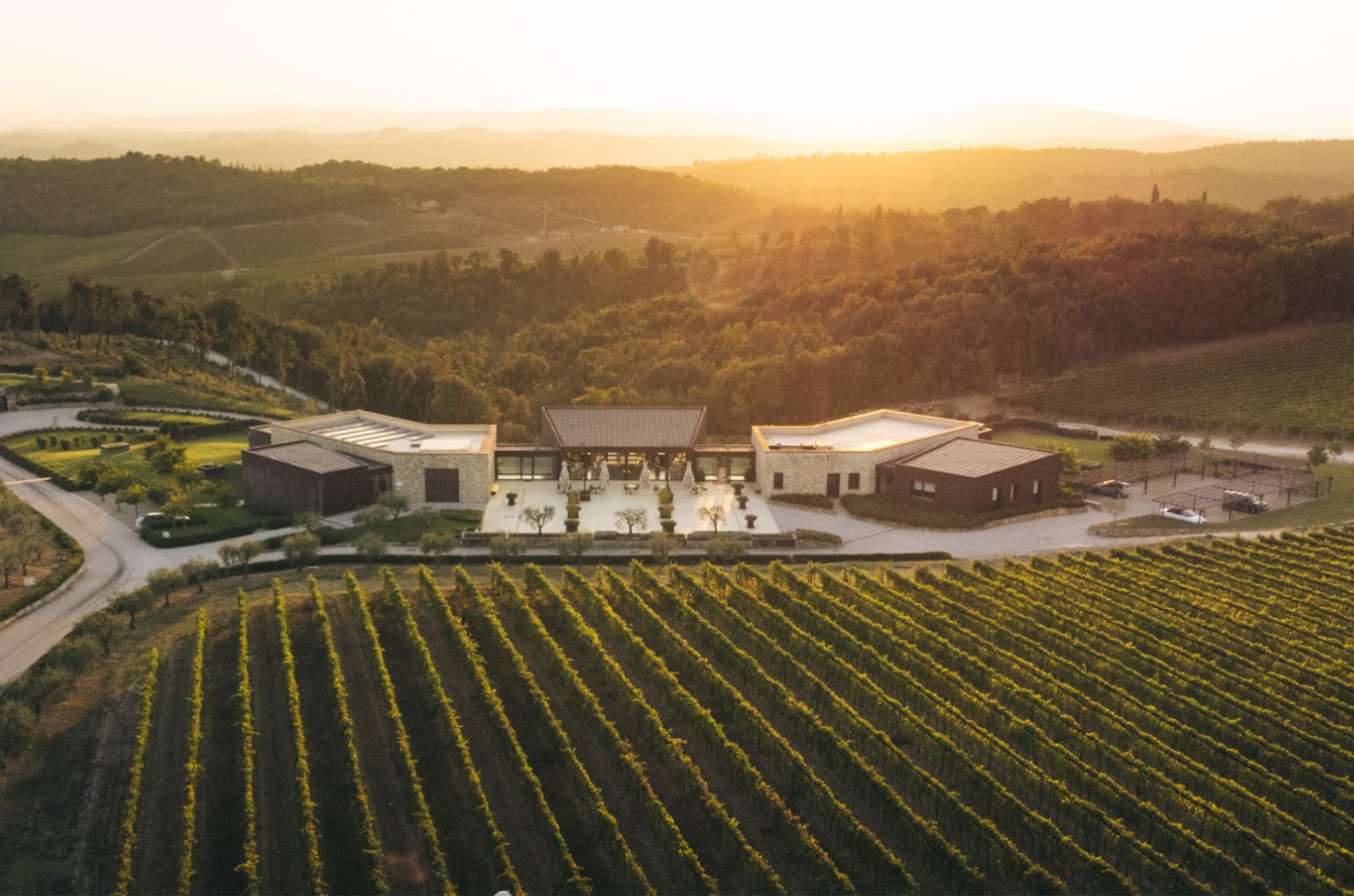 Vallepicciola: Tourism and winemaking in the Chianti hills
Sponsored Winemaking and luxury hospitality...
-
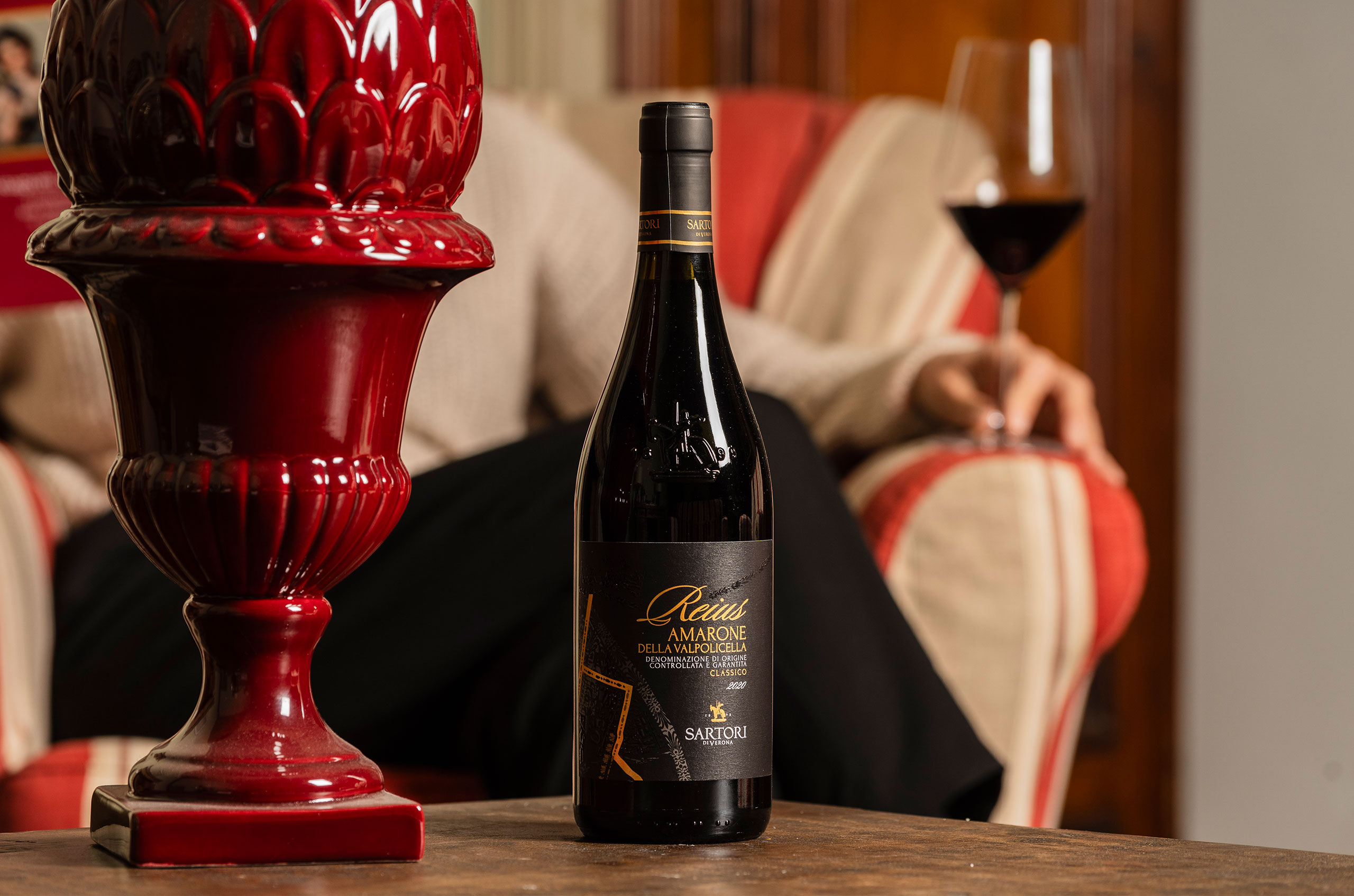 A standout voice in Valpolicella
Sponsored A key name for Valpolicella and Amarone...
-
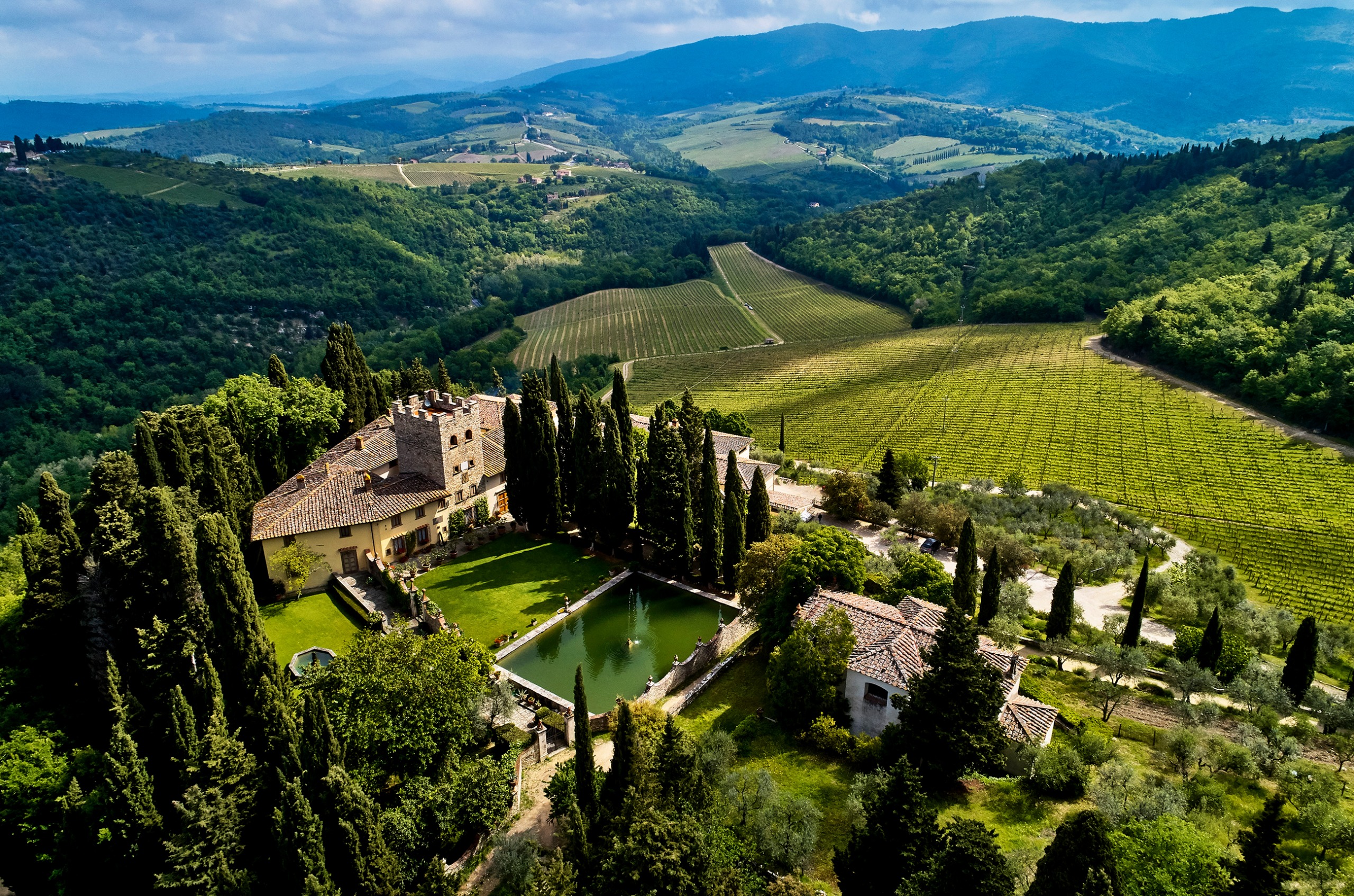 Discover the world of Castello di Verrazzano
Sponsored An ancient castle set amid sprawling vineyards...
-
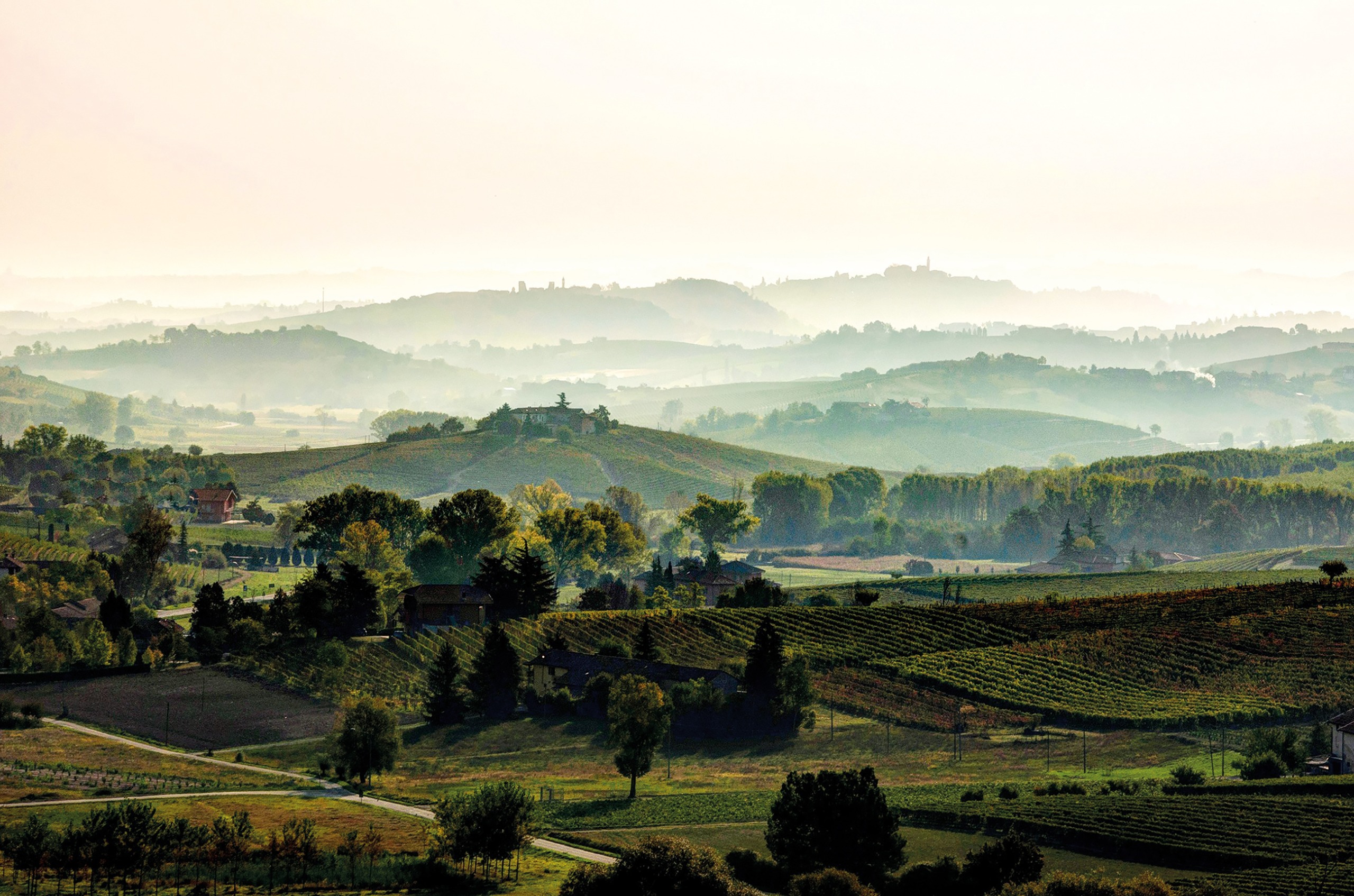 Barbera d'Asti DOCG: Tradition and modernity in Piedmont
Sponsored Many expressions of one variety...
-
 Sergio Mottura: Excellence in Tuscia
Sponsored A renowned figure in Lazio...
-
 Florio: Winning new fans while respecting Marsala’s history
Sponsored An important milestone in Marsala...
-
 Sensi Vini: The gateway to your Italian wine exploration
Sponsored Chianti and beyond...
-
 Celebrating European diversity
Sponsored Introducing the ‘Celebrate the Diversity’ project...


