

When, in 2015, the European law crystallised the creation of the Austrian Sekt Protected Designation of Origin (PDO) it simply reflected the quality and expressiveness that, through years of winemaking experience and thoughtful innovation, built the reputation of some of Austria’s most renowned sparkling producers. Austrian bubbles now rank alongside their renowned European counterparts, with the distinct red and white stamp on each bottle as a reassuring marker of character and quality. With the festive season around the corner, these are, above all, fantastic celebratory, food-friendly wines that will work as perfect gifts and conversation starters.
Almost all Austrian sparkling producers are, first and foremost, outstanding growers and experienced makers of still wines and, as such, have a unique affinity with the land, the varieties and the gastronomic traditions in which they are immersed.
Three categories, the same identity
Austrian Sekt PDO is organised into three distinct categories: the generic Austrian Sekt PDO, at the base of the pyramid, followed by Austrian Sekt Reserve PDO, and Austrian Sekt Grosse Reserve PDO at the peak. All three categories must be produced from Austria-grown grapes strictly from the varieties approved for the production of Qualitätswein. Different further requirements define the distinct levels and profile within each category.
The youthful, vibrant and approachable style of Austrian Sekt PDO places its emphasis on the freshness and purity of the variety(ies) used. It can be produced following either the traditional or tank method, with a minimum requirement of, respectively, nine or six months on the lees. Available in all colours (white, rosé and red) and dosage levels, these are lifted, easy-drinking wines that pair perfectly with canapés, smoked fish and Asian cuisine.

Classic complexity
The Reserve and Grosse Reserve categories, on the other hand, are produced exclusively through the traditional method of sparkling winemaking. Following a secondary fermentation in bottle, they undergo maturation on the lees, prior to disgorgement, for at least 18 and 36 months respectively. Only hand-picked, whole-bunch pressed fruit can be used with maximum juice yields of 60% for Reserve and 50% for Grosse Reserve. The result are wines of great purity, expressiveness and complexity that lend themselves to a variety of food pairing combinations, from grilled fish, roasted poultry, creamy pasta and cheese platters.
Some of these Austrian Sekts are particularly cellar-worthy, developing interesting depth and tertiary characteristics over time. At the Grosse Reserve level, for which only grapes within a same municipality are used, terroir plays a particularly important role, directly translating the characteristics of a region, of its grapes and of its people into a word-class bottle of fizz.
An invitation to bring a new sparkle to your festive table, with the quality and warmth Austrian winemakers are so known for.
SAVE THE DATE
Austrian Tasting London
6th February 2023
Science Museum
Discover more about Austrian Wine
Connect onFacebook | Instagram | YouTube


-
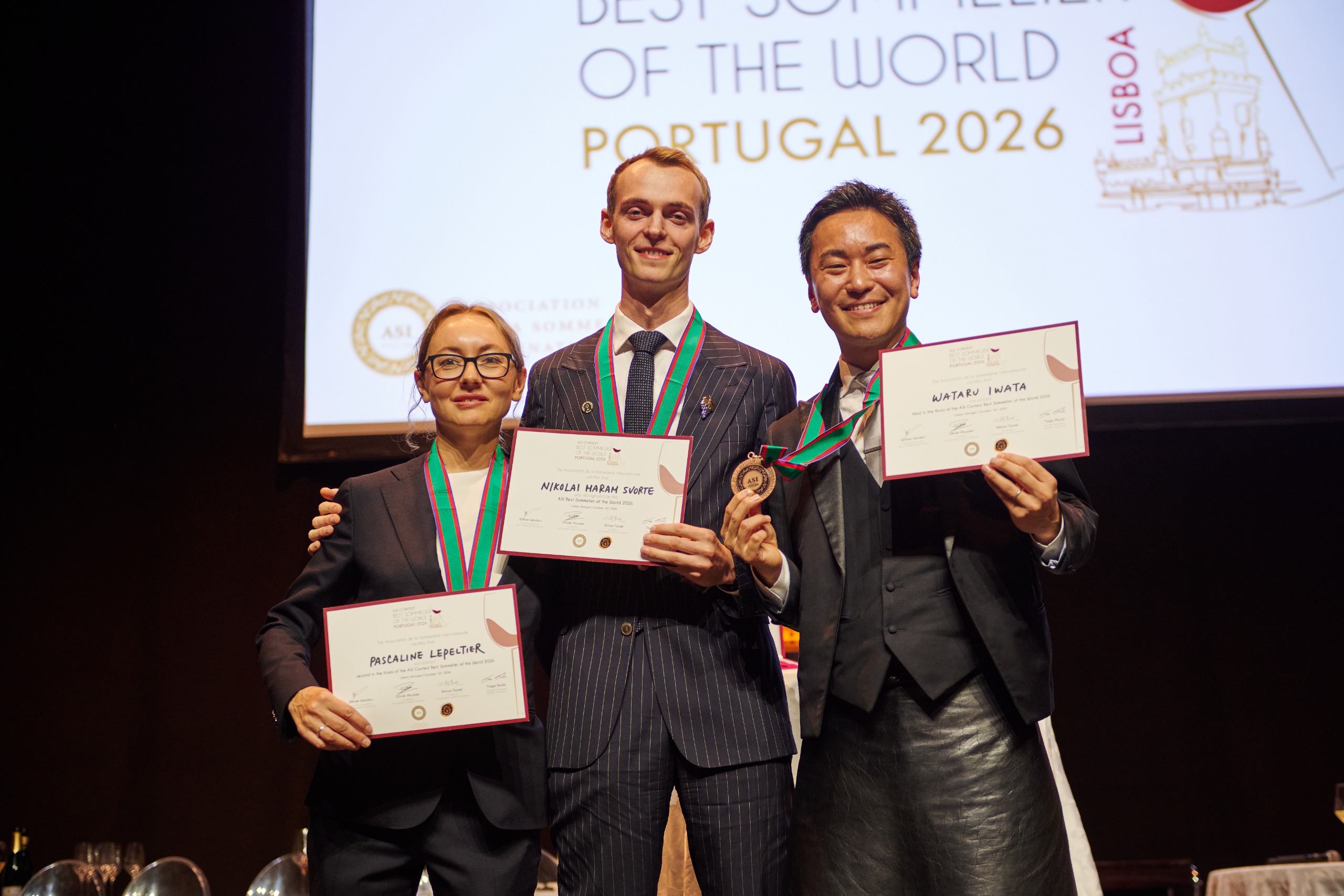 Norway’s Nikolai Haram Svorte crowned ASI Best Sommelier of the World 2026
The 29-year-old won on his debut at the contest, with France’s Pascaline Lepeltier claiming the second spot and Japan’s Wataru Iwata the third.
-
 Napa Valley wine quiz: Take our 12-question challenge
Can you get a perfect score?...


-
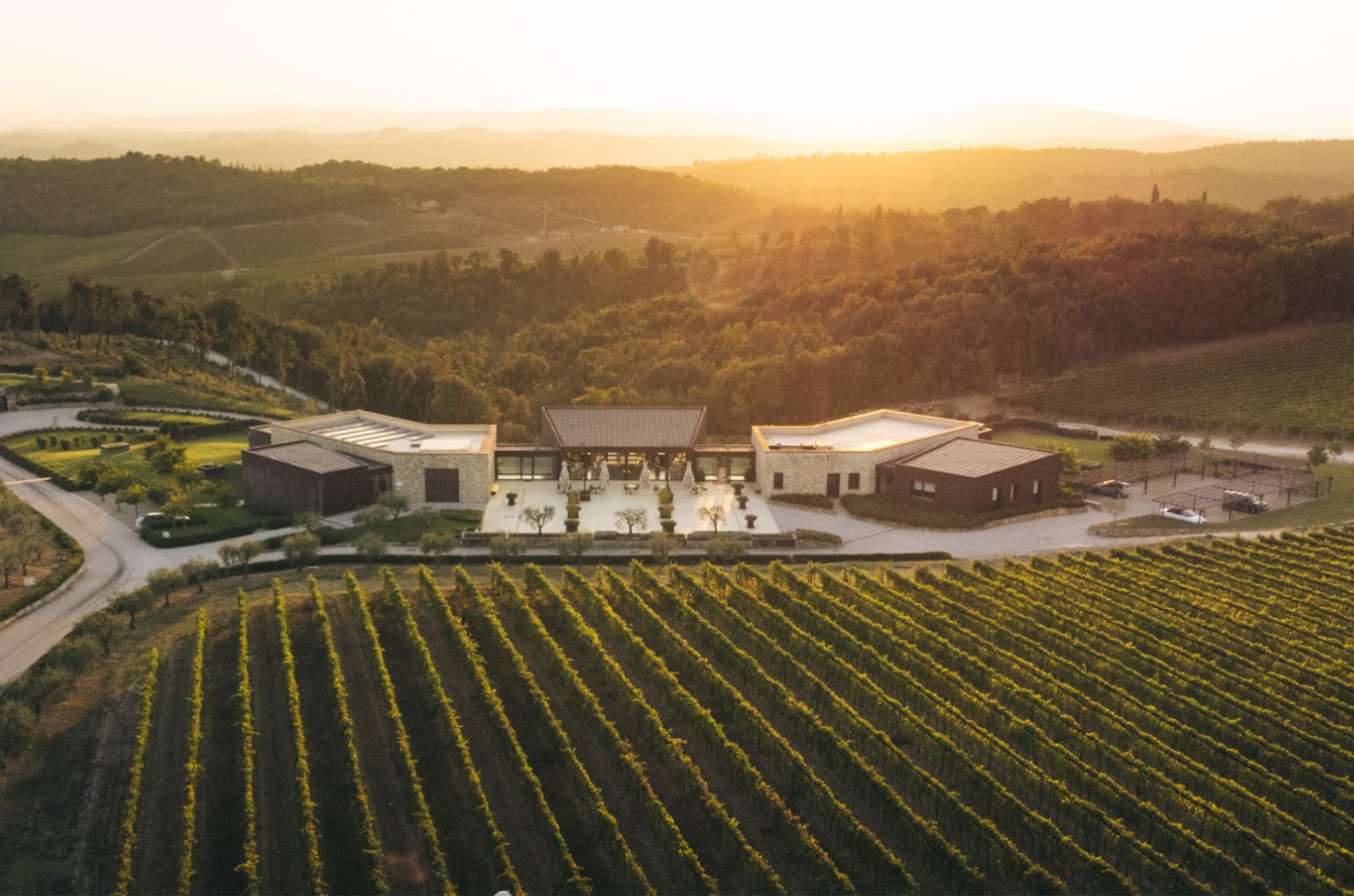 Vallepicciola: Tourism and winemaking in the Chianti hills
Sponsored Winemaking and luxury hospitality...
-
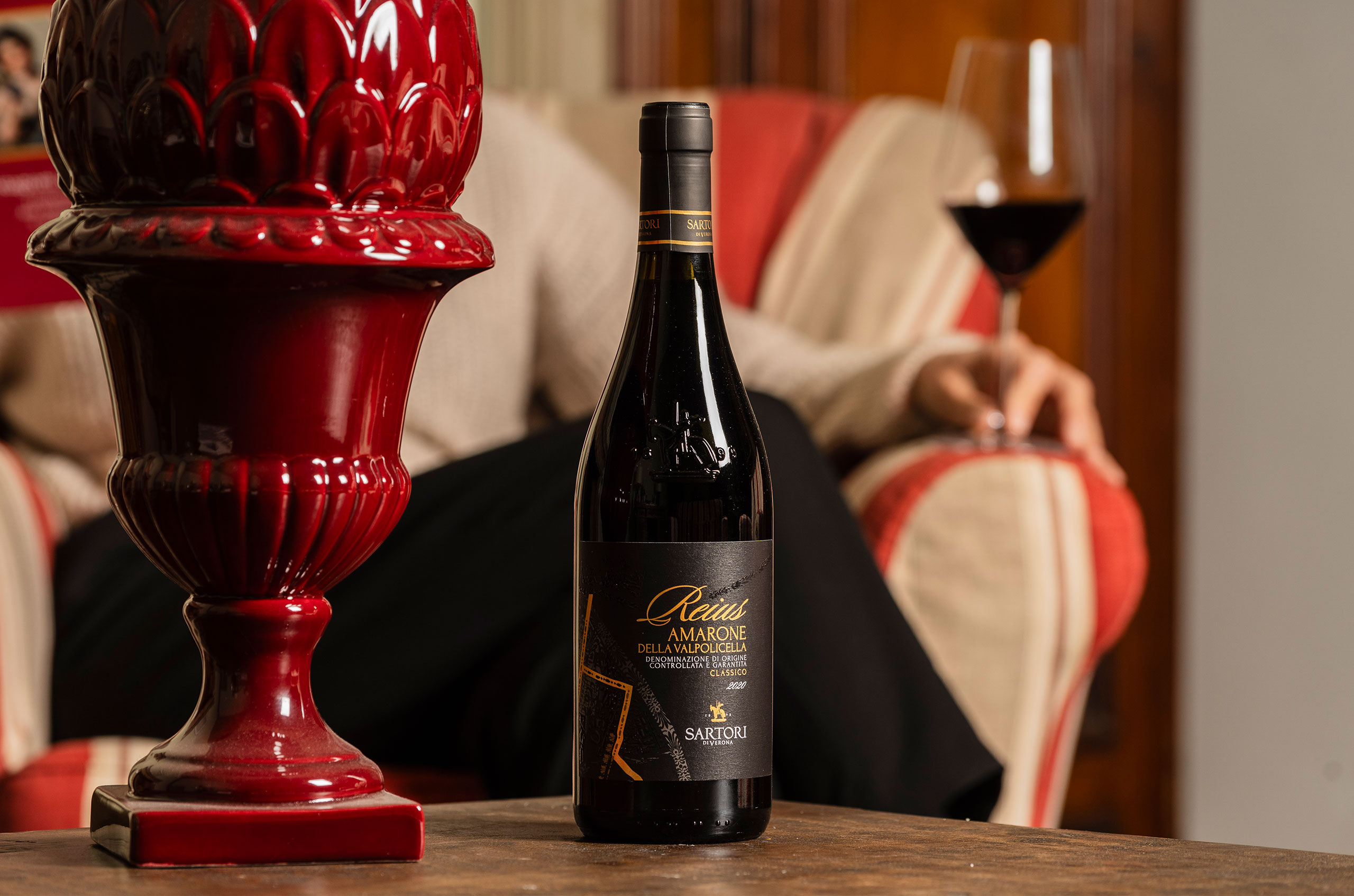 A standout voice in Valpolicella
Sponsored A key name for Valpolicella and Amarone...
-
 Discover the world of Castello di Verrazzano
Sponsored An ancient castle set amid sprawling vineyards...
-
 Barbera d'Asti DOCG: Tradition and modernity in Piedmont
Sponsored Many expressions of one variety...
-
 Sergio Mottura: Excellence in Tuscia
Sponsored A renowned figure in Lazio...
-
 Florio: Winning new fans while respecting Marsala’s history
Sponsored An important milestone in Marsala...
-
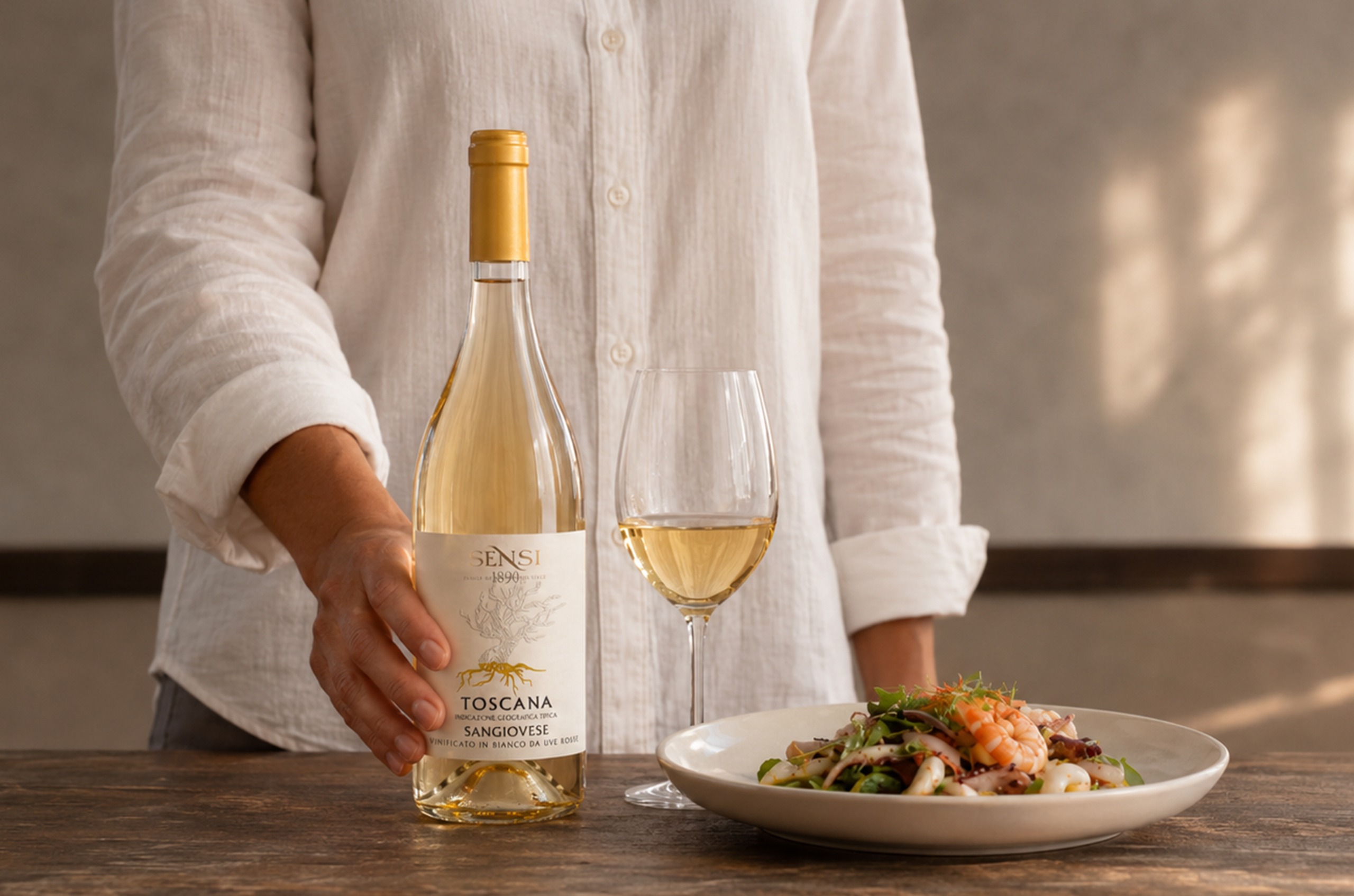 Sensi Vini: The gateway to your Italian wine exploration
Sponsored Chianti and beyond...
-
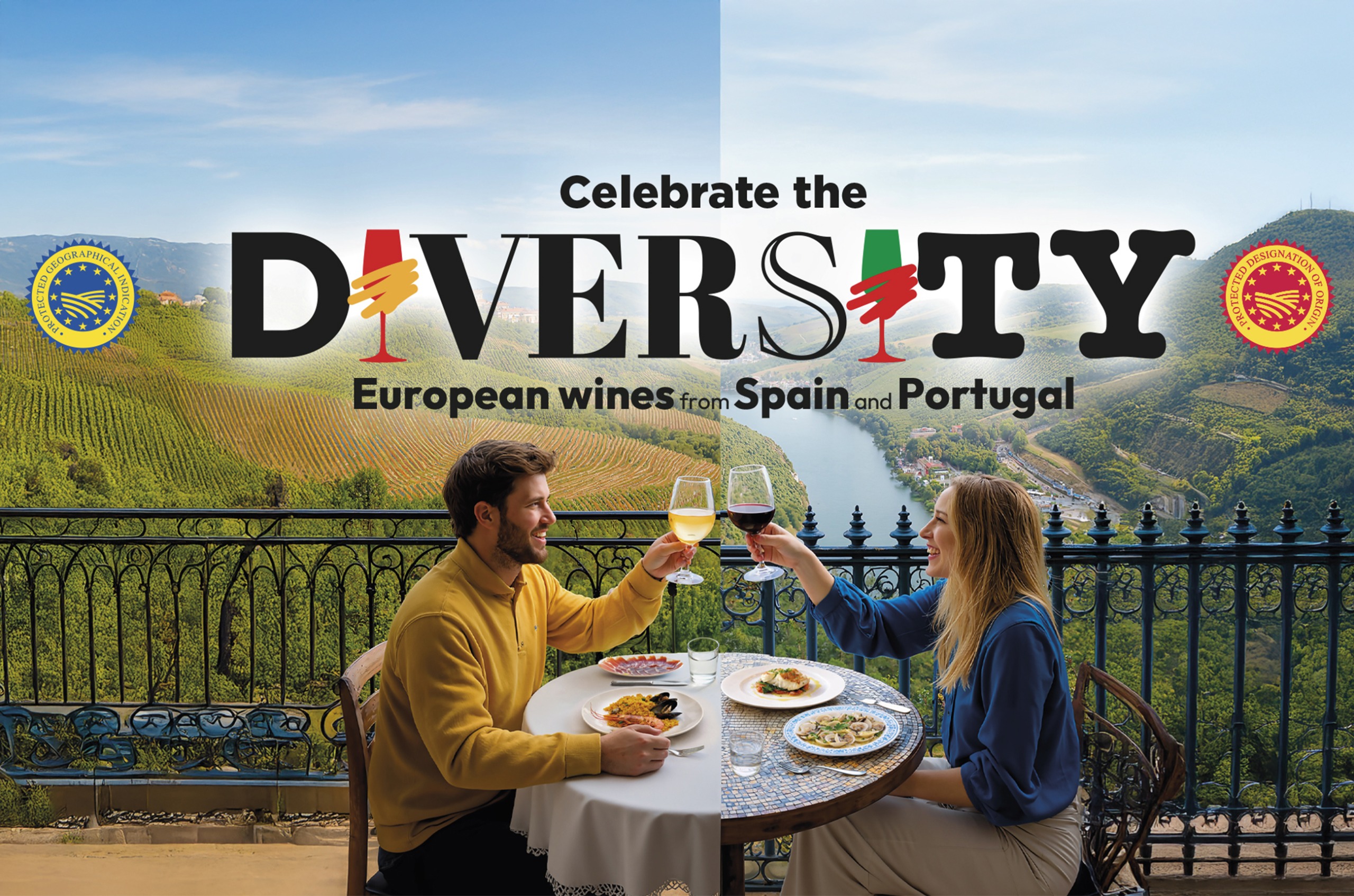 Celebrating European diversity
Sponsored Introducing the ‘Celebrate the Diversity’ project...


