

Champagne’s inimitable taste profile – ripe fruit and brioche cushioned by small pearly bubbles – rests on its diverse terroirs and the savoir faire of its winemakers. But which ingredient is kingmaker? The chalk-rich soils or the human art of blending different varieties (and terroirs) to produce a symphony of flavours without parallel?
The answer is neither. Palmer & Co’s continuing success proves that both elements play a vital role in the creation of outstanding Champagne. Established in 1947, the genesis of this venerable marque involved seven grower families who, united by their passion for the Premier and Grand Cru terroirs of the Montagne de Reims, decided to form an alliance.
Steady growth
Indeed, its Palmer & Co’s members have always owned prized vineyards in the heartland of exceptional Pinot Noir. In 1959, the maiosn’s founders purchased the cellars of a Champagne House in Reims. Little by little, they acquired other facilities as the opportunities arose, thus laying the foundation for the company’s illustrious development.
Today Palmer’s community of artisans works with more than 220 hectares of vineyards spread across 40 different climats. Two of the most prized sources of Pinot Noir are the charming villages of Mailly and Verzenay – world-class terroirs in the Montagne de Reims. They are situated in a forest-capped formation that runs between Epernay and Reims; vines grown here yield wines of remarkable depth, power, and structure.

Natural affinity
An eclectic mosaic of aspects and elevations are a key part of the quality equation, in addition to the region’s calcareous soils: chalk has a very special affinity for sparkling wine vineyards, not least because it is both porous and permeable. This protects vines in times of drought with adequate supplies of moisture, and yet will not become waterlogged during wet weather.
Moreover, chalk soils in the Montagne de Reims are rich in lime deposits. This matters because a high lime content encourages a low pH – Champagne’s structure and finesse are built around harvesting berries packed with ripe acidity. It provides the freshness (and longevity) that defines all great sparkling wine. Meanwhile, the supremely elegant Chardonnays grown in Trépail & Villers-Marmery (northeast of Epernay) contribute finesse and delicacy to a blend. All crucial elements in the production of great Champagne.
The human touch
Yet a great deal of magic occurs inside the bottle. In the darkness of the cellar. winemaker Xavier Berdin and his team are passionate advocates of an extended maturation on the lees, fashioning a very generous and weighty style of Champagne. One of Palmer & Co’s most important innovations is the adoption of the Spanish solera system. Traditionally used for sherry, the system sees young base wines aged in oak barrels for six to eight months, before they are blended (with older wines) in stainless steel tanks. This creates a precious supply of reserves that will enhance the range of non-vintage blends and single-varietal Champagnes produced by Palmer & Co.
Sublimation of terroir
Every glass of Palmer & Co reveals this depth, typically dominated by concentrated and aromatic Pinot Noir fruit. The house is renowned for the quality of Amazone de Palmer, a seamless blend of Chardonnay and Pinot Noir in a firm gastronomic style. Meanwhile, the vintage Blanc de Blancs is a heady concoction of coffee, vanilla, and mirabelle.
For many connoisseurs however, Cuvée Palmer & Co Grands Terroirs 2015 represents the pinnacle of fine traditional method sparkling. Only made in the best vintages, Grands Terroirs delivers rich fruit, endless depth and stunning acidity. It merges creaminess with vibrancy – complexity alongside precision. Glass after glass slips down too easily, and one is reminded of an old adage: wines from elsewhere, however good, cannot be Champagne.

Discover more about Palmer & Co
Connect onFacebook | Instagram | X

-
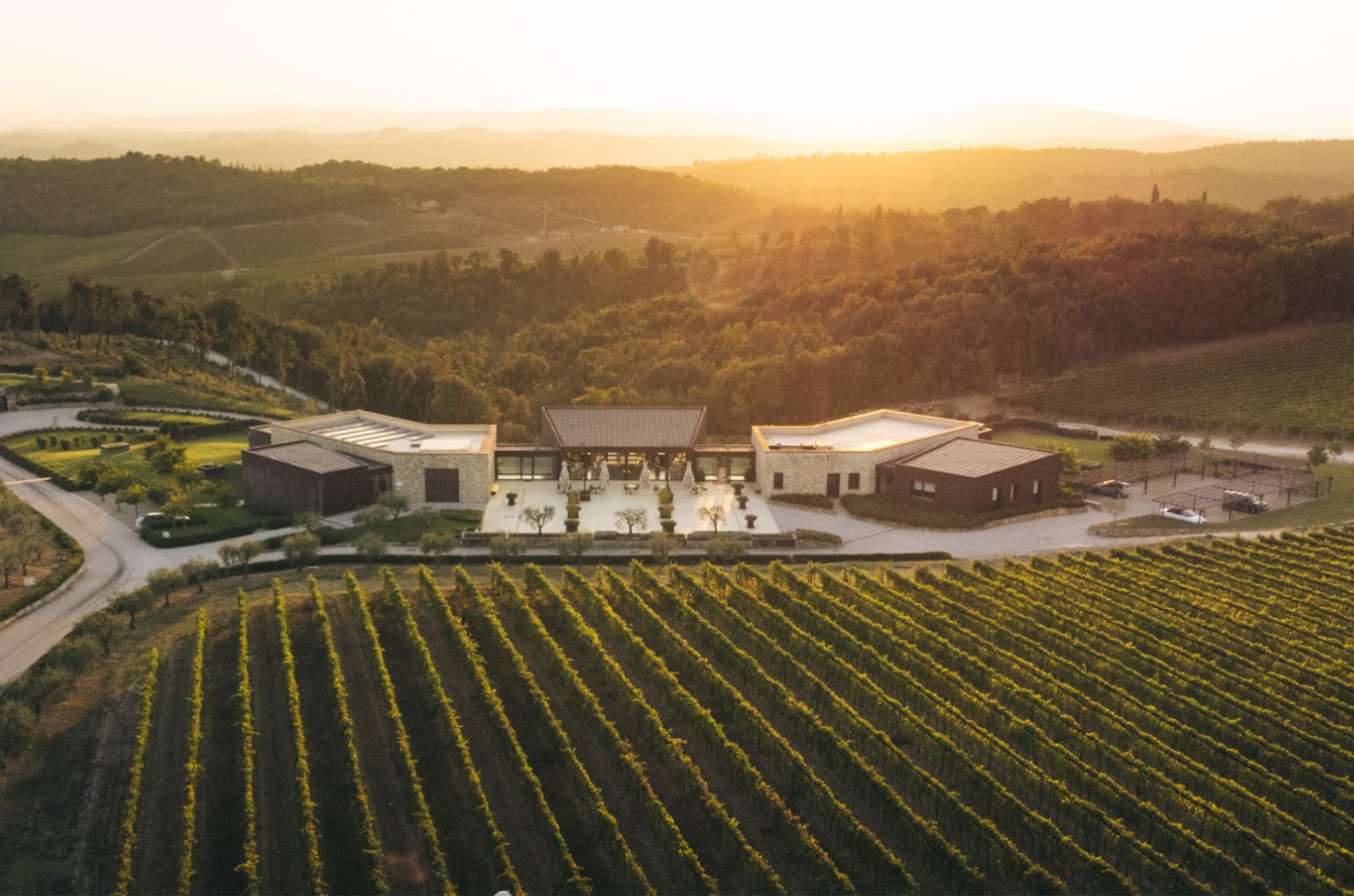 Vallepicciola: Tourism and winemaking in the Chianti hills
Sponsored Winemaking and luxury hospitality...
-
 Wine educators win 2026 Barca-Velha Golden Vines MW Scholarships
The Gérard Basset Foundation, Douro producer Casa Ferreirinha and Liquid Icons have named Christy Fuhrman and Loreto Pancorbo as the recipients of the 2026 Barca-Velha Golden Vines MW Scholarships.


-
Vallepicciola: Tourism and winemaking in the Chianti hills
Sponsored Winemaking and luxury hospitality...
-
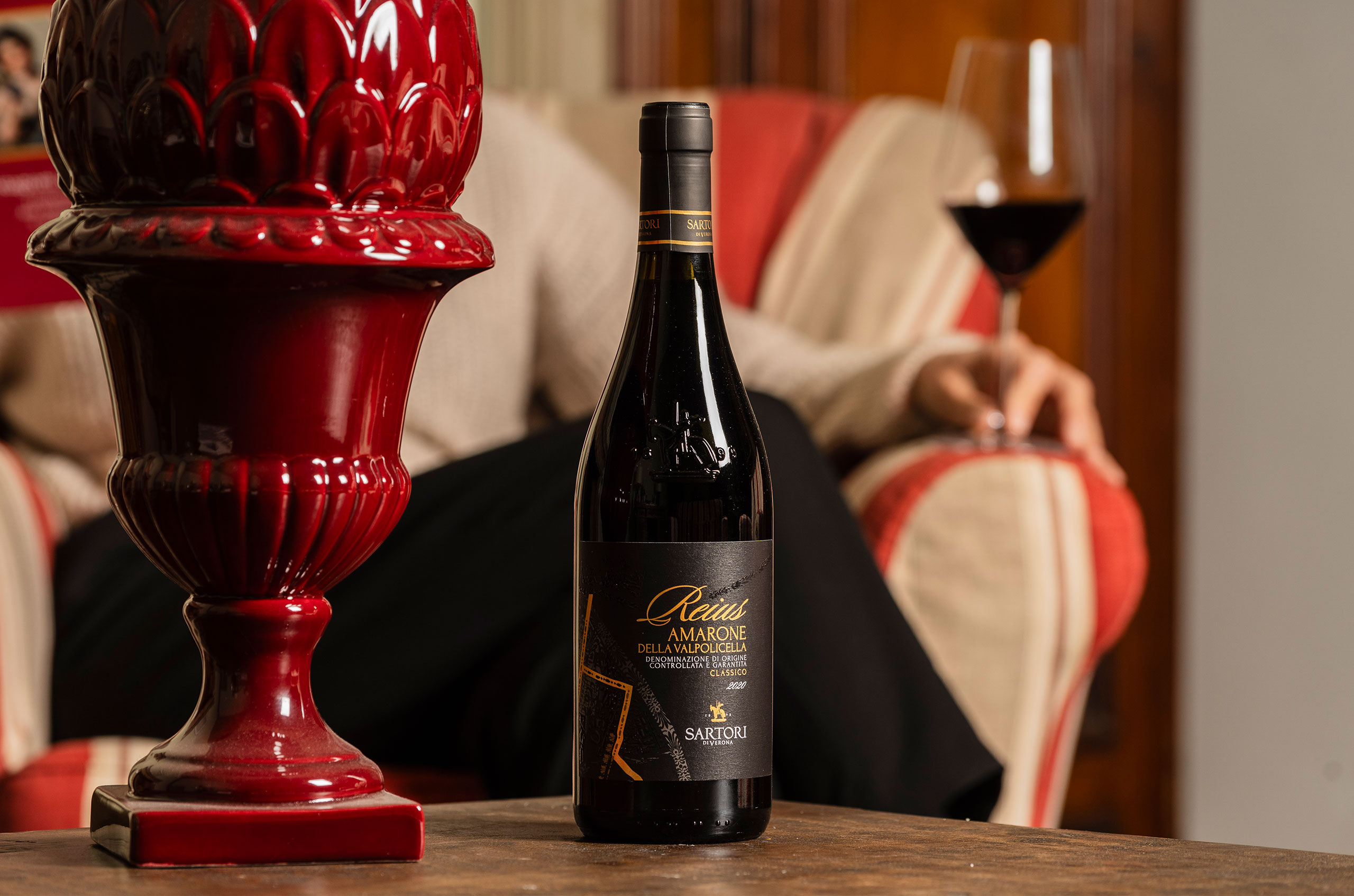 A standout voice in Valpolicella
Sponsored A key name for Valpolicella and Amarone...
-
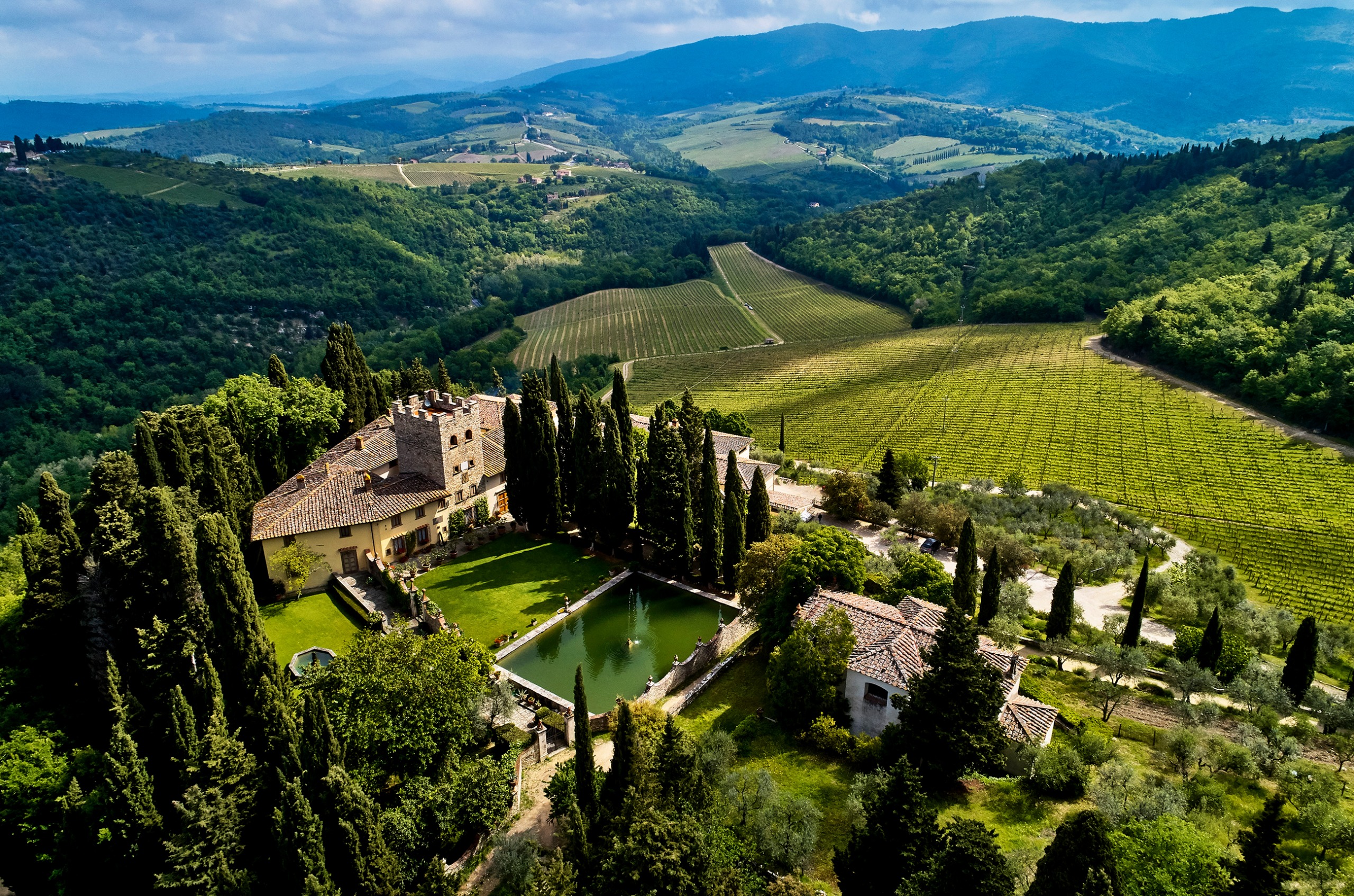 Discover the world of Castello di Verrazzano
Sponsored An ancient castle set amid sprawling vineyards...
-
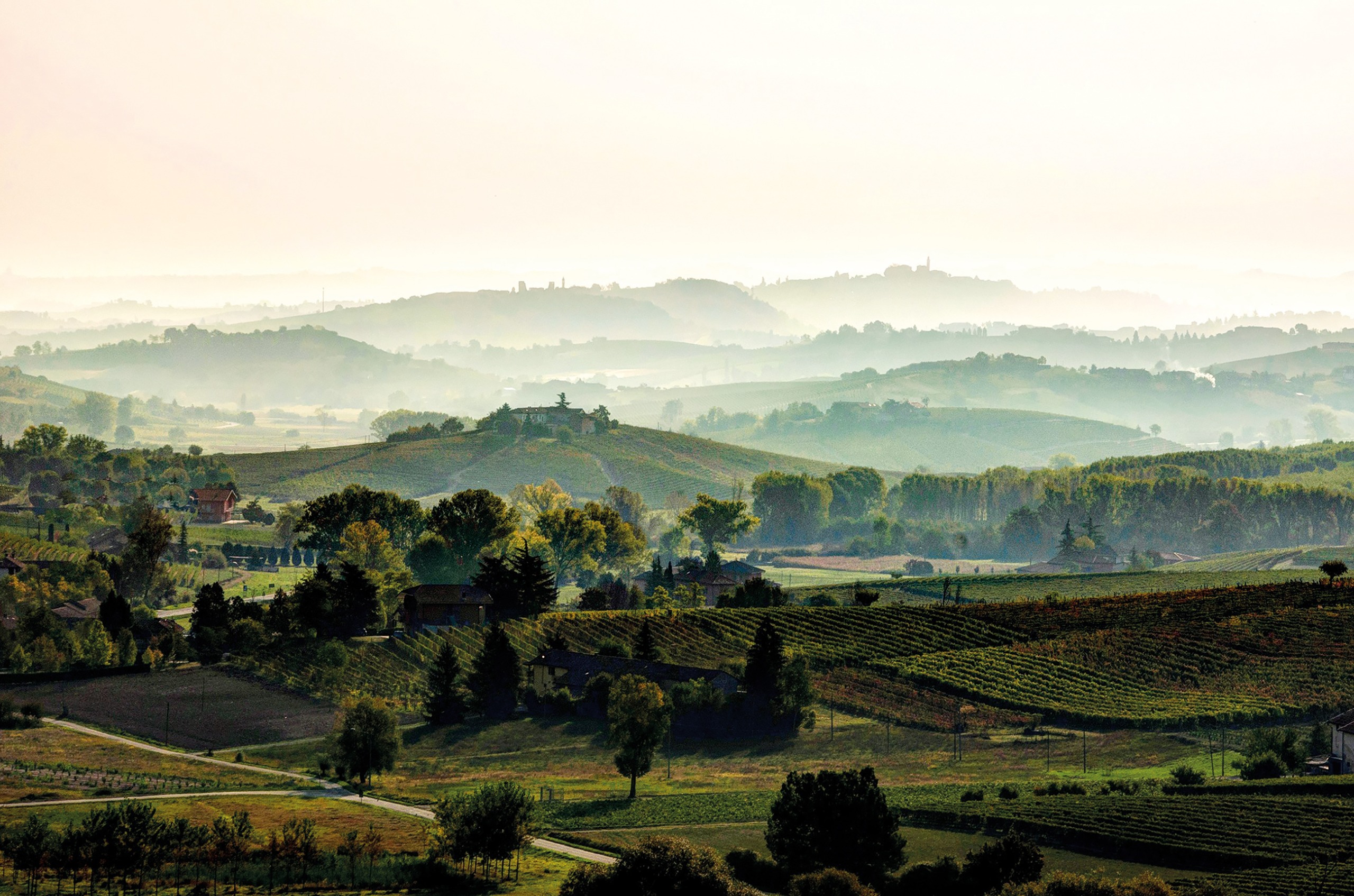 Barbera d'Asti DOCG: Tradition and modernity in Piedmont
Sponsored Many expressions of one variety...
-
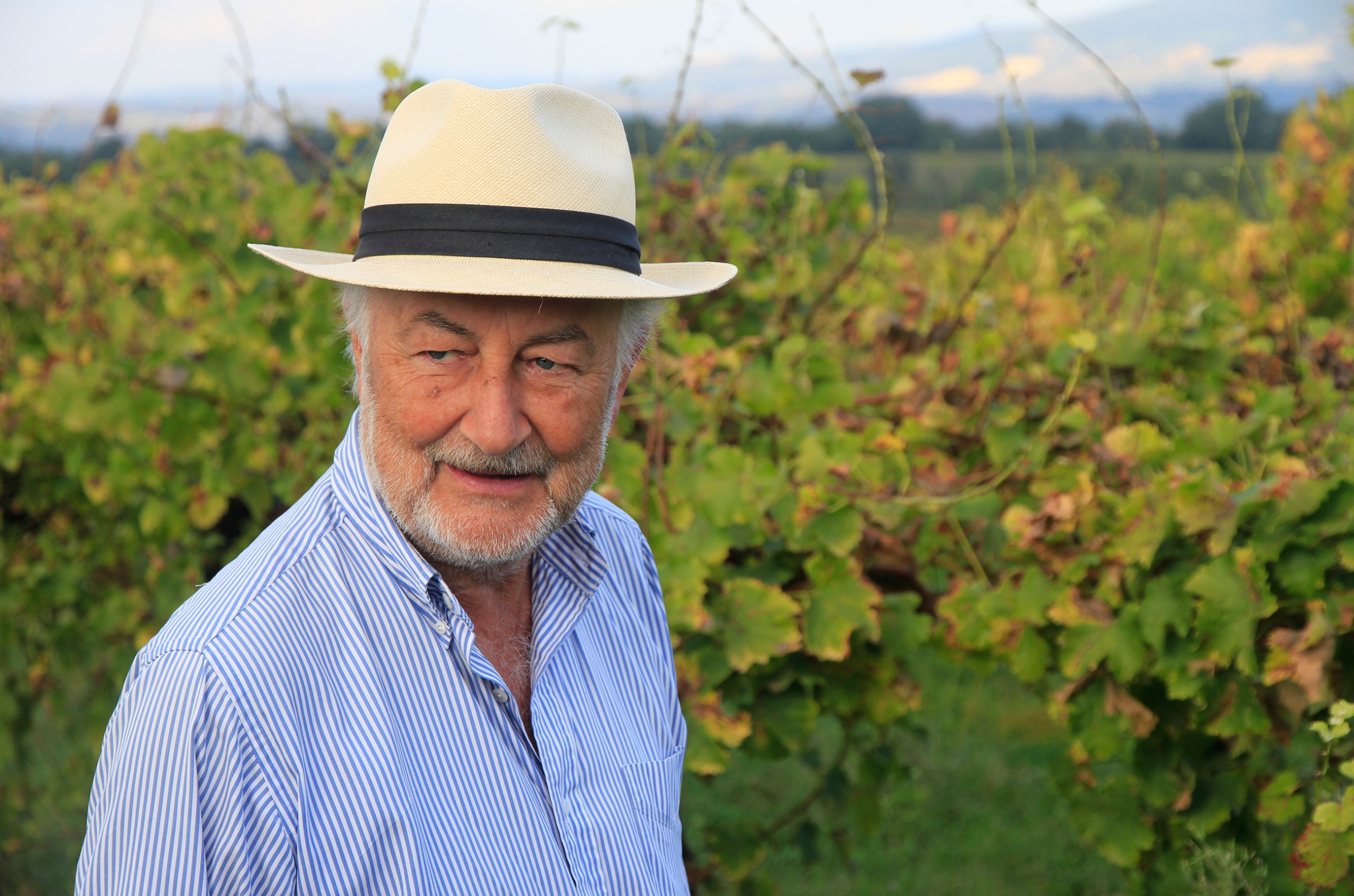 Sergio Mottura: Excellence in Tuscia
Sponsored A renowned figure in Lazio...
-
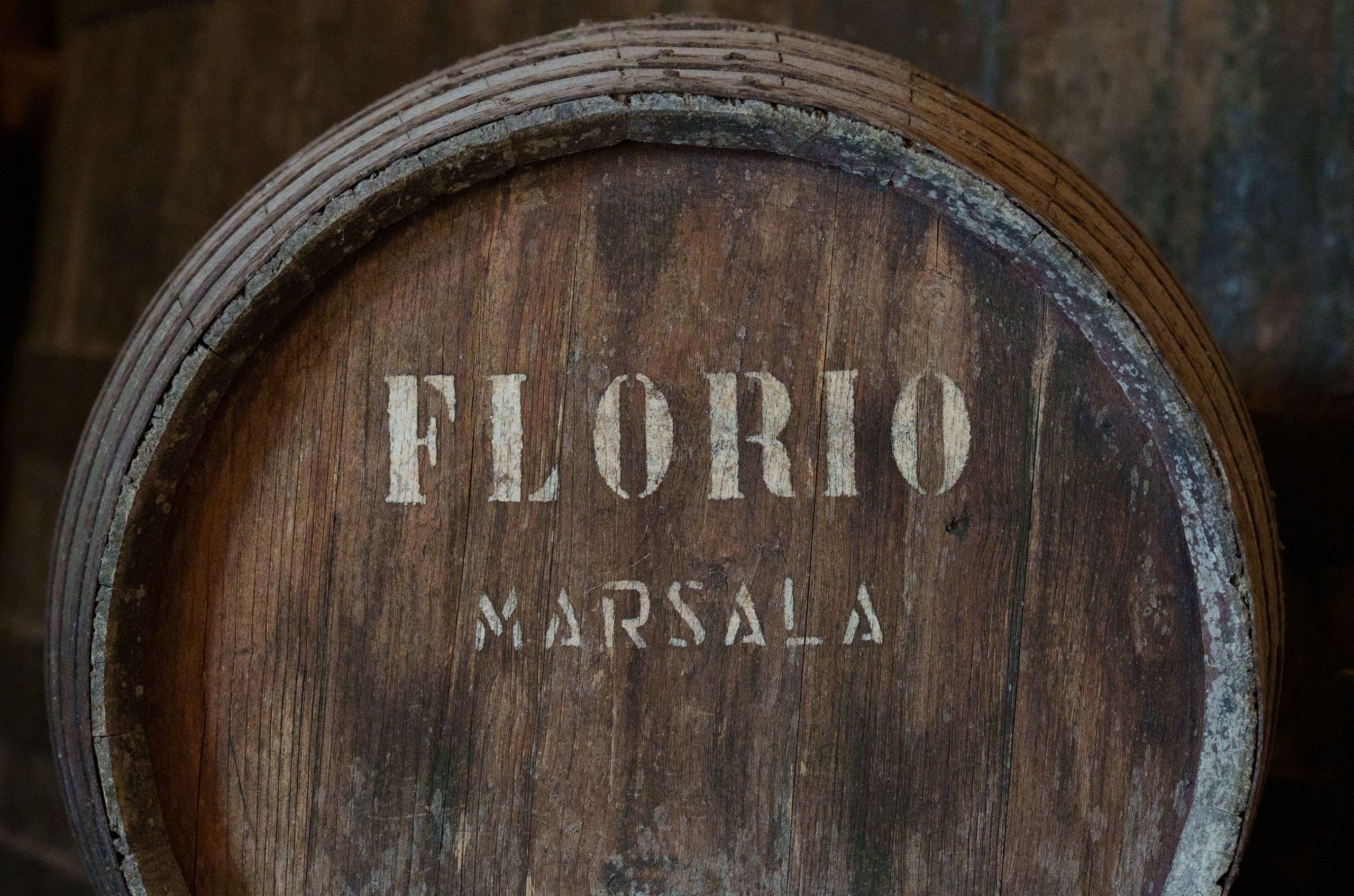 Florio: Winning new fans while respecting Marsala’s history
Sponsored An important milestone in Marsala...
-
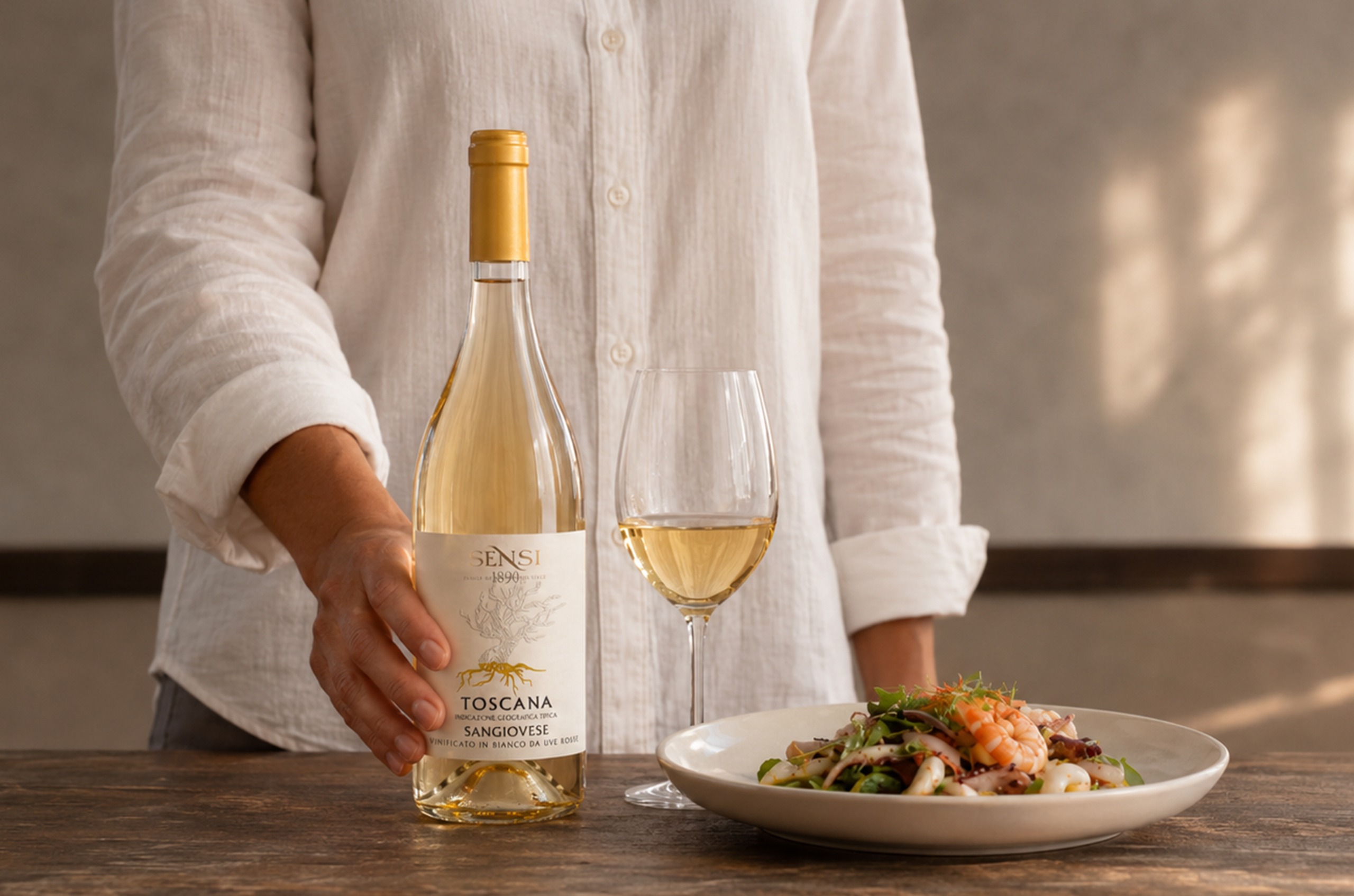 Sensi Vini: The gateway to your Italian wine exploration
Sponsored Chianti and beyond...
-
 Celebrating European diversity
Sponsored Introducing the ‘Celebrate the Diversity’ project...


