

In August 2011, the Barton Sartorius family acquired this historical wine producing estate and its château that was re-baptised Château Mauvesin Barton.
With the Barton family’s centuries of experience and unique expertise behind them, each of the family members plays a specific role, continuing tradition and sharing their passion. Lilian Barton Sartorius takes on the management of the Château, Mélanie Barton Sartorius is technical manager and Damien Barton Sartorius brings his skill set to the commercialisation of the wine.
This 220-hectare estate, of which 55ha are under vine, has undergone extensive renovation. The unique essence of the château has, however, remained totally unscathed.
To understand the terroir of Château Mauvesin Barton, a little curiosity is necessary. You need to consider not only the soil but also the climate, the topology and the geology. The vine plots of Château Mauvesin Barton are located in the Moulis-en-Médoc appellation. These parcels offer extraordinary diversity, each allowing the grapes to reveal their most subtle aromas – clay-limestone soil for the Merlot and then fine gravel for the Cabernet Sauvignon.
The geographic situation of Château Mauvesin Barton means it enjoys a continental climate, bringing optimal quality for grape growing. Château Mauvesin Barton’s 55ha vineyard comprises 54% Merlot, 35% Cabernet Sauvignon and 11% Cabernet Franc. The average age of the vines is 35 years.

Taking care of the vines involves numerous tasks, mostly manual, throughout the year, come rain or shine. Winter pruning is a delicate job, requiring precision, experience, know-how and agility. Then after attaching the vines, the impetuous spring arrives requiring wires to first be lowered then lifted to guide the young shoots and then used to support and shape the vines as they grow.
During harvest time at Château Mauvesin Barton, the selected grapes are brought into the vinification cellar for the fermentation and maceration phase. With a surface area of 630m², it comprises 24 temperature-controlled stainless steel vats of different volumes. This means each plot can be vinified separately, allowing greater freedom and precision when choices are made for blending. The vat room has also been equipped with an upper floor to enable reception and manipulation of the harvest by gravity, again to improve quality.
When the maceration is finished, the wine will be transferred to French oak barrels for the ageing process – one third in new barrels made by three different cooperages, one third in one-year-old barrels, and one third in used barrels coming from Château Léoville Barton, Second Classified Growth, also owned by the Barton family.
The younger vines are picked by hand. After careful selection, the grapes are placed in temperature-controlled stainless steel vats for the fermentation and maceration phase. The ageing process lasts 12 to 15 months, in French oak barrels of which one third are new. The casks rest on a gravel bed to regulate humidity.


-
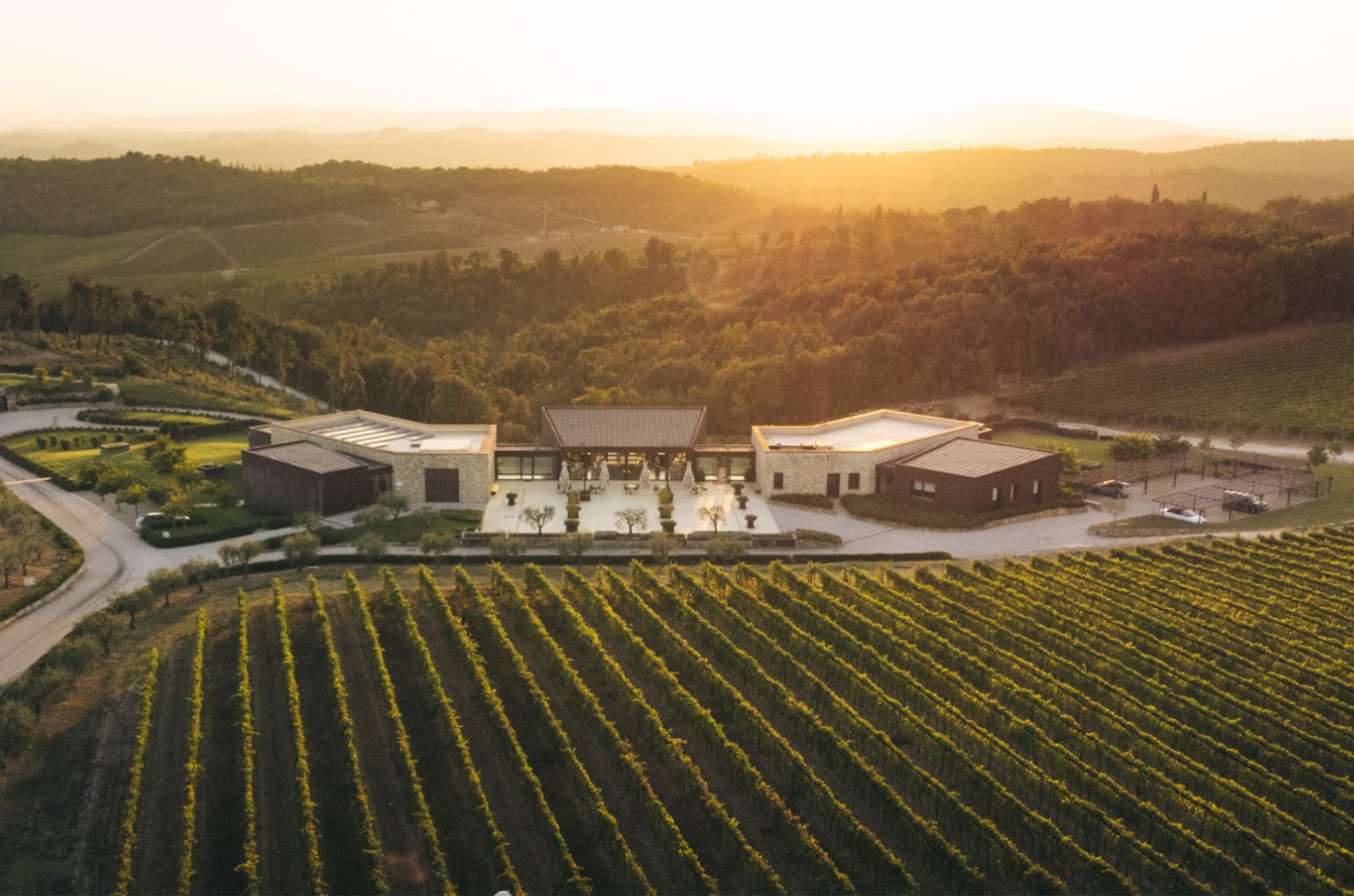 Vallepicciola: Tourism and winemaking in the Chianti hills
Sponsored Winemaking and luxury hospitality...
-
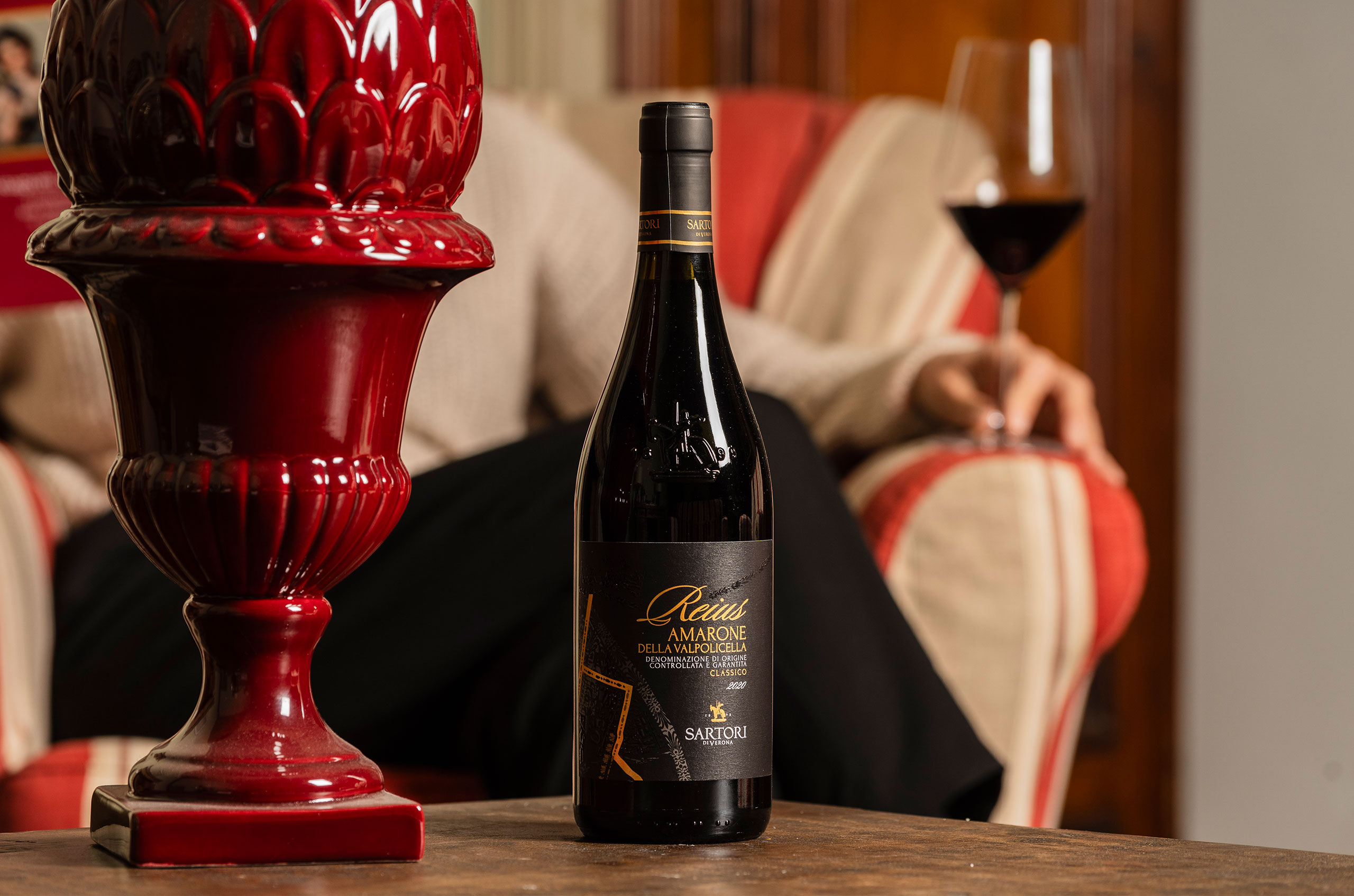 A standout voice in Valpolicella
Sponsored A key name for Valpolicella and Amarone...
-
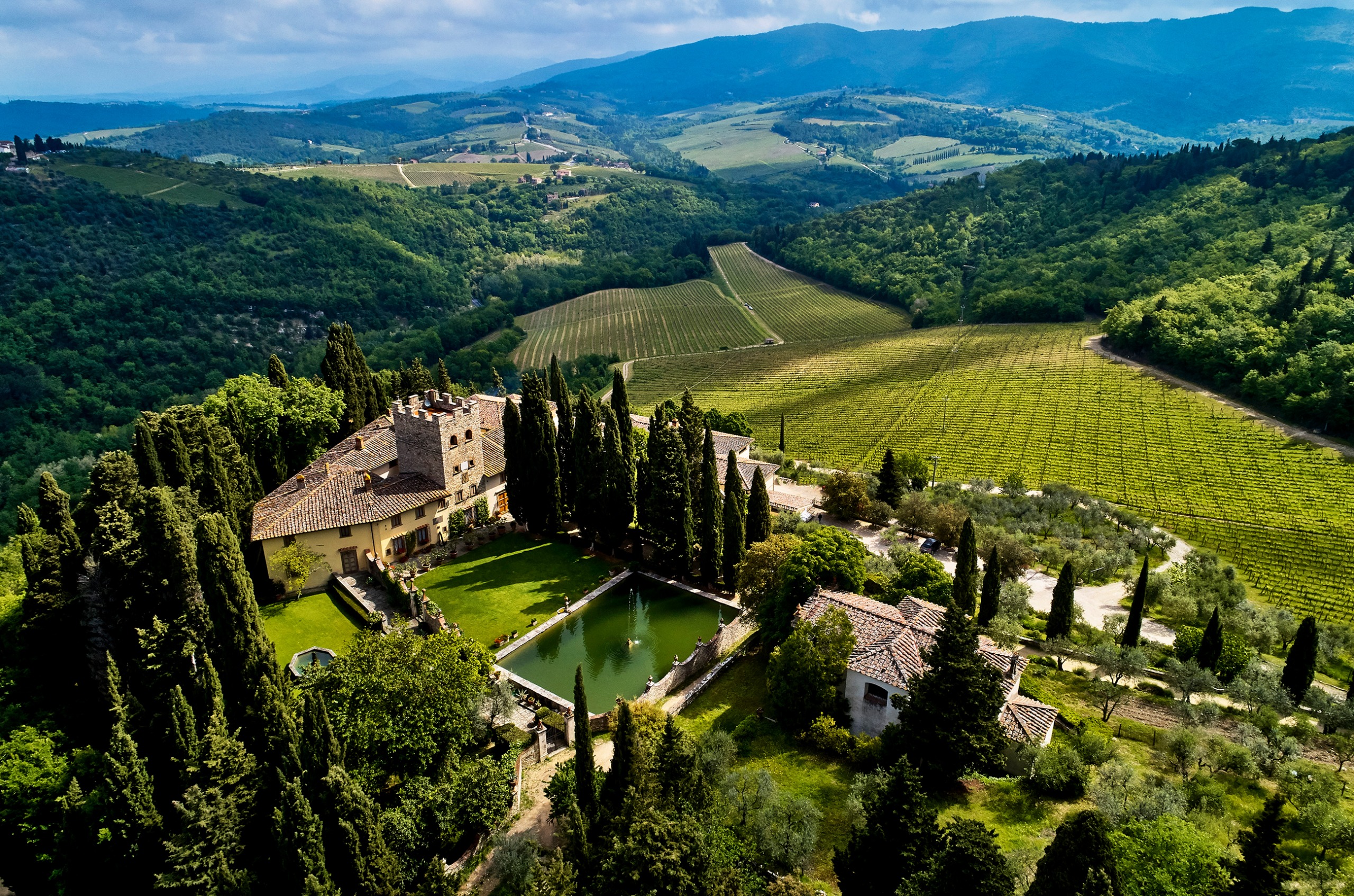 Discover the world of Castello di Verrazzano
Sponsored An ancient castle set amid sprawling vineyards...
-
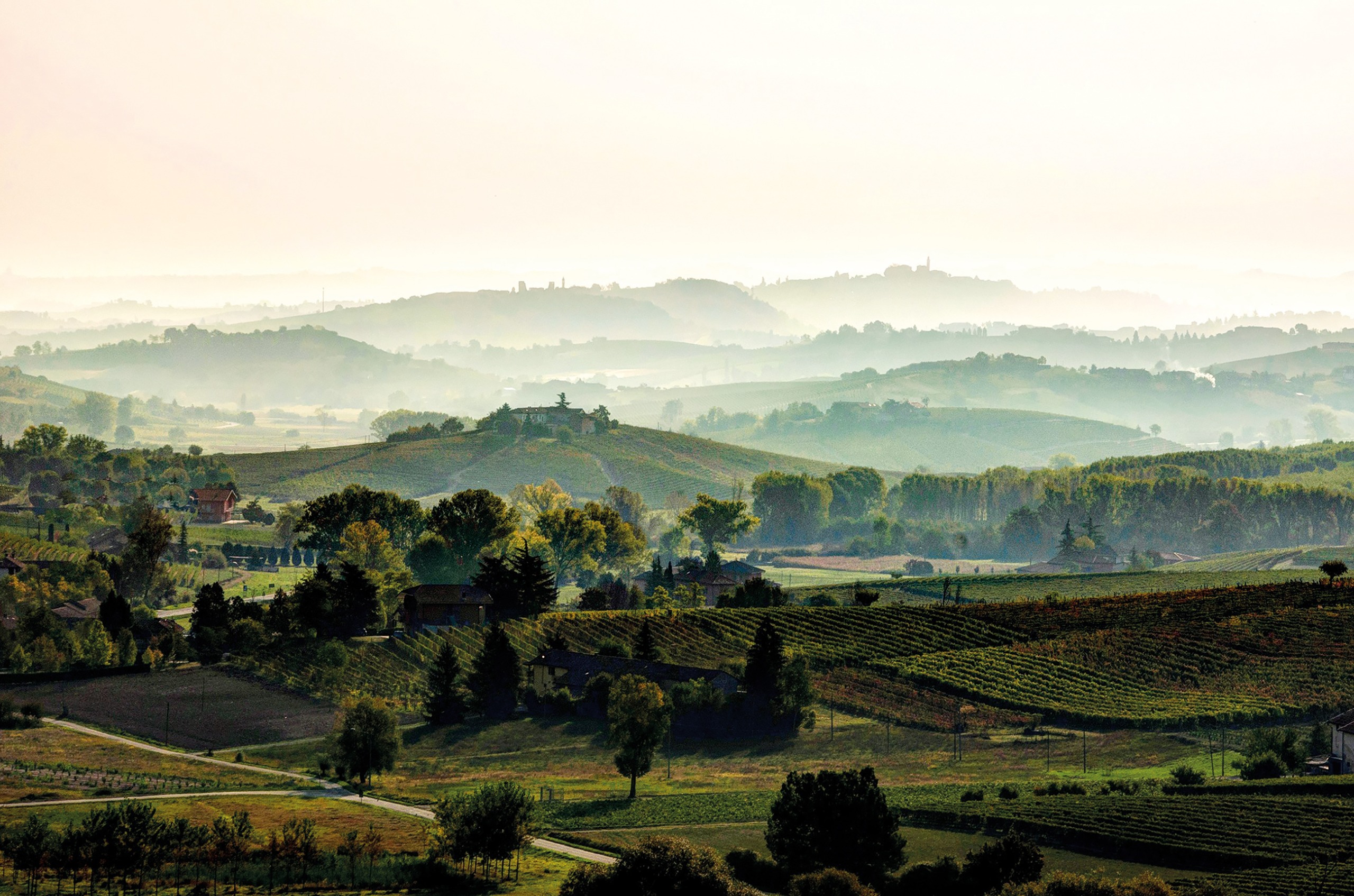 Barbera d'Asti DOCG: Tradition and modernity in Piedmont
Sponsored Many expressions of one variety...
-
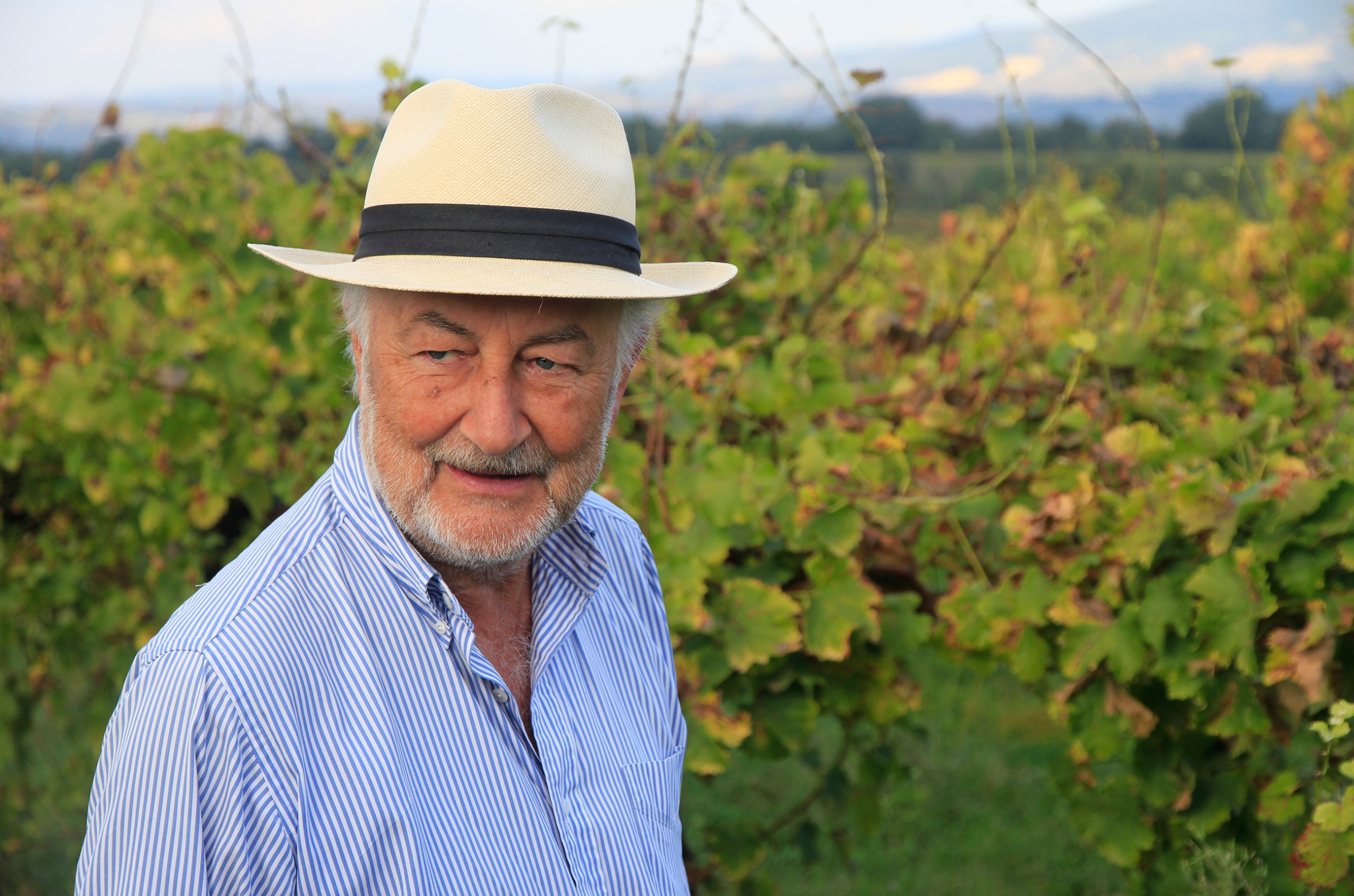 Sergio Mottura: Excellence in Tuscia
Sponsored A renowned figure in Lazio...
-
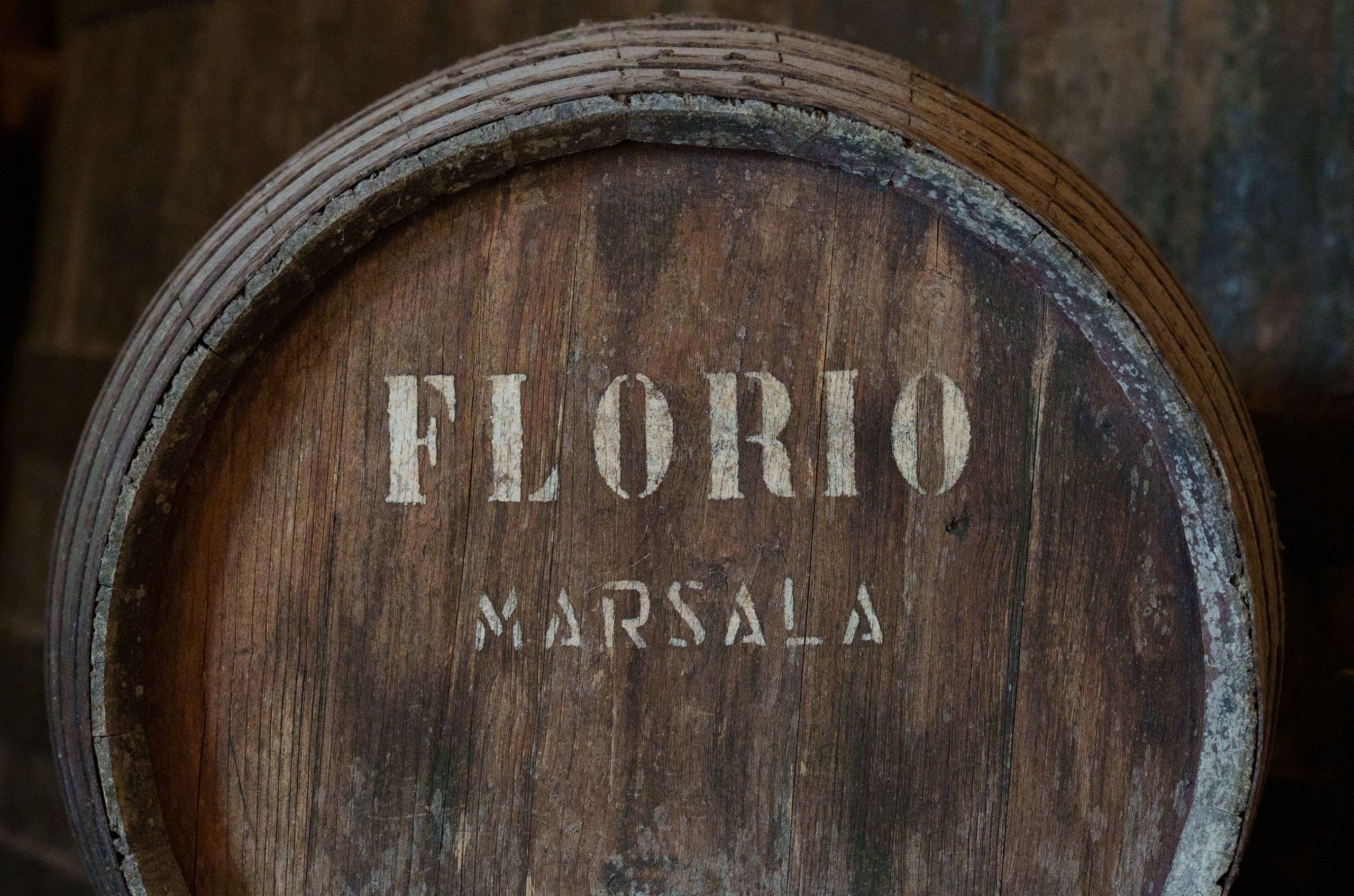 Florio: Winning new fans while respecting Marsala’s history
Sponsored An important milestone in Marsala...
-
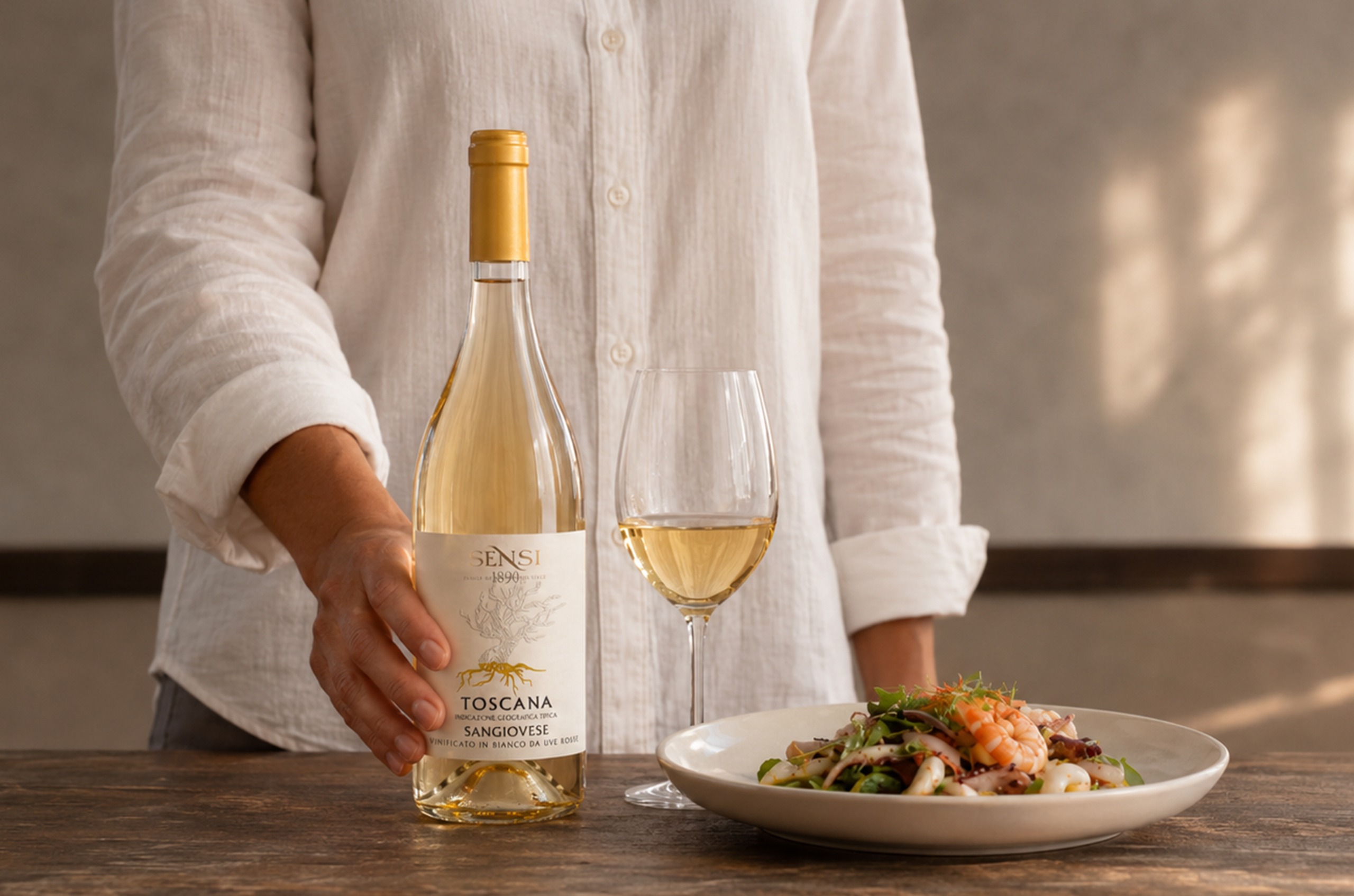 Sensi Vini: The gateway to your Italian wine exploration
Sponsored Chianti and beyond...
-
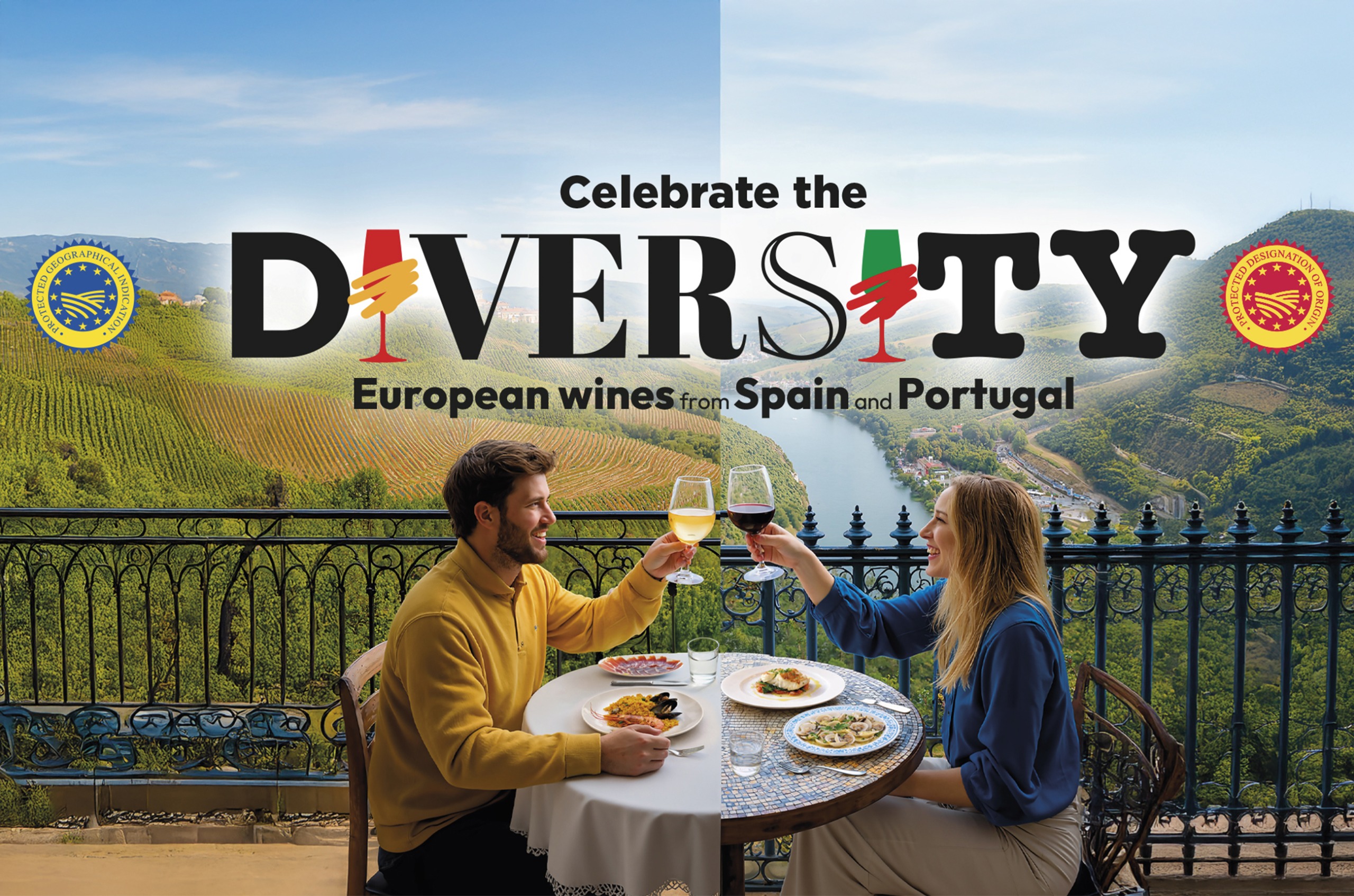 Celebrating European diversity
Sponsored Introducing the ‘Celebrate the Diversity’ project...


