

With more grapevines per person than any other country and wine providing a living for over 150,000 people, the Republic of Moldova may well be the nation that’s most dependent on wine in the world.
Its landscape of rolling hills (79% of vineyards are on slopes) with fertile black soil which crucially lies over limestone bedrock, defines the ideal terroir for grape growing. The country lies on the eastern edge of Europe, sandwiched between Romania to the west and Ukraine to the east. It is divided into three protected geographical origins for wine: Valul lui Trajan in the south-west is the warmest and sunniest; Stefan Voda in the south-east lies close to the Black Sea which moderates the climate, bringing elegance to the wines; and the coolest is the central, forested region of Codru.
The Stefan Voda region is home to Moldova’s (and the world’s) most awarded winery in 2021: Château Purcari. The company won 333 international gold and silver medals last year, among which several top awards at Decanter World Wine Awards including best-in-show, platinum and gold medals in 2020 and 2021. Château Purcari was founded in 1827, by special decree, as the first specialist winery in Bessarabia, in the then Russian Empire. It won its first global gold medal at the Paris exhibition in 1878 for Negru de Purcari.
Since the 2000s, when the winery was privatised, it has become a beacon for quality, having invested in 300 ha of vineyards to ensure the quality of its fruit and reviving local grape varieties like the indigenous white Viorica and local red Rară Neagră. On the other hand, Purcari has also shown what Moldova can do with international grapes.

If anyone has ever heard of a Moldovan wine, Negru de Purcari is probably the name they will remember. Arguably the country’s flagship red blend, this legendary wine (famously the only wine in the communist era exported with English labels for the Queen) has been given a new lease of life by Château Purcari since 2003. It is a blend of Cabernet Sauvignon, Saperavi and Rară Neagră, aged in oak in the historic cellars underneath the château.
Another particularly poignant red blend is Château Purcari’s Freedom Blend, first produced in 2011 to commemorate 20 years of freedom from the USSR for three former Soviet republics. A blend of Bastardo from Ukraine, Saperavi from Georgia and Rară Neagră, representing Moldova, it expresses, “the heart of Georgia, terroir of Moldova and free spirit of Ukraine.”

With the Ukrainian border just a few short kilometres from the winery, Château Purcari has been at the forefront of supporting refugees. All profits from sale of the Freedom Blend will support these refugees.
A selection of Château Purcari wines is available in the UK from Transylvania Wines, North & South Wines, Best of Hungary and other independent retailers.
You can taste the full range of Château de Purcari at Prowein,
May 15th to 17th – Hall 11 stand F39
Discover more about Château Purcari
Connect on: Facebook | Instagram | Twitter


-
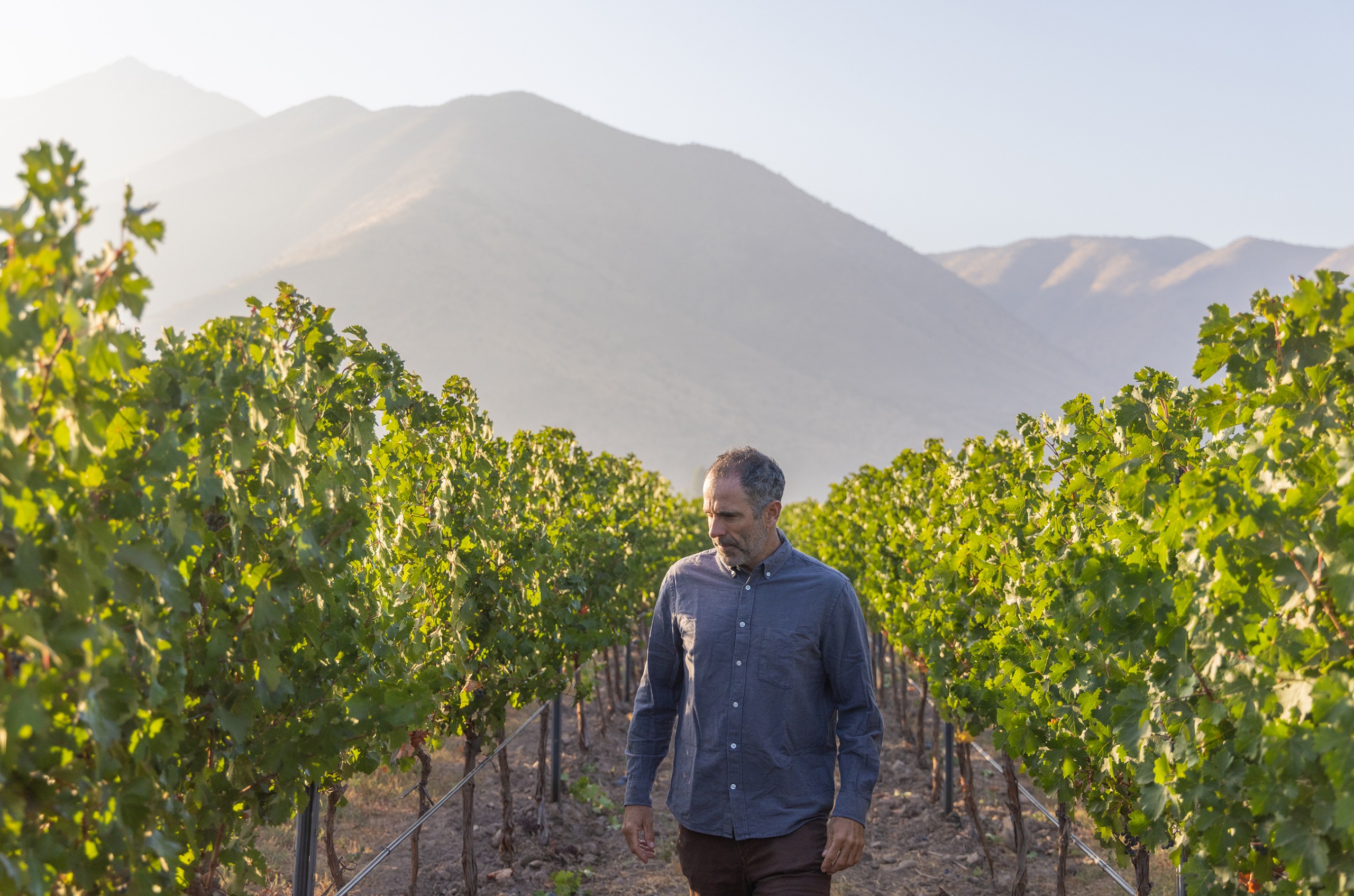 Casa Real 2023: A South American icon
Sponsored A renowned Cabernet Sauvignon...
-
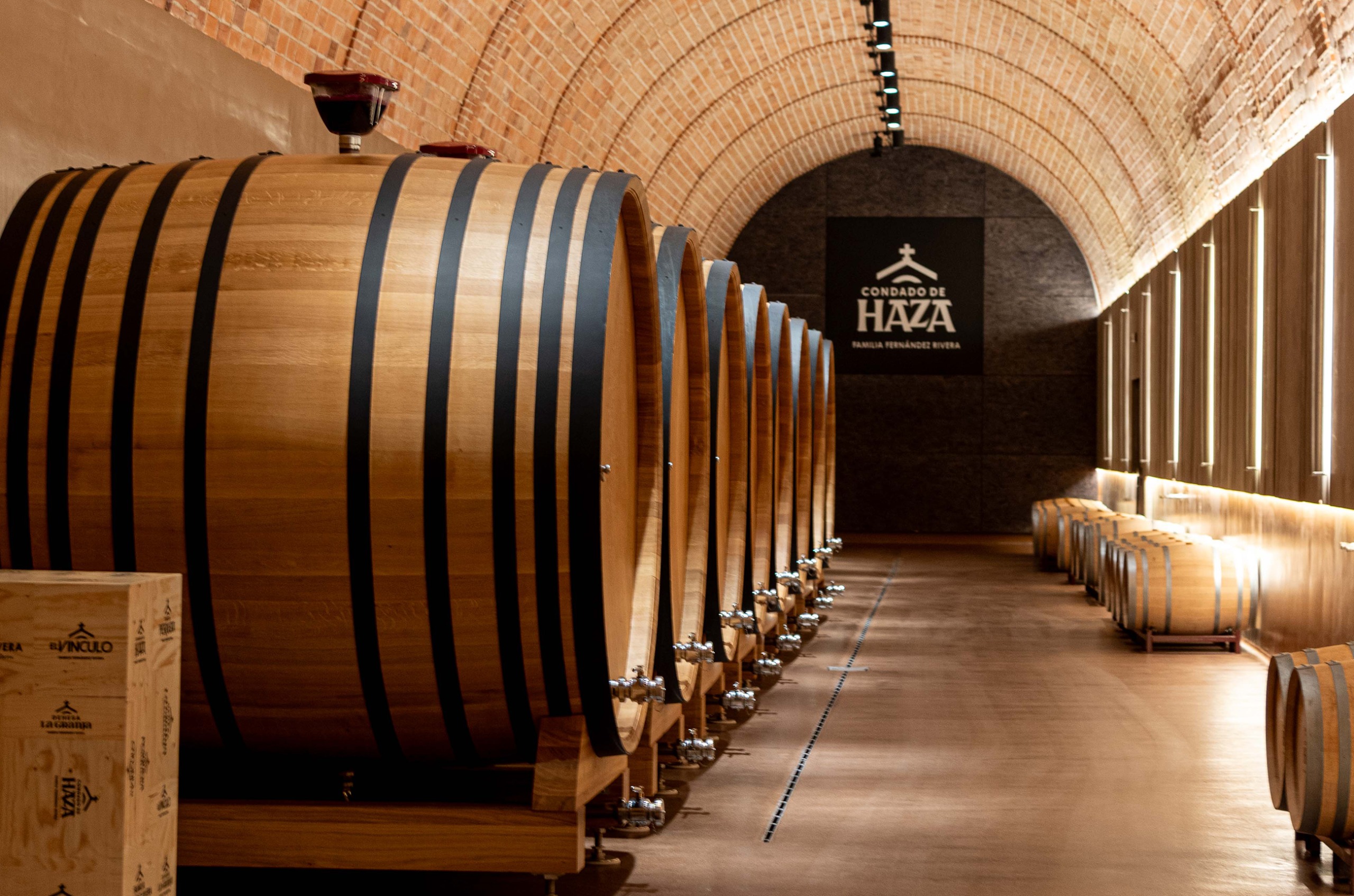 Critical acclaim for Condado de Haza
Sponsored A coveted medal...
-
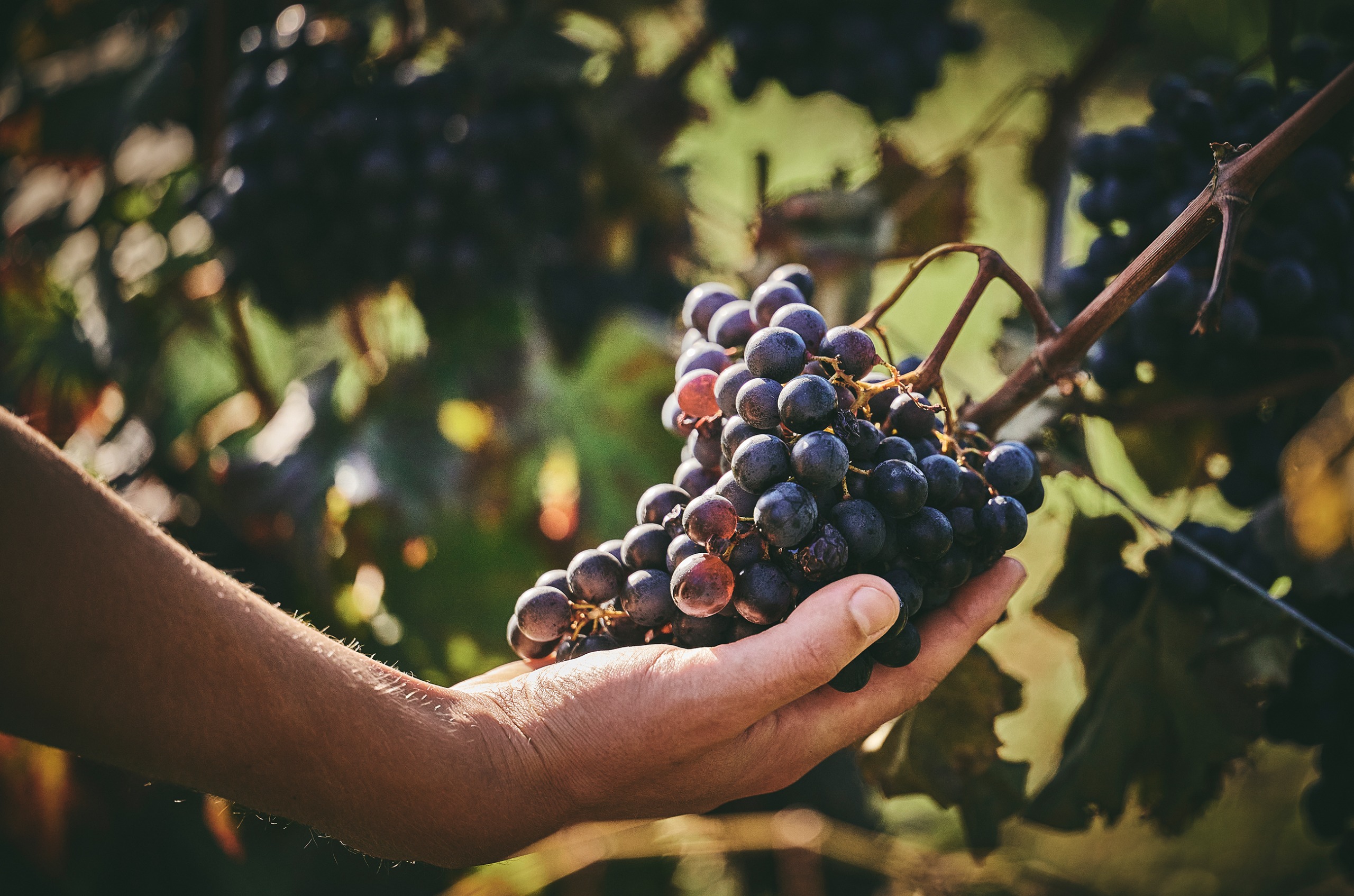 The life and soul of Istrian winemaking
Sponsored The region's flagship grapes...
-
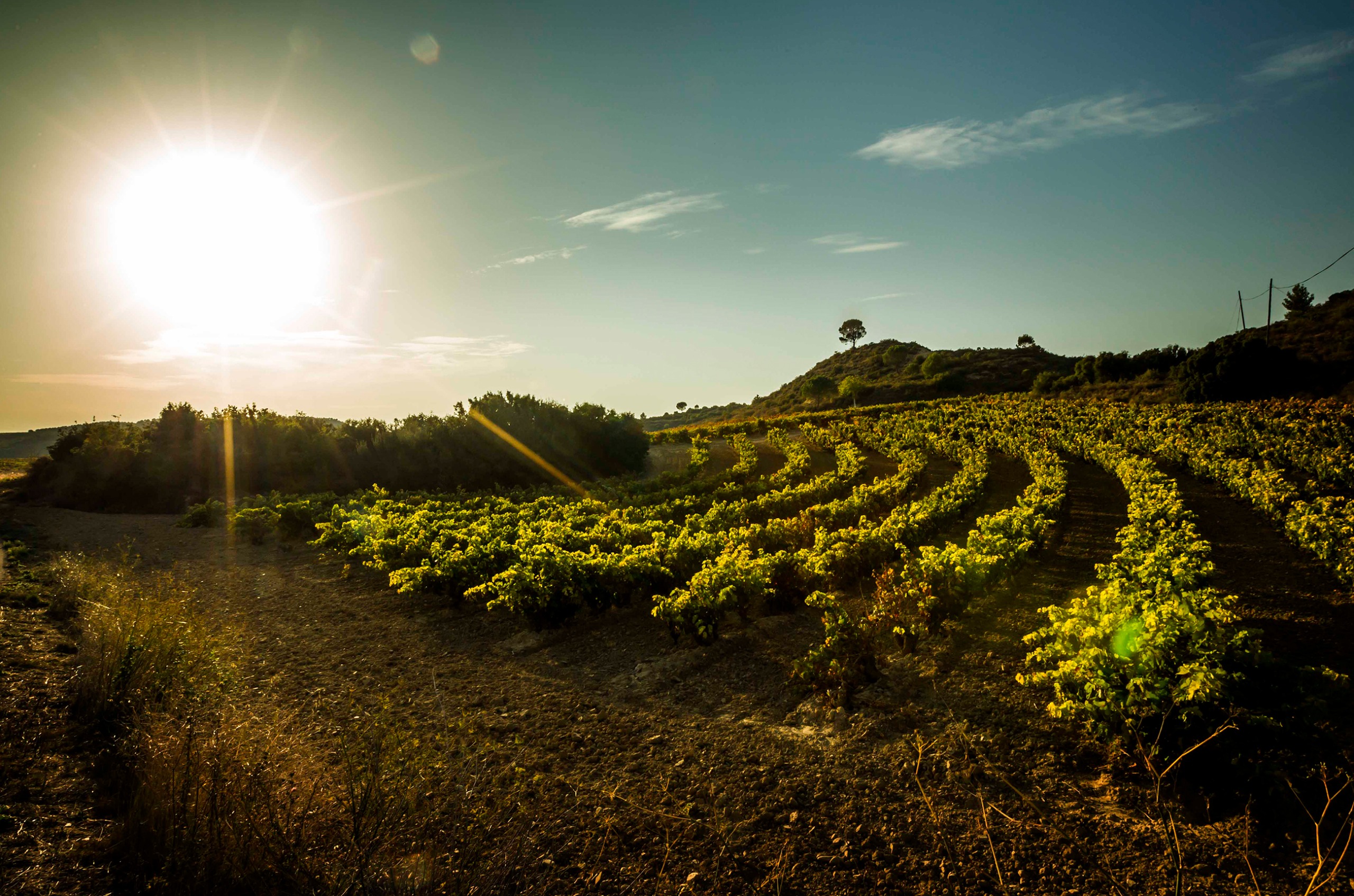 Bringing the spirit of Rioja to the UK
Sponsored Spain's leading wine region...
-
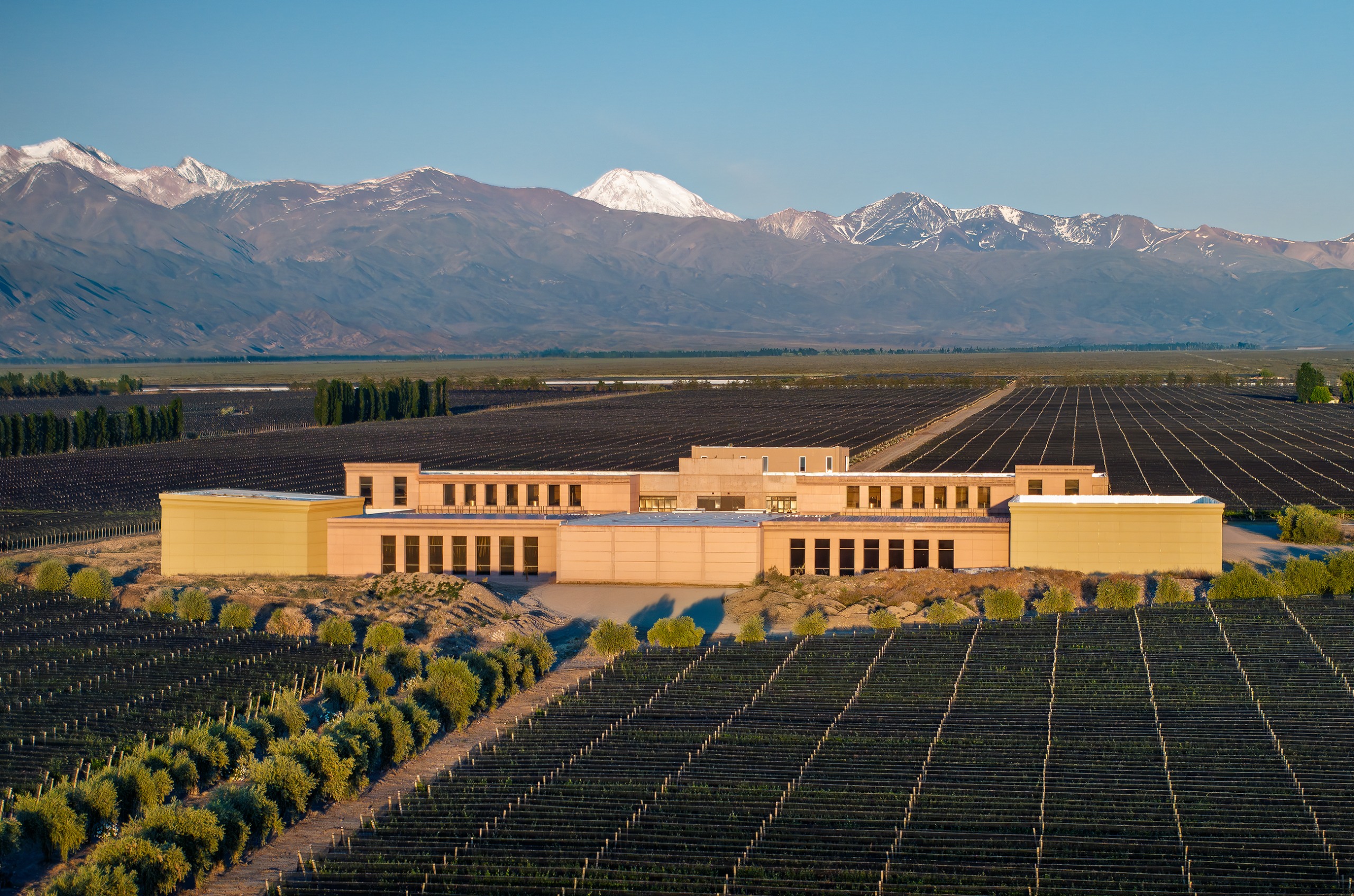 Apartado: Elegant interpretations of the Uco Valley from Rutini Wines
Sponsored The essence of the Uco Valley...
-
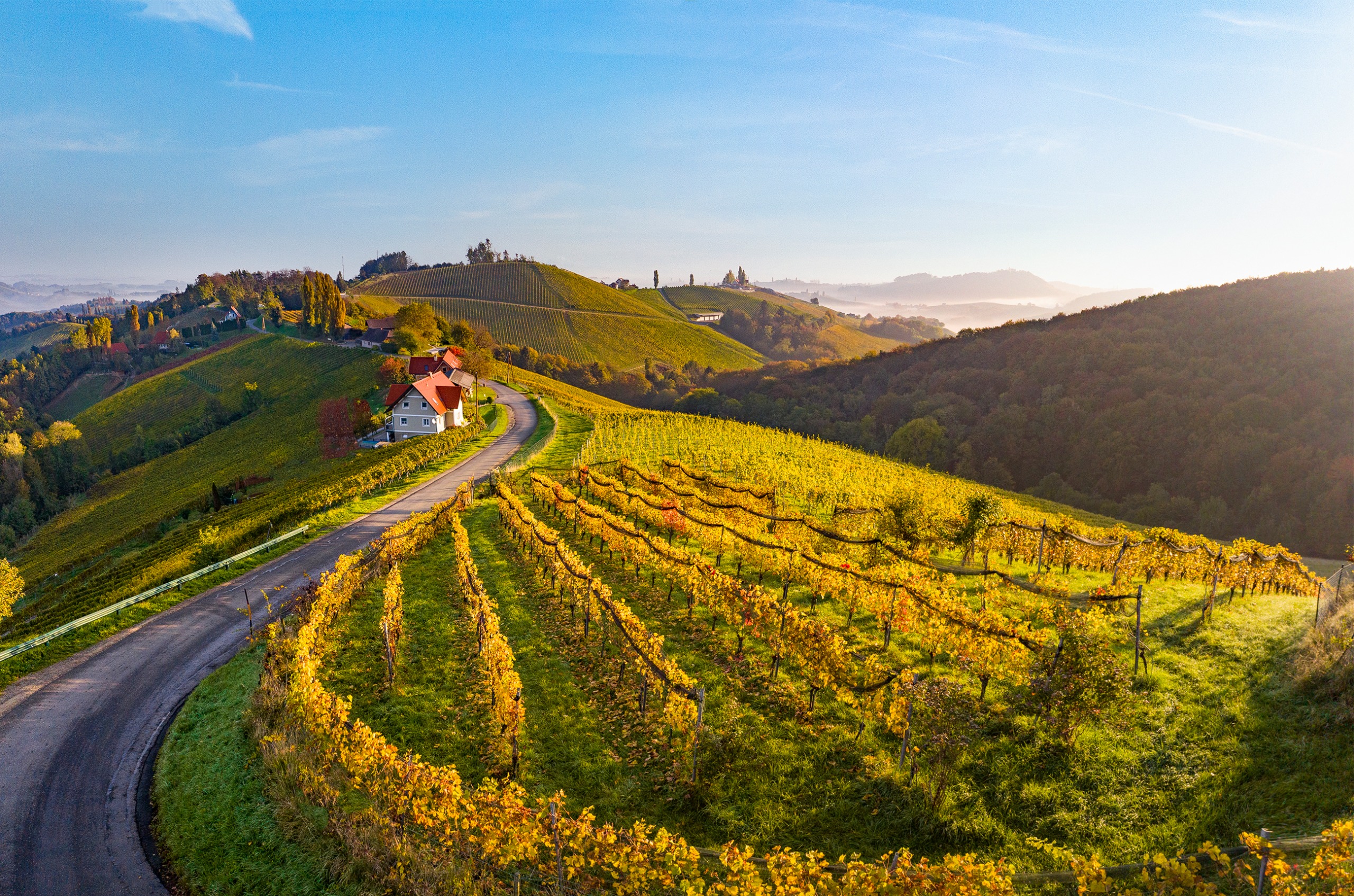 Award-winning wines from Austria
Sponsored Quality and diversity...
-
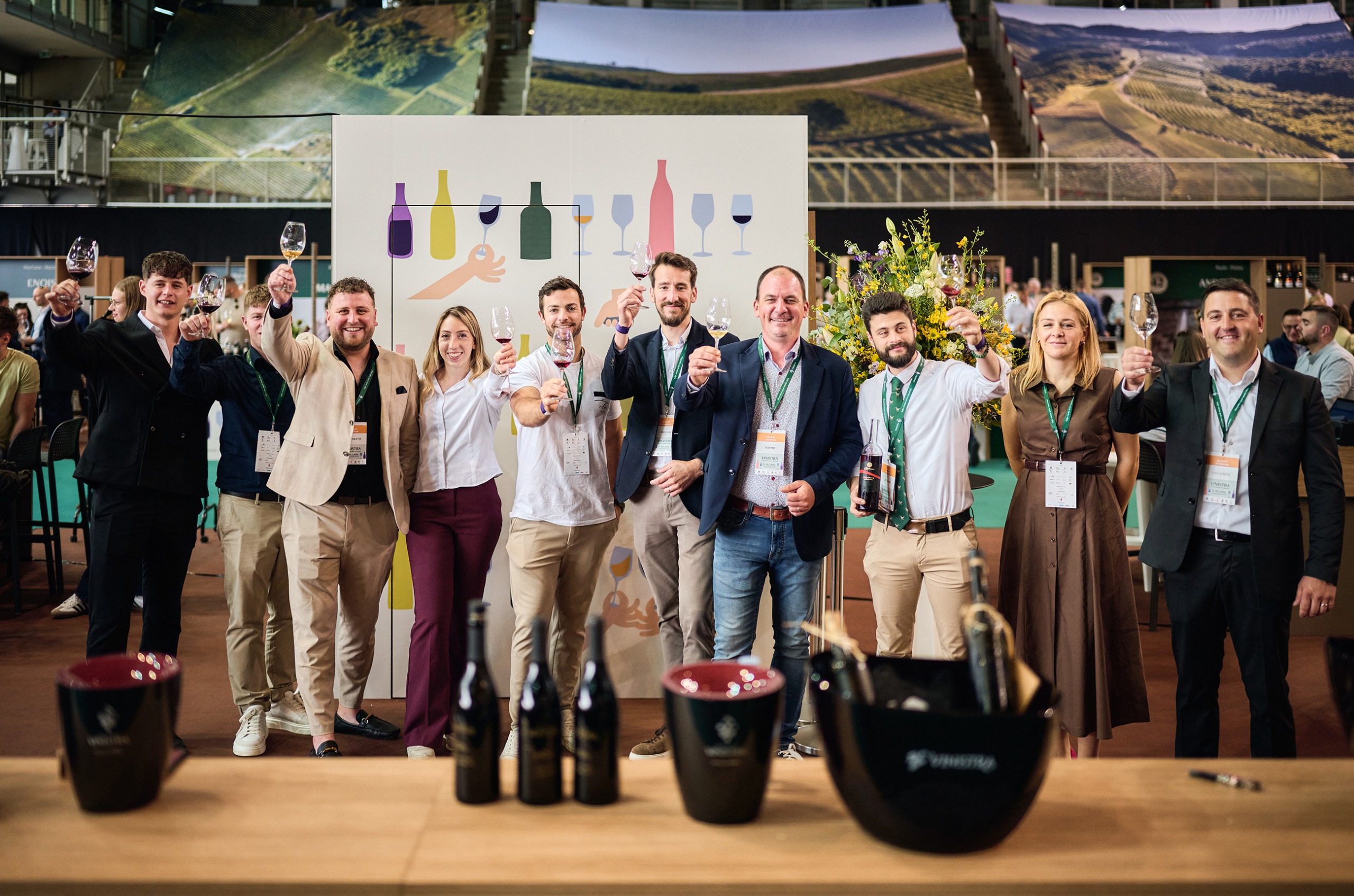 Gen V: The new face of Istria
Sponsored Taking Istria into the future...
-
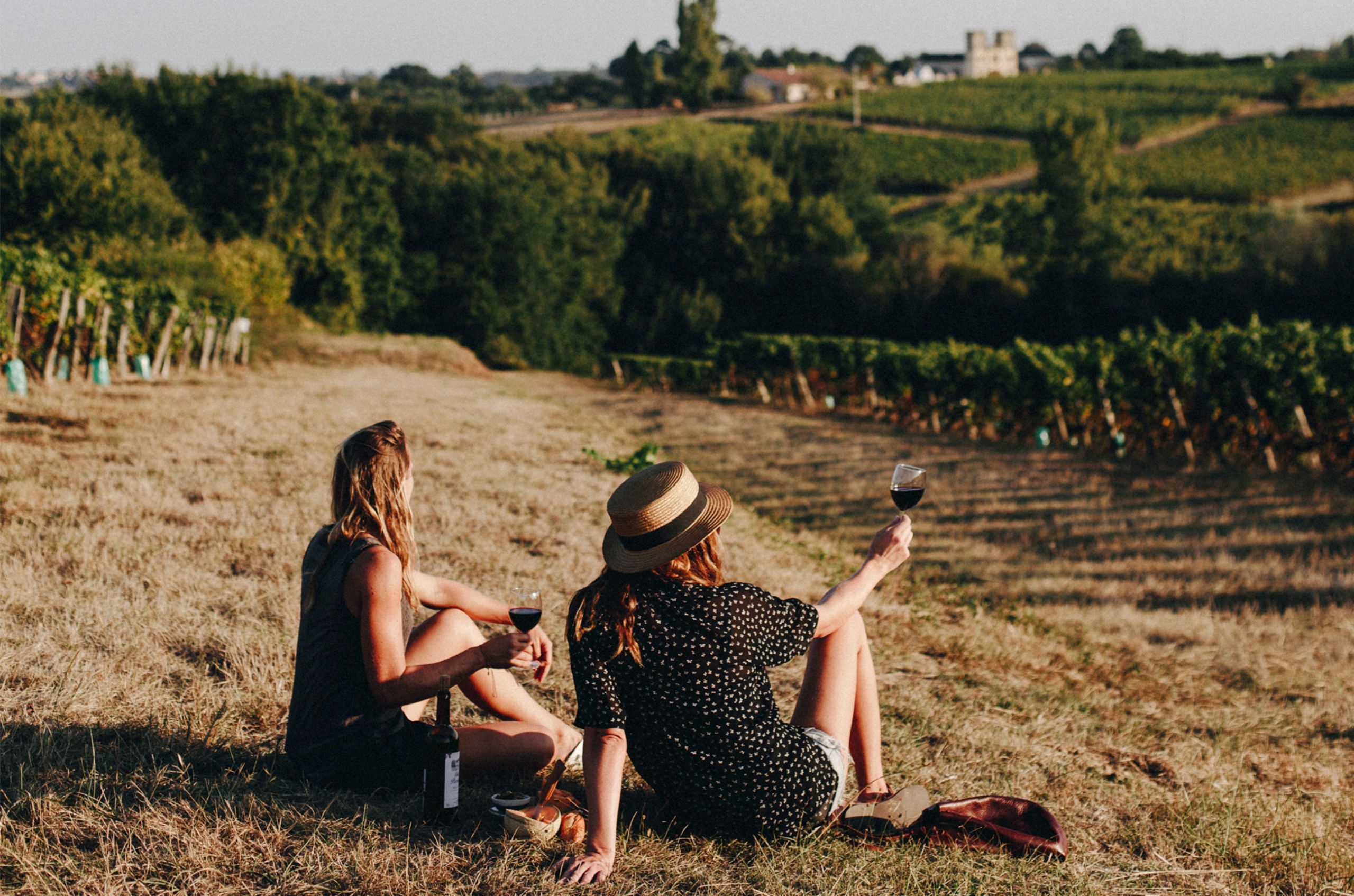 Bordeaux: One region, many voices
Sponsored Bordeaux reds in all shades...


